Chrome Chrysoberyl
Chrome chrysoberyl shines with a saturated emerald-rivaling green powered by chromium - and at Mohs 8.5.
- Chrome chrysoberyl is harder than sapphire on some hardness scales - at Mohs 8.5 only corundum (9) and diamond (10) reliably exceed it.
- The same chromium that colors chrome chrysoberyl green also colors ruby red and alexandrite from red to green - chromium is gemology's most dramatic coloring agent.
- A fine chrome chrysoberyl can be more vivid than the same-size emerald, because chrysoberyl lacks the fractures that reduce emerald's saturation.
- Sri Lanka has been mining chrysoberyl continuously for over 2,000 years - it appears in ancient trade records as a prized colored stone.
- Chrome chrysoberyl and alexandrite can occur in the same deposit - the difference is whether the chromium concentration is high enough to cause color change.
- Collectors seeking a rare chromium-colored green gem with exceptional hardness
- Heart chakra practitioners wanting a durable everyday green stone
- Emerald lovers who want a green gem that resists chipping and fracturing
- Fine jewelry buyers who prioritize durability in an engagement or anniversary piece
- Anyone drawn to alexandrite who wants a green stone without color-change behavior
- Budget buyers - chrome chrysoberyl fine specimens start at $100+ per carat; try green tourmaline instead
- Those wanting a widely known name - most recipients will need an explanation
- Shoppers seeking a spiritual stone with long metaphysical traditions; chrome chrysoberyl is primarily a collector/jewelry gem
What Is Chrome Chrysoberyl?
Chrome chrysoberyl is the chromium-bearing variety of chrysoberyl (BeAl₂O₄), one of the hardest gemstones in regular commercial use at Mohs 8.5. The chromium content replaces some aluminum in the crystal lattice, producing a vivid green color that rivals fine Colombian emerald in saturation.
Unlike emerald, chrome chrysoberyl forms without the inclusions and fractures that make emerald fragile - the result is a green gem of extraordinary clarity and durability.
Chrysoberyl is best known for producing alexandrite (the color-change variety) and cat's eye chrysoberyl. The plain chromium-colored green variety receives far less attention despite its superior durability and often spectacular color.
Sri Lanka's gem gravels are the historic primary source, where alluvial deposits have yielded chrome chrysoberyl alongside alexandrite and ruby for centuries.
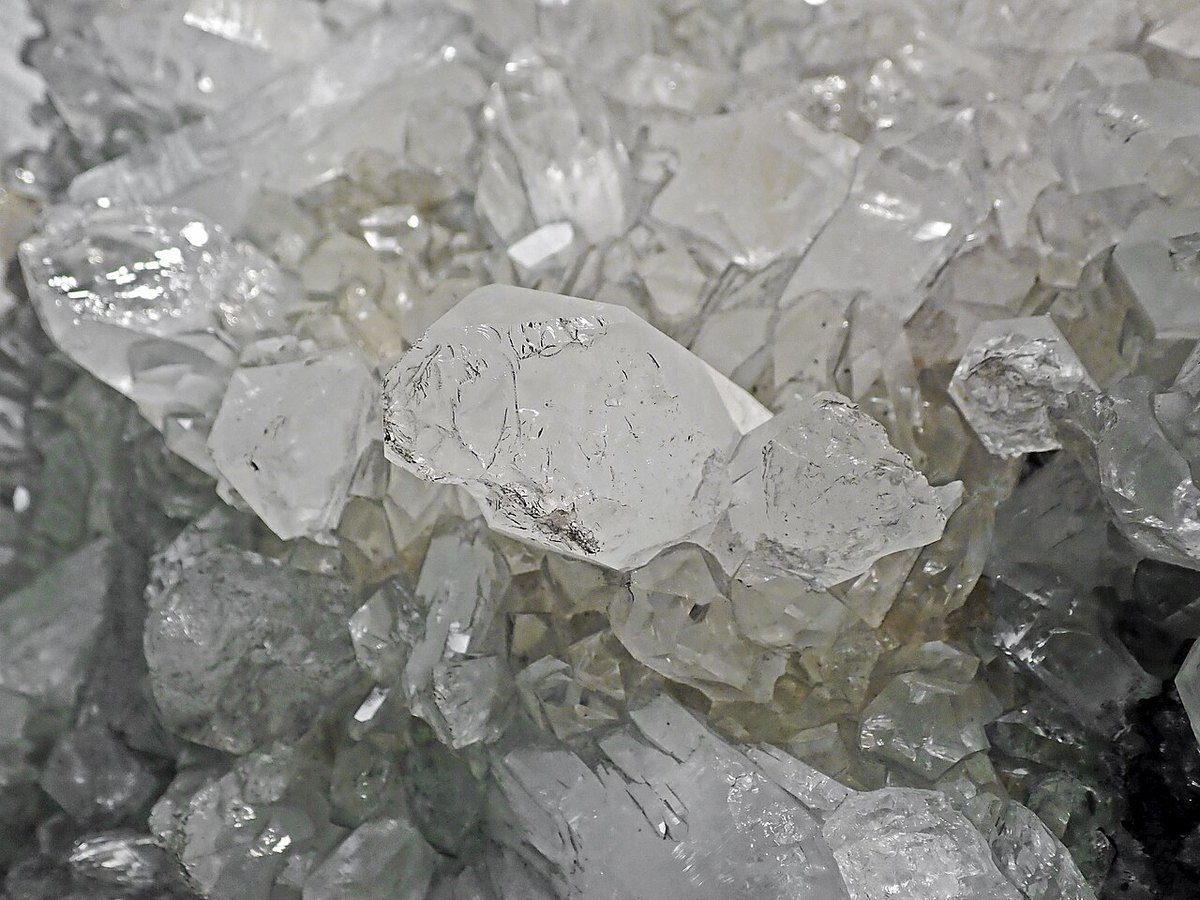
The refractive index of approximately 1.745-1.757 gives chrome chrysoberyl excellent brilliance for a step-cut or oval. Most gem-quality material is faceted to showcase color depth. Crystals occur as tabular or prismatic forms in pegmatites, metamorphic rocks, and alluvial gravel deposits.
How Chrome Chrysoberyl Compares
| Property | Chrome Chrysoberyl | Emerald | Green Tourmaline |
|---|---|---|---|
| Hardness | 8.5 | 7.5 - 8 | 7 - 7.5 |
| Price / carat | $$ Mid-range | $$$ Premium | $ Budget |
| Clarity | Usually eye-clean | Heavily included | Variable |
| Best For | Durable fine jewelry | Classic prestige | Affordable green |
Meaning and Symbolism
Chrome chrysoberyl does not carry the millennia of cultural mythology that surrounds emerald or sapphire - it has been recognized as a distinct variety only in the modern gemological era. What it carries instead is an association with clarity and strength: the qualities that emerald represents symbolically, chrome chrysoberyl delivers structurally.
In crystal healing tradition, this resonance with heart energy combined with exceptional durability gives it meaning as a stone of sustained compassion.
The heart chakra is central to chrome chrysoberyl's healing tradition - green chromium-colored stones are consistently mapped to the heart across multiple cultural frameworks. The gem's rarity and the effort required to find quality specimens make it a stone that practitioners associate with earned joy rather than easy comfort.
Collectors prize chrome chrysoberyl for representing the best qualities of the chrysoberyl family: the color intensity of alexandrite without the price premium driven by color change, and the durability that makes it a practical long-term piece.
Museum-quality specimens exist from Sri Lanka and Tanzania that rival the finest green gems in any collection.
Historical Timeline
Healing Tradition
Emotional
Practitioners associate chrome chrysoberyl with a resilient form of heart energy - one that has been tested and remains open.
Many find it useful during periods of recovery from emotional difficulty, particularly when someone wants to maintain compassion without returning to vulnerability that led to pain.
The stone's hardness is often invoked metaphorically: the ability to remain soft in feeling while becoming stronger in structure. Crystal healing tradition suggests it for practitioners working on self-worth and sustainable generosity.
Spiritual
In crystal healing tradition, green stones associated with chromium are consistently linked to the heart chakra and to growth through difficulty.
Practitioners believe chrome chrysoberyl encourages spiritual development that values resilience alongside openness - the understanding that genuine spiritual strength comes from having remained present through hardship. Some use it during meditation focused on gratitude or abundance, finding that its vivid color deepens awareness of life's richness.
Physical
Crystal healing tradition links green heart-chakra stones with circulatory and immune system wellness. Practitioners believe chrome chrysoberyl may support vitality and physical endurance, reflecting its exceptional mineral hardness metaphorically in body resilience. These are metaphysical associations, not medical claims. Always consult qualified healthcare providers for health concerns.
Zodiac, Birthstone and Gifts
Leo's solar confidence and natural leadership energy finds alignment with chrome chrysoberyl's bold, saturated green and exceptional durability. The stone's rarity mirrors Leo's sense of standing apart.
Capricorn - the sign of earned achievement and long-term commitment - resonates with a gem whose value is discovered rather than immediately obvious: chrome chrysoberyl rewards patient collectors and deliberate seekers rather than impulsive buyers.
Care and Cleansing
Chrome chrysoberyl is one of the easiest gemstones to cleanse physically and energetically. It is completely stable in water, sunlight, and mild cleaning solutions. A soak in warm soapy water followed by a soft brush and rinse is the standard physical cleaning method used by jewelers.
For energetic cleansing, any method is safe: water immersion, salt (dry or brine for brief periods), sunlight charging, moonlight, smoke cleansing, or sound. The exceptional hardness means no cleansing method will damage the surface. Practitioners most often use running water or sunlight given the stone's solar energy associations.
- DO clean regularly with warm soapy water and a soft brush - unlike emerald, chrome chrysoberyl tolerates standard cleaning.
- DO store safely - while extremely hard, faceted stones can scratch softer gems sharing a jewelry bag.
- DO NOT expose to harsh acids or extreme pH cleaners - unnecessary and potentially damaging to metal settings.
- NOTE: Chrome chrysoberyl rarely requires any treatments - its natural clarity and color are genuine.
- NOTE: Ultrasonic cleaning is generally safe for chrome chrysoberyl without fractures or inclusions.
Real vs Fake
Chrome chrysoberyl's most diagnostic property is its refractive index: approximately 1.745-1.757, measeable with a standard refractometer. This separates it from green glass (lower RI), green tourmaline (slightly lower RI), and synthetic stones. Under spectroscope, the chromium absorption spectrum produces strong bands at approximately 680nm that confirm chromium coloring.
Green glass imitations are the most common substitutes. Glass is softer (Mohs 5-6) and shows bubbles under magnification. Green synthetic spinel is sometimes offered as chrome chrysoberyl - it has similar color but different RI and specific gravity. Genuine chrome chrysoberyl has a characteristic heft from specific gravity of 3.71-3.75.
Buy from gemological specialists rather than general jewelry stores for expensive pieces. Request a lab report from gemological laboratories, AGL, or Gübelin for any purchase above $500 - these labs can definitively confirm chrysoberyl species and chromium coloring origin.
Chrome Chrysoberyl Jewelry & Gifts
Chrome chrysoberyl is priced primarily on color saturation and clarity. The finest material - vivid, slightly yellowish-green similar to fine tsavorite - commands $300-500+ per carat. Paler or more yellowish-green material is available for $50-150 per carat and still represents excellent value for a Mohs 8.5 gem.
Sri Lankan material is the benchmark for historical provenance. Tanzanian chrome chrysoberyl also commands strong prices. Brazilian material is generally more available and affordable. For jewelry use, well-cut stones with good color are the priority - origin matters less than the gem's visual impact.
Most chrome chrysoberyl on the market is untreated - no heating, oiling, or filling is standard practice for the species. Request treatment disclosure as a matter of policy, but expect sellers to confirm no treatments.
Where to Buy Chrome Chrysoberyl
Affiliate disclosure: Some links below earn us a small commission at no extra cost to you. See our affiliate disclosure page.
Handmade, raw, and tumbled pieces from independent sellers worldwide.
Shop Chrome Chrysoberyl on Etsy →Accessories, tools, and specimen sets with fast Prime delivery.
Shop Chrome Chrysoberyl on Amazon →Certified loose gemstones graded and photographed for online buyers.
Shop Chrome Chrysoberyl on GemSelect →Pairs Well With



Where Chrome Chrysoberyl Is Found


