Red is the most symbolically loaded color in the gemstone world. From the pigeon-blood ruby of Mogok, to the deep wine garnets of Bohemia, to the warm orange-red carnelian of ancient Egyptian jewelry, red stones carry centuries of association with blood, fire, courage, and love.
In this guide, we cover the 12 most important red gemstones, the optics behind the color, the mineral families involved, and the cultural history of red itself, from Vedic funeral pyres to the red robes of cardinals and the universal “stop sign” signal.
Red in gemstones is overwhelmingly produced by chromium (Cr3+) in a crystal lattice. Ruby (chromium in corundum) and red spinel (chromium in MgAl2O4) share the same root mechanism. Pyrope and almandine garnets get their red from iron and magnesium. Carnelian's warm red-orange comes from iron oxide impurities in chalcedony.
Red beryl (“bixbite”) is manganese-colored. Each mechanism produces a slightly different red, ranging from blood red with blue undertone (fine ruby) to brick red with brown (garnet) to warm orange-red (carnelian).
Ruby is the red variety of corundum (Al2O3), colored by chromium. Mohs 9, the hardest naturally occurring gem after diamond and moissanite. Top origins: Mogok Myanmar (“pigeon blood”), Mozambique (modern commercial dominant), Sri Lanka, Tajikistan.
Red spinel (MgAl2O4) is chromium-colored. Mohs 8. Often misidentified as ruby in historical jewelry; the famous “Black Prince's Ruby” in the British Imperial State Crown is actually a spinel.
Carnelian is a translucent orange-red chalcedony colored by iron oxide. Mohs 6.5 to 7. Used since ancient Egypt in amulets, signet rings, and cylinder seals.
Red beryl (also called bixbite) is one of the rarest gem beryls, mined commercially only at the Wah Wah Mountains in Utah. Mohs 7.5 to 8. Small sizes and extreme scarcity make it a collector gem.
Red coral is the calcareous skeleton of the Corallium rubrum cnidarian, biogenic not mineral. Mediterranean and Pacific sources. Mohs 3 to 4; very soft, sensitive to acids and abrasion.
Rhodolite is a mid-density pyrope-almandine garnet blend with a distinctive raspberry-pink-red color. Mohs 7 to 7.5. Brazil, Sri Lanka, and Tanzania are major sources.
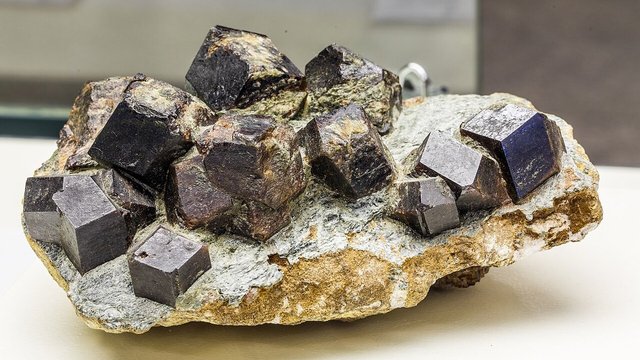
Almandine is the iron-aluminum garnet, the most common of the red garnets, often slightly darker and more brown-tinted than pyrope. Mohs 7 to 7.5.
Cultural history of red
Red is the color of blood, fire, and earth in nearly every pre-modern symbolic system. In Vedic India, it was the color worn by brides, a tradition continuing into modern Indian weddings. In the Roman Catholic church, red vestments are worn for martyr feast days and for Pentecost.
Red is the color of luck in Chinese culture, tied to weddings and New Year. In Western modern signaling, red became the universal “stop” and “danger” color, showing up in traffic lights, emergency vehicles, and warning labels.
Red gemstones by intent
For engagement rings: ruby (Mohs 9), ideal for daily wear and historically associated with devotion.
For birthstone jewelry: ruby (July) and garnet (January) cover the calendar.
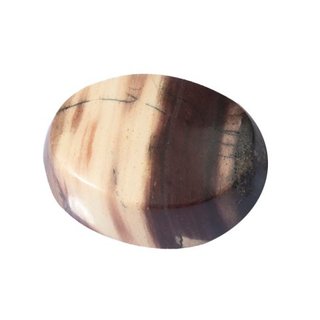
For amulets: carnelian (ancient Egyptian tradition), red jasper (affordable substitute).
For investment: unheated Burmese ruby, natural red spinel, clean red beryl.
Buying notes and care
Ruby: most commercial is heat-treated; beware fracture-filled glass-infused “composite rubies.”
Red coral: often dyed or imitated with dyed bamboo coral; ask for natural Corallium rubrum verification.
Garnets: generally untreated, which makes them one of the most honest colored stones in jewelry.
Carnelian: some is dyed chalcedony; genuine natural is a slightly softer, more translucent orange-red.
Frequently asked questions
What is the most popular red gemstone?
Ruby is the most popular for high-end jewelry; garnet is the most popular at affordable price points.
Is ruby always red?
By definition, yes. Red corundum is called ruby; corundum in any other color (blue, yellow, green, pink, colorless) is called sapphire.
Is spinel the same as ruby?
No. Spinel and ruby are different mineral species, though they share the chromium-driven red color and often co-occur in the same deposits. Spinel is slightly softer (Mohs 8 vs 9) and traditionally less expensive.
Why is red beryl so rare?
Red beryl forms only in specific geochemical conditions requiring high-temperature rhyolite hosts and manganese-rich fluids. The Wah Wah Mountains deposit in Utah is the only commercially viable source.
What chakra is red linked to?
Crystal tradition pairs red with the root chakra (grounding, physical vitality). See our root chakra stones page for hedged practice notes.