Rings take more abuse than any other piece of jewelry. A pendant swings on a chain, earrings stay above the noise, a bracelet rotates on the wrist. A ring sits at the meeting point between the wearer and every object she touches.
That is why picking a gemstone for a ring requires a little thought before budget, color, or meaning enter the conversation. This hub covers everyday-wear rings, cocktail rings for occasional wear, and right-hand rings that carry personal meaning outside the engagement tradition.
Full commerce for each stone lives on the individual stone pages, where the stone guide lists current rings through our affiliate partners and affiliate disclosure is spelled out.
The three ring categories
Not every ring has to survive the same life. We separate rings here into three working categories, which sharply change which gemstones make sense.
A ring that lives in a jewelry box six nights a week and comes out for dinner has a very different durability budget than a ring that never leaves the finger.
- Daily-wear rings. Worn to work, to the gym, to the dishes. Center stone should be Mohs 7 or higher. Setting matters as much as hardness.
- Cocktail and occasional rings. Worn a few times a month. A Mohs 6 stone is generally fine, because abrasion exposure is limited.
- Collector and specimen rings. Worn rarely or displayed as jewelry art. Any stone is fair game; the context protects it.
Gemstones we recommend for daily-wear rings
Daily-wear gemstone rings


Gemstones for cocktail and occasional rings
When a ring is not on the hand every hour, a Mohs 6 stone can hold up indefinitely. Cocktail rings were historically designed around saturated color rather than maximum hardness, which is why so many vintage examples feature stones that would not pass the daily-wear test.
These rings reward protective settings: bezels, halos, east-west layouts with reinforced corners.
Cocktail and occasional-wear stones


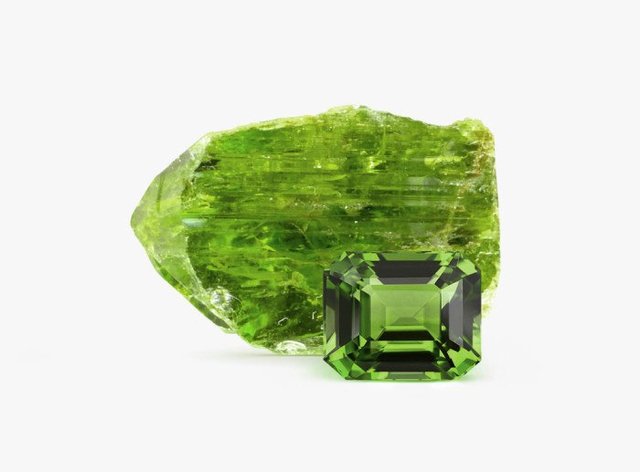
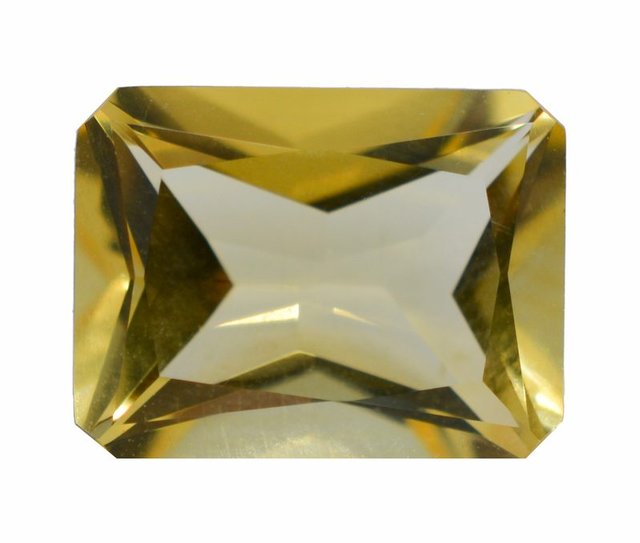

How setting changes the durability calculus
A well-chosen setting can move a stone up one full category of wear. A bezel-set opal in a flush platinum band will last far longer than a prong-set opal sitting tall.
For softer stones, we consistently recommend: bezel (wraps the stone), halo (impact-absorbing border of harder accent stones), and flush (stone set into the band itself). For harder stones, the traditional four- or six-prong solitaire works well and maximizes light return.
- Gold alloy hardness matters almost as much as stone hardness. 10k and 14k gold hold prongs noticeably longer than 18k, which is softer. Platinum is the most prong-stable of the common fine-jewelry metals.
- For a soft center stone in a ring you intend to wear often, we recommend 14k gold or platinum settings over 18k gold, because the prongs are less likely to bend or wear thin.
- You want one ring that survives every part of your life: diamond, sapphire, or spinel in a secure setting.
- You want a distinctive color you will recognize across a room: tourmaline, tanzanite, or morganite.
- You want a ring that marks a personal meaning without replacing an engagement ring: birthstone or zodiac stone in a bezel.
- You want a collector-aesthetic piece for special occasions: vintage cocktail styles with opal, moonstone, or lapis.
- You want a soft stone (opal, pearl, moonstone) in a tall prong setting that you intend to wear daily. The math will not work.
How commerce works on Gemstone Rush
We do not sell rings. Every stone page includes a the stone guide with current fine jewelry from our affiliate partners partner, and that is where a reader who wants to buy actually clicks through. We may earn a commission on those purchases at no cost to the reader.
That relationship is disclosed on every affiliate-linked page and on the main affiliate disclosure page.