
November has two modern birthstones, topaz and citrine, and the pair covers a warm honey to golden yellow palette that belongs to the autumn month.
Topaz is the more complex stone, a silicate that comes in many colours but is most strongly associated with a warm imperial orange-pink and with a bright sky-blue that is almost always irradiated.
Citrine is the yellow variety of quartz, rare in nature and typically produced by heat-treating amethyst, which is part of why it is so affordable.
For a November buyer, the choice is usually stylistic. Topaz reads more gem-like and carries origin premium in the imperial category. Citrine reads more casual and makes a beautifully warm, very affordable gift.
The two November birthstones
Top November gemstone picks

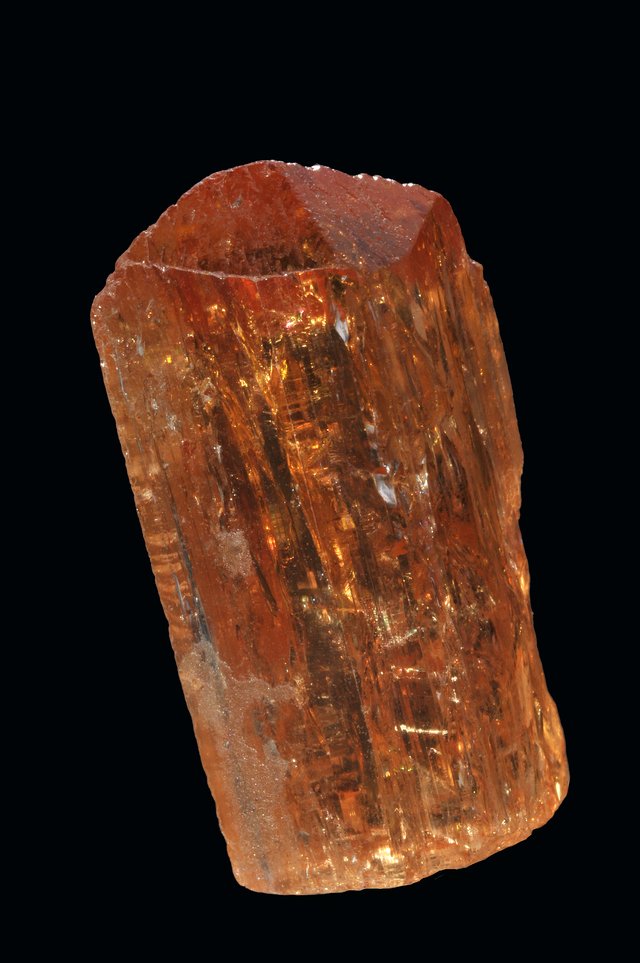
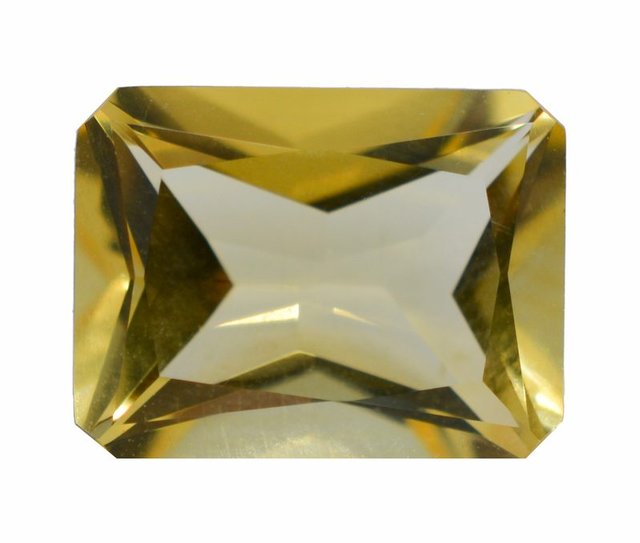

Topaz
Topaz is an aluminium fluorine silicate, Mohs 8, with perfect cleavage that makes cutting a skilled operation. Colourless topaz is common and cheap; irradiation plus heat produces the sky blue, Swiss blue, and London blue topazes that dominate commercial blue stone sales.
Imperial topaz, a pinkish orange to reddish orange variety from Ouro Preto in Brazil, is the most valuable category. Precious topaz is a general name for the warmer golden orange stones.
Citrine
Citrine is yellow quartz. Natural citrine is uncommon; most commercial citrine is heat treated amethyst from Brazil, which produces a warm yellow to orange-yellow that is stable and attractive. The treatment is accepted and should be disclosed. Madeira citrine, a deeper orange variety, carries a slight premium.
Ametrine, a naturally bicoloured amethyst-citrine from Bolivia, is a related option.
A short history of the November stone
Topaz has been confused with other yellow stones throughout history; much of the stone the ancients called topazos was probably peridot or chrysolite. True topaz emerged as a distinct category in the eighteenth century when Brazilian deposits were formally identified.
Imperial topaz takes its name from the Russian court of the nineteenth century. Citrine was historically uncommon until Brazilian amethyst supplies made heat-treated citrine a mainstream stone in the twentieth century.
Meaning and tradition
Practitioners have long associated topaz with warmth, strength, and faithful communication. Golden topaz in particular is said in tradition to carry solar energy. Citrine is sometimes called the merchant’s stone in modern crystal writing, traditionally associated with prosperity and confidence; the solar plexus chakra pairing is contemporary.
- Traditional associations are not medical advice.
- Topaz has perfect cleavage and can split with a sharp impact; bezel settings help.
- Natural citrine may fade with prolonged sun; heat treated citrine is generally stable.
Is a November stone right for you?
- You love warm honey yellow to golden orange colours.
- You want the gem-like feel and hardness of topaz.
- You want a generous carat size on a modest budget (citrine).
- You like stones that pair with yellow and rose gold.
- You want cool blue or green tones (consider the month before or after).
- You want top color in imperial topaz on a small budget (imperial is premium).
- You object to treatment disclosure; most blue topaz and most citrine are treated.
Gift ideas and pairings
For a November birthday, an emerald cut blue topaz in white gold is a clean modern gift at an unusually friendly price. For a warmer reading, a precious topaz oval in yellow gold reads like a gem-set autumn leaf.
Citrine is beautifully affordable in large cuts; an oval citrine of 5 to 8 carats in yellow gold makes a generous statement piece. Topaz pairs with diamond accents; citrine pairs particularly well with amethyst for a contrast pendant.
Zodiac overlap for November
November spans Scorpio (through November 21) and Sagittarius (from November 22). Scorpio is often given topaz, obsidian, or garnet; November Scorpios lean into the topaz reading. Sagittarius is often given citrine and turquoise; November Sagittarius readers often prefer citrine to topaz.