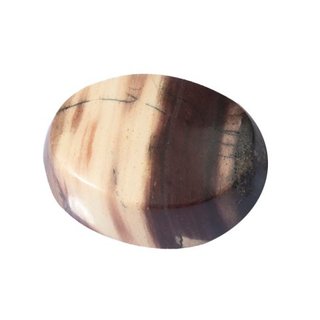
The root chakra, called Muladhara in Sanskrit, sits at the base of the spine and is the first of the seven classical chakras. In modern crystal healing tradition, practitioners associate it with grounding, physical presence, and a sense of safety in the body.
In this guide, we gather the 9 stones most often paired with the root chakra in published crystal writing, with hedged use notes throughout.
Everything here is presented as documented tradition and ritual practice. The stones are not medical treatments. The mineralogy is factual; the symbolism is belief. Readers managing medical or mental health conditions should keep working with their care providers; stones are used alongside, not instead.
Root chakra at a glance
Sanskrit name
Muladhara
Location
Base of spine, pelvic floor
Element
Earth
Color association
Red, deep brown, black
Number of petals
4
Seed sound (bija)
Lam
Theme
Safety, grounding, material stability
Zodiac cross-reference
Capricorn, Taurus, Aries (earth and fire signs)
9 stones traditionally associated with the root chakra
The root chakra's crystal pairings are dense, dark, and earth-colored. Red minerals (garnet, jasper, ruby) share the chakra's traditional color. Black and brown stones (onyx, obsidian, smoky quartz, tourmaline) carry grounding symbolism. Metallic hematite sits at the most-cited intersection of both camps.
Red jasper, an opaque quartz variety colored by iron oxide, is the signature root chakra stone in modern crystal writing. Practitioners describe its warmth and weight as helpful for what they call coming home to the body. Mohs 6.5 to 7.
Hematite, an iron oxide with a silvery metallic polish, is the second most-cited root stone. Its literal iron content reinforces the grounding symbolism. Mohs 5 to 6. Magnetized hematite (hematine) is a synthetic look-alike sold as jewelry.
Black tourmaline (schorl) is the protection-and-ground workhorse of crystal writing. Many practitioners place it at entrances, in bags, or near desks. Mohs 7 to 7.5.
Smoky quartz, the brown-gray transparent quartz, is cited for grounding work and what practitioners call release. Mohs 7. Most commercial stones are irradiated; color is stable and disclosed.
Bloodstone, a green chalcedony with red iron flecks, pairs with root for both its literal red inclusions and its ancient amulet history. Mohs 6.5 to 7.
Ruby, the red variety of corundum, is the classical root stone in several older lapidary sources. Mohs 9, excellent durability for rings and pendants.
How practitioners place root chakra stones
Lie flat on the back, arms relaxed, breathing slow.
Place a grounding stone at the base of the spine, or on the pelvic floor area if lying face-up, or between and just below the feet.
Set a hedged intention, such as “I am willing to feel steady today.” Practitioners describe intention as a mental cue, not a command.
Stay 5 to 10 minutes on first sessions. Longer is not better.
Close by lifting the stone, expressing thanks to the practice (not the stone), and grounding through the feet on the floor.
Cleanse the stone after: rinse (if water-safe), or pass through sound, or rest on a windowsill overnight.
When practitioners turn to root chakra stones
For you if...
Transitions (move, new job, breakup)
Feeling mentally scattered or anxious
Long travel days or time zone disruption
Recovery periods after illness
Consider other options if...
In place of clinical care for anxiety or panic
Expecting medical outcomes
Working with very soft stones (selenite) near skin oils
Root chakra stones for jewelry
Red jasper and hematite are common root-chakra bracelet beads. Black tourmaline pendants are often worn over the heart despite the chakra address, for general protection. Garnet rings are a practical overlap between chakra work and everyday jewelry. Ruby is the premium end of the list.
Root chakra stone pairings
Practitioners commonly pair root stones with a clear amplifier (clear quartz) or a heart-softening companion (rose quartz) to prevent what they describe as over-grounding. Three stones or fewer in active grids.
Frequently asked questions
What is the main root chakra stone?
Red jasper is the most-cited root chakra stone in modern crystal writing. Hematite and black tourmaline are strong alternatives for grounding focus.
Can I combine root stones with heart stones?
Yes. Practitioners often pair root with rose quartz or green aventurine to balance grounding with emotional openness. Stones do not conflict; intentions do.
Where do I physically place root stones for meditation?
The base of the spine (lying flat, face down on a cushion), the pelvic floor area (lying face-up), or between and below the feet (seated on the floor) are the three traditional placements.
How long should I lie with a root stone?
Most modern writing recommends 5 to 10 minutes for first sessions, extending to 20 to 30 for experienced practitioners. Longer is not inherently better.
Can root chakra stones help with anxiety?
Practitioners describe root stones as calming aids during anxious periods. They are not a substitute for professional care. If anxiety is disrupting daily life, please see a qualified provider.