White in gemstones is produced by reflection of all visible wavelengths, usually through tiny structural light-scattering features rather than a chemical pigment. Pearl's white comes from nacre platelet diffraction. Moonstone's white-blue sheen is feldspar lamellar interference. White opal's milkiness is hydrated silica sphere packing.
In this guide, we cover the 12 most important white gemstones, the optics behind their whiteness, the mineral families involved, and the cultural history of white, which has signaled purity in some cultures and mourning in others.
White in gemstones is mostly about light scattering. Pearl is layered aragonite platelets (nacre). Moonstone's adularescence is interference between alternating orthoclase and albite layers. Milky quartz gets its whiteness from microscopic fluid inclusions. White opal's body color is hydrated silica with no play-of-color.
Colorless minerals (quartz, sapphire, diamond) can look white when cut small or as massive material because of internal scattering.
Pearl is a biogenic gem formed by mollusks depositing aragonite and conchiolin in concentric layers. Freshwater pearls (China, dominant commercial source) are more affordable; saltwater (Akoya, South Sea, Tahitian) command premium. Mohs 2.5 to 4.5. Handle gently; avoid chemicals and dry heat.
Moonstone is an orthoclase feldspar with internal albite lamellae that cause a floating blue-white sheen (adularescence). Sri Lanka and India are major sources. Mohs 6 to 6.5.
White sapphire is colorless corundum. Mohs 9. A durable and cost-effective diamond alternative, though it lacks diamond's sparkle because of lower refractive index and dispersion.
Colorless diamond (GIA grade D to F) is the industry standard for 'white.' Mohs 10. The reference chromatic standard against which all other diamonds are graded.
Howlite is a white calcium borosilicate with gray veining that gives it a marble-like appearance. Mohs 3.5. Often dyed blue and sold as fake turquoise; undyed white howlite is inexpensive and attractive.
M
8
Magnesite
Magnesite is magnesium carbonate. Mohs 3.5 to 4.5. Porous and often dyed; chalk-white undyed material is used in beaded jewelry.
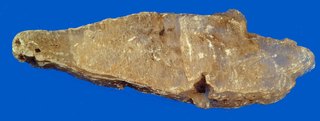
Selenite is transparent to translucent gypsum, usually displaying internal fibrous striations or satin polish. Mohs 2 and water-soluble. Popular in contemporary crystal practice but not suitable for jewelry exposed to moisture.
Scolecite is a white zeolite mineral, typically in radiating acicular crystals. Mohs 5 to 5.5. Collector interest only.
Cultural history of white
White has diverged meanings across cultures. In Western weddings since Queen Victoria's 1840 white dress, white has signaled purity, virginity, and new beginnings. In many East Asian traditions (China, Korea, parts of Japan), white is the color of mourning, worn to funerals and in commemorative periods.
Islamic tradition requires white cloth (kafan) for burial. The Greek and Roman worlds used white togas and chitons for priests, brides, and senators alike. White jewelry ranges from pearl bridal sets to moonstone meditation pieces.
White gemstones by intent
For engagement rings: white diamond (standard), white sapphire (budget alternative).
For birthstone jewelry: pearl (June).
For wedding jewelry: freshwater pearl strands, moonstone drop earrings.
For spiritual practice: selenite wands, moonstone meditation pieces.
Buying notes and care
Pearl: avoid perfume, chemicals, and dry heat; wipe after wear; restring knotted strands every few years.
Moonstone: do not soak; wipe with a soft cloth.
Selenite: never submerge; sound or moonlight cleansing only.
White sapphire: disclose heat treatment when applicable.
Frequently asked questions
What is the most popular white gemstone?
Pearl for traditional jewelry and wedding use; white diamond for engagement rings; moonstone in contemporary crystal and fashion jewelry.
Is a white sapphire a good diamond alternative?
Yes for durability and cost. It lacks diamond's fire (high dispersion) so it reads softer and grayer under light. It is a good option for budget-conscious buyers who prize colorless durability.
How do I care for pearls?
Wipe after wear, store in soft cloth (not in an airtight bag, which can cause dryness), avoid perfume and chemicals, and have knotted strands restrung every 2 to 5 years.
Why is selenite considered 'self-cleansing'?
This claim appears in crystal tradition but has no scientific basis. Selenite dissolves slowly in water because it is gypsum; it does not physically cleanse anything.
What chakra is white linked to?
Crystal tradition pairs white with the crown chakra. See our crown chakra stones page for hedged practice notes.