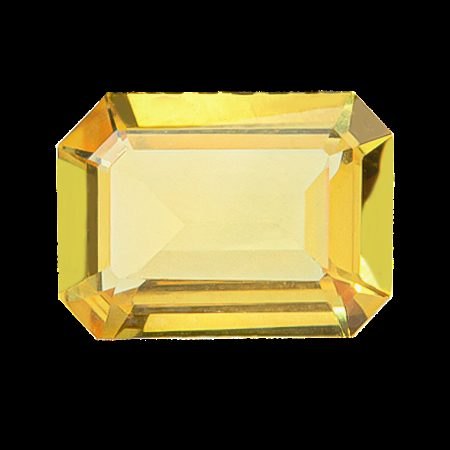
White Sapphire
Born in metamorphic rock as colorless corundum, white sapphire is the diamond-durable clear sapphire for heirloom-worthy daily jewelry.
- White sapphire is the same mineral as blue sapphire and ruby, all varieties of corundum.
- In Vedic astrology, white sapphire is considered a substitute for diamond and associated with Venus.
- Natural colorless corundum is rarer than blue sapphire and tends to command a premium when untreated.
- Synthetic white sapphire is used in watch crystals and military vehicle windshields for scratch resistance.
- Well-cut white sapphire visually approximates diamond at roughly 15% to 30% of the cost per carat.
- Engagement ring shoppers wanting a durable natural alternative to diamond
- Buyers seeking Mohs 9 hardness at 10% to 30% of comparable-size diamond pricing
- Collectors interested in a natural corundum variety distinct from the classic blue
- Readers drawn to a clean, bright stone for anniversary bands and right-hand rings
- Practitioners working with clarity, wisdom, and crown chakra themes
- Shoppers wanting diamond's signature fire (white sapphire has softer brilliance)
- Buyers seeking the strongest resale value (natural diamond remains the liquidity benchmark)
- Readers preferring ancient folklore-rich colored stones (consider traditional blue sapphire)
What Is White Sapphire?
White sapphire is the colorless variety of corundum, the same mineral species that produces blue sapphire and ruby. It forms in metamorphic and igneous rock when aluminum oxide crystallizes without the trace chromophore elements that give colored sapphires their distinctive hues. It rates 9 on the Mohs hardness scale.
Pure corundum is inherently colorless; trace iron and titanium produce blue, chromium produces red (ruby), and various trace elements give the full sapphire color spectrum.
At Mohs 9, white sapphire is second only to diamond and moissanite in hardness, making it exceptionally suited for daily-wear rings. Its refractive index of 1.762 to 1.770 is lower than diamond's 2.42, producing less brilliance and fire but a clean, bright appearance.
Well-cut white sapphire can be visually similar to diamond at a casual glance, though closer inspection reveals softer sparkle rather than diamond's signature dispersion.
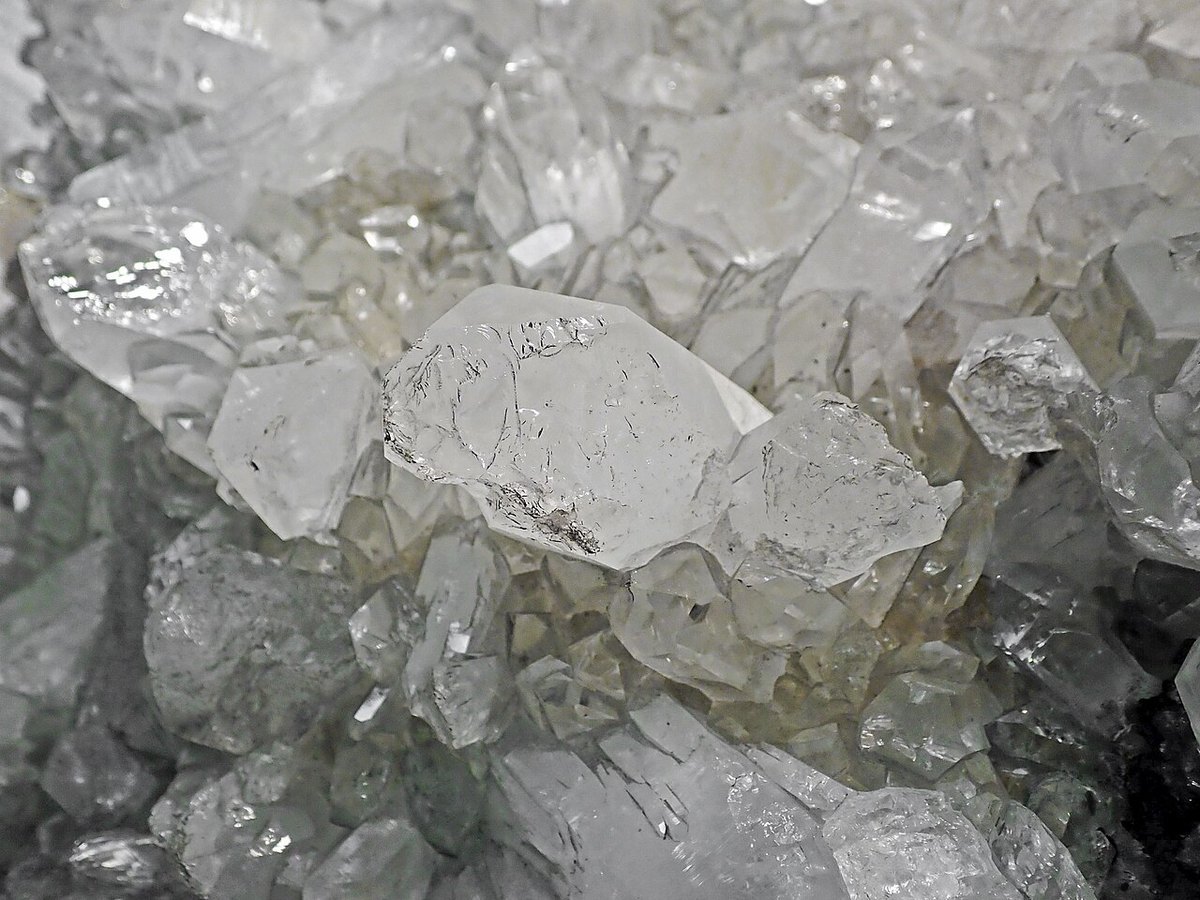
Commercial white sapphire is sourced primarily from Sri Lanka (historically Ceylon), Madagascar, Tanzania, and Myanmar. Laboratory-grown white sapphire is also widely available and has the same chemistry and hardness as mined material.
Most natural white sapphire is heat-treated to remove any slight tint, a process that is stable and widely accepted in the trade. Unheated natural colorless corundum is rarer and commands a premium for buyers who specifically want an untreated stone.
How White Sapphire Compares
| Property | White Sapphire | Diamond | Moissanite |
|---|---|---|---|
| Hardness | 9 | 10 | 9.25 |
| Price / carat | $$ Mid-range | $$$$ Luxury | $$ Mid-range |
| Rarity | Moderate | Natural rare | Lab-made |
| Best For | Engagement rings, daily wear | Heirloom investment | Affordable brilliance |
Meaning and Symbolism
White sapphire shares the long lineage of the sapphire species, which has been prized in Persian, Indian, and Mediterranean traditions for over 2,500 years. Ancient cultures associated sapphire with wisdom, truth, and divine connection, and medieval clergy wore blue and white sapphires as rings symbolizing spiritual clarity.
The colorless variety specifically was often considered a stone of purity, mental focus, and integrity.
In Vedic astrological tradition, white sapphire is associated with the planet Venus and is sometimes prescribed as a substitute for diamond in jyotish practice.
Wearers are traditionally advised to set the stone in silver or white gold and wear it on the middle or ring finger, with attention to timing and ritual preparation. This Vedic association gives white sapphire a richer metaphysical tradition than many modern diamond simulants.
In modern crystal healing tradition, white sapphire is associated with clarity of thought, spiritual wisdom, and steady discipline. Practitioners often describe it as a stone for readers seeking to align their daily actions with long-term values, and its durability reinforces the symbolism of steadfast commitment.
The stone's Mohs 9 hardness makes it a natural symbol for enduring vows, which is why white sapphire has become a meaningful engagement ring alternative for couples with environmental or budget considerations.
Historical Timeline
Healing Tradition
Emotional
Practitioners believe white sapphire is a stone of calm discernment, traditionally associated with clear thinking, steady discipline, and release from emotional confusion. In crystal healing tradition, it is said to help readers who feel pulled in many directions find a single grounded priority.
Many readers wear white sapphire during periods of significant decision-making, treating the ring or pendant as a tactile reminder of their own clarity. Practitioners often pair white sapphire with clear quartz for amplified focus and with amethyst when mental quiet needs to meet intuition.
Crystal workers typically describe white sapphire as a cool, steady presence rather than an energizing one, which suits professionals, students, and readers recovering focus after extended stress. Its durability also makes it a traditional choice for wedding and anniversary rings, where the hardness is read as a symbol of unbreakable commitment.
Spiritual
In crystal healing tradition, white sapphire is linked with the crown and third eye chakras, zones practitioners associate with spiritual connection and inner vision. The stone's colorless clarity is read as a direct channel, and it has a long history in prayer beads, meditation rings, and monastic jewelry.
Many readers use white sapphire as a focal anchor during seated meditation or intention setting.
Practitioners often describe white sapphire as a stone of divine discernment, fitting for readers engaged in ethical or contemplative work. It pairs readily with selenite in ceremony grids and with moonstone in lunar intention settings.
Vedic traditions associate white sapphire with the planet Venus and the pursuit of refined aesthetic and spiritual culture. Practitioners following jyotish prescriptions sometimes wear white sapphire only after astrological consultation, with specific setting and timing considerations. Modern practice has adopted the stone's clarity symbolism more broadly.
Physical
Practitioners believe white sapphire is traditionally associated with eye health, clear speech, and what they describe as overall sensory clarity. Folklore links the stone with mental stamina, steady circulation, and balanced energy through long workdays, framed as supportive companionship rather than medical care.
Many readers wear white sapphire as rings, earrings, or pendants during professional engagements where clear thinking is essential. The stone is not a substitute for healthcare and practitioners are consistent in describing its role as accompanying rather than treating.
Because white sapphire is chemically stable and hypoallergenic corundum, it is also popular for readers with sensitive skin. Some crystal workers suggest white sapphire as a substitute for more expensive diamond in tradition-based physical alignment practices. Its durability makes it suitable for daily wear in almost any setting.
Zodiac, Birthstone and Gifts
White sapphire is sometimes offered as an alternative for September alongside traditional blue sapphire, and astrologers often pair it with Virgo, Libra, and Taurus for the sign's connections to clarity, harmony, and refined beauty.
For Virgo readers drawn to precision, white sapphire is often recommended as a daily-wear focus stone. Libra readers appreciate the stone's association with Venus in Vedic tradition, and Taurus readers are drawn to its pairing of durability and elegance. Practitioners sometimes pair white sapphire with amethyst for deeper contemplation in zodiac kits.
Care and Cleansing
White sapphire is one of the easiest fine gems to maintain. Warm soapy water and a soft brush handle body oils and daily dust without risk, and the stone tolerates ultrasonic and steam cleaning in unfractured form. Sapphire is chemically stable and does not react to most household cleaners or perfumes.
Fracture-filled stones should avoid ultrasonic and steam methods because vibration and heat can damage the filler.
Moonlight, sound cleansing with a singing bowl, and smoke cleansing with palo santo or sage are all traditional and safe. Dry salt cleansing is acceptable, though saltwater soaks should be avoided on set pieces because saltwater can slowly corrode metal mountings.
Many practitioners rest white sapphire on selenite plates overnight as a gentle energetic reset.
Sunlight is fully tolerated and does not fade white sapphire, so brief sun bathing is safe and sometimes described as a recharging practice by crystal workers. Long-term storage in direct sunlight is unnecessary but causes no damage.
Professional jewelers recommend annual inspection of prong settings and routine cleaning in warm soapy water for set pieces.
- DO clean white sapphire in warm soapy water with a soft brush regularly.
- DO use ultrasonic cleaners on unfractured natural or heated white sapphire.
- DO NOT use ultrasonic or steam cleaners on fracture-filled or diffused stones.
- DO have prong settings inspected annually by a qualified jeweler.
- DO store white sapphire separately from diamond and moissanite to avoid scratching softer pieces.
- DO remove rings for rough work, though white sapphire itself is rarely damaged by normal activities.
- Note: most natural white sapphire is heat-treated; unheated commands a premium.
Real vs Fake
Genuine white sapphire shows a clean, bright brilliance with softer sparkle than diamond and distinct doubly-refractive behavior under a loupe. The stone weighs correctly for its size at specific gravity 3.98 to 4.10, and scratches glass easily at Mohs 9.
Natural inclusions under magnification are typically needle-like rutile or crystal tubes characteristic of corundum.
Common imitations include cubic zirconia, moissanite, colorless topaz, and clear glass. CZ is denser and shows different refractive behavior. Moissanite shows stronger double refraction visible as doubled facet edges. Colorless topaz has lower hardness (Mohs 8) and a different crystal structure.
Synthetic white sapphire has identical chemistry and durability to natural material and is common in both jewelry and industrial applications. Distinguishing natural from synthetic corundum usually requires laboratory examination of inclusions and growth patterns.
For significant engagement ring purchases, a lab certificate specifying natural versus synthetic origin and any heat treatment is standard. Reputable sellers disclose both, and buyers should expect this documentation.
White Sapphire Jewelry & Gifts
White sapphire spans a broad price range depending on origin, treatment status, and clarity. Heat-treated natural white sapphire typically costs $200 to $800 per carat for one-carat stones and $500 to $1,500 per carat for larger clean stones. Unheated natural material commands a premium at $800 to $3,000 per carat.
Synthetic white sapphire is widely available at $20 to $100 per carat for excellent clarity and is a practical choice for buyers prioritizing appearance over natural-origin status.
Treatment is typically standard heat application to remove any trace color tint, and this process is stable and widely accepted in the trade. Unheated natural colorless corundum is rarer and commands a premium. For engagement rings, focus on eye-clean clarity, well-balanced cut, and protective prong or bezel settings.
Ask reputable sellers whether a stone is natural or synthetic, heated or unheated, and expect a lab certificate for significant purchases.
Where to Buy White Sapphire
Affiliate disclosure: Some links below earn us a small commission at no extra cost to you. See our affiliate disclosure page.
Handmade, raw, and tumbled pieces from independent sellers worldwide.
Shop White Sapphire on Etsy →Accessories, tools, and specimen sets with fast Prime delivery.
Shop White Sapphire on Amazon →Certified loose gemstones graded and photographed for online buyers.
Shop White Sapphire on GemSelect →Pairs Well With




Where White Sapphire Is Found


