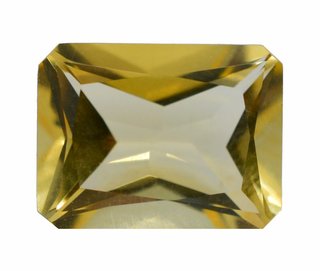
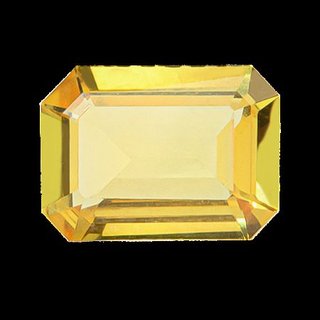
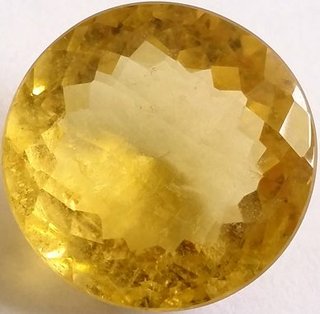
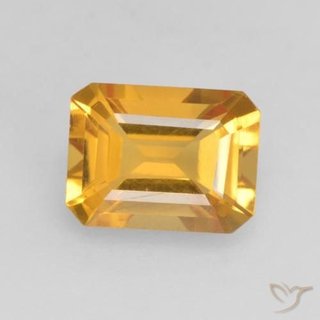
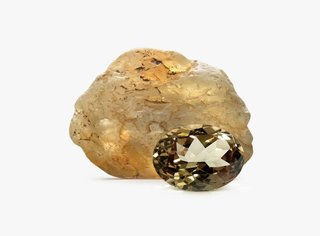
Yellow gemstones span honey, lemon, butter, and gold. The mechanisms behind yellow vary: iron impurities (citrine, yellow sapphire), uranium or thorium color centers in older zircons, chromium in some tourmalines, and natural inclusions in amber. Each mechanism produces a slightly different yellow.
In this guide, we cover the 12 most important yellow gemstones, the optics behind the color, the mineral families involved, and the cultural history of yellow, from Chinese imperial yellow silk to medieval European associations with betrayal and disease, and the modern association with warmth and caution.
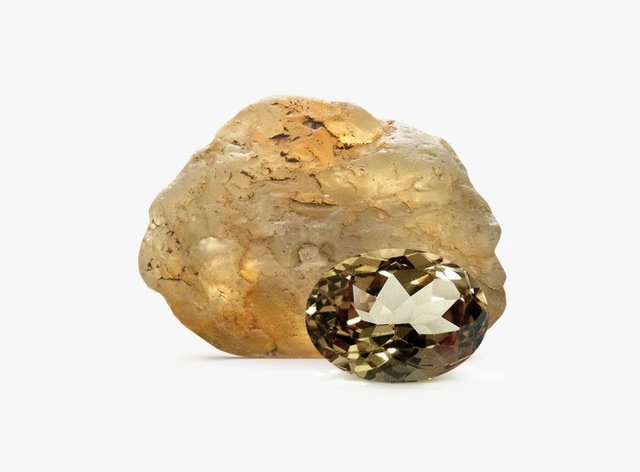
Most yellow in gemstones is from iron. Citrine's yellow is iron (Fe3+) in quartz. Yellow sapphire is iron (Fe3+) in corundum. Golden topaz is iron and chromium in topaz. Heliodor, the yellow beryl, is iron (Fe3+) substituting in beryl. Amber's yellow is from preserved plant terpenes.
Yellow diamond is from nitrogen impurities in the diamond carbon lattice.
12 yellow gemstones to know
Yellow gemstone comparison
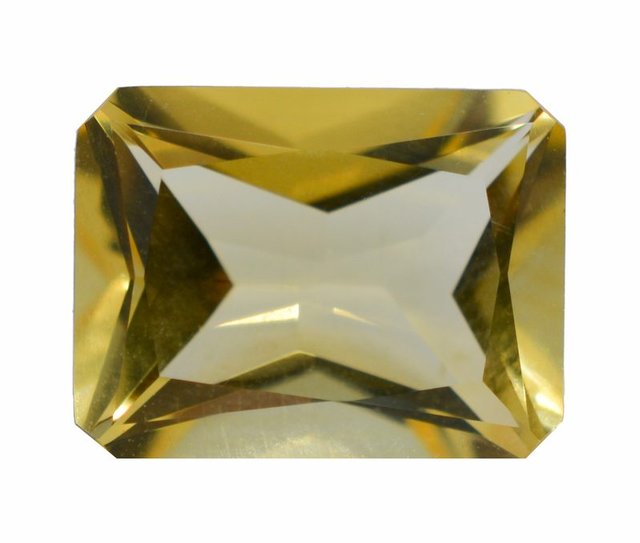
Citrine
Quartz | Mohs 7 | Fe3+ | often heat-treated amethyst
Citrine is the yellow to gold variety of quartz. Mohs 7. Natural citrine is rare and usually pale; most commercial material is heat-treated amethyst (heated to 400 to 500 C), which industry discloses. Major sources: Brazil, Madagascar, Spain.
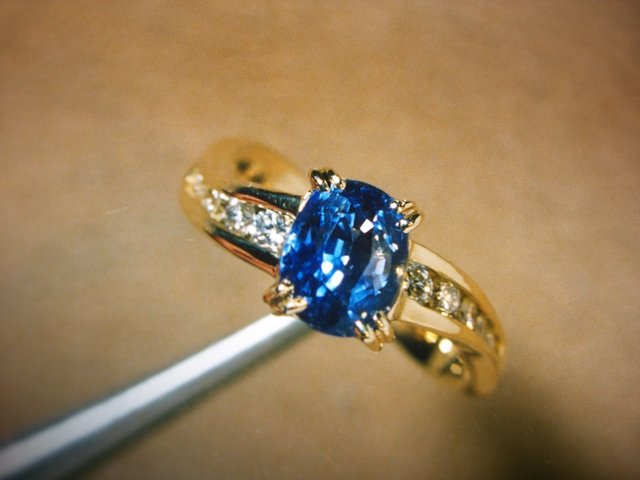
Yellow sapphire is corundum colored by iron. Mohs 9. Sri Lanka is the classical source; Madagascar and Tanzania are major modern suppliers. Often heat-treated to improve color.
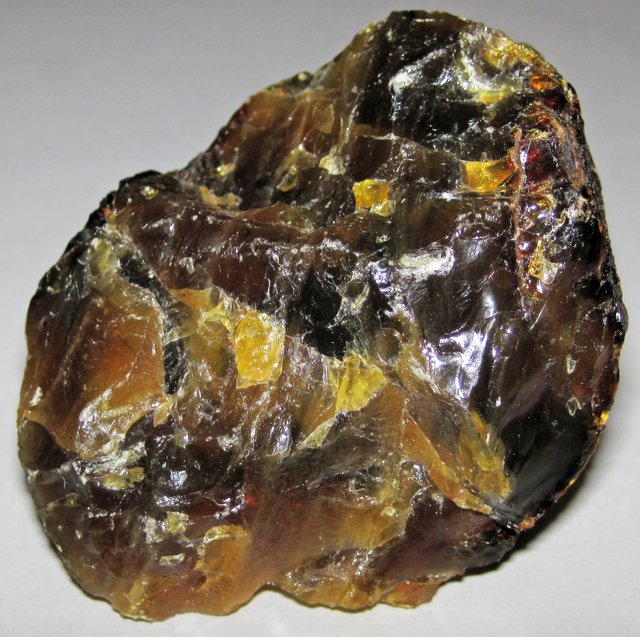
Amber is fossilized tree resin, typically 30 to 90 million years old. Mohs 2 to 2.5. Baltic (Russia and Poland) and Dominican sources dominate. Amber from Myanmar (“Burmite”) is Cretaceous in age and can contain remarkable insect inclusions.
Yellow diamond (fancy yellow) is colored by nitrogen impurities in the carbon lattice. Mohs 10. The brighter, more saturated “canary” yellow commands premium pricing.
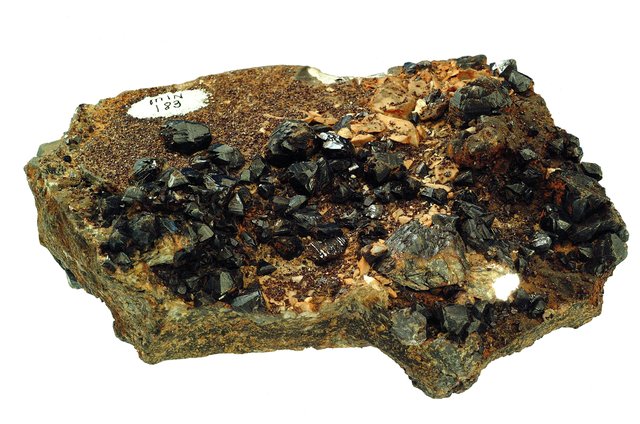
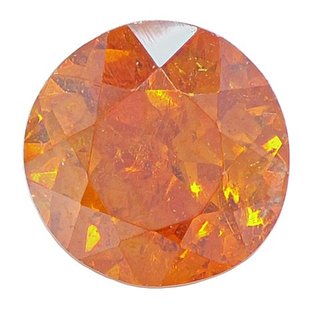
Sphalerite is zinc sulfide (ZnS). Very high dispersion (higher than diamond). Mohs 3.5 to 4; too soft for rings but spectacular in display faceted stones.
Yellow jasper is an opaque chalcedony colored by iron oxide. Mohs 6.5 to 7. Inexpensive, widely used in beaded jewelry.
S
12
Sulfur (sulphur)
Native sulfur is the elemental mineral S. Intensely yellow, Mohs 1.5 to 2.5. Too soft and brittle for jewelry; collector and specimen interest only.
Cultural history of yellow
Yellow has complex cultural valences. In imperial China, yellow silk was reserved for the emperor under penalty of law. In Buddhist tradition, saffron yellow robes mark monastic ordination. In medieval Europe, yellow acquired negative associations (Judas's robe, plague flags, cowardice), which persisted into the modern “yellow press” slur.
Yet yellow is also the universal color of warmth, sunshine, and taxi cabs worldwide.
Yellow gemstones by intent
For engagement rings: yellow sapphire (Mohs 9) or canary yellow diamond.
For birthstone jewelry: citrine (November alternate).
For daily wear: golden topaz pendants, heliodor earrings, yellow sapphire rings.
For collectors: natural unheated citrine, sphalerite (display only), Burmese amber with inclusions.
Buying notes and care
Citrine: most commercial is heat-treated amethyst; natural citrine is far rarer and paler.
Amber: dyed copal is commonly sold as amber; ask for UV fluorescence verification and confirm age.
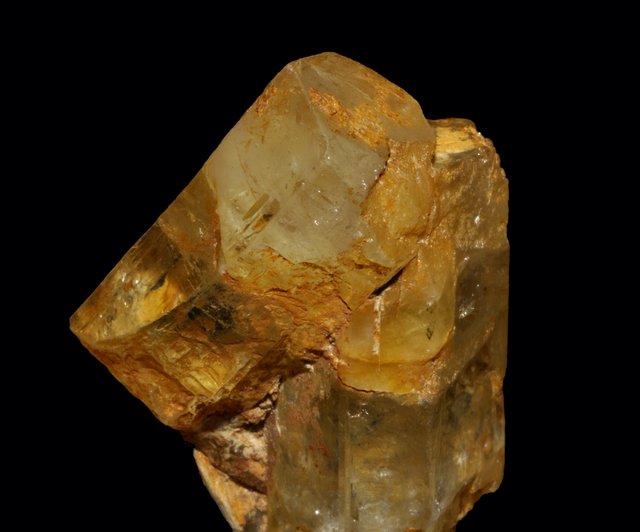
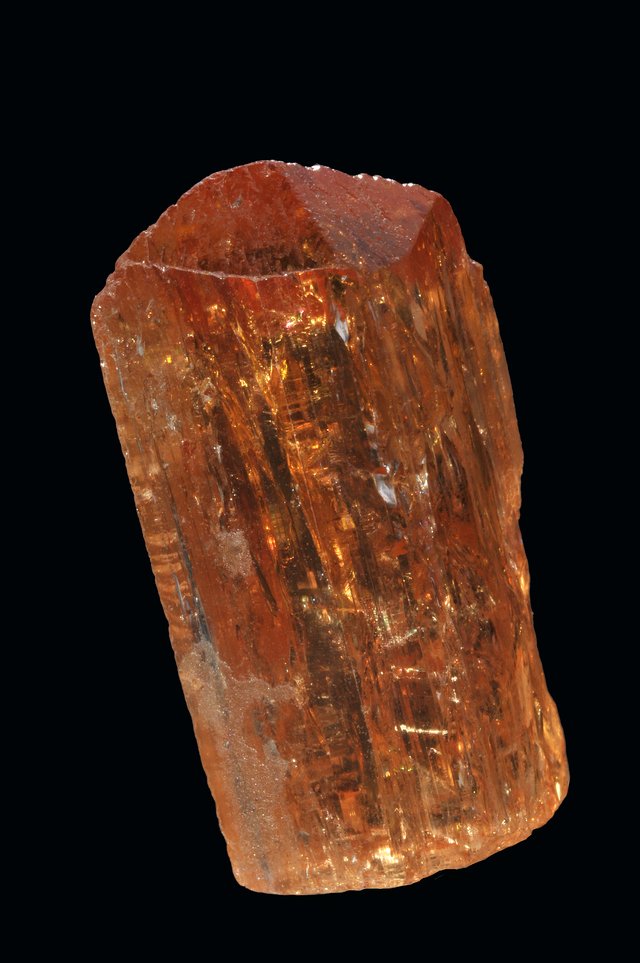
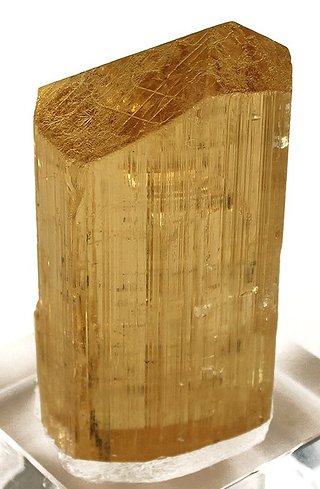
Golden topaz: perfect cleavage makes setting design critical.
Yellow diamond: disclose treatment (HPHT, irradiation) which can shift color; natural fancy yellow is more expensive.
Frequently asked questions
What is the most popular yellow gemstone?
Citrine is the most popular at the affordable end; yellow sapphire leads at fine-jewelry pricing.
Is most citrine really amethyst?
Yes. The large majority of commercial citrine is heat-treated amethyst, producing stable yellow to orange color. Natural citrine exists but is less common and usually paler.
Is amber a real gemstone?
Amber is a gem material (fossilized tree resin), not a mineral. It is classified as a gemstone by trade convention and has been used in jewelry for at least 13,000 years.
Why is some yellow diamond cheaper than others?
Color saturation drives the price. Pale yellow is considered lower grade than fancy yellow; fancy intense and fancy vivid are the top grades and command significant premiums.
What chakra is yellow linked to?
Crystal tradition pairs yellow with the solar plexus chakra. See our solar plexus chakra stones page for hedged practice notes.