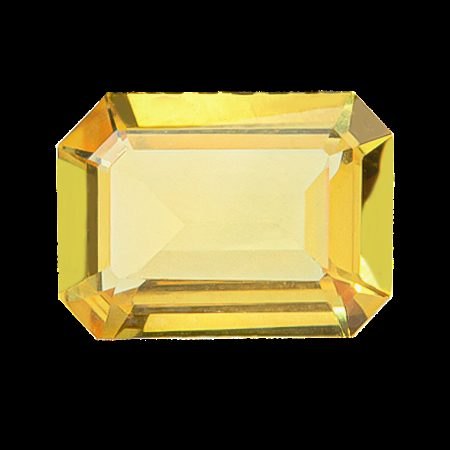
Yellow Sapphire
A Mohs 9 golden corundum, yellow sapphire is the Vedic Jupiter stone of wisdom, prosperity, and lasting marriage.
- Yellow sapphire is the primary gemstone of Jupiter in Vedic astrology, known as pukhraj.
- The finest Ceylon yellow sapphires show a bright canary-to-golden color without orange or green undertones.
- Yellow sapphire is harder than topaz and diamond only scratches it among natural gems.
- Most commercial yellow sapphire is heat-treated to intensify color, a stable and industry-accepted practice.
- Yellow sapphire and blue sapphire are the same mineral (corundum); the color changes with trace elements.
- Vedic astrology followers wearing pukhraj as a Jupiter planetary gemstone
- Buyers seeking a durable golden engagement or anniversary ring stone
- Collectors of Ceylon and Madagascar fine colored sapphire
- Practitioners working with solar plexus confidence and abundance
- Gift givers shopping for wedding, 45th anniversary, or graduation presents
What Is Yellow Sapphire?
Yellow sapphire is the golden color variety of corundum, the same mineral species as blue sapphire and ruby. It rates 9 on the Mohs hardness scale.
The yellow color comes from trace iron (and in rare cases from color-center defects induced by natural radiation). Shades range from pale lemon to rich golden canary to deep orange-yellow that approaches padparadscha territory.
At Mohs 9, yellow sapphire is the second hardest natural gem after diamond, making it among the most durable choices for daily jewelry, including engagement rings intended for constant wear.
The finest commercial yellow sapphire comes from Sri Lanka (Ceylon), which has been the primary source for over a thousand years and produces the bright transparent golden stones known in trade as Ceylon yellow. Madagascar, Thailand, Myanmar, Australia, and Tanzania all produce smaller quantities.
In Vedic astrology, yellow sapphire is pukhraj (also pushkaraj), the primary planetary gemstone of Brihaspati (Jupiter). Traditional Vedic practitioners prescribe it to strengthen Jupiter-related qualities in the birth chart, including wisdom, teaching ability, prosperity, and marital stability.
It is typically set in gold and worn on the index finger of the dominant hand. Yellow sapphire is one of the most prescribed planetary gemstones in Vedic practice, particularly in India and among the South Asian diaspora.
How Yellow Sapphire Compares
| Property | Yellow Sapphire | Citrine | Yellow Topaz |
|---|---|---|---|
| Hardness | 9 | 7 | 8 |
| Price / carat | $$$ Premium | $ Budget | $ Budget |
| Rarity | Rare (fine) | Common | Uncommon |
| Best For | Engagement, heirloom, Vedic | Daily-wear jewelry | Statement jewelry |
Meaning and Symbolism
Yellow sapphire has been valued in Indian, Sri Lankan, and Burmese culture for over two thousand years. The stone appears in classical Sanskrit gemstone literature (Garuda Purana and Ratnapariksha) as the primary planetary gemstone of Jupiter.
Sri Lankan royal regalia incorporated yellow sapphire since at least the first century CE, and Persian and Mughal courts prized Ceylon yellow stones as signs of noble wisdom. In Vedic astrology, yellow sapphire (pukhraj) is considered one of the most beneficial and broadly compatible planetary gemstones.
Unlike blue sapphire (neelam), which is considered strong and sometimes difficult, pukhraj is traditionally described as gentle and universally helpful for Jupiter-related intentions including prosperity, teaching, spiritual wisdom, and marital harmony. Many Vedic practitioners recommend pukhraj to unmarried women seeking good partnerships.
In crystal healing tradition outside Vedic astrology, yellow sapphire is associated with the solar plexus and crown chakras and with qualities of golden wisdom and abundant prosperity.
Practitioners describe it as a stone that supports sustained commitment, generous teaching, and long-term prosperity work. It pairs naturally with blue sapphire (corundum sibling) and with emerald (Mercury in Vedic sets) for comprehensive astrological wear.
Historical Timeline
Healing Tradition
Emotional
Practitioners believe yellow sapphire supports emotional confidence, abundance mindset, and mature commitment. In crystal healing tradition, it is often recommended for people navigating career-building phases, long-term relationship commitments, or teaching and mentoring roles.
Many readers wear yellow sapphire during sustained professional effort and describe the stone as a visual anchor for disciplined abundance work.
Practitioners pair yellow sapphire with rose quartz when the work involves relationship commitment, or with citrine for amplified abundance intention. Because its reputation is oriented toward sustained prosperity and wisdom rather than quick transformation, yellow sapphire is often described as a long-wear commitment stone rather than a short-session working stone.
Vedic practitioners wear pukhraj continuously after prescription from a Jyotishi, following specific rituals for first wearing and ongoing devotional practice.
Spiritual
Yellow sapphire is traditionally associated with the solar plexus and crown chakras and with Jupiter's expansive qualities of teaching, wisdom, and generous prosperity.
In Vedic astrology, pukhraj is considered one of the most beneficial planetary gems and is often prescribed for people seeking marriage, spiritual growth, or professional advancement. Many readers wear yellow sapphire during sustained spiritual practice, teaching seasons, or extended devotional work.
In Vedic tradition, the stone is set in gold (the metal of Jupiter) and worn on the index finger of the dominant hand after specific cleansing and mantra-charging rituals on a Thursday (Jupiter's day) during the bright half of the lunar month.
It pairs readily with clear quartz for amplified practice and with the other Navaratna planetary gemstones for full astrological wear.
Physical
Practitioners believe yellow sapphire supports what they describe as sustained vitality, healthy abundance, and general life-force balance. Vedic tradition associates pukhraj with liver and digestive health because the Sanskrit texts linked Jupiter with metabolism and the healthy body's golden-yellow constituents.
In modern crystal healing practice, yellow sapphire is most often worn as a ring or pendant during active life phases requiring stamina and endurance.
Many readers and Vedic practitioners wear yellow sapphire continuously for extended periods, and the stone is considered particularly appropriate for people in teaching, mentoring, or financial advisory roles. It is not a substitute for medical care, and practitioners frame its role as supportive alongside proper treatment.
Because yellow sapphire is Mohs 9 and chemically stable, it is one of the most practical daily-wear fine gems available.
Zodiac, Birthstone and Gifts
Yellow sapphire is strongly associated with Sagittarius and Pisces in Western astrology because both signs are traditionally ruled by Jupiter. Practitioners describe yellow sapphire as a natural ally for Sagittarius's philosophical teaching temperament and for Pisces's compassionate wisdom.
In Vedic astrology, pukhraj is prescribed based on the position of Jupiter in the birth chart rather than by sun sign alone. Consult a qualified Jyotishi for prescription, and follow traditional rituals for first wear (cleansing, mantra charging, wearing on a Thursday during the bright half of the lunar month).
Yellow sapphire is not on the formal US birthstone list but is often given as a meaningful gift for weddings, graduations, and major life milestones.
Care and Cleansing
Yellow sapphire is one of the easiest gems to maintain because of its Mohs 9 hardness and chemical inertness. Warm soapy water and a soft brush are safe for most stones.
Ultrasonic and steam cleaners are generally safe for untreated and heat-treated yellow sapphire but should be avoided for fracture-filled or beryllium-treated material because sudden thermal shock can reopen treated inclusions.
Moonlight cleansing is a gentle traditional method. Sunlight cleansing is also safe because yellow sapphire color is stable under UV exposure. Smoke cleansing with sage or palo santo and sound cleansing with a singing bowl are both effective.
Vedic first-wear cleansing traditionally uses panchamrita (milk, yogurt, ghee, honey, sugar) or simpler cow's milk and clean water, followed by drying and mantra charging.
For ongoing maintenance, many Vedic practitioners cleanse pukhraj weekly with simple water rinses and Jupiter mantra recitation. Because yellow sapphire is said in crystal healing tradition to carry its benefits slowly and steadily, many practitioners cleanse it only at major life transitions rather than on a frequent schedule.
- DO rinse yellow sapphire in warm soapy water and dry with a soft cloth.
- DO NOT use ultrasonic cleaners on fracture-filled or beryllium-treated stones.
- DO ask about treatment disclosure; heat is industry-accepted, beryllium and fracture-filling require lower pricing.
- DO store yellow sapphire separately from softer gems to prevent scratches to those stones.
- DO follow Vedic first-wear rituals if prescribed by a Jyotishi.
- DO preserve laboratory reports and purchase documentation.
- Note: Sri Lankan yellow sapphires with origin documentation command a premium; unheated stones carry an even larger premium.
Real vs Fake
Genuine yellow sapphire is heavy for its size (specific gravity around 4.0), hard enough to scratch glass easily, and shows subtle color zoning or silky rutile inclusions under magnification. A 10x loupe examination usually reveals tell-tale growth banding.
Common imitations include yellow glass (cold, lightweight, often gas bubbles), synthetic spinel (correct color but different refractive index), synthetic corundum (chemically identical but typically with curved growth lines), and yellow topaz (lower refractive index).
The most important distinction for buyers is natural versus lab-grown rather than natural versus fake. Both are genuine yellow sapphire, but the price difference is dramatic.
Tests that separate natural from lab-grown include straight angular zoning (natural) versus curved growth lines (lab-grown), natural inclusions such as silk, fingerprints, or crystal pockets (natural), and UV fluorescence patterns (differs by type).
For stones of significant value (especially Vedic astrology purchases), a report from a recognized gemological laboratory is essential. The lab confirms natural origin, identifies treatments (heat, beryllium diffusion, fracture filling), and may specify origin (Sri Lanka, Madagascar, Thailand).
Ceylon origin carries a significant premium. Vedic practitioners specifically seek unheated natural Ceylon yellow sapphires for planetary-gem wear because the tradition considers untreated material energetically superior, even though heated stones are still genuine sapphire.
Yellow Sapphire Jewelry & Gifts
Yellow sapphire is a premium gem with prices ranging from $200 per carat for commercial heated stones to over $3,000 per carat for top unheated Ceylon material.
Commercial heated yellow sapphires in 1-2 carat sizes typically run $300 to $800 per carat. Unheated Ceylon with fine color and eye-clean clarity commands $1,500 to $3,000 per carat. Large 5+ carat stones of fine color reach even higher prices. Heat treatment is nearly universal and industry-accepted when disclosed.
More invasive treatments, including beryllium diffusion (adds orange-yellow color chemically to the surface layer), fracture filling, and glass-lead composite, should always be disclosed and command significantly lower prices.
When buying, look at color in daylight and incandescent light to assess the full color range, examine under 10x loupe for inclusions and zoning, and insist on a laboratory report for stones over $1,500.
For Vedic astrology wear, consult a qualified Jyotishi for prescription and buy only unheated Ceylon material with laboratory confirmation.
For engagement rings and heirloom pieces, GIA, Mindat, and USGS, a reputable lab, or a reputable lab reports protect the investment and make future resale dramatically easier. Yellow sapphire is generally more available than fine blue sapphire in larger sizes, offering good value for buyers seeking substantial statement stones.
Where to Buy Yellow Sapphire
Affiliate disclosure: Some links below earn us a small commission at no extra cost to you. See our affiliate disclosure page.
Handmade, raw, and tumbled pieces from independent sellers worldwide.
Shop Yellow Sapphire on Etsy →Accessories, tools, and specimen sets with fast Prime delivery.
Shop Yellow Sapphire on Amazon →Certified loose gemstones graded and photographed for online buyers.
Shop Yellow Sapphire on GemSelect →Pairs Well With


Where Yellow Sapphire Is Found


