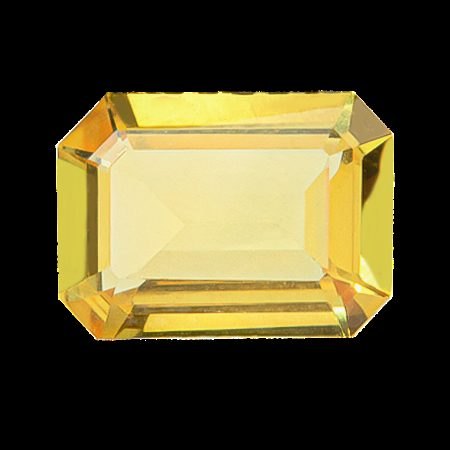
Padparadscha
Named for the lotus flower, padparadscha sapphire is the rare pink-orange gem that sits between.
- The word padparadscha comes from the Sinhalese padmaraga, literally lotus color.
- Top stones must show both pink and orange at once; a pure orange or pure pink sapphire is not padparadscha by lab standard.
- Some Madagascar padparadschas reportedly lose orange during heating, shifting to pink and losing the trade name.
- Beryllium-diffused padparadscha is a separate category in gem labs and trades at a substantial discount.
- A 20 carat Sri Lankan padparadscha sold at auction in the 21st century remains a benchmark sale for the variety.
- Engagement ring buyers who want a rare colored sapphire with exceptional durability
- Collectors drawn to the pink-orange “lotus” color not found in other species
- Shoppers looking for a prestige alternative to pink diamond
- Practitioners working with sacral warmth balanced by heart-chakra softness
- Heirloom buyers who want a stone with strong Sri Lankan provenance
- Budget shoppers under $1,000 per carat (consider peach morganite or spinel)
- Buyers who dislike standard heat treatment disclosure
- Shoppers who want saturated pure pink or pure orange (try pink sapphire or mandarin garnet)
What Is Padparadscha?
Padparadscha is a rare color variety of corundum, the same mineral species as ruby and sapphire. The name comes from the Sinhalese word for aquatic lotus blossom, and the stone is traditionally described as holding the color of a sunrise lotus, a delicate blend of pink and orange in a single hue.
In trade usage, a stone must display both pink and orange components at the same time to qualify; pure pink or pure orange sapphires are not padparadscha even if they come from Sri Lanka.
Corundum is aluminum oxide, Al₂O₃, and its color in padparadscha is produced by trace chromium (for pink) together with trace iron and color centers (for orange). Most natural padparadscha forms in metamorphic and alluvial deposits, historically in Sri Lanka's Ratnapura gem fields and more recently in Ilakaka, Madagascar.
The Tanzanian Songea and Tunduru fields also produce stones that sometimes qualify, though color debates among labs are common.
Hardness is 9 on the Mohs scale, the same as ruby and blue sapphire, which makes padparadscha an excellent choice for daily-wear jewelry including engagement rings. The IMA symbol for corundum is Crn.
Most padparadschas on the market are heat-treated to improve color; a smaller share is stable after lattice-diffusion or beryllium treatment, which is considered a separate category by major gem laboratories and must be disclosed.
How Padparadscha Compares
| Property | Padparadscha | Pink Sapphire | Morganite |
|---|---|---|---|
| Hardness | 9 | 9 | 7.5 - 8 |
| Price / carat | $$$$ Luxury | $$$ Premium | $$ Mid-range |
| Rarity | Rare | Moderate | Common |
| Best For | Heirloom, engagement | Daily wear | Affordable peach hue |
Meaning and Symbolism
Padparadscha's meaning is shaped first by Sri Lankan language and landscape. The lotus, the visual source of the stone's name, carries deep associations across South Asian Buddhist and Hindu thought with emergence from water, purity of intent, and the turning of the sun.
Generations of gem traders in Ratnapura have used padparadscha as a symbol of the island's best stones, and the trade name itself has traveled into Western gemology largely intact.
In modern crystal tradition, practitioners often describe padparadscha as a bridge stone between warmth and tenderness. Because it combines pink and orange, it is traditionally associated with the sacral and heart chakras, with many practitioners believing it supports creative confidence while keeping the heart soft.
The stone has become a popular choice among modern couples for engagement and anniversary jewelry, partly because it feels both rare and romantic without leaning on diamond conventions.
Padparadscha sits in a narrow corner of gem history compared with ruby or blue sapphire, but its Sri Lankan roots and lotus symbolism have given it a coherent story.
Crystal writers in the late twentieth century adopted the stone as one of gentle vitality, and its role in high-profile celebrity engagement rings in recent decades has further fixed the meaning: a quiet, confident beauty that emerges from still water, the way the lotus does.
Historical Timeline
Healing Tradition
Emotional
Practitioners believe padparadscha is a stone of warm optimism balanced by tenderness. In crystal healing tradition, it is said to support a wearer who is rebuilding confidence after a setback, especially in creative work, intimate relationships, or self-image.
Many find the stone encouraging during artistic projects, dating seasons after long pauses, or moments of returning to a craft left behind. Padparadscha is traditionally paired with rose quartz when softness of heart is the main aim, with carnelian when sacral fire needs a lift.
With clear quartz when a practitioner wants to hold an intention steadily without rushing it.
Because the stone sits between pink and orange, many find it useful when the work involves holding two feelings at once, such as care for oneself alongside care for another, or excitement alongside gentleness.
Spiritual
In crystal healing tradition, padparadscha is said to link the sacral and heart chakras, letting creative life-force move outward without losing emotional warmth. Practitioners believe this makes the stone especially fitting for those in creative vocations, caregiving roles, or spiritual paths that balance devotion with action.
Many find padparadscha a gentle companion in morning meditation, when the day's intentions are still taking shape, and some practitioners traditionally wear it for rites of commitment, such as engagements, renewals, or vocational dedications.
Because the stone is associated with the lotus, it has picked up contemporary symbolism around emergence: many readers choose padparadscha as a personal talisman when a long inner season of preparation is finally giving way to action.
Physical
Practitioners believe padparadscha supports what they describe as gentle warmth in the lower belly and chest, and in crystal tradition the stone is sometimes associated with creativity, reproductive health, and steady vitality. Folklore around corundum generally emphasizes endurance and clear vision, and padparadscha inherits those associations while adding the softer pink component.
Many find wearing a padparadscha pendant near the heart comforting during tender weeks, creative recoveries, or long projects that ask for patience. Padparadscha is not a substitute for medical care, and practitioners frame its role as supportive rather than curative.
For readers working with fertility concerns, chronic fatigue, or postpartum recovery, crystal healing tradition suggests gentle, intermittent use and continued attention to qualified medical guidance.
Zodiac, Birthstone and Gifts
Padparadscha sits inside the sapphire family, which is the traditional September birthstone, so Virgos born in the earlier half of the month sometimes choose it in place of classic blue sapphire. Libras, often described in astrology as drawn to beauty and balance, are another common match for the pink-orange blend.
Modern astrology associates padparadscha with Venus for tenderness and with the Sun for warmth, and practitioners sometimes suggest it to readers whose charts emphasize creativity, partnership, or public-facing work.
The stone has no formal Vedic assignment as padparadscha; Vedic tradition treats all corundum under the umbrellas of ruby (manik) and blue sapphire (neelam), with padparadscha usually read as a rare ruby-side stone.
Care and Cleansing
Padparadscha is one of the easier sapphires to care for. A soft brush with lukewarm soapy water removes skin oils and cosmetics, and a brief rinse is safe for unset stones.
Heat-treated padparadscha is stable under ultrasonic and steam cleaning in most cases, but beryllium-diffused and fracture-filled stones should not be cleaned ultrasonically because the surface layer or filler can be compromised. When in doubt, a hand wash is always the safe choice.
Sunlight cleansing is traditionally recommended because the stone is color-stable, and a thirty-minute morning bath is sufficient. Moonlight, smoke cleansing with palo santo or sage, and sound cleansing with a singing bowl are all considered safe.
Dry salt placement is acceptable, but saltwater soaks are avoided because of the risk to metal settings. Many practitioners recharge padparadscha overnight on a clear quartz cluster or selenite slab between uses.
- DO rinse padparadscha in lukewarm soapy water and dry with a soft cloth after long wear.
- DO NOT ultrasonic-clean beryllium-diffused or fracture-filled padparadscha.
- DO store padparadscha separately so it does not scratch softer gems like pearls and opals.
- DO NOT soak set stones for long periods; prolonged soaking can loosen older adhesives.
- DO remove padparadscha rings before heavy housework despite the Mohs 9 hardness.
- DO ask for disclosure of heat treatment and any diffusion or filling at the point of sale.
- Note: for any padparadscha above one carat, a reputable lab report confirming color grade and treatment is standard.
Real vs Fake
Genuine padparadscha is distinguished first by color: a simultaneous pink and orange in the stone, traditionally described as the color of a lotus blossom at sunrise.
Imitations and misrepresented stones commonly include pure pink sapphire, pure orange sapphire, peach morganite, peach topaz, and certain synthetic corundums grown in colors that mimic the padparadscha range. Morganite and topaz are softer than corundum and show different refractive behavior under a gemological refractometer.
The definitive check is a report from a reputable gem laboratory. An independent gemological lab, a reputable lab, a reputable lab, and a reputable lab each have their own color boundaries for padparadscha, but all will confirm species (corundum), origin where possible, and any treatment such as heat or beryllium diffusion.
For any stone above one carat or priced above approximately $2,000 per carat, a recent lab report is considered essential by most buyers.
Practical at-home clues include color behavior under different light sources (genuine padparadscha holds its pink-orange balance well in daylight and slightly more orange under incandescent light), visible natural inclusions such as rutile silk or fingerprints under 10x magnification, and the heft of a corundum specific gravity.
Beware of stones sold as padparadscha with unusually saturated, uniform color and no inclusions at prices far below market; such stones are often synthetic flame-fusion or beryllium-diffused material that should not command the padparadscha premium.
Padparadscha Jewelry & Gifts
Padparadscha pricing depends first on color and second on origin, clarity, and size. Small heated stones from Madagascar or Tanzania with acceptable pink-orange balance start around $1,000 to $2,000 per carat.
Classic Sri Lankan stones with ideal color typically run $4,000 to $10,000 per carat in one to two carat sizes, and top unheated Sri Lankan padparadschas above three carats can exceed $20,000 per carat at auction. Beryllium-diffused stones form a separate price tier well below natural heated material.
Heat treatment is standard and accepted when disclosed, and it does not require a steep discount relative to untreated stones of similar color. Beryllium diffusion (lattice diffusion) adds or shifts color and is considered a lower-value category.
Major labs flag it in reports and trustworthy dealers disclose it at the point of sale.
For engagement or heirloom purchases, ask for a recent report from an independent gemological lab, a reputable lab, a reputable lab, or a reputable lab confirming species, color grade, treatment, and, where possible, country of origin.
Where to Buy Padparadscha
Affiliate disclosure: Some links below earn us a small commission at no extra cost to you. See our affiliate disclosure page.
Handmade, raw, and tumbled pieces from independent sellers worldwide.
Shop Padparadscha on Etsy →Accessories, tools, and specimen sets with fast Prime delivery.
Shop Padparadscha on Amazon →Certified loose gemstones graded and photographed for online buyers.
Shop Padparadscha on GemSelect →Pairs Well With




Where Padparadscha Is Found


