Your first 10 stones
The following 10 stones show up on nearly every “beginner kit” list for good reason: they span color, hardness, and traditional function, they are affordable, and they are widely available without ethical sourcing concerns.
Beginner crystal essentials

Clear Quartz

Rose Quartz

Amethyst
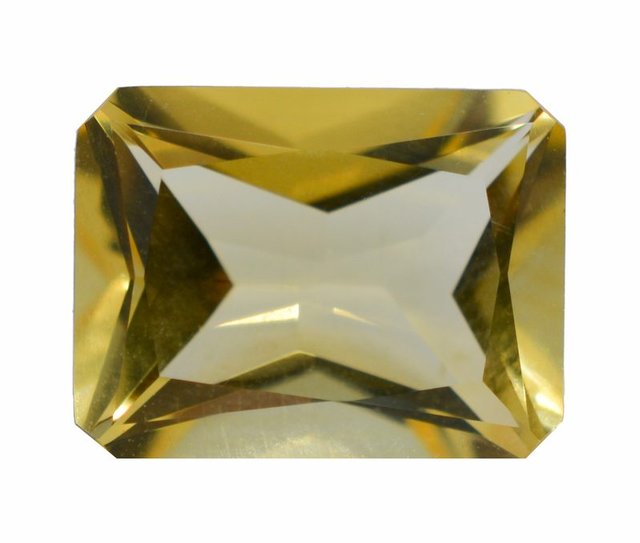
Citrine

Black Tourmaline

Smoky Quartz

Green Aventurine

Tigers Eye

Carnelian

Selenite

Start here. Clear quartz is the universal amplifier in crystal tradition and is durable (Mohs 7), common, and inexpensive. A single point or small cluster is enough.

The heart stone. Soft pink, Mohs 7, widely available as tumbles or palm stones.

The meditation stone. Purple, Mohs 7. A small cluster is both attractive on a shelf and practical for meditation practice.
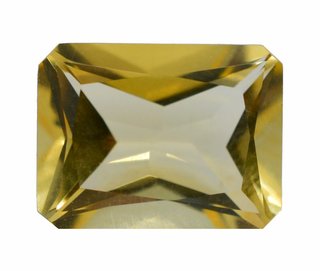
The abundance / solar plexus stone. Yellow-gold, Mohs 7. Note that most commercial citrine is heat-treated amethyst; this is fine for practice use but should be disclosed by the seller.

The protection stone. Black schorl, Mohs 7. An inexpensive staple of starter kits.

Grounding. Brown-gray quartz, Mohs 7. Pairs well with black tourmaline for grounding work.

Heart, growth, opportunity. Green quartz with subtle shimmer, Mohs 7. The most common “lucky stone” in modern crystal kits.

Focus and courage. Golden-brown chatoyant quartz, Mohs 7. Durable for daily carry.

Creativity and sacral warmth. Orange-red chalcedony, Mohs 6.5 to 7.
10
Selenite
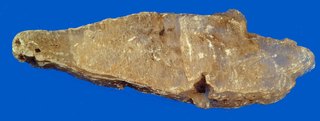
Cleansing. Transparent gypsum, Mohs 2, water-soluble. A selenite plate or wand is used to cleanse other stones, which is why it earns a spot in the first 10 despite its softness.
How to buy your first crystals
How to store your collection
- Keep soft stones (selenite, fluorite, calcite, lepidolite) separated from harder stones. Mohs hardness difference will scratch the softer.
- Keep light-sensitive stones (amethyst, rose quartz, kunzite, fluorite) out of direct sunlight. A closed drawer or velvet-lined box works well.
- Store selenite and other water-soluble stones in a dry place.
- Consider a small compartmented jewelry tray for tumbled stones, or individual muslin pouches.
- Label if you are new. The difference between smoky quartz and obsidian is obvious with practice; unlabeled beginner collections can get confusing.
The 5 practices that work
- Cleansing. Choose a method that suits each stone (see our cleanse-and-charge guide). Aim for weekly cleansing of active-practice stones.
- Intention-setting. Hold the stone, name a specific intention, and place it where the work happens. Specific beats vague every time.
- Meditation. Lie or sit quietly with the stone on the body or in the hand for 5 to 10 minutes. Start short; lengthen with comfort.
- Carrying. A pocket or pouch carry gives a tactile reminder throughout the day. Choose one stone rather than five.
- Journaling. Write a single line each time you use a stone: what you noticed, what shifted, what did not. Over weeks this builds a personal sense of which stones matter for you.
What crystals are not
- Not medicine. Do not substitute a crystal for a prescription, a therapy session, or a trip to urgent care.
- Not investments. Most beginner stones are inexpensive; do not buy crystals as wealth stores.
- Not guaranteed. No crystal guarantees outcomes. Crystal practice is a ritual, not a mechanism.
- Not universal. What works for one practitioner may not work for you. Trust your own experience over any single source, including this one.
What makes a “good” beginner crystal?
- Durable enough for daily handling (Mohs 6+ preferred for tumbles)
- Affordable (so you can experiment without financial pressure)
- Ethically and clearly sourced (ask your seller)
- Visually appealing to you personally (aesthetic resonance matters)
- Easy to identify so you do not lose track of what is what
Frequently asked questions
How much should I spend on my first crystal?
For beginner tumbled stones, $2 to $15 each is typical. A full starter set of 10 essentials should run $50 to $150 at a reputable shop. You do not need to spend more for practice to work.
How do I choose which stone to buy first?
Two approaches: buy what you are visually drawn to (aesthetic resonance is a legitimate signal), or start with clear quartz and rose quartz as universal companions. Both methods work.
Do I need to cleanse new crystals?
Yes. Most crystal writing agrees that new stones should be cleansed before first use to clear the energy of shipping, handling, and the shop. See our cleanse and charge guide for methods.
Can I use the same stone for multiple purposes?
Yes, though practitioners recommend one primary intention at a time. You can retire a stone from one intention and set a new one after cleansing.
What if I do not feel anything when I hold a crystal?
That is completely normal for many people. Practice can still work as attentional ritual without sensory effects. Some practitioners never feel dramatic energy; they experience the stones as focus aids. Do not force the experience.