
Green Aventurine
Born in metamorphic quartzite sparkling with green fuchsite mica, aventurine is the classic lucky stone of heart-centered opportunity.
- Green aventurine's name comes from Italian a ventura meaning by chance, after accidentally created Venetian glass.
- The sparkle in aventurine is called aventurescence, caused by green fuchsite mica inclusions.
- Green aventurine is widely called the gambler's stone or stone of opportunity.
- India's Karnataka state supplies the majority of commercial tumbled green aventurine globally.
- Aventurine also occurs in blue, red, yellow, brown, and orange colors from different mica varieties.
- Practitioners wanting an affordable heart chakra and prosperity stone
- Readers seeking a lucky talisman for job interviews, lotteries, and games
- Crystal workers pairing aventurine with citrine for abundance grids
- Gift buyers for graduations, new ventures, and opportunity milestones
- Collectors of sparkling fuchsite-rich specimens from Indian deposits
- Buyers wanting saturated emerald-green (try emerald or tsavorite)
- Readers preferring faceted transparent stones (aventurine is cabochon material)
- Shoppers expecting a premium investment gem (aventurine is budget-tier)
What Is Green Aventurine?
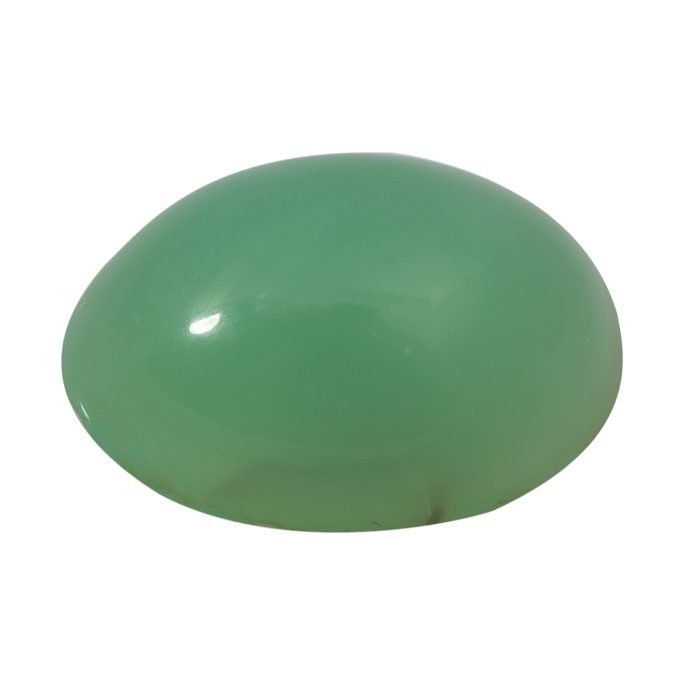
Green aventurine is a quartz variety containing green fuchsite mica inclusions that produce the characteristic sparkle and color. The green color comes from chromium-bearing fuchsite flakes suspended within the quartz matrix. It rates 6.5 - 7 on the Mohs hardness scale.
The name comes from the Italian a ventura, meaning by chance, after the accidental discovery of similar Venetian glass in the 1700s. At Mohs 6.5 to 7, green aventurine has the durability of regular quartz and is suitable for daily-wear jewelry in various forms.
The stone is most often cut as cabochons, tumbled stones, beads, and small carvings rather than faceted gems. Its refractive index is that of quartz (1.544 to 1.553), and specific gravity is similar (2.64 to 2.69).
The fuchsite inclusions create a shimmering effect called aventurescence, distinct from the way metallic inclusions in sunstone create schiller.
Major sources include India (notably Karnataka, where green aventurine is abundant), Brazil, Russia, and Tanzania. Indian aventurine is the global workhorse source and supplies most commercial tumbled stones, beads, and small carvings.
The stone also occurs in other colors (blue, red, yellow, brown, orange) when different mica minerals are present, but green aventurine is by far the most commercially prominent variety.
How Green Aventurine Compares
| Property | Green Aventurine | Jade | Emerald |
|---|---|---|---|
| Hardness | 6.5 - 7 | 6 - 7 | 7.5 - 8 |
| Price / carat | — | $ Budget | $$$ Premium |
| Rarity | Very Common | Moderate to rare | Rare |
| Best For | Beads, tumbles, luck work | Carved figurines, heirloom | Fine jewelry |
Meaning and Symbolism
Green aventurine has been used in jewelry, carvings, and decorative objects for over 2,500 years. Ancient Chinese and Tibetan artisans carved aventurine into amulets and statuettes, and the stone appears in historical Silk Road trade records.
Its modern reputation as a lucky stone developed in European crystal healing tradition over the past century.
Green aventurine is often called the gambler's stone or stone of opportunity in modern crystal practice. Practitioners suggest carrying a piece during lotteries, job interviews, business pitches, or any situation involving favorable chance.
The association draws on the stone's name (by chance) and the widespread symbolism of green as the color of growth and opportunity. Its pairing with citrine is standard in abundance work.
In modern crystal healing tradition, green aventurine is also associated with heart-chakra balance, particularly for readers recovering from heartbreak or relationship patterns. Practitioners often recommend it as a stone of emotional calm after loss, with the green color linked to renewal and steady heart rhythm.
Green aventurine's broad availability and affordability have made it a staple of modern crystal practice, with many starter kits including at least one tumbled piece.
Historical Timeline
Healing Tradition
Emotional
Practitioners believe green aventurine is a stone of heart-centered opportunity, traditionally associated with calm emotional recovery, fresh starts, and optimism about what is next. In crystal healing tradition, it is said to support readers who have experienced heartbreak, career setbacks, or prolonged difficult seasons and now need to look forward.
Many readers carry a small green aventurine during job interviews, negotiations, or significant conversations. Practitioners often pair green aventurine with citrine for prosperity grids and with rose quartz for heart-recovery work.
Crystal workers frequently describe green aventurine as a gentle, steady presence rather than a dramatic energy shifter, which suits readers seeking quiet confidence rather than forced optimism.
Its affordability has also made green aventurine a popular gift for graduations, new jobs, and milestone moments, with the symbolic meaning often as valuable as the material itself.
Spiritual
In crystal healing tradition, green aventurine is linked with the heart chakra, placing it alongside rose quartz, emerald, and jade in heart-centered work. The green color is read as symbolic of growth, renewal, and steady life force.
Many readers use green aventurine in abundance and opportunity intention grids, often at the center with clear quartz points amplifying the intention.
Practitioners often describe green aventurine as a prosperity stone alongside citrine and pyrite. The classic money grid includes these three stones, and many readers keep a small green aventurine in a wallet or cash drawer as a symbolic abundance anchor.
The stone's by chance name also connects it to intuitive spontaneity, with crystal workers suggesting green aventurine for readers wanting to welcome unexpected positive opportunities rather than tightly plan every outcome.
Physical
Practitioners believe green aventurine is traditionally associated with heart muscle health, circulation, and what they describe as overall body vitality. Folklore links the stone with recovery from cardiovascular stress, steady blood pressure, and general physical balance, framed as supportive accompaniment rather than medical intervention.
Many readers wear green aventurine pendants or bracelets during physical recovery periods or demanding work seasons. The stone is not a substitute for healthcare and practitioners are consistent in describing its role as accompanying rather than treating.
Some crystal workers suggest green aventurine for people working through stress-related physical symptoms, often paired with amethyst for calm. Because green aventurine is chemically stable quartz, it is tolerated in direct gem elixirs and other direct-contact practices.
Zodiac, Birthstone and Gifts
Green aventurine is not a traditional birthstone, but modern astrologers often associate it with Taurus for Venus and material growth, Libra for harmony and beauty, and Cancer for heart-centered nurturing.
For Taurus readers pursuing prosperity work, green aventurine is often recommended as a wallet or cash-drawer stone. Libra readers drawn to balance and relational harmony find green aventurine supportive for heart-chakra work. Cancer readers navigating emotional transitions appreciate the stone's calming renewal symbolism.
Practitioners pair green aventurine with citrine in zodiac prosperity kits.
Care and Cleansing
Green aventurine is one of the easiest stones to maintain. Lukewarm running water is safe for natural tumbled and cabochon material, and a soft brush with mild soap handles set jewelry without risk. Avoid prolonged saltwater soaking of set pieces because of metal mounting concerns.
Ultrasonic cleaners are generally safe on unfractured aventurine but should be avoided on heavily included specimens.
Moonlight, sound cleansing with a singing bowl, and smoke cleansing with palo santo or sage are all traditional and safe. Dry salt cleansing for a few hours is acceptable. Many practitioners rest green aventurine on selenite plates overnight as a gentle energetic reset method.
Sunlight should be limited because prolonged UV exposure can slowly lighten the green color over extended periods. Brief sun bathing is tolerated and sometimes described as recharging. Long-term storage in sunny windows is not recommended, particularly for darker saturated specimens that are prized for their color intensity.
- DO rinse green aventurine in lukewarm water and dry with a soft cloth.
- DO NOT leave green aventurine in direct sunlight for extended periods.
- DO store green aventurine separately to avoid scratches from harder stones.
- DO NOT use ultrasonic cleaners on heavily included or fracture-filled pieces.
- DO carry a small green aventurine in a wallet or pocket as a luck talisman.
- DO remove green aventurine jewelry before heavy housework or sports.
- Note: green aventurine color intensity varies by fuchsite content; darker stones are prized.
Real vs Fake
Genuine green aventurine shows characteristic sparkle from fuchsite mica flakes visible under magnification or good light. The stone is translucent to opaque with irregular fuchsite distribution, and the color varies from pale green to rich emerald-green based on fuchsite content.
Refractive index of 1.544 to 1.553 and specific gravity of 2.64 to 2.69 confirm quartz identification.
Common imitations include green glass with imbedded metallic flakes (called goldstone when copper is used), dyed quartz, and aventurine-pattern imitation resin. Glass often shows too-uniform sparkle and gas bubbles under magnification. Dyed quartz may reveal color concentrations where the dye pooled.
Aventurine glass (the original Italian a ventura material) is sometimes sold as natural aventurine. Glass lacks the irregular organic fuchsite pattern and feels warmer than genuine stone. For significant cabochon purchases, a lab identification confirms natural origin. Reputable sellers disclose whether material is natural green aventurine or an imitation composite.
Green Aventurine Jewelry & Gifts
Green aventurine is among the most affordable stones in the market. Tumbled pieces typically cost $1 to $5 each. Bead strands run $10 to $30.
Cabochons for jewelry sit at $3 to $20. Carved palm stones, hearts, and larger pieces range from $10 to $100 depending on size and color saturation. Collector-grade specimens with vivid emerald-green saturation and well-distributed fuchsite sparkle command modest premiums but remain in budget tier.
Treatment is generally not applied to genuine green aventurine because the natural color is commercially acceptable. Some cheap commercial material may be color-stabilized with surface coating, which should be disclosed.
For jewelry, favor cabochons with vivid green color and good sparkle from fuchsite inclusions, and use protective bezel settings for rings. Ask reputable sellers whether material is natural aventurine or aventurine glass (goldstone-style imitation).
Where to Buy Green Aventurine
Affiliate disclosure: Some links below earn us a small commission at no extra cost to you. See our affiliate disclosure page.
Handmade, raw, and tumbled pieces from independent sellers worldwide.
Shop Green Aventurine on Etsy →Accessories, tools, and specimen sets with fast Prime delivery.
Shop Green Aventurine on Amazon →Certified loose gemstones graded and photographed for online buyers.
Shop Green Aventurine on GemSelect →Pairs Well With




Where Green Aventurine Is Found


