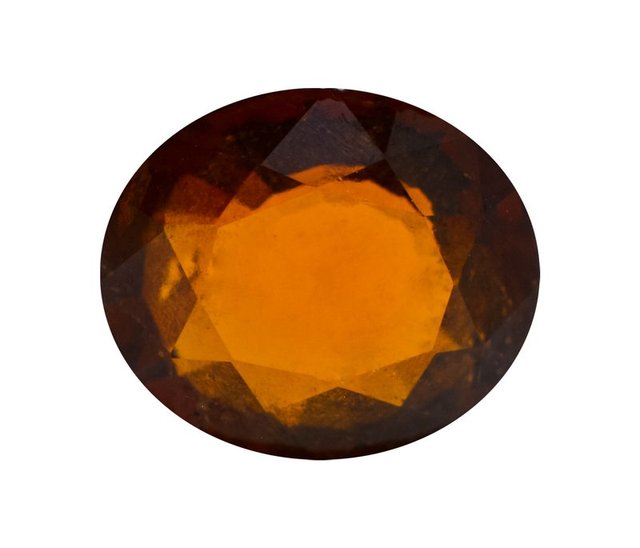
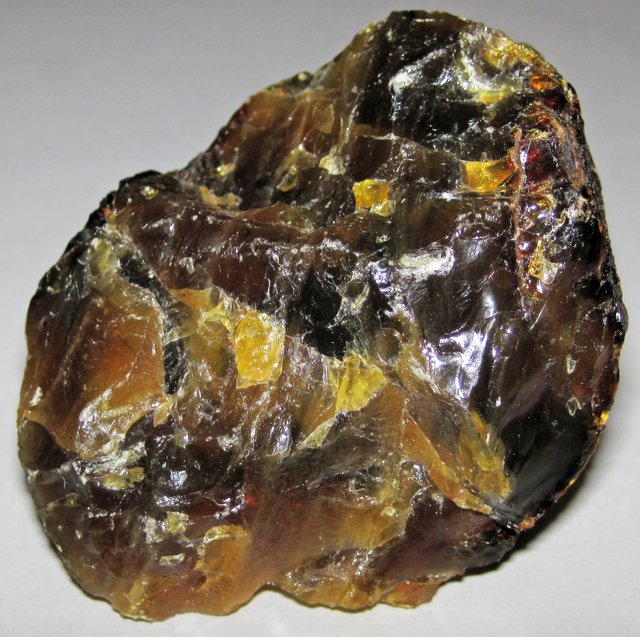
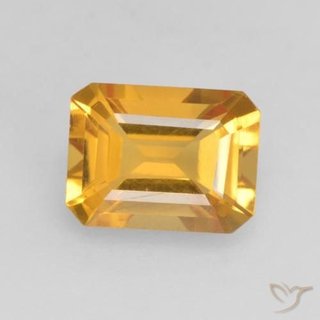
Orange gemstones sit between red and yellow, and their optics reflect that middle-band complexity. Iron is a common orange chromophore (carnelian, fire opal, spessartine garnet). Manganese drives the mandarin and spessartine oranges. Chromium-plus-iron produces padparadscha sapphire's coveted pinkish orange.
In this guide, we cover the 12 most important orange gemstones, the optics and mineralogy involved, and the cultural history of orange, from Buddhist saffron robes to safety-vest high-visibility orange and Hermes branding.
Most orange in gemstones comes from iron or manganese. Carnelian is iron oxide in chalcedony. Spessartine garnet is manganese-aluminum silicate; its color is intrinsic. Fire opal is hydrated silica with iron oxide coloring.
Mandarin garnet is spessartine with particularly vivid manganese saturation. Padparadscha sapphire's orange-pink is a chromium-iron mix that meets specific gemological color-reference criteria.
Carnelian is the orange-red chalcedony variety. Mohs 6.5 to 7. Used since antiquity in Egyptian amulets, Roman signet rings, and Persian cylinder seals. Some commercial material is heat-treated to intensify color.
Spessartine (Mn3Al2(SiO4)3) is the manganese-aluminum garnet. Mohs 7 to 7.5. Mandarin-orange material from Namibia (starting 1991) and Tanzania produced some of the most vivid garnets ever mined.
Fire opal is a transparent to translucent orange opal. Mexico is the historical source (mainly from Queretaro). Mohs 5.5 to 6.5. Generally lacks the play-of-color of precious opal.
Padparadscha is the pink-orange sapphire variety, named from the Sinhalese word for lotus blossom. Sri Lanka is the classical source; Madagascar produces similar material. Mohs 9. One of the most expensive colored sapphires.
Mexican fire opal is a specific variety of fire opal, usually more transparent and vivid orange than other fire opals. Mohs 5.5 to 6.5. Highland Queretaro deposits dominate.
O
6
Orange tourmaline
Orange tourmaline is a less common variety within the elbaite silicate group. Mohs 7 to 7.5.
Sunstone is a plagioclase feldspar with copper or hematite flecks that produce aventurescence. Mohs 6 to 6.5. Oregon sunstone is a US-origin option with minimal treatment.
Orange calcite is calcium carbonate with iron or manganese impurities. Mohs 3. Display and crystal-practice use only; too soft for jewelry.
Cultural history of orange
Orange carries strong religious symbolism in Buddhism (saffron monastic robes, signaling renunciation), Hinduism (a color of Agni, fire deity), and the Dutch royal House of Orange-Nassau (the color of the Netherlands national football team). In modern Western safety coding, orange is used for high-visibility construction and corrections uniforms.
The Hermes brand built one of the most recognizable color identities in luxury around its specific orange box.
Orange gemstones by intent
For engagement rings: padparadscha sapphire (Mohs 9), spessartine or mandarin garnet (Mohs 7+).
For daily jewelry: carnelian pendants, sunstone rings, orange tourmaline earrings.
For amulets: carnelian (ancient Egyptian tradition), amber (Baltic tradition).
For collectors: Namibian mandarin garnet, Mexican fire opal, Oregon sunstone.
Buying notes and care
Padparadscha: high treatment and origin transparency matters; certified stones command premium pricing.
Fire opal: stable hydration is important; avoid dry environments.
Carnelian: some is heat-treated; the color is stable.
Amber: dyed copal imitates amber; UV fluorescence and density tests help confirm authenticity.
Frequently asked questions
What is the rarest orange gemstone?
Padparadscha sapphire is widely considered the rarest commercial orange gem, with strict color-reference criteria for the trade name.
Is spessartine garnet the same as hessonite?
No. Spessartine is Mn3Al2(SiO4)3 and typically more saturated orange. Hessonite is a grossular garnet variety with iron and manganese tinting, typically warmer honey-orange.
Why is fire opal called “fire”?
Because of its intense orange to red body color, resembling flame. This is distinct from the “fire” (play-of-color) in precious opal.
Can I wet fire opal?
Mexican fire opal is relatively stable against moisture change. Avoid prolonged soaking and sudden temperature changes. Ethiopian hydrophane opal absorbs water readily and should not be submerged.
What chakra is orange linked to?
Crystal tradition pairs orange with the sacral chakra. See our sacral chakra stones page for hedged practice notes.