Spessartine
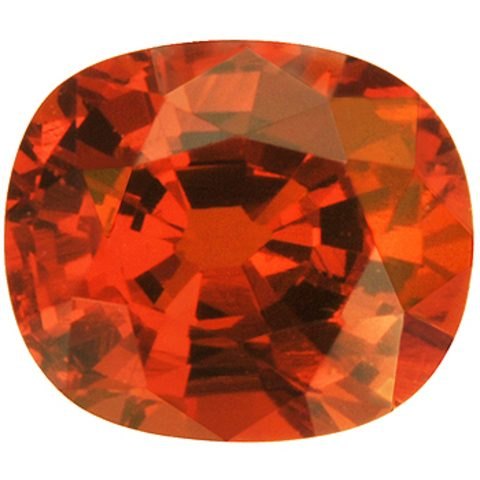
The vivid orange manganese garnet sometimes called mandarin or fanta garnet, spessartine is a creative spark stone of the sacral chakra.
- Spessartine is named for the Spessart Mountains of Bavaria, Germany, where it was first scientifically described.
- Bright Namibian spessartine is marketed as mandarin garnet or fanta garnet for its vivid pure orange color.
- Most red garnets in the trade are blends; pure spessartine is rare and produces electric orange brilliance.
- Spessartine has a higher refractive index than almandine, giving faceted stones extra brilliance and dispersion.
- The 1991 discovery of Namibian mandarin spessartine made the once-obscure species a designer favorite overnight.
- January birthstone seekers wanting a vivid orange instead of red
- Practitioners working with sacral chakra creativity and life force
- Designers wanting a bright modern stone for statement jewelry
- Collectors building a complete garnet-species reference suite
- Buyers drawn to the mandarin or fanta orange color trend
What Is Spessartine?
Spessartine is the manganese aluminum end-member of the garnet group, with the chemical formula Mn3Al2(SiO4)3. Its vivid orange to red-orange color comes from manganese substituting for the more common iron or magnesium in other garnet species. It rates 7 - 7.5 on the Mohs hardness scale.
The mineral was first described in 1832 from specimens found in the Spessart Mountains of Bavaria, Germany, which gave the species its name.
Spessartine forms in granite pegmatites and certain metamorphic rocks where manganese is locally abundant. Pure spessartine is rare; most natural stones are blends of spessartine with almandine (the iron end-member), and the ratio determines the saturation and hue.
The brightest pure spessartine reaches a striking electric orange that designers call mandarin or fanta orange after the discovery of vivid Namibian material in the 1990s.
The most important modern source is the Kunene region of Namibia, where mining since 1991 has produced the bright pure mandarin garnet that revitalized commercial interest in the species. Nigeria's Iseyin field, discovered in 1999, produces similar bright orange material.
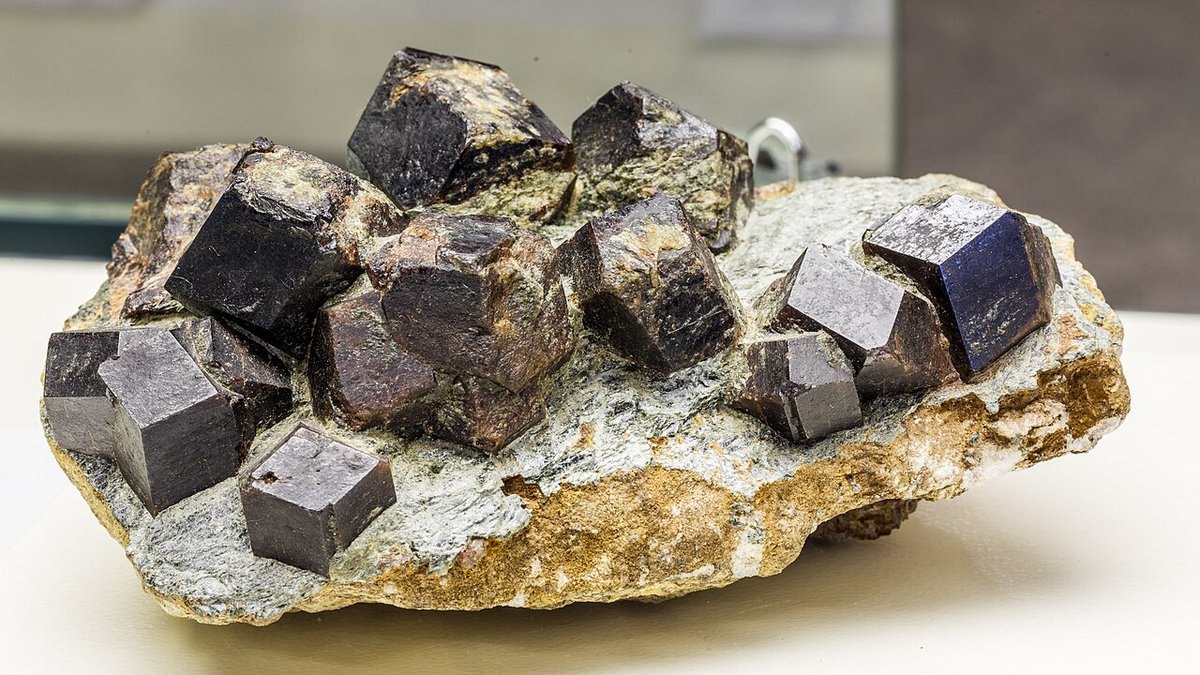
Mozambique, Tanzania, the USA, and Madagascar supply additional rough. Spessartine forms in well-shaped dodecahedral and trapezohedral crystals; faceted gems show high refractive index and bright dispersion, similar to almandine.
How Spessartine Compares
| Property | Spessartine | Citrine | Hessonite |
|---|---|---|---|
| Hardness | 7 - 7.5 | 7 | 7 - 7.5 |
| Price / carat | $$ Mid-range | $ Budget | $$ Mid-range |
| Color | Vivid orange to red-orange | Yellow to amber | Brownish orange (cinnamon) |
| Best For | Statement jewelry, collecting | Affordable yellow | Classical orange |
Meaning and Symbolism
Spessartine carries a relatively short symbolic history because it was only formally identified in 1832 and remained a minor collector species until the 1990s.
The discovery of bright pure mandarin garnet in Namibia's Kunene region transformed the species from an obscurity into a designer favorite within a single decade, giving the stone a distinctly modern reputation. The name comes from the Spessart mountain region of Bavaria, where the first scientifically described specimens were found.
Modern crystal tradition has built meaning around spessartine's vivid orange color, which sits squarely in the sacral chakra range. Practitioners associate the stone with creativity, sexual vitality, and the kind of warm life force that supports starting new projects, expressing playful energy, and rebuilding enthusiasm after burnout.
The fanta orange marketing of bright Namibian material has reinforced the stone's modern, energetic association in popular crystal lore.
Practitioners believe spessartine supports both the sacral and solar plexus chakras, bridging creative impulse with confident action. Many find the stone useful at the start of new ventures, during creative blocks, and when rebuilding personal warmth after periods of overwork or grief.
Spessartine is a January birthstone as part of the broader garnet group, and modern designers have positioned mandarin spessartine as a fresh alternative to the more traditional dark red almandine for January-birthday gifts. The stone is also becoming popular in modern engagement settings as a colored alternative to diamond.
Historical Timeline
Healing Tradition
Emotional
Practitioners believe spessartine supports vivid emotional warmth and creative spark. In crystal healing tradition, it is said to lift sluggish moods, reawaken playful energy, and encourage the willingness to express what is brewing inside.
Many find spessartine useful during creative blocks, after recovery from burnout, or during periods that require visible enthusiasm even when energy reserves feel low. The stone is often recommended for artists, writers, performers, and entrepreneurs at the early phase of a new venture.
Because spessartine sits in the bright orange range, practitioners sometimes pair it with cooling stones like blue lace agate or amazonite when the creative fire risks tipping into anxiety or overstimulation.
It is rarely described as a stone for processing grief or quiet sorrow; for those, practitioners reach for rose quartz or smoky quartz instead. Many readers describe spessartine as a stone that makes the body feel like saying yes again.
Spiritual
In crystal healing tradition, spessartine is one of the bright sacral chakra stones associated with creative life force and embodied joy. Practitioners believe its vivid manganese orange energy concentrates warmth at the sacral chakra and bridges to the solar plexus, supporting the move from creative impulse to confident action.
The stone is widely used in meditation focused on personal vitality, sexuality, and the embodied pleasure of being alive.
Many practitioners use spessartine during sunrise practice, sun-salutation yoga, or rituals tied to spring and summer themes. The stone is traditionally associated with the Sun and Mars in modern correspondences, emphasizing radiant self-expression and direct creative action.
It pairs naturally with citrine for layered solar plexus work, with carnelian for warmer sacral practice, and with clear quartz for amplification of vitality intentions.
Physical
Practitioners believe spessartine's bright manganese-rich orange energy supports what traditions describe as digestion, reproductive vitality, and the kind of physical warmth that sustains creative output. Folklore is thin because the stone was only popularized in the 1990s, so most physical correspondences come from contemporary crystal writers.
Spessartine is not a substitute for medical care, and crystal traditions frame it as supportive rather than curative.
Many readers wear spessartine pendants near the lower torso to support traditional sacral chakra placement, or as rings during creative work sessions to keep the energy in the hands. Practitioners sometimes pair spessartine with carnelian for fuller sacral chakra warmth and with sunstone for combined solar vitality work.
In contemporary gem therapy, mandarin spessartine is sometimes recommended for cold-season vitality and creative output.
Zodiac, Birthstone and Gifts
Spessartine is a January birthstone as part of the broader garnet group, making it suitable for late Capricorn and Aquarius birthdays. Astrologers traditionally associate the bright orange variety with the Sun and Mars, supporting fiery Aries and Leo readers seeking vibrant creative expression.
Sagittarius readers also respond well to spessartine for its expansive warm-energy theme. Earth signs sometimes pair it with grounding stones like black tourmaline to channel the creative fire into structured projects. Water signs may find pure mandarin spessartine too intense for daily practice but useful as an occasional creativity-boost companion.
Care and Cleansing
Spessartine is one of the easiest stones to cleanse because it is chemically stable and physically tough. Lukewarm soapy water with a soft brush removes grime and skin oils safely, and a brief rinse under running tap water is also fine.
Ultrasonic cleaners are generally safe for clean spessartine without significant fractures, but check for inclusions before using one.
Sunlight, moonlight, and dry smoke cleansing (sage, palo santo, cedar) are all considered safe and traditional methods. Many practitioners specifically favor sunlight for spessartine given its fire-element associations and bright orange color. Recharging on a clear quartz cluster overnight or briefly in late-afternoon sun is standard practice between creative cycles.
- DO clean spessartine in lukewarm soapy water with a soft brush; rinse and dry with a soft cloth.
- DO NOT use ultrasonic cleaners on stones with visible fractures or fillings.
- DO store spessartine separately from softer stones like opal and pearls to avoid scratching them.
- DO NOT subject spessartine to sudden temperature changes; thermal shock can cause stress fractures.
- DO request disclosure of any treatments, though spessartine is rarely treated commercially.
- DO remove rings during heavy physical work to protect prongs and settings.
- Note: open-back settings show off spessartine's bright color and dispersion more dramatically than closed mounts.
Real vs Fake
Genuine spessartine almost always shows tiny natural inclusions under 10x magnification, including silk needles, two-phase fluid pockets, and small crystal fragments. Truly clean spessartine without any inclusions and very low price is suspicious; real mandarin garnet rough is too valuable to be sold cheaply.
Spessartine is singly refractive (cubic), so it shows no doubling under a polarizing filter.
Color and density are key checks. Real spessartine has a refractive index of 1.79 to 1.82 and a specific gravity around 4.12 to 4.20, slightly lighter than almandine but heavier than glass or plastic substitutes.
Bright orange synthetic glass and treated topaz are sometimes sold as spessartine; a refractive index reading separates them quickly.
At home, you can scratch glass easily with spessartine, check magnetic response (manganese-rich spessartine often responds visibly to a strong neodymium magnet), and watch for the characteristic high dispersion that makes faceted stones flash with multiple colors under bright light.
Synthetic garnet exists primarily as YAG, used in lasers and as a budget diamond simulant, but is rarely sold as natural spessartine.
For higher-priced mandarin spessartine above two carats, request a lab report from an independent gemological lab to confirm both natural origin and absence of treatment. Namibian Kunene provenance carries small premiums and should be documented when claimed.
Spessartine Jewelry & Gifts
Spessartine pricing reflects its rarity and the popularity of the mandarin variety. Small commercial spessartine in mixed orange-red colors runs $50 to $150 per carat. Mid-grade Namibian or Nigerian mandarin material in the one- to three-carat range with bright pure orange runs $200 to $700 per carat.
Top-color mandarin spessartine above three carats with fanta-orange saturation can reach $800 to $1,800 per carat at specialist dealers.
Larger statement stones above five carats are rare for spessartine and command significant premiums, often $1,500 to $3,000 per carat for well-saturated material. Color-change spessartine, shifting from orange in daylight to reddish under incandescent light, is exceptionally rare and trades at collector prices.
Spessartine is generally untreated. Heat treatment is uncommon and the stone reaches the market in its natural state. Always ask about disclosure but expect untreated material from reputable dealers, especially for Namibian and Nigerian mandarin spessartine. Buy from specialist colored-stone dealers rather than generic jewelry retailers, and request locality information when possible.
Where to Buy Spessartine
Affiliate disclosure: Some links below earn us a small commission at no extra cost to you. See our affiliate disclosure page.
Handmade, raw, and tumbled pieces from independent sellers worldwide.
Shop Spessartine on Etsy →Accessories, tools, and specimen sets with fast Prime delivery.
Shop Spessartine on Amazon →Certified loose gemstones graded and photographed for online buyers.
Shop Spessartine on GemSelect →Pairs Well With



Where Spessartine Is Found


