
Sunstone
Flecked with copper platelets that flash like captured sunlight, sunstone is the warm-orange feldspar of vitality and confidence.
- Oregon sunstone is the official state gem of Oregon, designated in 1987.
- Oregon sunstone is the only gem-quality feldspar colored by metallic copper inclusions.
- Public digging fees at the Oregon sunstone public collection area are free; visitors keep what they find.
- Some sunstone specimens show both aventurescence (sparkle) and schiller (labradorescence-like sheen) in a single stone.
- Viking navigators may have used sunstone crystal's polarizing optics to locate the sun through overcast skies.
- Practitioners working with solar plexus confidence and personal power
- Readers drawn to warm orange, peach, and copper tones
- Collectors of American gemstones (Oregon sunstone is a US-origin specialty)
- Gift givers shopping for an energizing birthday or summer-themed present
- Buyers seeking a faceted stone with unique aventurescence sparkle
- Those wanting a pure cool color palette (consider aquamarine)
- Buyers seeking maximum hardness for daily-wear rings (try sapphire)
- Shoppers looking for investment-grade rarity (consider alexandrite)
What Is Sunstone?
Sunstone is a gem variety of feldspar characterized by aventurescence, a metallic glitter produced by microscopic inclusions of copper or hematite platelets aligned within the crystal. It rates 6 - 7 on the Mohs hardness scale.
When light catches these inclusions at the right angle, the stone flashes with coppery orange, red, or green shimmer. The effect resembles sunlight caught inside the gem, which is the source of the name.
At Mohs 6 to 7, sunstone is moderately hard and suitable for most jewelry settings, though it benefits from protective mountings because feldspar has perfect cleavage and can chip on hard knocks.
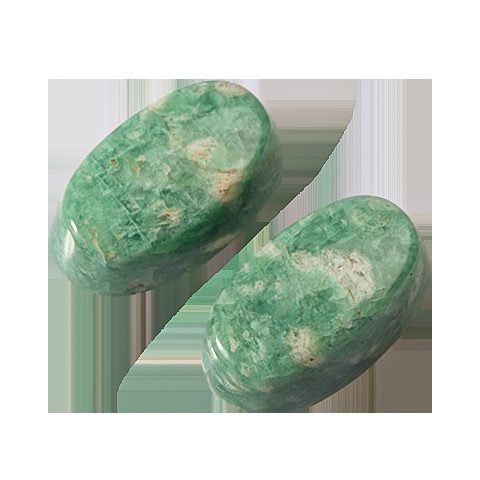
The most famous commercial source is the Oregon Sunstone deposit near Plush in Lake County. Oregon sunstone is notable for its large size, strong copper aventurescence, and range of colors including pink, peach, red, green, and rare bicolor specimens.
The deposit lies on public and private lands, and visitors can dig for their own stones at the state-designated public collecting area.
Other commercial sources include India (Tanzania adjacent), Norway (classic specimens from Tvedestrand, the original named locality), Russia, Mexico, Madagascar, and Tanzania. The Indian variety is typically smaller and shows more golden-orange flash, while Norwegian material is historically important but rarely in large modern supply.
How Sunstone Compares
| Property | Sunstone | Citrine | Fire Opal |
|---|---|---|---|
| Hardness | 6 - 7 | 7 | 5.5 - 6.5 |
| Price / carat | $ Budget | $ Budget | $$ Mid-range |
| Optical effect | Aventurescence sparkle | Clear transparency | Play-of-color or orange fire |
| Best For | Statement pendants, rings | Daily-wear jewelry | Unique collector rings |
Meaning and Symbolism
Sunstone has been recognized as a gem across several distinct cultural traditions. Ancient Greeks associated it with the sun god Helios, and Viking navigators may have used sunstone alongside iolite to locate the sun through cloud cover.
Some researchers propose that the Alfred the Great sunstone mentioned in medieval Icelandic sagas could have been a feldspar variety similar to modern Norwegian sunstone.
Native American tradition in the western United States long valued Oregon sunstone. The state of Oregon designated it the official state gemstone in 1987, and tribal and settler communities had worked the material long before commercial mining began. Native American lore associates sunstone with the warrior spirit, abundance, and solar energy.
In modern crystal healing tradition, sunstone is associated with the solar plexus and sacral chakras and with what practitioners call confident vitality.
It is often recommended for people working through creative blocks, self-worth struggles, or recovery from prolonged sadness. The stone's reputation is warming and energizing rather than soothing, which is why practitioners often pair it with cooler stones like moonstone (its classical energetic opposite) or amethyst.
Sunstone is sometimes called the abundance stone in Western crystal tradition because of its reputation for supporting creative self-assertion.
Historical Timeline
Healing Tradition
Emotional
Practitioners believe sunstone supports emotional warmth, creative confidence, and recovery from prolonged sadness. In crystal healing tradition, it is often recommended for people emerging from depression, grief, or long dark winters, because the stone's visual warmth is said to echo returning sunlight.
Many readers wear sunstone jewelry during challenging creative projects or presentations, and practitioners describe a sense of energetic lift during these periods.
Practitioners pair sunstone with rose quartz when the emotional work involves self-love alongside confidence, or with black tourmaline when grounding is needed beneath the warmth. Because its reputation is active and energizing, sunstone is often described as a day-work stone rather than a sleep-focused companion.
Readers sometimes describe sunstone as helpful for moving through seasonal affective periods and for restoring a sense of playful creative possibility.
Spiritual
Sunstone is traditionally associated with the solar plexus and sacral chakras and with solar deities across many traditions. Practitioners describe it as a stone of confident self-assertion and creative visibility.
In modern metaphysical tradition, sunstone is classically paired with moonstone as its feminine-lunar counterpart, and many practitioners set the two stones together in grids representing balance between receptive and active energies.
Many readers keep a sunstone on a meditation altar during creative projects or periods of public visibility, and some practitioners use small pieces in grids focused on abundance and personal power.
It pairs readily with clear quartz for amplified manifestation practice. The stone is said to warm rather than calm, which is why it is typically not recommended for evening or sleep-focused work.
Physical
Practitioners believe sunstone supports what they describe as vitality, circulation, and general energetic warmth. Folk tradition links it with relief from seasonal sluggishness and with supporting energy during recovery from illness.
In modern crystal healing practice, sunstone is most often placed over the solar plexus or carried in a pocket during active work.
Many readers wear sunstone during early-morning creative work, athletic training, or public speaking and describe the stone as a visual anchor for vitality. It is not a substitute for medical care, and practitioners frame its role as supportive alongside proper treatment.
Because sunstone is moderately hard and chemically stable, it is a practical daily-wear stone for readers who want warming energy in a durable jewelry form, though ring settings should be protective because of feldspar's cleavage tendency.
Zodiac, Birthstone and Gifts
Sunstone is most often associated with Leo in Western astrology because of the sign's sun rulership and focus on creative self-expression. Practitioners describe sunstone as a natural ally for Leo's bright temperament. For Libra, sunstone is said to support confident decision-making as a warming counterweight to the sign's tendency toward indecision.
Although sunstone is not on the formal US birthstone list, it is often suggested as an alternative for late-July and August Leos and is a popular summer-themed gift for readers who want solar warmth in a natural gemstone form.
Care and Cleansing
Sunstone tolerates most common cleansing methods. Running lukewarm water for under a minute is safe, as is a gentle wash in mild soapy water with a soft brush for jewelry.
Moonlight cleansing is traditional (and particularly resonant for sunstone given its sun-moon pairing with moonstone). Sunlight cleansing is also appropriate because the stone's color does not fade with UV exposure. Smoke cleansing with sage, palo santo, or cedar and sound cleansing with a singing bowl are both effective and safe.
Brief saltwater exposure is acceptable for the stone itself, but saltwater should be limited for jewelry because metal settings can corrode. Ultrasonic cleaners are generally safe for untreated sunstone but should be avoided for heavily included or fracture-containing specimens.
Many practitioners refresh sunstone after completing creative projects or significant life phases rather than on a regular schedule, treating the stone as a companion for active periods.
- DO rinse sunstone jewelry in warm soapy water and dry with a soft cloth.
- DO NOT drop sunstone rings on hard surfaces; feldspar has perfect cleavage.
- DO remove sunstone rings before heavy work or sports.
- DO store sunstone separately from harder stones to prevent surface scratches.
- DO use ultrasonic cleaners sparingly and only on untreated, inclusion-free stones.
- DO ask about origin and treatment disclosure for premium Oregon sunstone.
- Note: sunstone color and sparkle are stable and do not fade with normal wear.
Real vs Fake
Genuine sunstone shows true aventurescence: metallic glitter from copper or hematite inclusions that catches light from specific angles. When rotated slowly under a bright light, the sparkle appears to move across the stone's surface rather than sitting fixed in one place.
Common imitations include goldstone (a man-made glass with copper crystal inclusions, sometimes marketed confusingly as sunstone), synthetic copper-flecked glass, and plastic composites with metallic flakes.
Goldstone is particularly common and is not a natural stone. Genuine sunstone shows irregular natural inclusions under magnification, while goldstone shows evenly distributed mechanical flakes.
A basic hardness test separates most imitations. Sunstone scratches at Mohs 6 to 7, so a steel knife typically will not scratch it easily but quartz (Mohs 7) will. Goldstone is softer and scratches more readily, while synthetic copper-flecked glass varies widely in hardness.
For Oregon sunstone specifically, look for the characteristic clean feldspar base color (pink, peach, red, green, or colorless) with copper flash that appears as irregular glinting platelets rather than uniform metallic dust. Laboratory reports are available for significant Oregon sunstone purchases and document origin, treatment status, and clarity grade.
Reputable Oregon sellers often provide small certificates with provenance information for stones over a few hundred dollars.
Sunstone Jewelry & Gifts
Sunstone prices range from $15 per carat for small commercial Indian material to over $300 per carat for top Oregon stones with strong copper aventurescence and clean color.
Standard faceted Oregon sunstone in 1-2 carat sizes typically runs $40 to $150 per carat. Larger stones with vivid color (especially red, green, or bicolor) can reach $200 to $500 per carat.
Indian sunstone is typically the budget option at $15 to $40 per carat. Norwegian historical specimens are rare on the modern market and command premium collector prices.
Treatment is uncommon in the sunstone market. Occasional light heat is used to intensify color in commercial stones, and this should be disclosed. Oregon sunstone is almost never treated because natural material already shows strong color and aventurescence.
When buying, look at color and aventurescence under daylight from multiple angles, check for natural inclusions that shift with rotation, and prefer faceted cuts that display sparkle through the crown. For Oregon material, provenance documentation is valuable for stones over a few hundred dollars.
Reputable sellers disclose origin (Oregon, India, Norway, Madagascar, Tanzania) and any treatment.
Where to Buy Sunstone
Affiliate disclosure: Some links below earn us a small commission at no extra cost to you. See our affiliate disclosure page.
Handmade, raw, and tumbled pieces from independent sellers worldwide.
Shop Sunstone on Etsy →Accessories, tools, and specimen sets with fast Prime delivery.
Shop Sunstone on Amazon →Certified loose gemstones graded and photographed for online buyers.
Shop Sunstone on GemSelect →Pairs Well With


Where Sunstone Is Found


