
Amethyst
Born in Brazilian basalt geodes and Uruguayan volcanic pockets, amethyst is the purple gem of clarity, calm, and intuition.
- The Greek name amethystos literally translates to not drunken, a reference to an old anti-intoxication tradition.
- A single Uruguayan cathedral geode can weigh more than a thousand pounds and still sell as a whole piece.
- Amethyst and citrine are the same mineral; heating amethyst above about 470 C converts it to yellow citrine.
- Prolonged direct sunlight over months can lighten amethyst color because UV reverses part of the natural irradiation.
- Amethyst is the traditional gift for the 6th and 33rd US wedding anniversaries.
- February birthstone seekers shopping for a meaningful gift
- Beginners building a first crystal collection on a reasonable budget
- Practitioners working with crown chakra meditation and third eye focus
- Buyers who want rich purple color in everyday jewelry without high cost
- Writers, students, and readers wanting a stone traditionally linked with clear thinking
- Buyers who need a stone that never fades (consider sapphire or spinel)
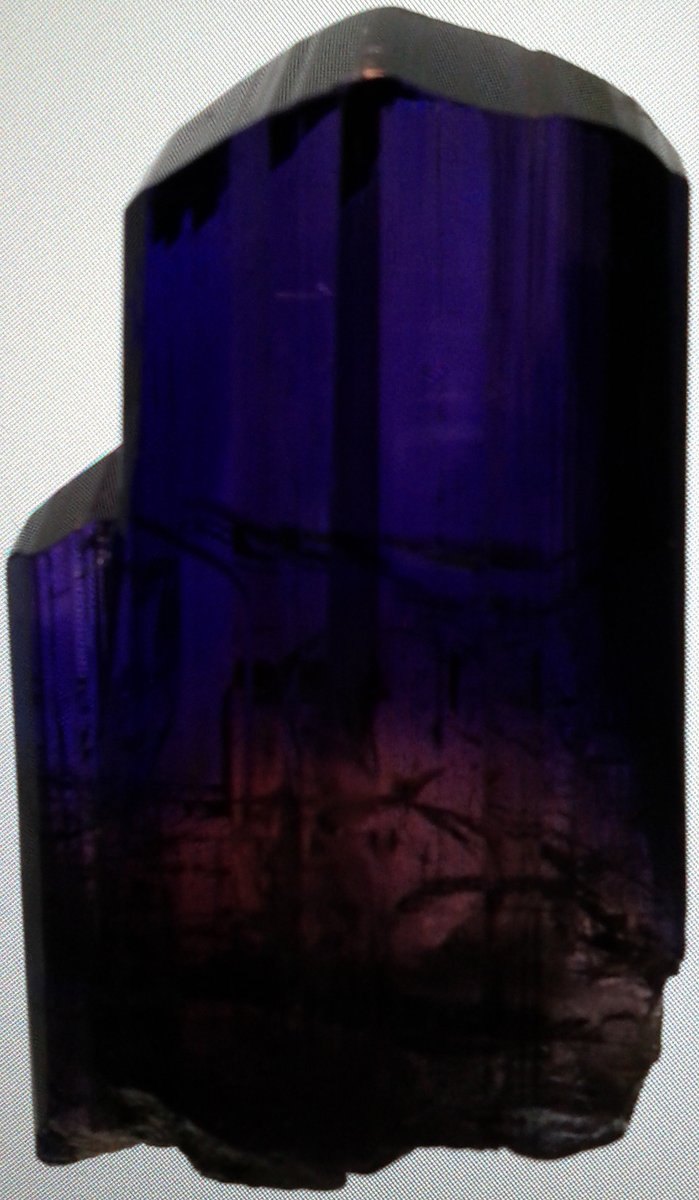
- Shoppers seeking investment-grade rarity (consider tanzanite or alexandrite)
- Those who want a warm-toned gem (try citrine or garnet)
What Is Amethyst?
Amethyst is the violet variety of quartz, a silicon dioxide mineral colored by trace iron and natural gamma irradiation inside the earth. It rates 7 on the Mohs hardness scale.
The purple ranges from pale lilac to a deep, almost inky royal purple. The most prized shade, known in the trade as Siberian, is a velvety red-violet that flashes red under incandescent light.
At Mohs 7, amethyst is hard enough for daily wear in protected settings and is the most popular purple gem on the market by volume.
The name comes from the Ancient Greek amethystos, meaning not drunken, a reference to the old belief that the stone could protect its wearer from intoxication. Geologically, amethyst forms in gas cavities inside volcanic basalt, where silica-rich fluids slowly crystallize into hollow linings known as geodes.
The huge cathedral geodes of southern Brazil and northern Uruguay are the most famous examples of this basalt-cavity process, with some specimens standing over six feet tall and weighing hundreds of pounds.
Most commercial amethyst is untreated, although some stones are gently heat-treated to shift them toward the warmer citrine or ametrine colors. Natural color zoning is common, and cutters often orient the rough so the darkest color sits at the table.
Synthetic amethyst grown by hydrothermal methods is also on the market and can be difficult to separate from natural material without laboratory testing using refractometry or trace element analysis.
How Amethyst Compares
| Property | Amethyst | Tanzanite | Purple Sapphire |
|---|---|---|---|
| Hardness | 7 | 6 - 6.5 | 9 |
| Price / carat | $ Budget | $$$ Premium | $$$ Premium |
| Rarity | Common | Rare | Very Rare |
| Best For | Daily jewelry, healing | Special occasions | Heirloom investment |
Meaning and Symbolism
Amethyst has been treasured for more than four thousand years. Egyptian tombs at Saqqara contained amethyst beads, and Greek mythology explained the stone's purple color through the story of a maiden turned to quartz and stained by spilled wine.
Cups and amulets carved from amethyst were believed to keep the drinker sober, and Roman magistrates wore amethyst rings as symbols of clear judgment.
In Christian tradition, amethyst became one of the priestly stones set in the breastplate of the high priest, and later the Episcopal ring stone worn by Catholic bishops, where purple signaled wisdom and restraint.
During the medieval and Renaissance periods, amethyst was as valuable as ruby and emerald, until the discovery of enormous Brazilian deposits in the nineteenth century shifted it into the accessible gem category.
In crystal healing tradition, amethyst is associated with sobriety of mind, intuition, and spiritual connection. Practitioners describe it as a quieting stone that helps steady racing thoughts and invites deeper meditation.
Many readers pair it with clear quartz for amplification or with rose quartz for gentler emotional work, and it remains one of the most widely recommended starter stones for anyone beginning a crystal practice.
Historical Timeline
Healing Tradition
Emotional
Practitioners believe amethyst is a calming stone that soothes overactive thinking and helps a wearer recover composure after stress. In crystal healing tradition, it is associated with sober-minded clarity, making it a classic recommendation for people working through anxious spirals, overwhelm, or sleep disruption.
Many find a tumbled amethyst on the nightstand comforting during difficult weeks, with readers describing a gentle shift from restless loops to steadier rest. Practitioners sometimes pair amethyst with rose quartz when emotional work centers on heartbreak, or with black tourmaline when the stress involves feeling energetically drained.
Because its reputation is quieting rather than activating, amethyst is traditionally considered a good stone for evening ritual, journaling, and shadow work. It is also said to support people in recovery from addiction, a connection that traces back to the ancient Greek sobriety legend and persists in modern crystal lore.
Spiritual
Amethyst is traditionally associated with the third eye and crown chakras, and practitioners often use it to mark the threshold between ordinary awareness and meditative states.
In crystal healing tradition, it is said to open subtle perception without destabilizing the practitioner, which is part of why it is recommended so often to beginners.
Many readers keep an amethyst cluster at a meditation seat or altar, and some place small points at the four corners of a bed to frame dream work. Practitioners working with intuition, prayer, or channeled writing commonly hold amethyst as an anchor during practice.
The stone has long been used in religious settings, from Episcopal rings to rosary beads, and modern crystal workers describe it as a bridge between devotional and psychic work.
It pairs readily with clear quartz in crystal grids and is said to deepen rather than amplify, adding a reflective quality to intention work.
Physical
Practitioners believe amethyst supports what they describe as nervous system settling, and it has long been used in folk traditions focused on headache, tension, and sleep quality.
Crystal healing tradition associates amethyst with balance around the head and upper body, and readers often report placing a cooled tumbled stone near the temples or at the hairline during headache-prone afternoons.
Amethyst is also traditionally linked with hormonal equilibrium and is sometimes suggested for those navigating sleep disruption tied to life transitions. It is not a substitute for medical care, and practitioners frame its role as supportive alongside proper treatment.
For readers who find strong crystal energy activating, amethyst is typically described as one of the gentler options, making it a common choice for children's rooms and bedside placement.
Zodiac, Birthstone and Gifts
Amethyst is the modern US birthstone for February, shared by late-season Aquarians and emerging Pisces. Astrologers traditionally associate amethyst with Jupiter and Neptune, a combination many find echoes the February temperament of wide thinking paired with dreamy intuition.
For Pisces, amethyst is said to support discernment, helping the sign's empathic openness stay grounded rather than flooded. For Aquarius, practitioners recommend amethyst as a steadying counterpoint to the sign's fast, future-pointing mind.
In Vedic tradition, amethyst (jamunia) is sometimes prescribed as a substitute for blue sapphire when the wearer finds true sapphire too intense, and is typically set in silver and worn on the middle finger.
Care and Cleansing
Amethyst is one of the easier crystals to maintain because it tolerates most common cleansing methods. Running lukewarm water for under a minute is safe, as is a gentle wash in mild soapy water with a soft brush for jewelry.
Avoid prolonged soaks for set amethyst, since older mountings can loosen over time and some commercial stones are dyed or color-stabilized at the surface, which long water contact may affect.
Moonlight cleansing is the traditional favorite and poses no risk to the color. Smoke cleansing with palo santo, sage, or cedar, and sound cleansing with a singing bowl, are all considered safe.
Dry salt cleansing on a bed of sea salt for a few hours is fine, but saltwater soaks should be avoided because they corrode metal settings.
The one method to avoid is prolonged direct sunlight. Over weeks or months, UV exposure can slowly fade amethyst because the color is partly the product of natural irradiation that sunlight gradually reverses.
A brief daylight rinse on a windowsill is harmless, but a south-facing shelf in summer is not a good long-term home for a prized amethyst.
- DO store amethyst out of long-term direct sunlight to preserve saturated purple color.
- DO NOT leave amethyst in a car dashboard or sunny window for extended periods.
- DO rinse jewelry briefly in lukewarm soapy water and dry with a soft cloth.
- DO NOT use ultrasonic or steam cleaners on dyed or fracture-filled amethyst.
- DO remove amethyst rings before gardening or heavy housework to avoid chips.
- DO store amethyst separately from harder stones such as diamond, sapphire, and topaz.
- Note: some inexpensive tumbled amethyst is dyed; ask your seller if the color is natural.
Real vs Fake
A genuine amethyst usually shows subtle color zoning when examined under a bright light, with bands of deeper and lighter purple visible at certain angles. Natural inclusions are common and include tiger stripe structures, liquid fingerprints, and small mineral crystals.
A faceted stone that appears perfectly uniform in color with no inclusions at all is suspicious and may be synthetic or dyed glass, since natural amethyst almost always shows zoning.
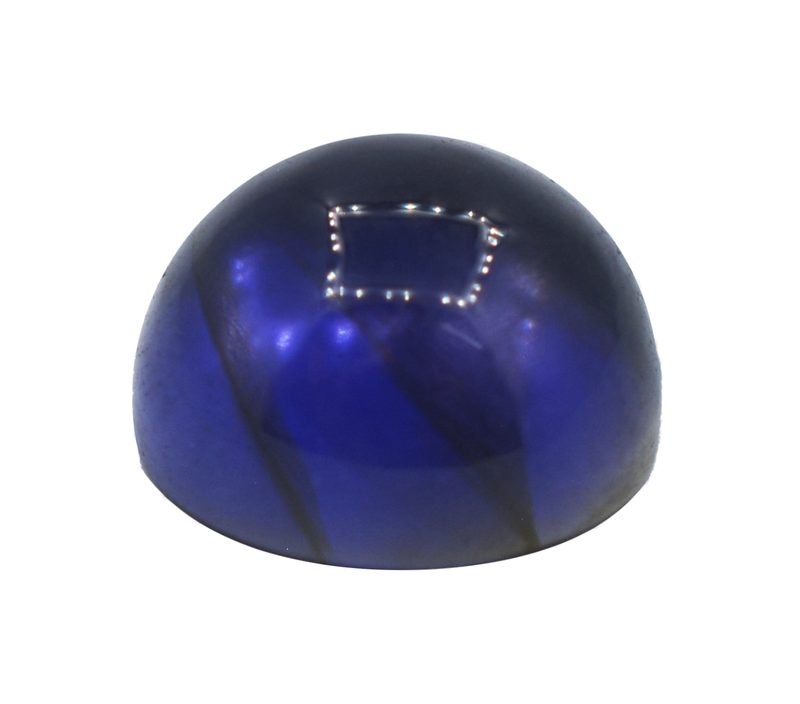
Common imitations include purple glass (which often shows curved gas bubbles and swirl patterns under magnification), dyed quartz or agate, and purple cubic zirconia. Glass feels warmer to the touch and is softer than quartz; a genuine amethyst will scratch glass easily while glass will not scratch amethyst.
Synthetic hydrothermal amethyst is chemically identical to natural material and requires gemological testing, usually a combination of growth-pattern inspection and trace element analysis, to separate.
Practical at-home checks include looking for natural zoning, testing hardness against a piece of window glass, and checking color stability under different light sources. Natural amethyst often shifts slightly between daylight and incandescent light, while dyed stones tend to look flat.
For any stone over a few hundred dollars, a report from a recognized gemological laboratory is the most reliable confirmation of natural origin and rules out hydrothermal synthetic material conclusively.
Amethyst Jewelry & Gifts
Amethyst is one of the most approachable fine gems on the market, with prices ranging from a few dollars per carat for pale commercial material to over one hundred dollars per carat for top Siberian-color stones.
Commercial faceted amethyst in small sizes typically runs $5 to $20 per carat, while good medium-tone Brazilian amethyst in larger sizes sits around $20 to $50 per carat. Top saturated purples with flashes of red, often described as Siberian color regardless of actual origin, can exceed $100 per carat.
Treatment is mostly limited to occasional heat application, which can lighten a dark stone or convert amethyst to citrine. Dyeing is mainly a concern in cheap tumbled material and cluster specimens and should always be disclosed.
For jewelry, focus on color first (even saturation, no obvious banding visible through the table), then on clarity (eye-clean is readily available), and then on cut. For cluster and geode specimens, look at the overall color depth, the evenness of the crystal lining, and the integrity of the matrix.
Where to Buy Amethyst
Affiliate disclosure: Some links below earn us a small commission at no extra cost to you. See our affiliate disclosure page.
Handmade, raw, and tumbled pieces from independent sellers worldwide.
Shop Amethyst on Etsy →Accessories, tools, and specimen sets with fast Prime delivery.
Shop Amethyst on Amazon →Certified loose gemstones graded and photographed for online buyers.
Shop Amethyst on GemSelect →Pairs Well With



Where Amethyst Is Found


