
Selenite
Born in sedimentary evaporite as luminous gypsum fiber, selenite is the crown-chakra cleanser named for the moon.
- Mexico's Naica mine houses selenite crystals over 11 meters long, among the largest in the world.
- Selenite is named after Selene, the Greek moon goddess, for its luminescent sheen.
- The fibrous variety of selenite is called satin spar and shows a silky cat's-eye effect.
- Selenite dissolves slowly in water, making it unsuitable for water cleansing methods.
- Morocco is the world's dominant commercial source of retail selenite wands and plates.
- Practitioners wanting a self-cleansing crystal-cleansing stone for daily use
- Crystal workers using selenite plates, wands, and bowls to recharge other stones
- Readers drawn to luminous white stones for crown chakra work
- Meditation students seeking a quiet, high-vibration companion stone
- Gift buyers wanting an affordable cleansing tool for every crystal collector
- Buyers wanting a water-safe stone (selenite dissolves in water over time)
- Daily-wear ring shoppers (Mohs 2 is too soft for jewelry mountings)
- Readers seeking a brightly colored stone (selenite is white to transparent)
What Is Selenite?
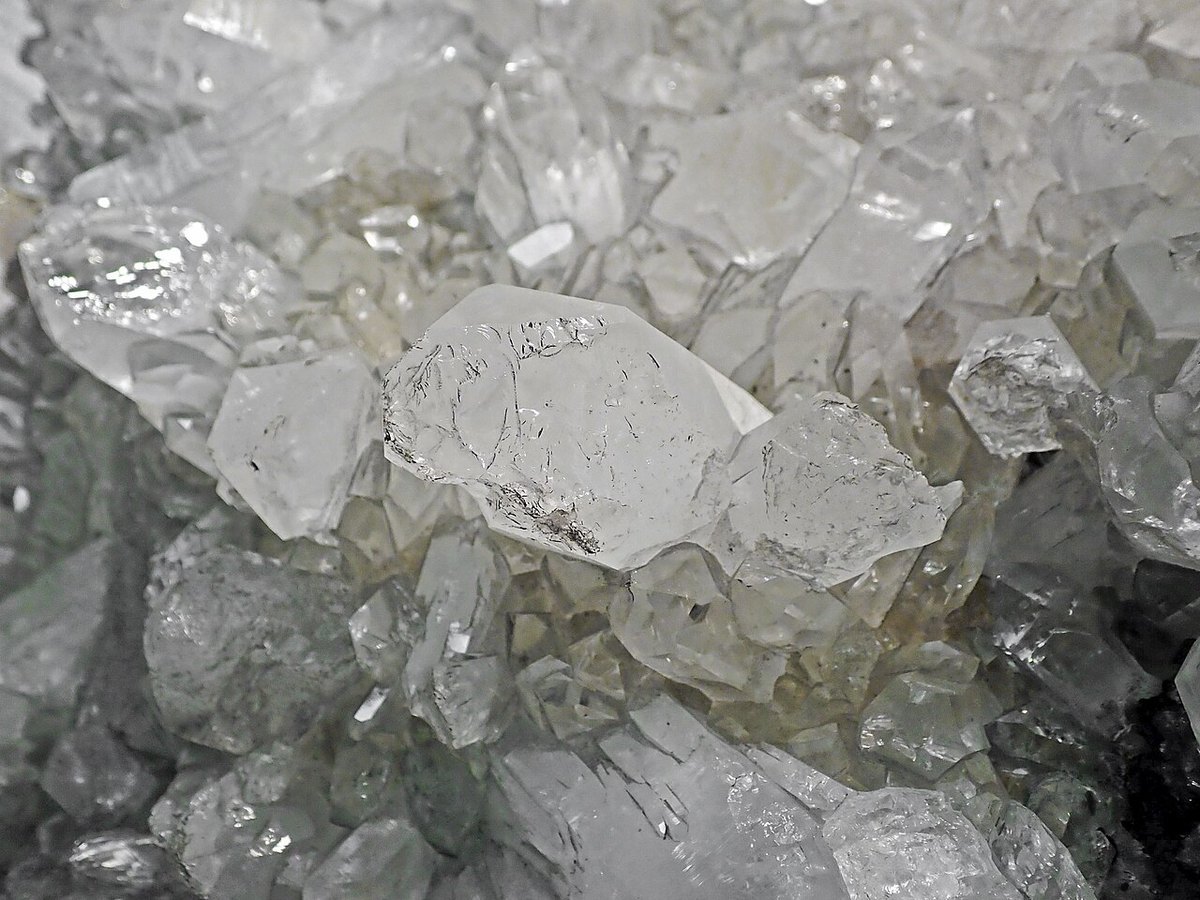
Selenite is the transparent, fibrous crystalline variety of gypsum, a calcium sulfate dihydrate mineral. The name comes from Greek selene (moon), referencing the stone's pearly luminescent sheen that resembles moonlight on water. It rates 2 on the Mohs hardness scale.
At Mohs 2, selenite is one of the softest stones used in crystal practice and can be scratched with a fingernail. It dissolves slowly in water and must be kept dry.
Selenite forms in sedimentary evaporite deposits where ancient seas or lakes dried and left layered gypsum behind. Massive selenite crystals can grow exceptionally large, with Mexico's Naica cave system containing crystals over 11 meters long, among the largest natural crystals ever documented.
Commercial selenite is supplied as wands, plates, bowls, charging sticks, towers, and raw chunks. Its fibrous variety shows a silky sheen sometimes called satin spar.
Major sources include Morocco, Mexico, the United States (Oklahoma, Utah, New Mexico), Poland, and Russia. Moroccan selenite is the dominant commercial source for metaphysical retail, supplying the wands, plates, and towers found in every crystal shop worldwide.
Selenite is one of the most affordable stones in the market, with large pieces available for under twenty dollars in most retail contexts.
How Selenite Compares
| Property | Selenite | Clear Quartz | Moonstone |
|---|---|---|---|
| Hardness | 2 | 7 | 6 - 6.5 |
| Price / carat | — | $ Budget | $ Budget |
| Rarity | Very Common | Very Common | Common |
| Best For | Cleansing, altar, charging | Amplification, focus | Daily-wear jewelry |
Meaning and Symbolism
Selenite was known in antiquity but was often confused with moonstone under shared lunar references. The name selenite itself derives from the Greek moon goddess Selene, reflecting the stone's luminous pearly sheen.
Ancient Greek and Roman texts describe a stone called selenite with shimmering moonlike qualities, though modern mineralogy distinguishes the fibrous gypsum from true moonstone feldspar. In modern crystal healing tradition, selenite is the classic cleansing stone, considered self-cleansing and used by practitioners to clear and recharge other crystals.
A selenite plate or slab is the most common crystal-cleansing tool in contemporary metaphysical practice, with practitioners resting other stones on selenite overnight for energetic reset. This self-cleansing reputation is one of the most widespread modern crystal associations.
Selenite is also associated with angelic connection and high-vibration spiritual work in modern tradition. Practitioners often describe the stone as a bridge to angelic realms, with its translucent luminescent quality read as symbolic of clear spiritual perception.
Crystal workers use selenite wands for energetic body scanning, aura clearing, and cord-cutting practices. Its affordability and availability have made selenite essentially universal in modern crystal practice.
Historical Timeline
Healing Tradition
Emotional
Practitioners believe selenite is a stone of luminous clarity, traditionally associated with quiet mental space, emotional release, and self-cleansing energy. In crystal healing tradition, it is said to clear emotional clutter and provide a soft reset after demanding interactions.
Many readers keep a selenite wand on a nightstand or meditation altar, framing it as a quiet energetic companion rather than an active transformation tool. Practitioners often pair selenite with black tourmaline for balanced light-and-grounding work.
Crystal workers frequently describe selenite as a gentle clearer, and it is one of the most common stones given to new crystal practitioners as a starter piece. The stone's affordability and immediate usefulness (as a crystal-cleansing plate) make it almost universally recommended.
Its luminous white appearance also pairs with rose quartz and amethyst in simple starter-kit arrangements.
Spiritual
In crystal healing tradition, selenite is linked with the crown and third eye chakras, zones practitioners associate with spiritual connection and intuitive clarity. The stone's unique standing in modern practice comes from its role as a crystal-cleansing tool rather than as a static meditation companion.
Many readers place other crystals on selenite plates overnight for energetic reset, and selenite wands are used for aura scanning and cord-cutting work.
Practitioners often describe selenite as an angelic stone, linking its luminous quality with what they call high-vibration spiritual energy. Crystal workers place selenite at the center of grids focused on meditation, prayer, or clear spiritual perception.
Selenite pairs with clear quartz in amplification layouts and with moonstone in lunar ritual settings. The moon-name association also makes selenite a common new-moon and full-moon practice anchor in feminine rhythm work and intentional manifestation.
Physical
Practitioners believe selenite is traditionally associated with spinal alignment, flexibility, and what they describe as overall body-energy clearing. Folklore and modern crystal writers link the stone with relief from tension headaches, eye strain, and general lethargy that feels energetic rather than purely physical, framed as supportive accompaniment rather than medical intervention.
Many readers rest a selenite wand alongside the spine during guided relaxation, or hold one at the crown during meditation. The stone is not a substitute for healthcare and practitioners are consistent in describing its role as accompanying rather than treating.
Some crystal workers also suggest selenite for readers experiencing end-of-day mental heaviness, often placing a piece on the nightstand to create a clear sleep space. Because selenite is water-reactive and soft, direct-contact practices are limited to dry work and never gem elixirs.
Zodiac, Birthstone and Gifts
Selenite is not a traditional birthstone, but modern astrologers often associate it with Taurus for the sign's grounded spiritual work and with Cancer for moon rulership.
For Taurus readers combining practical attention with spiritual practice, selenite is often recommended as an altar or bedside piece. Cancer readers drawn to lunar rhythms and emotional intuition find selenite a natural companion for moon rituals.
Practitioners sometimes pair selenite with moonstone in feminine-cycle kits and with rose quartz in heart-centered altar sets.
Care and Cleansing
Selenite is considered self-cleansing in modern crystal tradition, meaning practitioners use it to cleanse other crystals rather than cleansing it itself. Selenite plates and wands do not require regular energetic cleansing beyond occasional moonlight or sound cleansing.
Physical dust can be removed with a dry soft cloth. Water, saltwater, ultrasonic cleaners, and steam cleaners must all be avoided because selenite dissolves slowly in water and is Mohs 2.
Moonlight is the traditional preferred energetic cleansing method for selenite when occasional refresh is desired, fitting the stone's lunar association. Sound cleansing with a singing bowl is safe. Brief smoke cleansing with palo santo or sage is acceptable but not usually needed.
Dry salt cleansing should be avoided because salt crystals can damage selenite surfaces.
Sunlight is tolerated and does not damage selenite. Some practitioners use morning sunlight to charge selenite alongside lunar charging. Long-term storage in sunny dry environments is acceptable for selenite, unlike many other soft stones.
The stone's fragility is more of a concern than UV damage, so avoid dropping or bumping selenite pieces against harder surfaces.
- DO NOT soak, rinse, or use selenite in water or saltwater; it dissolves over time.
- DO use selenite plates to cleanse other crystals overnight for energetic reset.
- DO store selenite in a dry area away from humid spaces like bathrooms.
- DO NOT use ultrasonic cleaners, steam cleaners, or any wet cleansing method.
- DO handle selenite gently; Mohs 2 is one of the softest crystal-practice stones.
- DO NOT use selenite in jewelry exposed to daily physical contact.
- Note: satin spar is the fibrous variety most commonly sold as selenite wands.
Real vs Fake
Genuine selenite shows characteristic luminescent pearly sheen, fibrous crystalline structure, and extremely soft Mohs 2 hardness that can be scratched with a fingernail. The refractive index of 1.519 to 1.530 and specific gravity of 2.30 to 2.37 confirm gypsum identification.
Common confusions include optical-grade calcite (harder, fizzes in acid), moonstone (much harder feldspar), and resin imitations. Resin composites feel warm and lightweight compared to genuine selenite's cool dense feel. Selenite is so abundant and inexpensive that imitation is essentially unknown in the market.
Dyed selenite occasionally appears as colored wands (pink, blue, green). These are genuine selenite with applied dye, typically disclosed. Satin spar, the fibrous variety, is sometimes distinguished from true clear selenite, though both are forms of gypsum.
Reputable sellers disclose whether material is Moroccan or Mexican origin, and buyers should ask about specific variety for unusual-pattern purchases.
Selenite Jewelry & Gifts
Selenite is among the most affordable stones in the market. Small tumbled pieces or charging sticks typically cost $2 to $8. Selenite wands run $5 to $25 depending on length. Plates and bowls sit at $10 to $50. Large towers and decorative pieces range from $15 to $150 for impressive display specimens.
Giant cave-quality specimens from the Naica mine are collector rarities beyond typical retail, but essentially every metaphysical shop carries standard wands and plates at accessible prices.
Treatment is generally not applied to selenite except occasional dyeing for colored wands, which should be disclosed. Naturally colorless and pearly-white is the standard commercial material.
For crystal-cleansing tool purchases, favor plates with smooth flat surfaces for placing other crystals, and wands with clean smooth finish. Ask reputable sellers whether dyed selenite is available if color is desired, and clarify origin if provenance matters.
Where to Buy Selenite
Affiliate disclosure: Some links below earn us a small commission at no extra cost to you. See our affiliate disclosure page.
Handmade, raw, and tumbled pieces from independent sellers worldwide.
Shop Selenite on Etsy →Accessories, tools, and specimen sets with fast Prime delivery.
Shop Selenite on Amazon →Certified loose gemstones graded and photographed for online buyers.
Shop Selenite on GemSelect →Pairs Well With


Where Selenite Is Found


