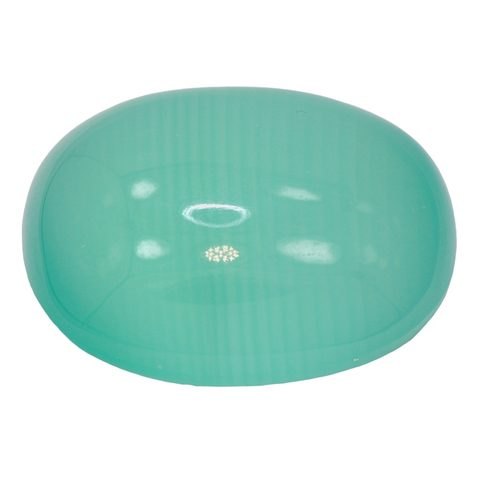
Calcite
Born in every sedimentary and metamorphic environment, calcite is the chakra palette stone available in every color of the crystal rainbow.
- Iceland spar (colorless calcite) shows such strong double refraction that text appears doubled through it.
- Viking navigators may have used Iceland spar as a sunstone to locate the sun on cloudy days.
- Calcite comes in essentially every color of the rainbow, a distinction few other minerals share.
- Calcite is so soft that a fingernail can almost scratch it (Mohs 3 vs fingernail 2.5).
- White chalk cliffs like England's Dover are made almost entirely of calcite in microfossil form.
- Crystal beginners building starter kits with color-coded chakra work
- Practitioners seeking affordable stones for each chakra in an all-in-one set
- Readers drawn to Iceland spar optical calcite for double-refraction experiments
- Crystal workers using calcite as an amplifier for intention and meditation
- Gift buyers looking for a visually striking, low-cost specimen for any color theme
- Buyers seeking daily-wear ring hardness (Mohs 3 is too soft)
- Readers wanting colorfast outdoor-use stones (calcite can fade in sun)
- Shoppers expecting a single color identity (calcite spans nearly every color)
What Is Calcite?
Calcite is calcium carbonate (CaCO3), one of the most common minerals on Earth and the primary component of limestone, marble, and chalk. It rates 3 on the Mohs hardness scale.
The mineral forms in countless geological settings and occurs in an unusual range of colors, from colorless optical-grade Iceland spar to orange, blue, green, yellow, pink, red, and every tone in between. The name comes from Latin calx, meaning lime.
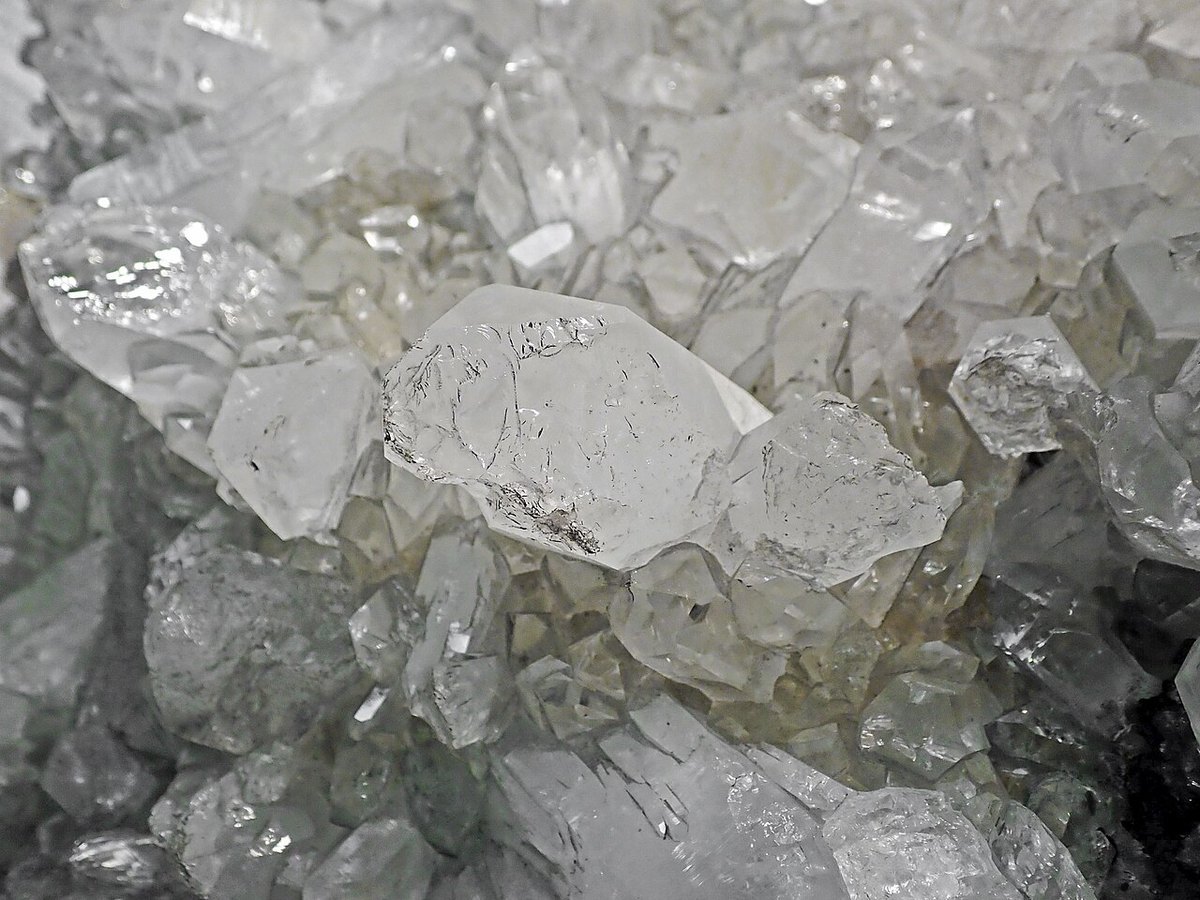
At Mohs 3, calcite is one of the softest stones used in crystal practice and is easily scratched by a copper coin. It has perfect rhombohedral cleavage in three directions, meaning crystals break into characteristic parallelogram shapes.
The mineral shows unusually strong double refraction, particularly in the colorless variety known as Iceland spar, where a single line viewed through the crystal appears as two distinct images.
Commercial calcite supply is essentially unlimited worldwide, with notable sources in Mexico (orange and honey calcite), Iceland (optical Iceland spar), Brazil (blue and green calcite), China (honey calcite), the United States (red calcite, blue calcite), and South Africa. Each color is associated with specific localities and trace element compositions.
Because calcite is so abundant, prices are among the lowest in the crystal market, making it one of the most accessible entry stones for new practitioners.
How Calcite Compares
| Property | Calcite | Fluorite | Selenite |
|---|---|---|---|
| Hardness | 3 | 4 | 2 |
| Price / carat | — | — | — |
| Rarity | Very Common | Common | Very Common |
| Best For | Color-coded chakra kits | Focus and clarity work | Cleansing and light work |
Meaning and Symbolism
Calcite has been used since antiquity, though not always identified as a distinct mineral. Ancient Mesopotamian and Egyptian artisans worked calcite-rich alabaster into vessels, funerary objects, and temple decoration.
Iceland spar (colorless optical calcite) was used by Viking navigators as a sunstone, possibly to locate the sun through cloudy skies using its polarizing properties. This historical use is documented in sagas and has been experimentally confirmed.
In modern crystal healing tradition, calcite is associated with amplification, cleansing, and energy movement. Practitioners often describe calcite as a stone that brightens and clears energy in a space, with different colors applied to different chakras and life areas.
Orange calcite is assigned to the sacral chakra for creativity, blue calcite to the throat for communication, green calcite to the heart for emotional balance, yellow or honey calcite to the solar plexus for confidence, and so on through the color spectrum.
The stone's color variety has made calcite exceptionally popular in modern chakra-aligned crystal practice, where practitioners can assemble a complete seven-stone chakra set at a very low cost.
Crystal workers often describe calcite as a beginner's amplifier, suitable for readers new to crystal work who want to explore multiple chakras affordably. The stone's abundance also fits its metaphysical reputation for generous, easily-accessible healing energy.
Historical Timeline
Healing Tradition
Emotional
Practitioners believe calcite is a stone of gentle amplification, traditionally associated with brightening mood, clearing stuck emotional energy, and supporting fresh starts.
In crystal healing tradition, it is said to act as a general energy cleanser rather than targeting a specific emotional issue, making it a practical choice for readers new to crystal practice.
Many readers keep small calcite tumbles in every room of the home as passive energy presence. Practitioners often pair calcite with clear quartz for amplified intention setting.
Crystal workers match specific calcite colors to specific emotional themes: orange calcite for creative energy, blue calcite for calming overwhelm, green calcite for emotional release, pink calcite for gentle self-love, and so on.
This color-coded system makes calcite particularly useful for readers who want to build a flexible emotional toolkit at modest cost. Because calcite is soft and slightly absorbent, practitioners recommend frequent cleansing, often weekly.
Spiritual
In crystal healing tradition, calcite is linked with every chakra through its color spectrum, making it one of the most versatile species for chakra-aligned practice.
Orange calcite anchors the sacral, yellow or honey calcite the solar plexus, green or pink calcite the heart, blue calcite the throat, and clear or Iceland spar calcite the crown. Practitioners frequently build complete seven-color calcite chakra kits for balanced alignment work.
The mineral's Iceland spar variety holds particular spiritual significance in modern tradition, with its double refraction often read as a metaphor for seeing hidden truths. Crystal workers sometimes use Iceland spar during scrying, meditation on duality, or exploration of what they describe as parallel perception.
Calcite pairs readily with selenite in cleansing grids and with clear quartz for amplification. The stone's accessibility and color variety make it a cornerstone of modern beginner crystal practice.
Physical
Practitioners believe calcite is traditionally associated with skeletal health, circulation, and what they describe as gentle cellular energy balance, with associations varying by color.
Folklore links orange calcite with reproductive vitality, yellow calcite with digestive balance, green calcite with heart muscle support, and blue calcite with throat and respiratory rhythms, framed as supportive accompaniment rather than medical intervention.
Many readers place color-matched calcite on the body during guided rest, with the chosen color corresponding to the area of focus. The stone is not a substitute for healthcare and practitioners are consistent in describing its role as accompanying rather than treating.
Some crystal workers also pair calcite with selenite in morning cleansing rituals. Because calcite is soft and carbonate-based, direct gem elixirs are generally avoided, and indirect preparation using the two-vessel method is preferred.
Zodiac, Birthstone and Gifts
Calcite is not a traditional birthstone, but modern astrologers often associate it with Cancer for the moon association and with Capricorn for its stability symbolism as an abundant earth-crust mineral.
For Cancer readers, blue and white calcite are often recommended as soothing stones for emotional overwhelm. For Capricorn readers, honey and yellow calcite pair with ambition work. Because calcite comes in nearly every color, astrologers often recommend color-matched calcite for every zodiac sign, making it a universally accessible companion stone.
Care and Cleansing
Calcite requires gentle cleansing because of its softness and carbonate chemistry. Wipe with a dry or barely damp soft cloth for regular dust removal. Avoid water soaking, saltwater, ultrasonic cleaners, and any acidic cleansers, all of which can etch or dissolve the carbonate surface.
Brief lukewarm rinses are tolerated but should be followed by immediate drying.
Moonlight, sound cleansing with a singing bowl, and smoke cleansing with palo santo or sage are all traditional and safe. Many practitioners rest calcite on selenite plates overnight as a preferred method that avoids water entirely. Dry salt cleansing should be limited because salt crystals can abrade the soft calcite surface.
Ultraviolet fluorescence is common in many calcite varieties and can be charged briefly under UV light.
Sunlight should be limited because prolonged UV exposure can slowly fade colored calcite, particularly pink and red varieties. Brief indirect daylight is acceptable, but long storage in sunny windows is not recommended. Practitioners often cleanse calcite pieces frequently given the stone's traditional role as a gentle absorber of ambient energy.
- DO NOT soak calcite in water, saltwater, or any acidic cleaner.
- DO wipe calcite with a dry or barely damp cloth and mild soap only.
- DO NOT use ultrasonic or steam cleaners on calcite under any circumstances.
- DO store calcite in a soft pouch away from direct sunlight and harder stones.
- DO handle calcite gently; Mohs 3 is one of the softest crystal-practice stones.
- DO NOT use calcite in jewelry settings exposed to daily physical stress.
- Note: color-coded calcite is the standard modern system for chakra alignment practice.
Real vs Fake
Genuine calcite shows a characteristic perfect rhombohedral cleavage in three directions, with crystals breaking into parallelogram-shaped fragments. The stone's refractive index of 1.486 to 1.658 gives Iceland spar variety its famous double refraction. Calcite reacts to dilute acid by fizzing (releasing CO2), a classic field test for carbonate minerals.
Common imitations are rare because calcite is so affordable, but dyed calcite is common on the market. Green and blue calcite are often dyed from lighter natural material, and pink calcite can be color-enhanced. Dyed stones may reveal color concentrations on fractures where the dye pooled.
Reputable sellers disclose dye treatment rather than presenting it as natural color.
Glass imitations occasionally appear in cheap tumbled stone mixes, lacking calcite's characteristic rhombohedral cleavage and fizzing response to acid. Plastic or resin composites feel warm and lightweight compared to genuine calcite, which feels cool and dense despite its low hardness.
For significant pieces or optical-grade Iceland spar, a laboratory identification confirms natural origin and absence of treatments.
Calcite Jewelry & Gifts
Calcite is among the most affordable stones available. Tumbled pieces typically cost $1 to $5 each, natural rhombohedral crystals run $5 to $30, and larger museum-grade Iceland spar or saturated-color specimens reach $50 to $500 or more.
Collector-grade Mexican orange calcite, blue calcite from Madagascar, and honey calcite from China each command modest premiums over the baseline market. Faceted stones are uncommon because calcite is too soft for standard jewelry, though specialist collectors occasionally find faceted pieces.
Treatment is mostly limited to dye for blue, green, and pink calcite variations on cheaper commercial pieces. Naturally colored material is preferred but commands higher prices for deeply saturated specimens.
For jewelry, use calcite only in pendants or display-oriented pieces, and favor protective bezel mountings. Ask reputable sellers about origin and whether color is natural or dye-enhanced, especially on bright blue or pink specimens.
Where to Buy Calcite
Affiliate disclosure: Some links below earn us a small commission at no extra cost to you. See our affiliate disclosure page.
Handmade, raw, and tumbled pieces from independent sellers worldwide.
Shop Calcite on Etsy →Accessories, tools, and specimen sets with fast Prime delivery.
Shop Calcite on Amazon →Certified loose gemstones graded and photographed for online buyers.
Shop Calcite on GemSelect →Pairs Well With



Where Calcite Is Found


