
Orange Calcite
Mexico's most vibrant calcite - warm tangerine to deep orange calcium carbonate that practitioners associate with creative energy, joy.
- Orange calcite from some Mexican deposits exhibits intense fluorescence under UV light - glowing orange or red in ways that make it dramatically more vivid than in ordinary light.
- The orange color of orange calcite comes from the same iron oxide compounds (limonite and hematite) that give rust its orange-brown color - calcite and rust share their painter.
- Mexico's state of Chihuahua is one of the world's great mineral treasure sources - producing not only orange calcite but also world-famous barite roses, fluorite, and lead minerals from the same geological region.
- Calcite has been found as a component of ancient sea creatures' shells, cave stalactites, marble from ancient quarries, and hot springs deposits - one of the most geologically versatile minerals on Earth.
- A calcite crystal placed over newspaper will show the text doubled - calcite's powerful double refraction was used by 17th-century scientists studying the nature of light polarization.
- Practitioners seeking sacral chakra activation for creativity and pleasure
- Those dealing with emotional blocks, apathy, or lack of motivation
- Crystal beginners wanting a visually vibrant, energetically accessible stone
- Creative professionals seeking an energizing desk crystal
- Anyone drawn to bright, warm earth energy stones
- Buyers wanting a durable jewelry stone - Mohs 3 is too soft for wearable settings
- Those needing water-compatible cleansing methods
- Practitioners focused on grounding or calming - consider smoky quartz or blue calcite instead
What Is Orange Calcite?
Orange calcite is a variety of calcium carbonate (CaCO₃) colored by iron oxide impurities - primarily limonite or hematite - that give the stone its characteristic warm tangerine to deep orange hues. It rates 3 on the Mohs hardness scale.
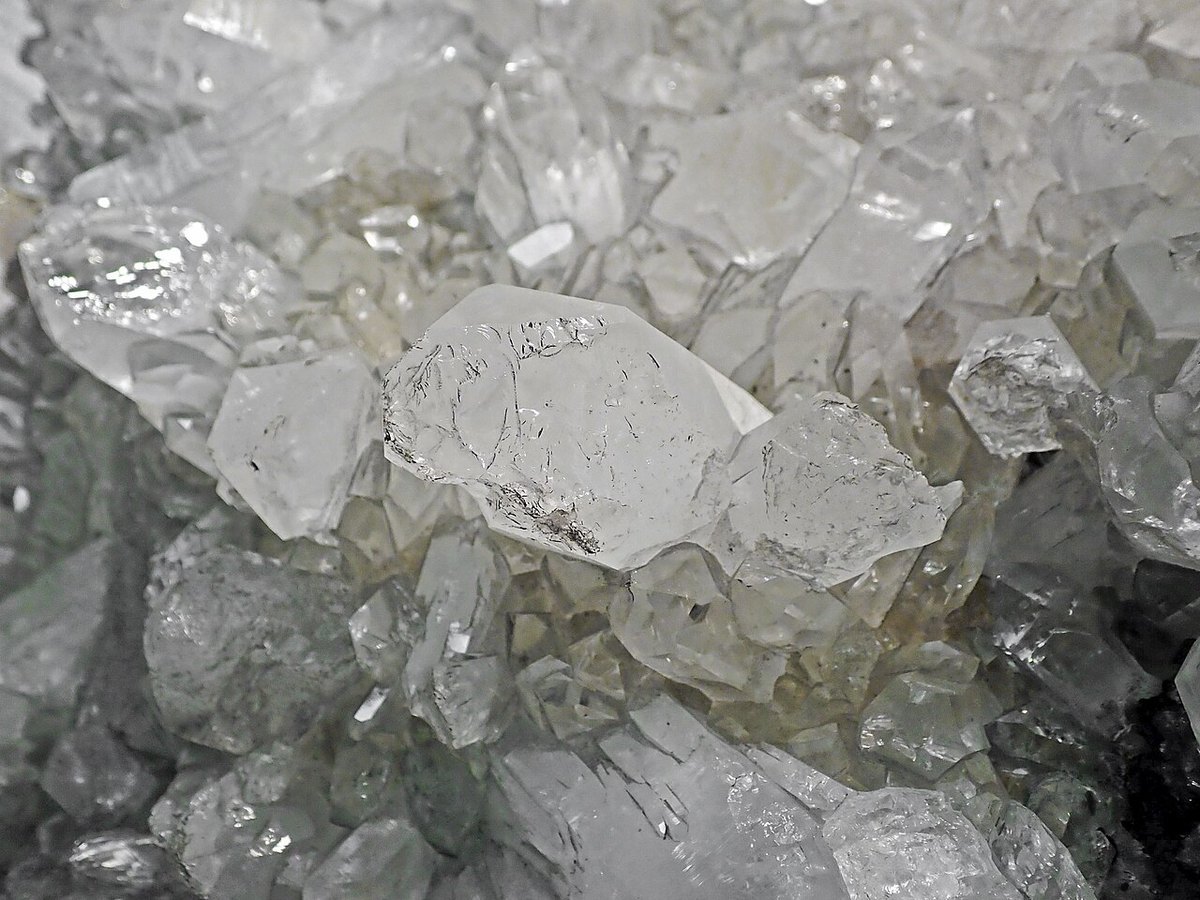
Mexico produces the finest and most abundant commercial specimens, with large translucent pieces ranging from pale honey-orange to vibrant burnt orange. The stone is part of the same calcite mineral family as blue, green, and mangano calcite, differing only in the trace impurities responsible for its color.
Like all calcite, orange calcite has a Mohs hardness of 3, perfect rhombohedral cleavage, and a trigonal crystal structure. Large carved and polished pieces are popular because calcite is soft enough to machine and shape easily while taking a distinctive waxy-to-glassy luster when polished.
Orange calcite spheres and raw specimens are among the most visually striking affordable stones in the crystal healing market.
Orange calcite is the most energetically 'warm' of the calcite family - practitioners consistently associate its vivid orange color with energy, enthusiasm, and action rather than the calming or spiritual qualities attributed to blue or clear calcite.
This makes it a popular pairing for sacral and solar plexus chakra work where stimulating, activating energy is desired.
How Orange Calcite Compares
| Property | Orange Calcite | Carnelian | Citrine |
|---|---|---|---|
| Hardness | 3 | 6.5-7 | 7 |
| Price | $ Budget | $ Budget | $ Budget |
| Color | Warm orange to amber | Orange-red to brown | Yellow to orange-yellow |
| Best For | Specimens, display, meditation | Jewelry, tumbles, wearable | Faceted gems, jewelry |
Meaning and Symbolism
Orange calcite is among the most consistently recommended stones for sacral chakra activation in crystal healing practice. Practitioners describe its energy as expansive, warming. Inherently joyful - a frequency that helps people reconnect with their capacity for pleasure, creativity, and sensual engagement with life after periods of numbness, grief, or chronic stress.
The stone is traditionally associated with amplifying creative energy and breaking through emotional or creative blocks. Crystal healing guides describe orange calcite as particularly useful for those who have 'dimmed themselves down' - people who have suppressed their natural exuberance, sensuality, or creative expression to fit within restrictive environments or relationships.
Orange calcite is also linked to courage and the removal of fear - specifically the kind of fear that prevents people from taking creative risks or expressing themselves authentically.
Practitioners believe the stone's warm fire energy acts as an internal flame that slowly dissolves the ice of chronic self-censorship, reconnecting people with the playful, expressive core of their personality.
Historical Timeline
Healing Tradition
Emotional
Practitioners consider orange calcite one of the most directly activating stones for the emotional body - specifically addressing the kind of emotional flatness, disconnection from pleasure, or creative paralysis that can follow depression, trauma, or prolonged stress.
The stone is said to gently but persistently reignite the emotional body's capacity for joy, enthusiasm, and genuine engagement with life. Working with orange calcite is traditionally described as supporting the 'thawing' of frozen feelings - not by forcing emotional release.
By warming the environment around suppressed emotions until they can move naturally. Crystal healing guides recommend it alongside therapy for those recovering from depression or major life disruptions, always as a supportive complement rather than a substitute for professional support.
Spiritual
Orange calcite's spiritual associations are primarily energetic and creative rather than transcendent. Practitioners describe it as a stone that helps ground spiritual insights into creative action - bridging inspiration (which belongs to the upper chakras) with the embodied will to create (which belongs to the sacral).
The stone is said to be particularly supportive for those who receive abundant creative inspiration but struggle to manifest it in physical form, helping translate vision into action through sacral energy activation.
Some crystal healing guides also connect orange calcite to ancestral joy - the uninhibited pleasure and creative expression that belongs to human beings by nature and is recovered when cultural and personal conditioning that suppresses it is released.
Physical
Crystal healing traditions associate orange calcite with the reproductive system, lower abdomen, and the body's fundamental creative and generative energies. Some practitioners use it in sessions focused on supporting fertility, hormonal balance, or recovering physical vitality after illness - always understood as complementary to conventional medical care.
The stone is also traditionally associated with the digestive system, described as warming and stimulating to the body's digestive fire. Practitioners sometimes place orange calcite at the solar plexus or lower abdomen during rest to support these physical-energetic associations.
Never use crystal practices as a substitute for medical treatment - consult qualified healthcare providers for any physical health concerns.
Zodiac, Birthstone and Gifts
Orange calcite is traditionally associated with Cancer, Leo, and Libra. Cancer practitioners are said to resonate with the stone's emotional warming quality, which gently encourages the kind of creative self-expression that Cancer's protective nature sometimes inhibits.
Leo's natural affinity for creative fire, warm self-expression, and joyful engagement with life aligns powerfully with orange calcite's energetic signature. Libra's connection centers on creative balance - the stone is said to help Libra commit to creative choices and follow through with action rather than remaining indefinitely in the exploration phase.
Care and Cleansing
Use only dry cleansing methods for orange calcite - water dissolves calcite over time, etching and dulling the polished surface. Never immerse in water, and avoid even damp cloth contact for regular cleaning. Brush gently with a soft dry brush to remove dust.
Sound cleansing with a singing bowl or tuning fork is ideal. Smoke cleansing (sage, cedar, orange peel smoke for a complementary energetic resonance) is safe and effective. Moonlight or brief sunrise sun (under 30 minutes) are both used by practitioners for regular energetic maintenance.
Selenite charging plates are convenient for regular use. Avoid soil burial and salt. Extended sunlight exposure - particularly during summer months - can fade the iron oxide coloring over time, so limit sun charging to brief morning exposure only.
- DO store orange calcite separated from harder stones - its Mohs 3 surface scratches against almost any other mineral.
- DO NOT use water, cleaning solutions, or moisture - calcite dissolves and surfaces etch.
- DO NOT use salt, salt water, or salt bowls - chemical reaction with calcite damages the surface.
- NOTE: The vivid orange color can fade with prolonged UV/sunlight exposure - store in a space with indirect natural light.
- DO NOT use ultrasonic cleaners or steam - heat and vibration stress the crystal's cleavage planes.
Real vs Fake
Dyed yellow or white calcite is the most common substitute for orange calcite. The acetone test reliably distinguishes them: genuine orange calcite's iron oxide color is structural and unaffected by acetone, while artificial dye transfers to the cotton swab.
Orange glass or resin pieces are occasionally sold as orange calcite in low-quality retail settings. Glass feels warmer to the touch and shows no natural variation in color distribution. The acid test - a drop of vinegar - causes genuine calcite to effervesce; glass does not react.
Orange aragonite is mineralogically related to calcite (both are calcium carbonate polymorphs) and visually similar. Both are soft and typically orange. Aragonite has a slightly different crystal system (orthorhombic vs calcite's trigonal) detectable by specialists; for practical purposes both are acceptable orange calcium carbonate minerals with comparable properties.
Carnelian (orange chalcedony) is significantly harder (Mohs 6.5-7) than orange calcite and lacks the waxy, somewhat translucent quality of calcite. A copper coin scratches orange calcite easily but does not affect carnelian.
Purchase from established crystal retailers with good sourcing practices. Orange calcite is affordable and widely available - sophisticated fraud has little financial incentive at these price points.
Orange Calcite Jewelry & Gifts
Orange calcite is among the most affordable vibrant-colored stones available. Small tumbled pieces typically cost $3-$12. Polished palm stones and carvings range from $8-$30. Large specimens and spheres sell for $20-$80 depending on size and color intensity.
Color saturation is the primary quality factor. The most desirable pieces show a vibrant, pure orange without excessive gray-brown tones. Deep, saturated tangerine to burnt orange is premium; pale honey tones or muddy brown-orange is lower quality.
Translucency adds visual appeal - pieces that allow light to pass through with a warm glow are more visually dynamic than opaque pieces. Hold specimens up to a light source when selecting - the best orange calcite glows like a lantern.
Mexican origin is the standard benchmark, particularly material from Chihuahua state. US desert Southwest sources and Brazilian material also exist but are less common in retail markets.
For creative workspace use, larger spheres or raw chunks with maximum visual surface area provide the most persistent energetic and visual presence. For meditation, a palm stone or carved piece sized for comfortable hand-holding is most practical.
Where to Buy Orange Calcite
Affiliate disclosure: Some links below earn us a small commission at no extra cost to you. See our affiliate disclosure page.
Handmade, raw, and tumbled pieces from independent sellers worldwide.
Shop Orange Calcite on Etsy →Accessories, tools, and specimen sets with fast Prime delivery.
Shop Orange Calcite on Amazon →Certified loose gemstones graded and photographed for online buyers.
Shop Orange Calcite on GemSelect →Pairs Well With


Where Orange Calcite Is Found


