The solar plexus chakra, called Manipura in Sanskrit, sits between the navel and sternum. It is the third of the seven classical chakras. In modern crystal healing tradition, practitioners associate it with personal will, confidence, and the clear sense of self in action.
In this guide, we gather the 9 stones most often paired with the solar plexus, with hedged use notes and mineralogy cited throughout. This is tradition. Practitioners treat stones as supports for ritual and reflection, not as medical tools. Mineralogy is factual; symbolism is belief.
Solar plexus chakra at a glance
Sanskrit name
Manipura
Location
Upper abdomen, between navel and sternum
Element
Fire
Color association
Yellow, gold
Number of petals
10
Seed sound (bija)
Ram
Theme
Will, confidence, personal power
Zodiac cross-reference
Leo, Aries, Sagittarius (fire signs)
9 stones traditionally associated with the solar plexus chakra
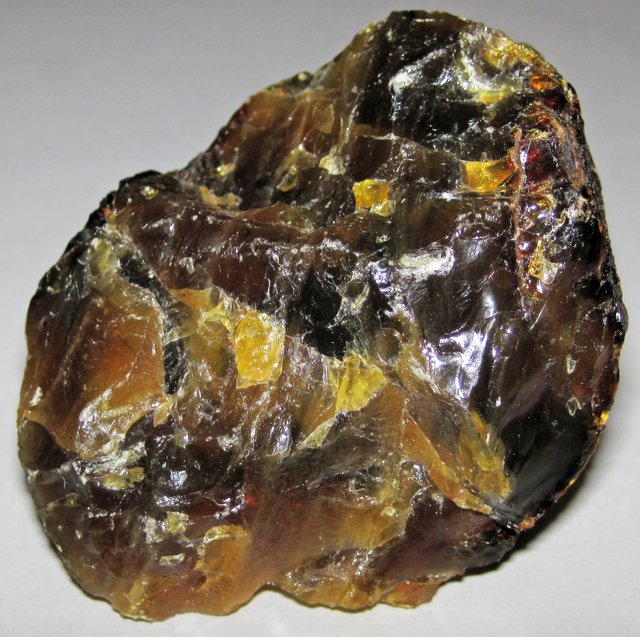
The solar plexus list is dominated by yellow and gold stones. Citrine is the almost-universal first pick. Pyrite, amber, and yellow jasper follow close behind. A few darker-warm stones (tiger's eye, agate) round out the set.
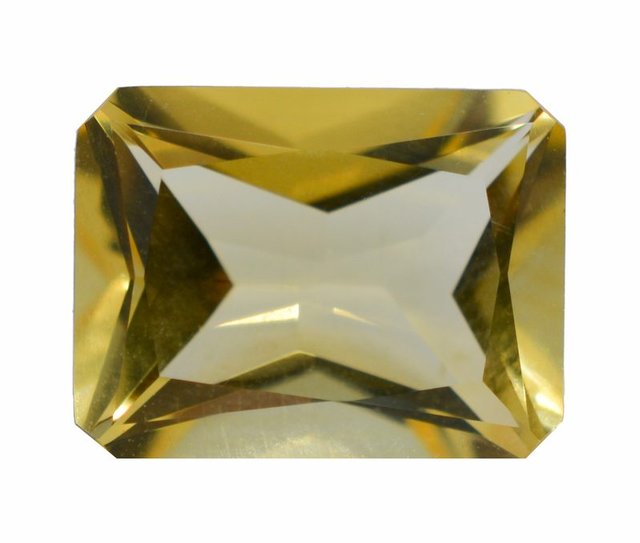
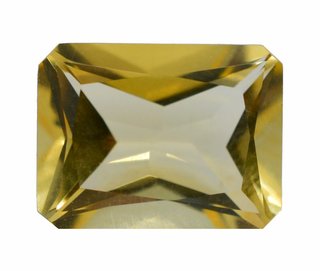
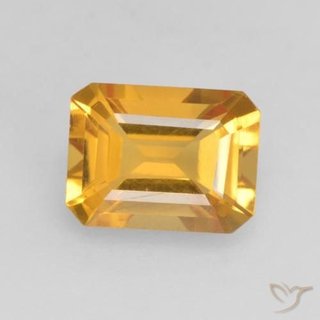
Citrine, the yellow variety of quartz, is the signature solar plexus stone. Its warm golden tone matches the chakra color and its sun association folds in via tradition. Mohs 7. Most commercial citrine is heat-treated amethyst.
Tiger's eye, a chatoyant golden-brown quartz, is paired with solar plexus for its warm banded color and what practitioners call focused courage. Mohs 7.
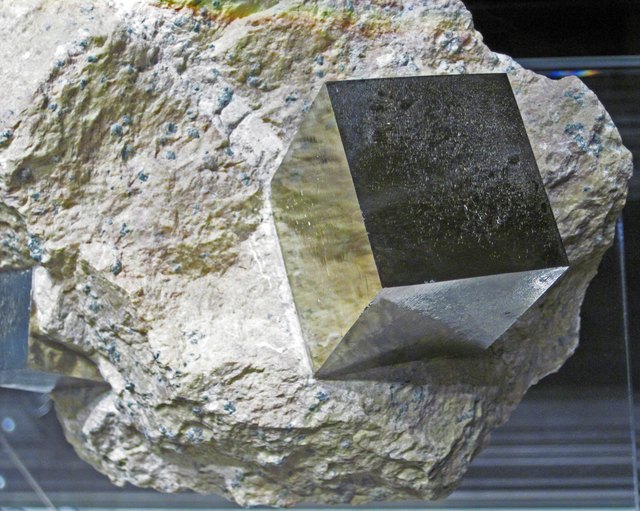
Pyrite, iron sulfide with a brass-yellow metallic polish, is nicknamed “fool's gold.” Crystal writing associates it with solar plexus confidence and what practitioners describe as personal authority. Mohs 6 to 6.5. Sensitive to humidity.
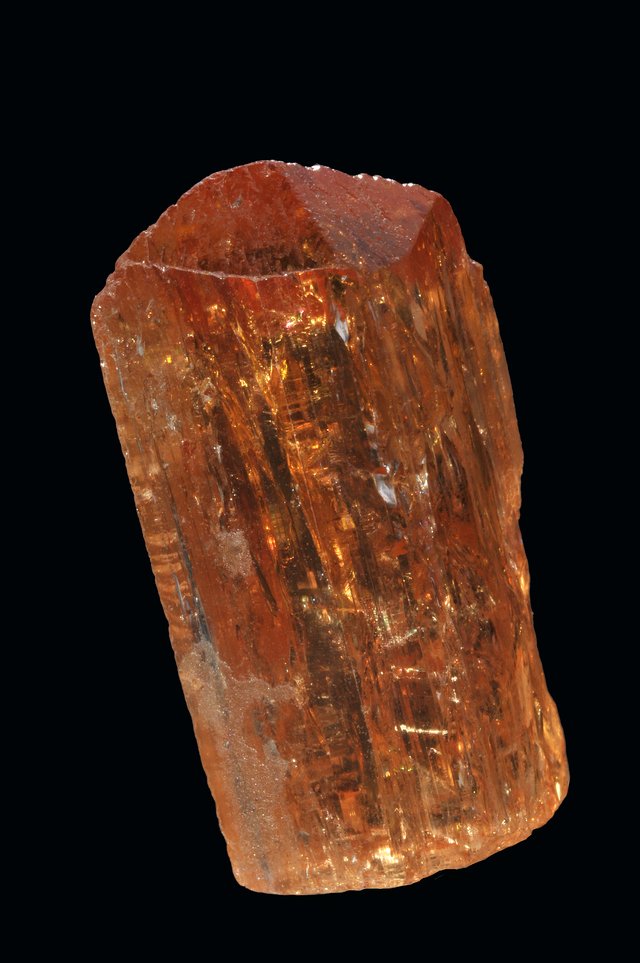
Golden topaz (imperial topaz in the highest grades) is a premium solar plexus stone tied to will and self in older lapidary sources. Mohs 8 with perfect cleavage.
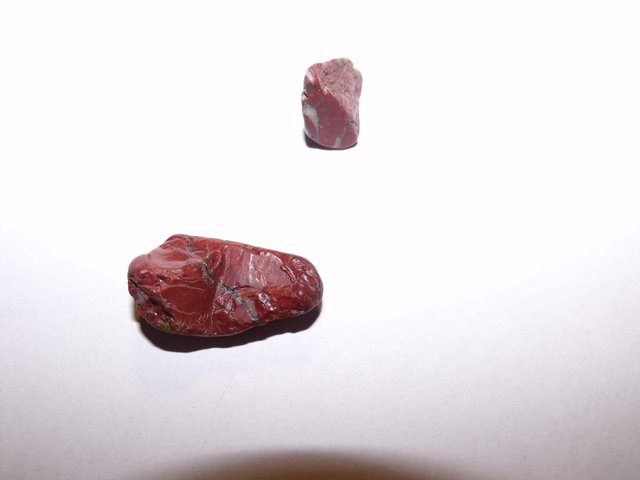
Yellow agate, a banded chalcedony, is common in beaded solar plexus jewelry. Mohs 6.5 to 7.
How practitioners place solar plexus stones
Lie flat on the back, feet grounded flat on a cushion or floor.
Place one stone two to three finger-widths above the navel, near the base of the sternum.
Set a hedged intention, such as “I am willing to speak up today.”
Stay 5 to 10 minutes on first sessions.
Close by lifting the stone, thanking the practice, and shaking out the arms and legs gently.
Cleanse after: sunlight briefly for citrine and tiger's eye (but not pyrite, which can oxidize), sound bath, or moonlight overnight.
When practitioners turn to solar plexus stones
For you if...
Confidence wobbles before a speech, interview, or pitch
Recovering a sense of self after over-accommodating others
Project kickoff rituals
Energy and stamina support during demanding weeks
Consider other options if...
In place of clinical care for fatigue or depression
Expecting medical outcomes
Storing pyrite in humid bathrooms
Solar plexus stones for jewelry
Citrine rings and pendants, tiger's eye bracelets, and amber necklaces are the three most common solar-plexus jewelry pieces. Golden topaz is a premium alternative, typically in pendant or earring settings for its cleavage sensitivity.
Solar plexus stone pairings
Common pairings include citrine with tiger's eye (doubled gold), pyrite with clear quartz (confidence plus amplification), and amber with sunstone (layered solar warmth).
Frequently asked questions
What is the main solar plexus stone?
Citrine is cited in nearly every modern crystal source as the signature solar plexus stone. Tiger's eye and pyrite are the next most consistent.
Is pyrite the same as gold?
No. Pyrite is iron sulfide; gold is the element Au. Pyrite's brass-yellow metallic luster earned it the nickname “fool's gold,” but it is chemically distinct and far less dense.
Can pyrite rust?
Yes. Pyrite can oxidize in humid conditions, producing iron sulfate and sulfuric acid on the surface. Store in a dry place, away from other minerals.
Will citrine fade?
Heat-treated citrine (most commercial) is generally color-stable. Natural amethyst used to produce citrine can fade in prolonged strong sun, so keep display off sun-baked windowsills for color retention.
What color is the solar plexus chakra?
Yellow is traditional, often deepening to gold. Some systems include amber and warm honey as adjacent colors.