What the Fire element means in crystal tradition
Across the four-element systems that show up most often in contemporary crystal books, Fire is tied to will, vitality, and the sacral and solar plexus chakras. It points to direction South on a traditional grid and is paired with summer, midday, and the color red in Western folk systems.
Practitioners describe Fire stones as quick rather than slow. People who carry one to a performance or a difficult meeting often say the stone helped them stop stalling, not that it gave them a new ability. This is the tone we keep throughout: Fire is about movement, not miracle.
Stones traditionally associated with Fire
The list below gathers stones that show up repeatedly in Fire-element correspondences across modern crystal literature. Several also carry Earth or Air associations in other systems. We encourage readers to use these correspondences as a filing system rather than a rulebook.
Fire element stones to begin with




How practitioners use Fire stones
- Holding carnelian before a presentation or interview, as a kind of tactile rehearsal.
- Wearing a ruby pendant during weeks that demand leadership or visible decisions.
- Placing sunstone on a desk while drafting creative work that has stalled.
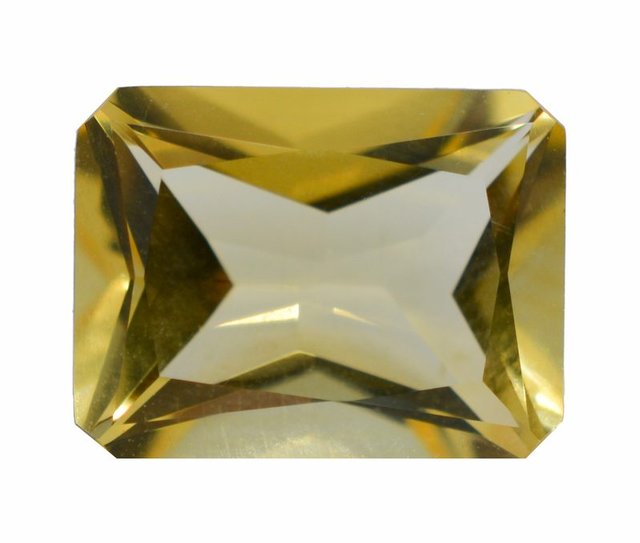
- Carrying a small citrine tumble into meetings about money, contracts, or pricing.
- Pairing fire opal with a cooler Water stone during romance rituals that want heat plus tenderness rather than heat alone.
- Fire stones are associated with heat and drive in tradition only. They do not treat low mood, fatigue, or any medical condition. If a person is struggling with persistent exhaustion or depression, please speak with a licensed professional.
- Fire opal and fire agate are softer than ruby and can lose polish from abrasion or strong cleaning chemicals. Store them separately from harder stones and clean only with a soft, damp cloth.
Fire stones and durability: a jewelry note
Fire stones span a wide durability range. Ruby sits at Mohs 9, just below diamond, and makes an outstanding daily-wear ring. Red garnet is a solid 7 to 7.5 and also performs well in rings when set well.
Carnelian and sunstone are quartz-family minerals at Mohs 6.5 to 7, suitable for most jewelry but benefiting from protective settings in rings. Fire opal is softer, around Mohs 5.5 to 6.5, and is better placed in pendants and earrings than in rings for heavy wear.
For commerce on any of these, see the stone guide on the individual stone pages, where our affiliate partners lists current fine jewelry and our disclosure rules are spelled out.
- You are starting something that needs visible courage.
- You are ending a stalled project and want to move.
- You are drawn to warm reds, oranges, and golds.
- You want a fast-acting stone rather than a slow one.
- You are feeling overstimulated and want to cool down (consider Water stones).
- You are scattered and need grounding (consider Earth stones).
- You are stuck in rumination and want clarity of thought (consider Air stones).
Pairings and related practice
Fire stones are often balanced against Water or Earth. Carnelian paired with moonstone is a common romance-ritual combination in modern practice, described as passion held inside softness. Ruby paired with smoky quartz shows up in grids meant for leadership that stays grounded.
Practitioners will often rotate a Fire stone out of the daily carry for a season once the purpose has been served, because the tradition treats Fire as episodic rather than constant.