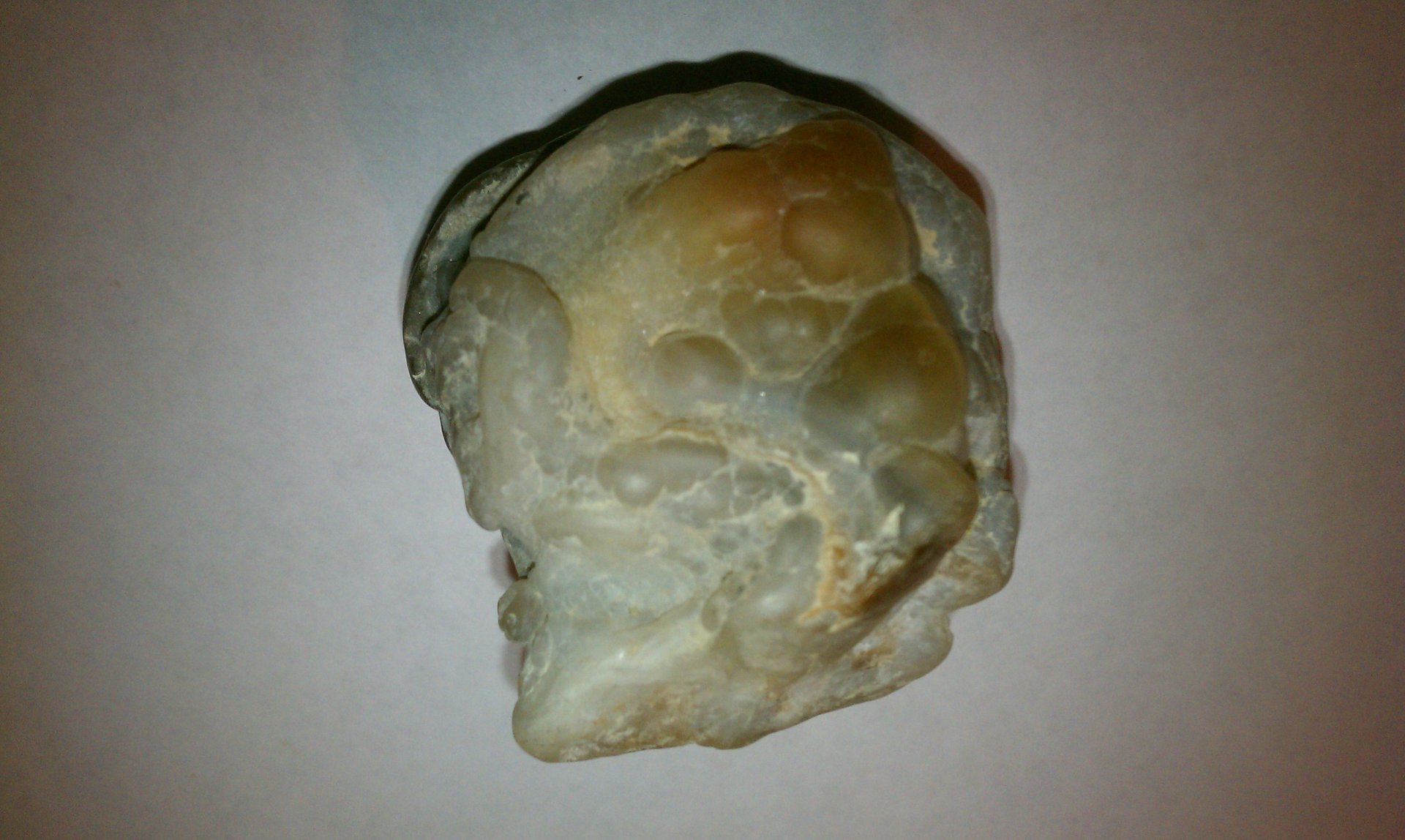
Fire Agate
Brown chalcedony with iridescent fire flashes locked beneath thin iron oxide layers.
- Fire agate's iridescence comes from thin-film interference between alternating iron oxide and chalcedony layers, similar to the optical effect in soap bubbles.
- The Aztecs considered fire agate sacred to the feathered serpent deity Quetzalcoatl because the rainbow flash mirrored his iridescent plumage.
- Skilled fire agate cutters often spend hours per stone removing brown surface chalcedony in stages to reveal the best flash beneath.
- Fire agate occurs in commercial quantities only in northern Mexico and the American Southwest because of the unusual geological requirements for its formation.
- The stone is sometimes called the king of agates by collectors who value its rarity and the artistic skill required for proper cutting.
- Practitioners working with sacral chakra creativity and passion
- Collectors interested in unique iridescent stones with American Southwest provenance
- Pendant and earring shoppers wanting one-of-a-kind iridescent statement pieces
- Aries and Sagittarius readers drawn to fire-element personal talismans
- Buyers seeking an alternative to opal that does not require water care
- Anyone wanting bright transparent gems (fire agate is opaque to translucent)
- Buyers wanting consistent matching stones (every fire agate flash pattern is unique)
- Practitioners seeking high-vibration crown work (try amethyst or sugilite)
What Is Fire Agate?
Fire agate is a unique variety of chalcedony distinguished by iridescent rainbow flashes that appear beneath the stone's translucent brown surface. It rates 6.5 - 7 on the Mohs hardness scale.
The fire effect comes from thin alternating layers of iron oxide and chalcedony deposited inside the stone, with the layer thickness producing thin-film interference colors similar to those seen in soap bubbles or ammolite.
The IMA does not list fire agate as a separate species; mineralogically it is chalcedony with diagnostic iridescent layers. The parent quartz has IMA symbol Qz.
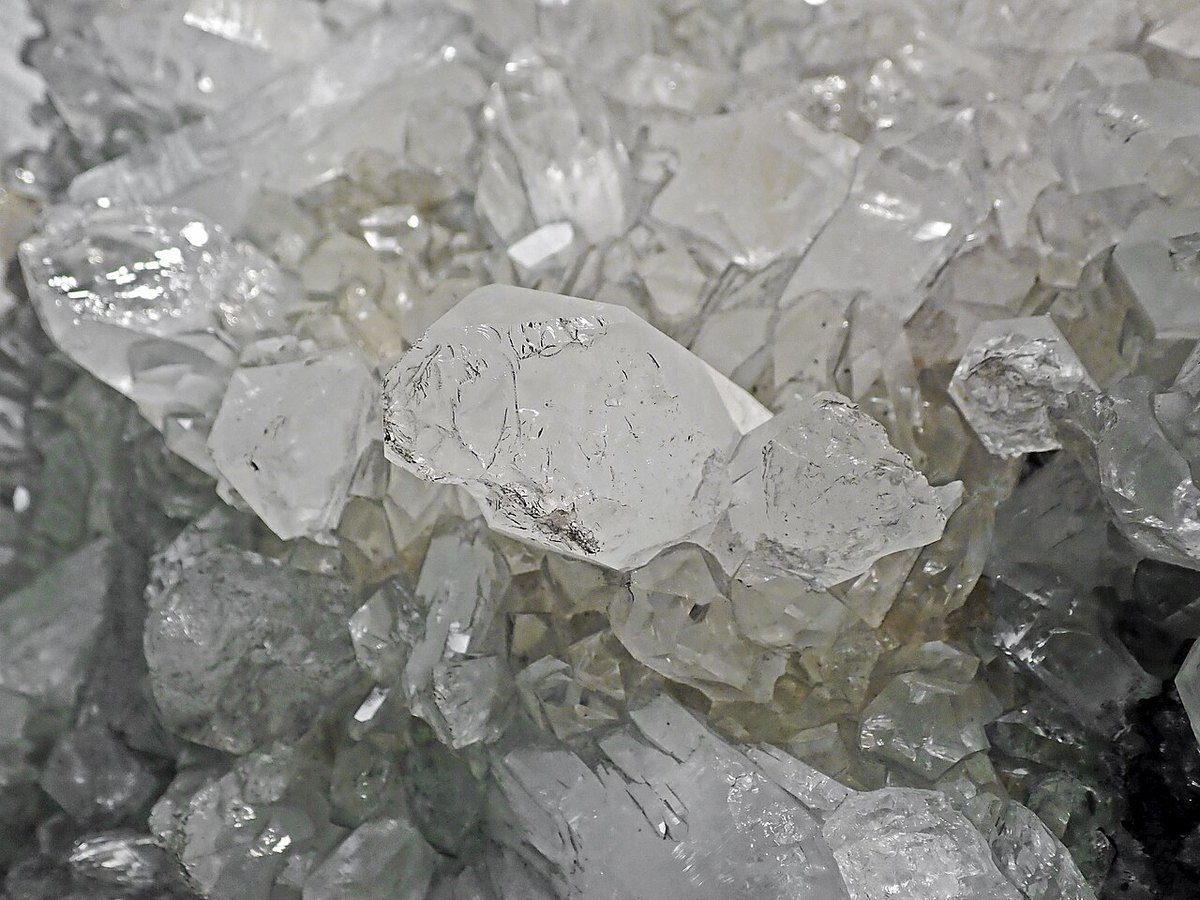
The stone forms in volcanic environments where silica-rich groundwater interacted with iron-rich layers under specific cooling conditions. Geological requirements are unusual enough that fire agate occurs in commercial quantities only in northern Mexico and the southwestern United States, particularly Arizona, California, and New Mexico.
Total world production is small compared with other chalcedonies, which contributes to fire agate's distinctive collector status.
Fire agate has a Mohs hardness of 6.5 to 7 and is durable enough for daily-wear jewelry. The stone is almost always cut as cabochons because the fire effect can only be displayed by following the natural iridescent layers, which requires patient lapidary work to expose the best flash.
Skilled cutters often spend hours per stone, removing brown surface chalcedony in stages to reveal the rainbow play beneath. Most commercial fire agate is sold loose for jewelry mounting or set into rings, pendants, and bolo ties popular in Southwestern American jewelry.
How Fire Agate Compares
| Property | Fire Agate | Opal | Ammolite |
|---|---|---|---|
| Hardness | 6.5 - 7 | 5.5 - 6.5 | 3.5 - 4.5 |
| Price / carat | $ Budget | $ Budget | $ Budget |
| Water safe | Yes | Limited | No |
| Best For | Daily wear, sacral work | Fine jewelry | Pendants, collectors |
Meaning and Symbolism
Fire agate carries deep associations with the indigenous peoples of the American Southwest and northern Mexico, where the stone has been collected and used in ceremonial contexts for centuries.
The Aztecs valued fire agate as a sacred stone of Quetzalcoatl, the feathered serpent deity whose iridescent plumage the stone's flash was said to mirror. Apache, Pueblo, and other indigenous peoples of the modern American Southwest incorporated fire agate into their traditional jewelry and ceremonial objects.
The stone gained recognition in modern Western lapidary traditions during the twentieth century as Arizona and California rockhounds documented commercial deposits and developed the skilled cutting techniques required to display the fire effect properly.
Fire agate became a signature stone of Southwestern American jewelry alongside turquoise and spiny oyster shell. The stone is sometimes called the king of agates by collectors who value its rarity and the artistic skill required to cut it well.
In modern crystal practice, fire agate is traditionally associated with the sacral and root chakras and with the integration of grounded earth energy with passionate fire. Practitioners believe the stone supports readers cultivating creative work that combines vision with sustained practical effort.
Many find fire agate useful as a personal talisman during creative projects, with the stone's combination of brown earth color and rainbow fire interpreted as a literal reminder that creative work emerges from the steady ground of practice.
Historical Timeline
Healing Tradition
Emotional
Practitioners believe fire agate is a stone of passionate creativity, sexual vitality, and the integration of fire with steady grounding. In crystal healing tradition, it is said to activate the sacral chakra, supporting readers seeking to reconnect with creative inspiration that has gone dormant under stress or routine.
Many find fire agate useful during periods when creative projects need both passionate energy and patient follow-through.
The stone has long been used in modern crystal practice for emotional healing related to passion, desire, and the recognition of one's own life-force energy.
Practitioners often pair fire agate with carnelian for amplified sacral work, with clear quartz for focused intention setting, or with black tourmaline when grounding is needed alongside fire agate's activating energy.
Fire agate is sometimes recommended for readers managing the recovery from depression or low energy that practitioners associate with disconnection from creative life force.
Spiritual
Fire agate is traditionally associated with the sacral and root chakras together in modern crystal practice. Practitioners believe its brown earth body grounds the rainbow fire flash, supporting the integration of passionate vision with steady practical effort.
It has long been considered a stone of creative artists and performers in modern Western crystal tradition.
Many find fire agate useful in meditation focused on creative purpose, especially work that involves channeling passionate vision into long-term projects. The stone pairs well with clear quartz in grids built around creative inspiration and with citrine for solar plexus amplification of creative confidence.
Practitioners sometimes use fire agate in ceremonies marking creative milestones, the beginning of new artistic projects, or rites of passage related to passionate self-expression.
Physical
Practitioners believe fire agate supports what they describe as the body's reproductive and creative life-force systems, drawing on the sacral chakra's traditional associations. In folklore, the stone has long been used for general vitality, sexual energy, and the kind of physical aliveness that comes from creative engagement with life.
It is sometimes recommended for readers managing low libido or creative depletion in folk practice.
The stone is also traditionally associated with the digestive system in modern crystal healing, particularly for readers whose digestive issues practitioners associate with chronic creative or emotional suppression. Fire agate is durable enough for continuous wear, which is one of its advantages over more fragile sacral stones.
Fire agate is not a substitute for medical care, and practitioners are careful to frame its role as supportive rather than curative. The stone is sometimes worn as a pendant near the navel or carried as a tumbled stone in a pocket during periods of intensive creative work.
Zodiac, Birthstone and Gifts
Fire agate is most often associated with Aries and Sagittarius, both fire signs known for passionate energy and pioneering effort. Practitioners believe the stone supports these signs in channeling natural fire into creative projects that benefit from sustained ground rather than scattered short bursts.
It has long been recommended for fire-sign artists, performers, and entrepreneurs.
Astrologers sometimes also suggest fire agate for any sign during periods of creative renewal, particularly when the work involves reconnecting with passion that has gone dormant during stressful or routine periods. The stone is generally considered a daytime activating talisman rather than a sleep or contemplative companion.
Care and Cleansing
Fire agate tolerates most common cleansing methods, which makes it relatively easy to maintain. Running tap water for under a minute is safe for both loose and set stones, as is a brief rinse in lukewarm soapy water with a soft cloth to remove skin oils.
Avoid prolonged hot water exposure, since rapid temperature change can stress the iridescent layer structure in some specimens.
Sunlight cleansing is traditionally recommended for fire agate and aligns well with the stone's fire-element symbolism. Thirty minutes to an hour of morning sun is considered sufficient. Moonlight, smoke from sage or palo santo, and sound cleansing with a singing bowl are all considered safe and effective.
Salt cleansing should be brief and dry only, since prolonged saltwater contact can dull polish and corrode metal settings. Many practitioners recharge fire agate by burying it in fresh garden soil overnight to honor the stone's earth-fire dual character.
- DO rinse fire agate jewelry in lukewarm soapy water and dry with a soft cloth.
- DO NOT expose to rapid temperature changes, since thermal shock can stress the layered iridescence.
- DO use bezel rather than prong settings for fire agate cabochons in jewelry.
- DO store fire agate separately from softer gems like opal and pearl to avoid scratching them.
- DO NOT polish or recut fire agate at home, since the iridescent layers can be removed permanently.
- DO ask whether the stone is from Mexican Calvillo or Arizona for grade reference.
- Note: fire agate is rarely treated; suspicious low prices may indicate dyed agate substitutes.
Real vs Fake
Genuine fire agate shows iridescent rainbow flashes that move and shift as the stone is rotated under a single light source, with the colors visible beneath the brown surface rather than on top.
Under magnification you can see the layered structure responsible for the iridescence, with thin alternating bands of iron oxide and chalcedony visible at the right angles. Each stone is unique in its flash pattern, and two cabochons cut from the same rough will differ.
Common imitations include dyed brown chalcedony with painted-on iridescent coatings, glass cabochons with embedded foil layers, and resin imitations with embedded color-shift particles.
Painted dye and surface coatings sit on top of the stone and will scratch or wear off, while real fire agate iridescence extends through the body of the stone in layers.
A reputable independent gemological lab can confirm the silica composition with standard tests; chalcedony has refractive index 1.530 to 1.540 and specific gravity 2.58 to 2.64.
At home, look for the diagnostic three-dimensional iridescent flash that moves with viewing angle, the cool feel of true silica, and the slightly waxy luster of chalcedony. Watch for stones with suspiciously vivid uniform iridescence, since these are often coated or dyed material rather than natural fire agate.
Reputable sellers disclose origin (Mexican Calvillo for premium, Arizona Slaughter Mountain for collector-grade) and any color enhancement. Mexican material commands the highest premiums for color quality and supply consistency.
Fire Agate Jewelry & Gifts
Fire agate pricing depends on flash intensity, color range, cut quality, and origin. Standard cabochons with limited flash run $10 to $50, mid-grade stones with strong fire and clear color range cost $50 to $200, and premium stones with intense full-spectrum iridescence reach $200 to $500 per cabochon.
Exceptional pieces with rare color combinations or unusual size can exceed $1,000, and finished jewelry with fine fire agate centers typically runs $300 to $2,000 depending on metal and design.
Fire agate is generally untreated, and reputable sellers disclose origin (Calvillo, Aguascalientes for premium Mexican supply, Slaughter Mountain or Saddle Mountain for collector-grade Arizona stones) and any treatment. Watch for coated or dyed brown chalcedony marketed as fire agate at suspiciously low prices.
For Southwestern American jewelry traditions, fire agate has long been a signature stone alongside turquoise. supply remains tight as the most productive Mexican deposits have matured, which has driven prices upward across all grades.
Where to Buy Fire Agate
Affiliate disclosure: Some links below earn us a small commission at no extra cost to you. See our affiliate disclosure page.
Handmade, raw, and tumbled pieces from independent sellers worldwide.
Shop Fire Agate on Etsy →Accessories, tools, and specimen sets with fast Prime delivery.
Shop Fire Agate on Amazon →Certified loose gemstones graded and photographed for online buyers.
Shop Fire Agate on GemSelect →Pairs Well With



Where Fire Agate Is Found

