Top 3 Crystals for Depression


Other stones traditionally used


How this page is written
Everything below describes what practitioners report. When the page says a stone is “traditionally associated with” a quality, it means that crystal tradition has long paired the stone with that quality. It does not mean the stone has been shown in research to produce that quality.
Practitioners often describe placing a stone on a nightstand, holding it in the palm during quiet time, or carrying it in a pocket through the day, and describing subjective experiences. Those descriptions are reports, not findings. Read them in that spirit.
Stones practitioners most often associate with low mood
- Sunstone: traditionally associated with warmth and cheer. Practitioners report carrying it during short winter days.
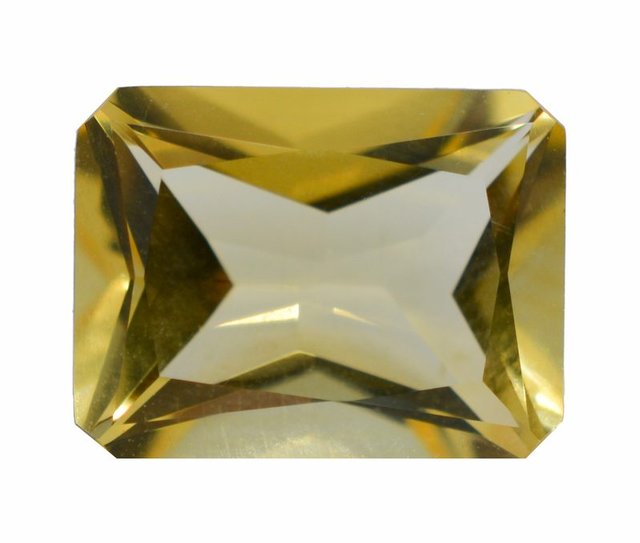
- Citrine: traditionally associated with optimism and the solar plexus chakra. Practitioners report placing it on a sunlit desk.
- Rose quartz: traditionally associated with softness and self compassion. Practitioners report holding it in the palm during quiet moments.
- Amethyst: traditionally associated with mental quiet. Practitioners report placing it by the bed during difficult weeks.
- Clear quartz: often used as an amplifier alongside any of the above.
- Lepidolite: contains lithium in its mineralogy and is widely named in modern crystal writing for gentle presence during low mood. Practitioners report carrying a small tumbled piece.
- Carnelian: traditionally associated with vitality and motivation. Practitioners report working with it during morning routines.
A careful second disclaimer
- Placing a stone by the bed does not treat depression.
- Carrying a stone does not replace medication or therapy.
- If a stone practice is meaningful, keep it alongside clinical care rather than instead of it.
- If a stone practice begins to feel like a reason to skip clinical care, please stop and speak to a clinician.
Chakra framing
Crystal writing often pairs low mood practice with the solar plexus chakra (warmth, confidence) and the heart chakra (compassion, including for oneself). Practitioners report working with a yellow stone for the solar plexus and a green or pink stone for the heart.
The framing is a way of choosing stones, not a claim about the stones themselves.
Practices practitioners describe
- Morning sunlight and a citrine or sunstone on a windowsill: a ritual way of greeting the day.
- A rose quartz held in the palm during quiet time: practitioners describe it as a tactile anchor for self kindness.
- An amethyst by the bed: practitioners report using it as part of a calming wind-down routine.
- A small lepidolite carry stone in a pocket: named frequently in modern crystal writing for difficult weeks.
- A journal alongside any of the above: stone work is often paired with reflective writing so the practice has a record.
Pairings to avoid overreading
Some modern crystal writing pairs specific stones with specific diagnoses or neurotransmitters. Those pairings are recent inventions, not ancient tradition, and they go further than the evidence supports. We do not report them here. A stone is not a selective serotonin reuptake inhibitor.
A stone on a bedside is a ritual object with personal meaning.
When to set the stone down
If a crystal practice starts to feel like a reason to delay or skip care that a clinician has recommended, that is the signal to set the stone down and prioritise the clinical plan. Crystal tradition is richer when it sits alongside evidence based care rather than competing with it.
Readers who have worked with a stone through a difficult time and felt better often describe it as one element of a larger plan that included therapy, medication, exercise, or community, not as the only element.
Related reading
- This page documents crystal tradition, not therapy.
- If you are experiencing depression, please see a qualified clinician.
- If you are in crisis, dial or text 988 in the United States or a local crisis line.
- You deserve real care. Please ask for it.