
Rose Quartz
The soft-pink variety of quartz, rose quartz is the gentle heart stone of compassion, self-love, and emotional healing.
- Rose quartz rarely forms as terminated crystals; most specimens are massive chunks from pegmatite pockets.
- Rare transparent pink quartz from Minas Gerais can be faceted and commands much higher prices than ordinary rose quartz.
- Star rose quartz shows a six-rayed asterism from microscopic rutile fibers aligned in three directions.
- Rose quartz is one of the only stones where the color fades measurably under months of direct sunlight.
- Readers beginning a crystal practice who want a gentle, welcoming first stone
- Practitioners working with heart chakra, self-love, and compassion
- Gift givers shopping for Valentine's Day, anniversaries, or friendship gestures
- Buyers seeking beautiful pink stones in jewelry on a reasonable budget
- Anyone processing grief, heartbreak, or long-term emotional work
- Daily-wear ring buyers wanting a vivid pink (consider pink sapphire or morganite)
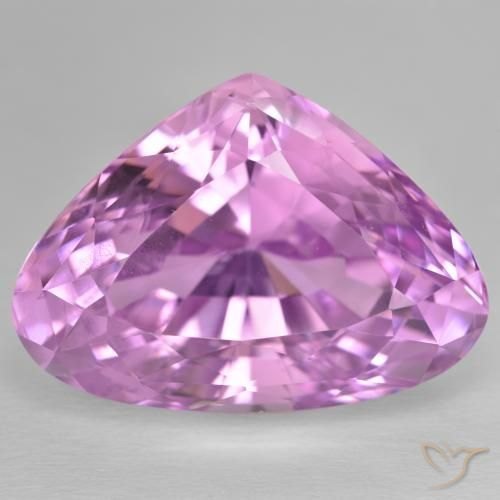
- Those who want a faceted brilliant pink (try kunzite)
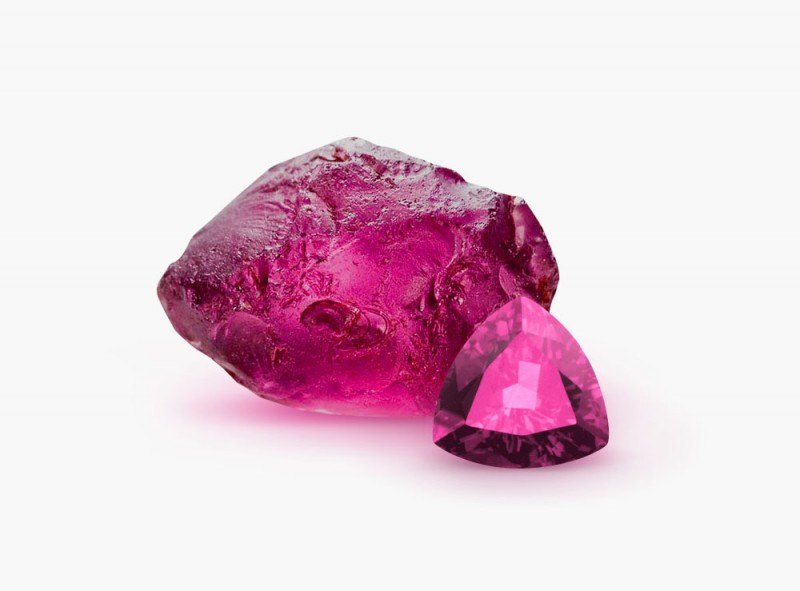
- Buyers seeking high rarity and collectible value (consider red beryl)
What Is Rose Quartz?
Rose quartz is the pink variety of quartz, a silicon dioxide mineral colored by trace amounts of titanium, iron, and manganese, or in some specimens by microscopic fibers of the mineral dumortierite. It rates 7 on the Mohs hardness scale.
The pink ranges from pale baby pink to a deeper rose, and most specimens are slightly cloudy rather than perfectly transparent. A rare transparent, faceting-grade variety called pink quartz comes from specific Brazilian and Madagascar deposits and is sometimes marketed separately.
At Mohs 7, rose quartz is hard enough for daily jewelry in protected settings and is the most popular pink crystal on the market by volume.
Rose quartz forms in pegmatite veins and large hydrothermal pockets, often growing as massive chunks rather than as discrete crystals. Because the color comes from microscopic inclusions rather than trace ions alone, most material does not occur as well-formed terminated crystals the way amethyst or clear quartz do.
The largest producers are Brazil (especially the state of Minas Gerais), Madagascar, and South Africa. Small quantities come from the United States and India.
Some specimens show a soft six-rayed star when cut as cabochon under a single light source, a phenomenon called asterism caused by microscopic rutile needles. Star rose quartz is a collector favorite.
How Rose Quartz Compares
| Property | Rose Quartz | Morganite | Pink Sapphire |
|---|---|---|---|
| Hardness | 7 | 7.5 - 8 | 9 |
| Price / carat | $ Budget | $$ Mid-range | $$$ Premium |
| Rarity | Common | Uncommon | Rare |
| Best For | Healing work, beads, carvings | Engagement rings | Heirloom jewelry |
Meaning and Symbolism
Rose quartz has been the gem of love and beauty since the earliest Mediterranean civilizations. Greek myth attributes its pink color to the blood of Aphrodite and Adonis, and ancient Romans carved rose quartz seals for love letters.
Egyptian and Assyrian tombs have yielded rose quartz beads dating to 7000 BCE, suggesting the stone was among the earliest colored gems in human use.
Medieval healers used rose quartz in preparations intended to soothe grief and restore what they called heart-heaviness. In Japanese tradition, carved rose quartz is sometimes given as a wedding gift to represent enduring gentleness between partners.
The stone has no single dominant historical culture; instead, it shows up quietly across many civilizations as the companion gem for softness and affection.
In modern crystal healing tradition, rose quartz is the iconic heart chakra stone. Practitioners believe it supports self-love, gentle compassion for others, and recovery from heartbreak. It is one of the two or three crystals most often recommended to beginners along with amethyst and clear quartz.
Many readers keep a tumbled rose quartz on the bedside table or in a pocket as a daily reminder of tenderness toward themselves, and the stone is widely considered one of the easiest introductory crystals.
Historical Timeline
Healing Tradition
Emotional
Practitioners believe rose quartz is the iconic stone of gentle emotional healing. In crystal healing tradition, it is most often recommended for self-love work, compassion practice, and recovery from heartbreak.
Many readers keep a tumbled rose quartz on the nightstand, and some describe a subtle softening around difficult memories after keeping the stone close for a few weeks.
Practitioners often pair rose quartz with amethyst when the work involves racing thoughts about relationships, or with black tourmaline when emotional openness needs a protective counterweight.
Because its reputation is gentle and receptive, rose quartz is traditionally considered appropriate for children, grieving friends, and anyone moving through a tender life transition. It pairs beautifully with a simple journaling practice, and many readers describe writing self-compassionate letters while holding the stone.
Spiritual
Rose quartz is traditionally associated with the heart chakra and is considered the foundational stone for heart-opening work in many Western crystal traditions. Practitioners describe it as receptive rather than activating, which is why it is recommended so often for long-term gentle practice.
Many readers place rose quartz at the center of a meditation altar or keep a palm-sized piece near a relationship-focused spiritual practice. Practitioners working with the inner-child or lineage-healing traditions often include rose quartz because of its gentle reputation.
It pairs naturally with clear quartz in grids aimed at relationship intention, and a classic layout places rose quartz at the center surrounded by six clear quartz points. The stone has long been used in devotional practice linked to Venus, Aphrodite, and other deities associated with love.
Physical
Practitioners believe rose quartz supports what they describe as cardiovascular and emotional-heart rhythm balance, a connection that traces back to medieval European medicine. Folk tradition links it with relief from stress-related physical complaints and with general skin-soothing effects.
In modern crystal healing practice, rose quartz is most often placed over the heart or along the sternum during sessions focused on emotional release.
Rose quartz facial rollers and gua sha tools, drawn from East Asian skincare tradition, are widely used in contemporary beauty routines and are described by practitioners as combining physical lymphatic benefit with gentle crystal energy.
It is not a substitute for medical care, and practitioners frame its role as supportive alongside proper treatment. For readers who find stronger stones activating, rose quartz is typically described as one of the gentlest options available, suitable for sensitive people and children's rooms.
Zodiac, Birthstone and Gifts
Rose quartz is traditionally associated with Venus-ruled signs in Western astrology, especially Taurus and Libra. Practitioners describe rose quartz as an ally for Taurus's sensual, comfort-seeking temperament and for Libra's pursuit of partnership and beauty.
Although rose quartz is not a formal birthstone on the US list, it is often recommended as a Valentine's Day and wedding-gift alternative for all zodiac signs because of its universally gentle reputation.
In Vedic tradition, rose quartz is sometimes used as a substitute for pink sapphire when the wearer finds sapphire energy too intense, and is typically set in silver.
Care and Cleansing
Rose quartz tolerates most common cleansing methods. Running lukewarm water for under a minute is safe, as is a gentle wash in mild soapy water with a soft brush for jewelry.
Moonlight cleansing is traditional and poses no risk to the color. Smoke cleansing with sage, palo santo, or cedar and sound cleansing with a singing bowl are also safe.
Dry salt cleansing on a bed of sea salt for a few hours is fine, but saltwater soaks should be avoided because they can corrode metal settings on jewelry.
The one method to avoid is prolonged direct sunlight. Over weeks or months, UV exposure slowly fades rose quartz because the color depends on microscopic inclusions that degrade with light.
A brief daylight rinse is harmless, but a summer windowsill is not a good long-term home for a prized rose quartz. Many readers place rose quartz on a selenite plate overnight before emotional intention work.
- DO store rose quartz out of long-term direct sunlight to preserve pink color.
- DO NOT leave rose quartz in a car dashboard or sunny window for extended periods.
- DO rinse jewelry briefly in lukewarm soapy water and dry with a soft cloth.
- DO NOT use ultrasonic cleaners on fractured or resin-stabilized rose quartz.
- DO remove rose quartz rings before heavy housework to avoid chips on prongs.
- DO store rose quartz separately from harder stones such as diamond, sapphire, and topaz.
- Note: some inexpensive tumbled rose quartz is dyed or heat-treated; ask your seller to confirm natural color.
Real vs Fake
Genuine rose quartz usually shows a cloudy, slightly hazy pink caused by microscopic inclusions rather than the perfectly clear pink of faceted stones. When held up to a bright light, most specimens reveal faint milky streaks or a slightly granular internal texture.
A stone that appears perfectly transparent and evenly colored is either rare faceting-grade pink quartz and priced accordingly, or a suspicious synthetic; most real rose quartz shows characteristic milky translucence.
Common imitations include dyed quartz (artificially colored clear quartz to mimic rose), pink glass (often shows gas bubbles under magnification), and colored plastic composites. Glass feels warmer to the touch and is softer than quartz. A genuine rose quartz will scratch glass easily while glass will not scratch quartz.
Synthetic rose quartz grown by hydrothermal methods is uncommon because natural material is so inexpensive. If a seller prices rose quartz like an expensive gem, ask why; there is rarely reason to pay premium prices for ordinary rose quartz.
For facial rollers and gua sha tools, look for a slight natural color variation across the stone, consistent weight for size, and a polished surface that does not show mold seams.
Genuine rose quartz roller heads are heavier and stay cooler to the touch than the glass or resin imitations common in low-price retail, and the surface shows subtle natural color variation rather than a uniform tint.
For any piece sold as faceting-grade pink quartz or with provenance claims, ask for documentation from the seller and, for significant purchases, request a gemological laboratory report.
Rose Quartz Jewelry & Gifts
Rose quartz is one of the most approachable gems on the market. Tumbled stones cost a few dollars each, large palm-sized pieces run $15 to $60, and faceting-grade pink quartz in small sizes reaches $50 to $200 per carat for top material.
Commercial cabochons typically sit at $1 to $10 per carat, and standard jewelry-set rose quartz rarely exceeds $15 per carat. Star rose quartz cabochons showing a clear six-ray asterism are a collector premium and run $30 to $100 per carat.
Treatment is uncommon because natural material is so abundant. Occasional dyeing of very pale stones occurs in cheap tumbled lots and should be disclosed. Gentle heat may be applied to stabilize color.
When buying, look for even color distribution, avoid stones with visible internal fractures (which weaken jewelry settings), and for statement pieces ask about origin. Brazilian material is the industry standard, while Madagascar produces slightly richer pinks and South Africa offers larger carving blocks.
Facial rollers and wellness tools vary widely in quality. Genuine rose quartz tools feel heavier than glass or resin imitations, show minor natural variation across the surface, and come from sellers willing to disclose manufacturing origin.
Where to Buy Rose Quartz
Affiliate disclosure: Some links below earn us a small commission at no extra cost to you. See our affiliate disclosure page.
Handmade, raw, and tumbled pieces from independent sellers worldwide.
Shop Rose Quartz on Etsy →Accessories, tools, and specimen sets with fast Prime delivery.
Shop Rose Quartz on Amazon →Certified loose gemstones graded and photographed for online buyers.
Shop Rose Quartz on GemSelect →Pairs Well With


Where Rose Quartz Is Found


