The seven-chakra framework that circulates in modern Western crystal practice assigns each chakra a location in the body, a color, a set of associated intentions, and a traditional stone pairing. This reference maps all seven chakras to their most commonly recommended stones, with notes on how practitioners traditionally use each pairing.
Chakras are a framework drawn from modern adaptations of Indian and Tibetan contemplative traditions. They are not anatomical structures, and working with chakra stones is a complement to other forms of self-care, not a replacement for professional support.
Quick Reference: All 7 Chakras
Chakra
Location
Color
Core intention
Primary stone
1. Root (Muladhara)
Base of spine
Red
Safety, grounding, survival
Black Tourmaline
2. Sacral (Svadhisthana)
Below navel
Orange
Creativity, pleasure, sensuality
Carnelian
3. Solar Plexus (Manipura)
Upper abdomen
Yellow
Confidence, power, digestion of experience
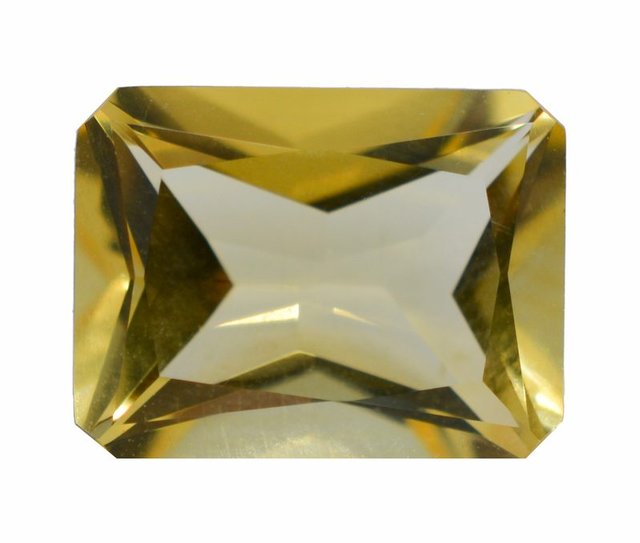
Citrine
4. Heart (Anahata)
Center of chest
Green / Pink
Love, compassion, forgiveness
Rose Quartz
5. Throat (Vishuddha)
Throat
Blue
Communication, truth, expression
Blue Lace Agate
6. Third Eye (Ajna)
Between the brows
Indigo
Intuition, inner knowing, perception
Amethyst
7. Crown (Sahasrara)
Top of head
Violet / White
Spiritual connection, unity, transcendence
Clear Quartz
How to Identify Which Chakra to Work With
The intention you carry most strongly points toward a chakra. Use the questions below as a guide. You may find more than one applies — in that case, start with the lowest on the body (closest to the root) and work upward, because practitioners generally hold that unresolved root or sacral energy makes higher-chakra work less stable.
Intention to chakra mapping
Feeling unsafe, unstable, or ungrounded
Root chakra. Work with grounding stones before other chakras.
Blocked creatively, emotionally numb, or disconnected from pleasure
Solar plexus chakra. Citrine, tiger's eye, pyrite.
Heartbreak, difficulty loving yourself or others, grief over a relationship
Heart chakra. Rose quartz, green aventurine, malachite.
Difficulty expressing yourself, fear of speaking, feeling misunderstood
Throat chakra. Blue lace agate, aquamarine, sodalite.
Disconnected from intuition, mental fog, trouble trusting inner guidance
Third eye chakra. Amethyst, labradorite, lapis lazuli.
Spiritual disconnection, existential questions, feeling alone in the universe
Crown chakra. Clear quartz, selenite, amethyst.
Root Chakra: Muladhara
The root chakra is associated with survival, safety, and the sense of belonging to the earth. When practitioners describe an imbalanced root chakra, they use words like ungrounded, anxious about basics (money, home, health), or disconnected from the body. Grounding stones are heavy, dark, and associated with the earth element.
Root chakra stones
Primary: Black Tourmaline
The most widely referenced root stone. Said to absorb and ground scattered energy. Place at the base of the spine during meditation, or keep near the feet.
Supporting: Smoky Quartz
Gentler than black tourmaline. Associated with transmuting fear into grounded awareness. Good for those new to grounding practice.
Supporting: Red Jasper
Associated with earthy stability and physical endurance. Often recommended for those working through fear in the body.
Alternative: Hematite
Strongly grounding. High iron content. Used when extreme grounding is needed.
Color / element
Red. Earth element. Dense, heavy stones are traditional.
Sacral Chakra: Svadhisthana
The sacral chakra is associated with creativity, pleasure, and emotional fluidity. Practitioners describe sacral blockage as creative paralysis, emotional numbness, or difficulty experiencing joy. Orange stones are the traditional pairing because of their warm, activating color association.
Sacral chakra stones
Primary: Carnelian
Energizing, warm, motivating. Associated with creative action and emotional vitality. Carry in a pocket or hold during creative work.
Supporting: Orange Calcite
Joyful, playful. Said to dissolve emotional blocks in a lighter way than carnelian. Good for creativity stuck in self-criticism.
Supporting: Sunstone
Associated with independent will and optimism. Good when sacral energy is suppressed by others' expectations.
Alternative: Moonstone
Associated with feminine creativity and emotional cycles. Especially referenced for those working with hormonal or cyclic patterns.
Color / element
Orange. Water element. Flow and movement are the guiding metaphors.
Solar Plexus Chakra: Manipura
The solar plexus chakra is associated with personal power, self-worth, and the capacity to take action. Practitioners describe imbalance as low confidence, people-pleasing patterns, difficulty making decisions, or digestive discomfort linked to stress. Yellow and gold stones are the traditional pairing.
Solar plexus chakra stones
Primary: Citrine
Solar, clarifying, action-supporting. Said to amplify personal will and reduce self-doubt. Place on a desk or in workspace. Practitioners note it resists absorbing negative energy.
Supporting: Tiger's Eye
Grounded confidence. Associated with making clear-headed decisions under pressure. Good for those who overthink.
Supporting: Pyrite
Sometimes called the stone of abundance. Associated with taking decisive action and feeling worthy of success.
Alternative: Yellow Jasper
Gentle solar energy. Good for sustained confidence over time rather than acute confidence in a moment.
Color / element
Yellow. Fire element. Power and transformation.
Heart Chakra: Anahata
The heart chakra is associated with love, compassion, forgiveness, and the capacity for emotional intimacy. Practitioners describe imbalance as difficulty trusting others, lingering grief or resentment, or being closed to new relationships. Both green and pink stones are traditionally referenced — green for healing and growth, pink for warmth and self-compassion.
Heart chakra stones
Primary: Rose Quartz
The near-universal heart stone. Self-love, compassion, gentle opening. Place in the bedroom, wear as a pendant over the heart, or hold during emotional difficulty.
Supporting: Green Aventurine
Associated with emotional optimism and opening to new relationships. Sometimes called the stone of opportunity for the heart.
Supporting: Rhodonite
Associated with healing after heartbreak. Pink with dark inclusions. Specifically referenced for grief over lost relationships.
Alternative: Malachite
Transformative — associated with releasing old emotional patterns. Practitioners note it can surface difficult emotions; use deliberately.
Color / element
Green (growth) and pink (warmth). Air element.
Throat Chakra: Vishuddha
The throat chakra is associated with communication, authentic self-expression, and the courage to speak truth. Practitioners describe imbalance as difficulty saying what needs to be said, fear of judgment when speaking, or a tendency to speak inauthentic words to avoid conflict. Blue stones are the traditional pairing.
Throat chakra stones
Primary: Blue Lace Agate
Soft, soothing blue. Associated with gentle and clear communication. Especially referenced for those whose throat blockage comes from anxiety rather than suppression.
Supporting: Aquamarine
Associated with clarity of expression, especially in leadership or teaching. Traditionally linked to courageous communication at sea (metaphorically: speaking in difficult conditions).
Supporting: Sodalite
Associated with rational truth-telling and communicating from principle rather than reaction. Good for professionals who need to speak difficult truths.
Alternative: Lapis Lazuli
Associated with royal self-expression and speaking from wisdom. Contains pyrite flecks that practitioners link to the courage dimension of expression.
Color / element
Blue. Ether / sound element.
Third Eye Chakra: Ajna
The third eye chakra is associated with intuition, inner knowing, imagination, and the capacity to see beyond the obvious. Practitioners describe imbalance as relying entirely on external authority, disconnection from gut knowing, or inability to trust perceptions. Deep blue and indigo stones are the traditional pairing.
Third eye chakra stones
Primary: Amethyst
The most widely referenced third-eye stone. Associated with calm intuition, dreamwork, and accessing inner knowing. Place on the forehead during meditation or keep in a meditation space.
Supporting: Labradorite
Associated with transformation and accessing hidden truth. The iridescent flash is often referenced as a visual metaphor for insight breaking through mundane perception.
Supporting: Iolite
Sometimes called the vision stone. Associated with navigating ambiguity and trusting direction. Historically used by Norse navigators as a sunstone for direction-finding.
Alternative: Lapis Lazuli
Associated with royal wisdom and deep inner truth. Has been used in spiritual contexts for more than 5,000 years.
Color / element
Indigo. Light element.
Crown Chakra: Sahasrara
The crown chakra is associated with spiritual connection, unity consciousness, and the sense of participating in something larger than the individual self. Practitioners describe imbalance as spiritual disconnection, existential isolation, or dogmatic attachment to any single belief system. Clear and violet stones are the traditional pairing.
Crown chakra stones
Primary: Clear Quartz
The universal amplifier. Associated with clarity, unity, and holding any intention with equal focus. Said to align all chakras simultaneously. Place at the top of the head during meditation.
Supporting: Selenite
Associated with divine connection, purification, and accessing higher guidance. Many practitioners use selenite to clear and align the full chakra column. Handle carefully — it is very soft (Mohs 2) and water-soluble.
Supporting: Amethyst
Bridges the third eye and crown. Associated with moving from personal intuition toward universal awareness.
Alternative: Howlite
White stone associated with stillness, patience, and opening to spiritual perspective. Affordable and widely available.
Color / element
Violet and white. Thought / consciousness element.
The three most common methods practitioners describe are meditation placement (lying down and placing stones on the body at the chakra location for 10–20 minutes), carrying (keeping the stone in a pocket, bag, or worn as jewelry), and altar placement (placing the stone in a meaningful location in your home where you will encounter it regularly).
Many practitioners use a full set of seven stones — one per chakra — laid along the body from feet to crown during a dedicated meditation session. Others work with one or two chakras at a time based on current need. Both approaches are valid within modern Western crystal practice.
Frequently Asked Questions
Do I need stones in all 7 colors to work with the chakra system?
No. Many practitioners work with a single chakra stone at a time, focusing on the area of current need. A full set of 7 matched stones is one approach but not a requirement. Start with the chakra that feels most relevant and add stones over time.
Can I use the same stone for multiple chakras?
Yes. Amethyst appears in the third eye and crown chakras. Clear quartz is used across all chakras. Lapis lazuli is referenced for both throat and third eye. Practitioners often cite clear quartz as a substitute for any chakra stone when the specific stone is unavailable.
Why do different sources recommend different stones for the same chakra?
Modern Western crystal chakra associations developed in the late 20th century and are not drawn from a single canonical source. Different books, teachers, and traditions have developed their own pairings. The associations in this guide are the most consistent across major modern crystal references, but variation is normal and expected.
How long should I work with a chakra stone?
Practitioners vary widely. A dedicated meditation session is typically 10–20 minutes. Carrying or wearing a stone can be sustained all day. Most practitioners suggest working with a chakra intention for at least a week before changing the focus, so the practice has time to develop.
What is chakra balancing?
In modern crystal practice, chakra balancing refers to working with all seven chakras in a single session, typically by placing one stone at each chakra location and resting quietly for 15–30 minutes. The goal is to bring awareness to the full body system rather than a single area. This is sometimes done with a practitioner guiding the session.
A note on chakras and health
Chakras are a framework from modern adaptations of Indian and Tibetan contemplative traditions. They are not anatomical structures recognized in medicine. Working with chakra stones is a personal practice, not a medical treatment.
Crystal work with chakras is a complement to professional care, not a replacement. If any intention in this guide involves physical symptoms, serious emotional distress, or mental health concerns, please work with a licensed practitioner.