Top 3 Crystals for Love


Other stones traditionally used


How love stones are framed in tradition
Practitioners describe stones of love as tools for turning attention inward first. Before a stone is asked to do anything about romance, it is asked to help the carrier be kinder to themselves. Self love comes first because it is the ground on which the other kinds of love rest.
A person who is kind to themselves tends to choose kinder partners, notice kinder friends, and hold kinder family patterns. The tradition is not mystical on that point; it is practical.
Stones practitioners most often associate with love
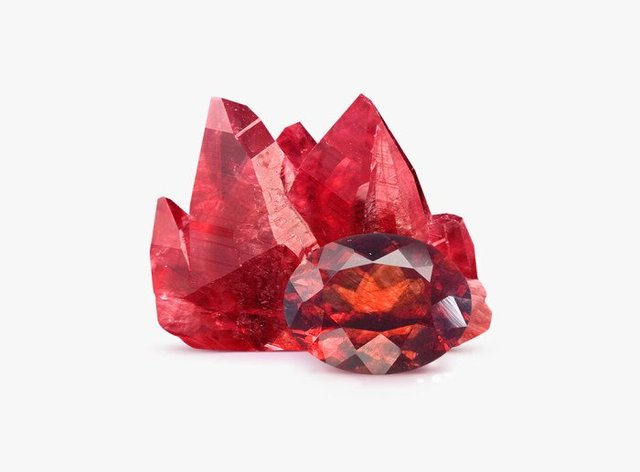
- Rose quartz: the classic love stone of modern crystal tradition. Traditionally associated with gentle self compassion and open-hearted presence.
- Rhodonite: traditionally associated with forgiveness and reconciliation with oneself. Practitioners report working with it after difficulty.
- Rhodochrosite: traditionally associated with childlike warmth and inner reparenting.
- Green aventurine: traditionally associated with the heart chakra’s green lane; practitioners report carrying it for general warmth.
- Emerald: traditionally called the stone of successful love in medieval European writing.
- Morganite: a modern favorite; traditionally associated with tender romance.
- Pink tourmaline: practitioners report working with it for self compassion without softness tipping into self pity.
Self love before romance
In practitioner writing, the sequence is almost always the same: one works with a stone for self kindness first, without any expectation of romantic outcome, and the romantic chapter, if it matters, comes later. A daily palm stone of rose quartz with a short breathing pause is a classic starting ritual.
Practitioners describe it as a small signal to the self that kindness is available from one’s own hand before it is asked for anywhere else.
Romance rituals practitioners describe
- Pair stones rather than single stones: a piece of rose quartz and a piece of rhodonite together, carried by one person, not placed between two people as a contract.
- Heart chakra placement: lying down with a green or pink stone on the center of the chest for ten minutes.
- Shared stone: couples sometimes keep a matched pair of stones, one each, as a small ritual object, not as a magical link.
- Journaling pairs: a stone beside a notebook where a reader writes to themselves about what love actually looks like in their life.
What love stones are not
- They are not love spells.
- They do not bring ex partners back.
- They do not cause other people to fall in love with the carrier.
- They are not a substitute for communication, therapy, or mutual care.
- They cannot make an unkind relationship safe.
Chakra framing
Crystal tradition places love work at the heart chakra, associated with the color green and with the color pink. The pairing of a green stone (emerald, green aventurine) and a pink stone (rose quartz, morganite, pink tourmaline) is a classic combination: the green is said to be steady presence.
The pink is said to be gentle warmth.
Practitioners report holding one in each palm for a short breath practice.
Gift occasions
Rose quartz is the gift stone of crystal tradition. A simple tumbled rose quartz in a small velvet pouch is a gentle, affordable expression of care that does not oblige the recipient to anything. Morganite and pink tourmaline read more special-occasion, particularly in jewelry.
Emerald is the serious love gift of the classical canon and remains a deeply traditional anniversary stone.
Related reading
- This page describes cultural tradition around the heart.
- Real love is built in conversations, actions, and time, not in stones.
- If a relationship is causing harm, please reach for professional support.