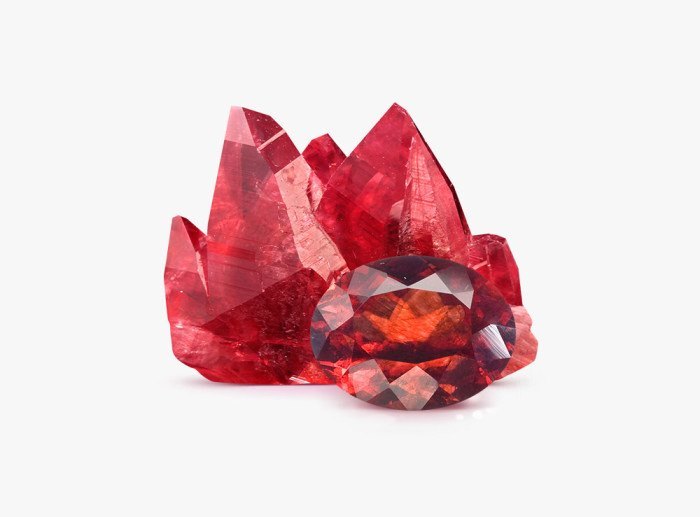
Rhodochrosite
Born in silver-ore veins as soft rose-pink rhombohedrons, rhodochrosite is the Inca rose stone of inner-child healing.
- Rhodochrosite is Colorado's official state mineral, designated in 2002.
- The Sweet Home Mine in Colorado produced the Alma King, one of the world's most valuable rhodochrosite specimens.
- Inca rose is the traditional Argentine name for banded rhodochrosite from Capillitas.
- Rhodochrosite's refractive index can exceed 1.840, giving transparent stones brilliant fire.
- The stone shows perfect cleavage in three directions, making faceting particularly challenging.
- Practitioners seeking a heart chakra stone for inner-child healing and self-love work
- Collectors drawn to rhodochrosite's characteristic banded pink-white pattern
- Readers who connect with Argentine mining heritage and Inca folk association
- Crystal workers wanting a softer alternative to rhodonite
- Gift buyers for emotional healing milestones or therapy anniversaries
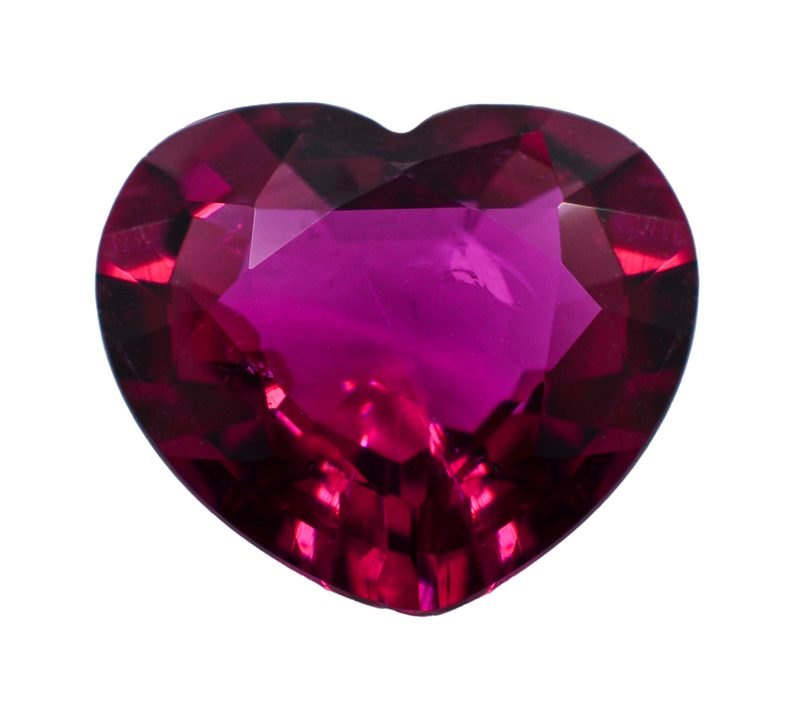
- Buyers wanting daily-wear rings (Mohs 3.5 to 4 is fragile; consider pink tourmaline)
- Readers seeking colorless or clear stones (rhodochrosite is pink and typically banded)
- Shoppers wanting stones safe for salt or long sun exposure
What Is Rhodochrosite?
Rhodochrosite is a manganese carbonate mineral known for its distinctive rose-pink color, often appearing in translucent rhombohedral crystals or massive banded material with white calcite lamellae. The name comes from Greek rhodon (rose) and chros (color), a reference to the characteristic soft pink tones. It rates 3.5 - 4 on the Mohs hardness scale.
The mineral forms in hydrothermal veins, frequently associated with silver ore deposits.
At Mohs 3.5 to 4, rhodochrosite is soft and relatively fragile, making it best suited for cabochon jewelry, beads, and carvings rather than rings subject to rough wear. The stone also shows perfect cleavage in three directions, requiring careful handling during cutting.
Its refractive index of 1.578 to 1.840 is high for a carbonate, and transparent faceted stones show brilliant fire that rivals some precious gems.
Commercial rhodochrosite comes primarily from Argentina (Capillitas Mine), the United States (notably Colorado's Sweet Home Mine), Peru, and South Africa (N'Chwaning Mine). Argentine material often appears as banded Inca rose stalactitic stone used in carvings and beads.
American rhodochrosite from Colorado has produced some of the world's finest transparent red-pink faceted crystals, commanding collector prices. The Colorado state mineral designation reflects this heritage, and Sweet Home Mine specimens are among the most valuable rhodochrosite pieces in the market.
How Rhodochrosite Compares
| Property | Rhodochrosite | Rhodonite | Pink Tourmaline |
|---|---|---|---|
| Hardness | 3.5 - 4 | 5.5 - 6.5 | 7 - 7.5 |
| Price / carat | $ Budget | $ Budget | $$ Mid-range |
| Rarity | Moderate | Common | Moderate |
| Best For | Cabochons, beads, healing | Affordable carved pieces | Daily-wear jewelry |
Meaning and Symbolism
Rhodochrosite's cultural history centers on South America. In pre-Columbian Argentina, the Inca reportedly mined rhodochrosite from the Capillitas region for ceremonial and decorative objects, giving rise to the nickname Inca rose. Local folklore associates the stone with the blood of Inca royalty, though the archaeological evidence is limited.
The stone entered Western mineralogy in the early 1800s and has been continuously documented since.
In modern crystal healing tradition, rhodochrosite is associated with inner-child work, self-love, and emotional healing. Practitioners often describe it as the stone of compassionate self-forgiveness, particularly for readers recovering from childhood patterns or working through long-standing emotional wounds.
Its soft pink color aligns it with rose quartz in heart chakra practice, though rhodochrosite is often considered more active in its healing quality.
The stone is also traditionally linked with creative expression and passion for life. Crystal workers often recommend rhodochrosite for readers who have lost touch with joyful spontaneity, framing the stone as a gentle invitation back into present pleasure.
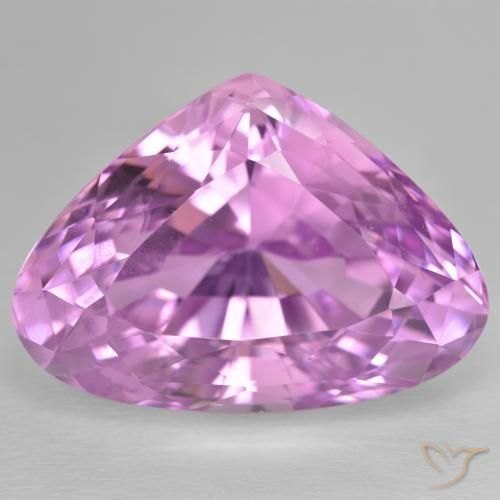
Modern tradition has also positioned rhodochrosite as a dream-recall stone, particularly for processing childhood memories through the unconscious mind. Its pairing with rose quartz and kunzite is standard in heart-chakra grids.
Historical Timeline
Healing Tradition
Emotional
Practitioners believe rhodochrosite is a stone of inner-child healing, traditionally associated with self-love, emotional recovery, and gentle forgiveness of earlier self. In crystal healing tradition, it is said to support readers working through childhood patterns, therapy processing, and reconnection with joyful spontaneity.
Many readers wear rhodochrosite pendants during therapy sessions or while journaling about early memories. Practitioners often pair rhodochrosite with rose quartz for compound tenderness and with kunzite for combined spodumene-and-carbonate heart work.
Crystal workers frequently describe rhodochrosite as a more active version of rose quartz, offering the same loving quality with an additional push toward expressed emotion rather than passive softness.
The stone is also traditionally associated with creative expression and passion for life, making it a favored choice for readers in artistic professions or those recovering their voice after extended difficult seasons.
Spiritual
In crystal healing tradition, rhodochrosite is linked with the heart and solar plexus chakras, bridging compassionate feeling with willful self-advocacy. The stone's pink color places it in the heart-chakra family, but its manganese content gives it an energizing quality that practitioners describe as active healing.
Many readers use rhodochrosite as a focal anchor during self-forgiveness rituals or inner-child journaling.
Practitioners often describe rhodochrosite as a heart warrior stone, suitable for readers who have done the initial work of emotional opening and now need support to reclaim personal power. Crystal workers sometimes pair rhodochrosite with citrine when heart-centered work needs to extend into confident self-expression.
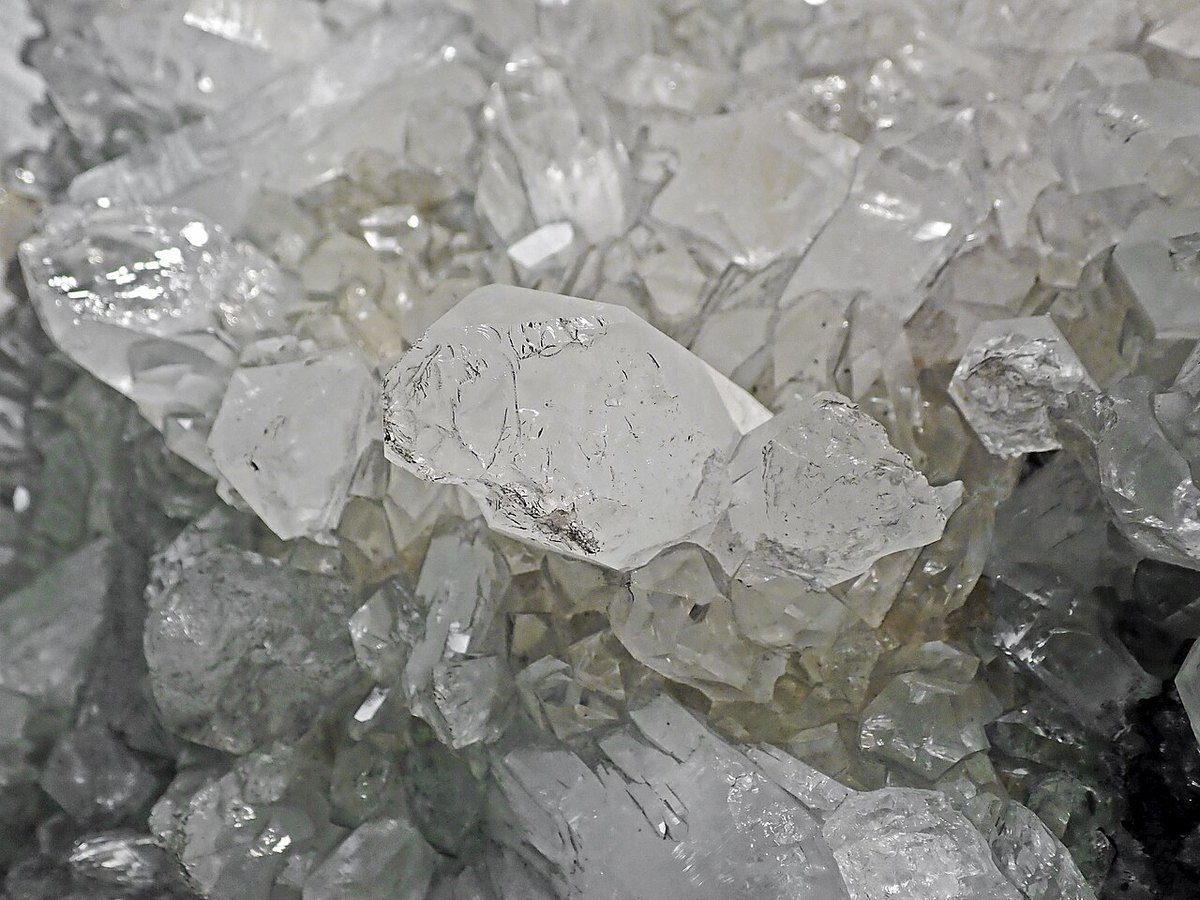
Rhodochrosite pairs with clear quartz in amplification grids and with rose quartz in softer emotional layouts. The stone's Argentine Inca association adds a layer of indigenous wisdom symbolism for practitioners interested in South American spiritual traditions.
Physical
Practitioners believe rhodochrosite is traditionally associated with the circulatory system, heart muscle, and what they describe as general vitality and stamina. Folklore links the stone with recovery from emotional trauma that has manifested physically as chest tension, shortness of breath, or heart palpitations, framed as supportive accompaniment rather than medical intervention.
Many readers wear rhodochrosite pendants near the heart during recovery periods from heartbreak or stress-induced physical symptoms. The stone is not a substitute for healthcare and practitioners are consistent in describing its role as accompanying rather than treating.
Some crystal workers also suggest rhodochrosite for readers experiencing burnout in caregiving roles, often paired with amber for gentle warmth. Because rhodochrosite is soft and slightly porous, direct gem elixirs are generally avoided and indirect preparation is preferred.
Zodiac, Birthstone and Gifts
Rhodochrosite is not a traditional birthstone, but modern astrologers often associate it with Leo for its heart-centered passion and with Scorpio for its association with deep emotional processing.
For Leo readers seeking balance between confident self-expression and vulnerable self-love, rhodochrosite is often recommended as a heart pendant. Scorpio readers navigating emotional depth work tend to find the stone supportive for inner-child processing. Practitioners sometimes pair rhodochrosite with citrine for Leo and with obsidian for Scorpio in zodiac kits.
Care and Cleansing
Rhodochrosite requires gentle cleansing because of its softness and carbonate chemistry. Wipe with a dry or barely damp soft cloth for regular dust removal. Brief lukewarm rinses are tolerated but should be followed by immediate drying.
Avoid ultrasonic cleaners, steam cleaners, and prolonged water immersion, all of which can affect the surface polish or etch the carbonate material. Saltwater should always be avoided because it actively dissolves manganese carbonate.
Moonlight, sound cleansing with a singing bowl, and smoke cleansing with palo santo or sage are all traditional and safe. Many practitioners rest rhodochrosite on selenite plates overnight as a preferred method that avoids water entirely. Dry salt cleansing should be limited because salt crystals can abrade the soft surface.
Sunlight should be limited because prolonged UV exposure can slowly fade rhodochrosite's characteristic pink color. Brief indirect daylight is acceptable, but long storage in sunny windows, sunny dashboards, or extended sun baths is not recommended.
Most carbonate stones including rhodochrosite are best cleansed with moonlight, sound, or selenite to preserve both color and surface integrity over long ownership.
- DO store rhodochrosite in a soft pouch separately from harder stones.
- DO NOT soak rhodochrosite in water, saltwater, or any acidic cleaner.
- DO wipe rhodochrosite with a dry or barely damp cloth and mild soap only.
- DO NOT use ultrasonic or steam cleaners on rhodochrosite under any circumstances.
- DO set rhodochrosite rings in protective bezel mountings rather than prong settings.
- DO remove rhodochrosite jewelry before hand washing, showering, or sports.
- Note: Sweet Home Mine Colorado specimens are the most valuable; Argentine Inca rose is the classic banded form.
Real vs Fake
Genuine rhodochrosite shows characteristic rose-pink color, often with banded white calcite lamellae in massive material from Argentina. Transparent crystals show perfect rhombohedral cleavage in three directions. The stone's refractive index of 1.578 to 1.840 and specific gravity of 3.40 to 3.72 confirm identification in gemological testing.
Under a 10x loupe, natural rhodochrosite shows growth-zone color variation and occasional manganese oxide inclusions.
Common imitations and confusions include dyed pink calcite, pink rhodonite, pink glass, and resin composites. Pink rhodonite is a different mineral at Mohs 5.5 to 6.5, significantly harder. Dyed calcite shows more uniform color without natural growth zones. Resin composites feel warm and lightweight, while genuine rhodochrosite feels cool and dense.
Synthetic rhodochrosite is not produced commercially because natural material is widely available. For significant purchases, a lab certificate confirms identification, and reputable sellers disclose origin (Argentine Capillitas, Colorado Sweet Home, South African N'Chwaning, etc.). Sweet Home Mine Colorado material commands the highest collector prices and should carry provenance documentation.
Rhodochrosite Jewelry & Gifts
Rhodochrosite spans a broad price range. Small tumbled pieces and Argentine Inca rose beads typically cost $3 to $20 each. Quality cabochons from Argentina or South Africa run $15 to $100.
Transparent faceted stones reach $100 to $500 per carat for standard material and $500 to $3,000 per carat or more for top-quality Colorado Sweet Home stones. Museum-grade collector specimens from Sweet Home Mine can command five- and six-figure prices at auction.
Treatment is typically not applied to rhodochrosite because natural color is highly valued. Some cabochon material may be wax-sealed for protection, and this should be disclosed. For jewelry, favor cabochons with vivid pink color and attractive banding for banded material, or eye-clean transparency for faceted stones.
Ask reputable sellers about origin (Argentine, Colorado, South African, or Peruvian) and request lab certificates for significant transparent stones. Insurance coverage is recommended for Colorado Sweet Home pieces.
Where to Buy Rhodochrosite
Affiliate disclosure: Some links below earn us a small commission at no extra cost to you. See our affiliate disclosure page.
Handmade, raw, and tumbled pieces from independent sellers worldwide.
Shop Rhodochrosite on Etsy →Accessories, tools, and specimen sets with fast Prime delivery.
Shop Rhodochrosite on Amazon →Certified loose gemstones graded and photographed for online buyers.
Shop Rhodochrosite on GemSelect →Pairs Well With



Where Rhodochrosite Is Found


