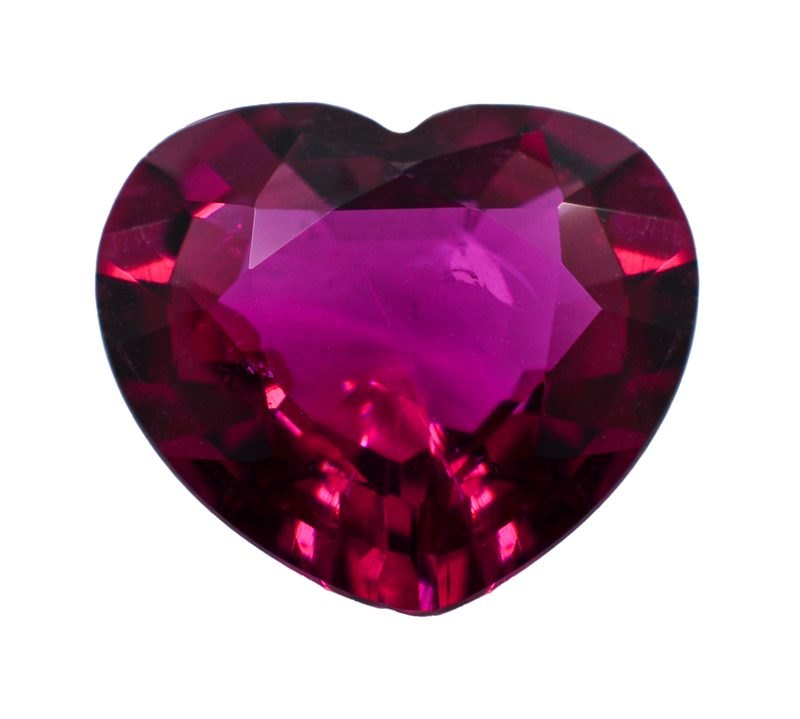
Pink Tourmaline
Born in lithium-rich pegmatites, pink tourmaline is the heart-chakra companion of tender compassion and elegant durability.
- Pink tourmaline was a favored stone of Chinese Empress Tz'u Hsi in the late 1800s.
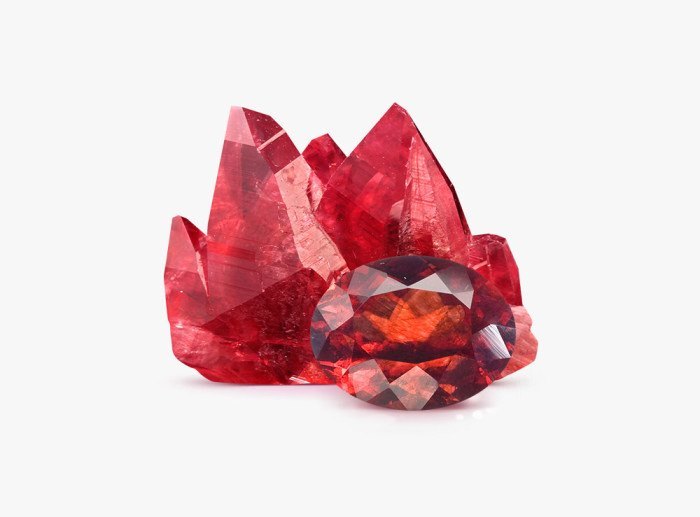
- Rubellite is the trade name for the most saturated red-pink tourmaline.
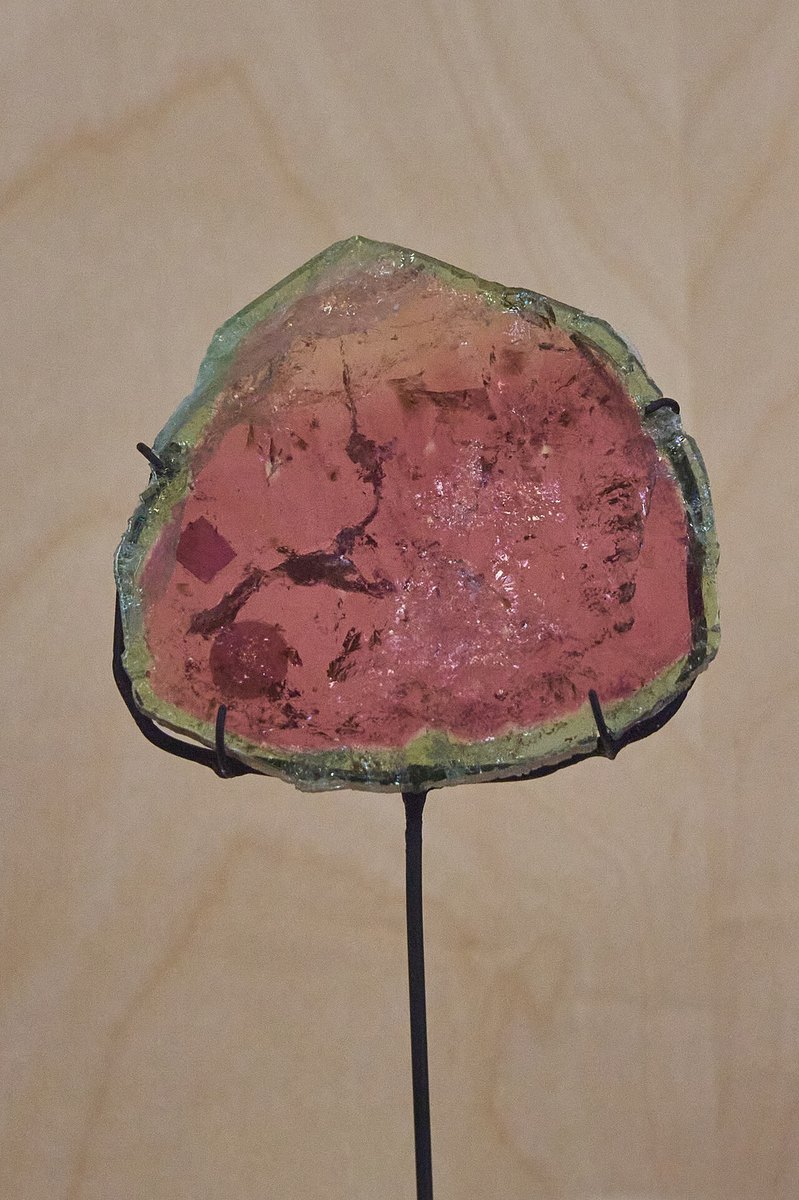
- Pink tourmaline often occurs alongside green tourmaline and watermelon tourmaline in the same pegmatite.
- The Himalaya Mine in California historically supplied pink tourmaline to Qing dynasty China.
- Tourmaline is pyroelectric, generating small voltages when heated or cooled.
- Heart chakra practitioners wanting a durable alternative to rose quartz
- October birthstone seekers drawn to pink over classic opal
- Engagement and anniversary shoppers seeking an elegant colored alternative to diamond
- Collectors of saturated rubellite from Brazil, Nigeria, and Mozambique
- Gift buyers celebrating self-love, new parenthood, or recovery milestones
- Buyers on tight budgets (consider rose quartz or pink sapphire)
- Readers wanting the hardness of sapphire (pink sapphire is Mohs 9)
- Shoppers seeking unbreakable resale value (tourmaline is modest in liquidity)
What Is Pink Tourmaline?
Pink tourmaline is the rose-to-red elbaite variety of the tourmaline group, colored by trace manganese. The intensely saturated red variety is known as rubellite. Pink tourmaline ranges from pale baby pink through hot pink and into crimson, with each shade commanding its own market position.
At Mohs 7 to 7.5, pink tourmaline is durable for daily-wear jewelry and has long been favored for rings, earrings, and pendants.
Tourmaline is a complex boron silicate with trigonal symmetry, and pink specimens typically show visible vertical striations along crystal faces. Refractive index of 1.620 to 1.640 gives well-cut stones good brilliance. Pink tourmaline is pyroelectric and piezoelectric like other tourmaline varieties.
Major sources include Brazil (Minas Gerais, Paraiba), Nigeria, Mozambique, and the United States (California's Himalaya and Stewart mines). Rubellite from Nigeria and Brazil commands premium prices. Heat treatment is occasional but not universal.
Pink tourmaline frequently occurs alongside green and watermelon tourmaline in the same pegmatite veins. The stone is widely available in both rough specimens and cut jewelry gems across price tiers.
How Pink Tourmaline Compares
| Property | Pink Tourmaline | Pink Sapphire | Morganite |
|---|---|---|---|
| Hardness | 7 - 7.5 | 9 | 7.5 - 8 |
| Price / carat | $$ Mid-range | $$$ Premium | $$ Mid-range |
| Rarity | Moderate | Moderate | Moderate |
| Best For | Daily jewelry, heart work | Engagement rings | Soft-tone jewelry |
Meaning and Symbolism
Pink tourmaline has a long and colorful history in jewelry. Chinese Empress Tz'u Hsi of the late Qing dynasty was a significant pink tourmaline collector in the late 1800s, purchasing large quantities from California's Himalaya Mine. The resulting trade helped establish pink tourmaline in American and Asian luxury markets.
Tourmaline had been worked by European jewelers since at least the 1700s under the name turmali, a Sinhalese word meaning mixed precious stones.
In modern crystal healing tradition, pink tourmaline is associated with heart-centered love, emotional healing, and gentle boundaries. Practitioners often describe it as a stone of graceful compassion, fitting for readers navigating the middle ground between giving too much and closing off entirely.
Its pink color places it in the heart chakra family alongside rose quartz, but with a more energizing quality.
Crystal workers sometimes describe pink tourmaline as the stone of female wisdom, with associations to feminine healing cycles, mother-daughter relationships, and creative motherhood. The stone's vibration is often characterized as both tender and active, making it a favored companion for readers balancing receptive care with assertive self-expression.
Modern tradition also pairs pink tourmaline with green tourmaline as a yin-yang heart combination.
Historical Timeline
Healing Tradition
Emotional
Practitioners believe pink tourmaline is a stone of graceful compassion, traditionally associated with heart-centered love, emotional healing, and tender boundaries. In crystal healing tradition, it is said to support readers seeking to give love without losing themselves, a balance many caretakers and therapists describe as difficult.
Many readers wear pink tourmaline as a pendant near the heart or as a ring on the non-dominant hand. Practitioners often pair pink tourmaline with rose quartz for compound heart energy and with green tourmaline for yin-yang balance.
Crystal workers frequently describe pink tourmaline as gentle yet active, suitable for readers who have done initial heart-opening work and want to extend it into daily relational practice. Its durability also makes it a practical choice for readers who want to wear the stone continuously rather than reserve it for specific occasions.
The pairing with watermelon tourmaline adds green-heart wholeness to pink emotional work.
Spiritual
In crystal healing tradition, pink tourmaline is linked with the heart chakra, placing it alongside rose quartz, rhodonite, and rhodochrosite in heart-centered work. Practitioners often describe pink tourmaline as a refined, higher-vibration heart stone compared to the more grounded rose quartz.
Many readers use pink tourmaline during heart-chakra meditations focused on self-love and relational wisdom.
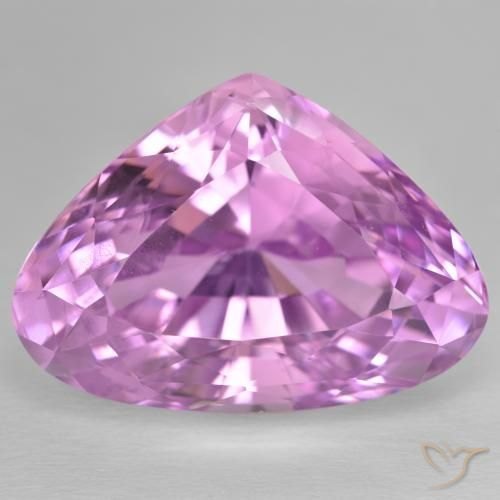
Because tourmaline is pyroelectric, modern practitioners sometimes associate pink tourmaline with subtle energy currents rather than static vibration. Crystal workers place pink tourmaline in heart grids with clear quartz amplifiers and kunzite companions.
The stone is particularly recommended in modern practice for feminine healing cycles, mother-daughter work, and creative motherhood, with the pairing to moonstone common in such layouts.
Physical
Practitioners believe pink tourmaline is traditionally associated with the heart, lungs, and what they describe as overall hormonal rhythm. Folklore links the stone with menstrual cycle balance, recovery from emotional heartbreak that manifests physically, and steady respiration during stress, framed as supportive accompaniment rather than medical intervention.
Many readers wear pink tourmaline pendants during recovery periods from physical strain or emotional loss. The stone is not a substitute for healthcare and practitioners are consistent in describing its role as accompanying rather than treating.
Some crystal workers also suggest pink tourmaline for new mothers during postpartum recovery, often paired with moonstone for feminine rhythm work. Pink tourmaline is safe for direct gem elixirs because the mineral is chemically stable in water.
Zodiac, Birthstone and Gifts
Pink tourmaline is sometimes offered as an October alternative alongside traditional opal, and astrologers often pair it with Libra for Venus rulership, Taurus for heart-centered grounding, and Cancer for nurturing emotional wisdom.
For Libra readers pursuing balance in relationships, pink tourmaline is often recommended as a pendant for heart-centered diplomacy. Taurus readers appreciate the stone's tangible pink beauty and durability. Cancer readers navigating emotional care-giving tend to find pink tourmaline supportive. Practitioners pair pink tourmaline with rose quartz in relational kits.
Care and Cleansing
Pink tourmaline is easy to maintain. Warm soapy water and a soft brush handle body oils and dust without risk, and the stone tolerates ultrasonic cleaning in unfractured form. Avoid steam and ultrasonic methods on fractured stones because vibration can propagate inclusions.
Brief saltwater contact is tolerated for rough specimens but extended saltwater should be avoided on set pieces.
Moonlight, sound cleansing with a singing bowl, and smoke cleansing with palo santo or sage are all traditional and safe. Dry salt cleansing for a few hours is acceptable. Many practitioners rest pink tourmaline on selenite plates overnight as a gentle energetic reset.
Sunlight is tolerated without significant fading for most pink tourmaline, though very pale pink varieties may slowly lighten with prolonged direct UV exposure over years. Brief sun bathing is safe and sometimes described as recharging. Professional jewelers recommend routine inspection of prong settings and cleaning in warm soapy water to maintain brilliance.
- DO clean pink tourmaline in warm soapy water with a soft brush regularly.
- DO use ultrasonic cleaners on unfractured natural pink tourmaline.
- DO NOT use ultrasonic or steam cleaners on heavily included or fractured stones.
- DO have prong settings inspected annually by a qualified jeweler.
- DO store pink tourmaline separately to avoid scratches from harder stones.
- DO remove pink tourmaline rings before heavy sports or housework.
- Note: rubellite is the trade name for the most saturated red-pink variety and commands a premium.
Real vs Fake
Genuine pink tourmaline shows characteristic vertical striations along crystal faces, a diagnostic feature of the tourmaline group. The stone's refractive index of 1.620 to 1.640 and specific gravity of 3.06 confirm identification in gemological testing.
Under a 10x loupe, natural pink tourmaline often shows liquid inclusions or needle-like growth tubes parallel to the crystal axis.
Common imitations and confusions include pink topaz, morganite, pink sapphire, and pink glass. Morganite has a slightly different refractive index and no striations. Pink sapphire is singly refractive and harder (Mohs 9). Glass often shows gas bubbles and lacks the characteristic striations.
Synthetic pink tourmaline has been produced experimentally but is not commercially significant. For significant purchases, a lab certificate from a recognized gemological laboratory confirms natural origin, chemical composition, and any heat treatment. Reputable sellers disclose origin (Brazilian, Nigerian, Mozambican, American) and treatment status clearly.
Pink Tourmaline Jewelry & Gifts
Pink tourmaline spans a wide price range. Commercial pale pink stones under one carat typically cost $50 to $150 per carat. Mid-grade stones with good saturation run $150 to $400 per carat, and top-quality rubellite above one carat reaches $500 to $2,000 per carat or more.
Stones above five carats are rarer and command significant premiums. Heat treatment is occasional and should be disclosed by reputable sellers.
For jewelry, focus on color saturation first (vivid rubellite commands a premium over pale pink), then on eye-clean clarity, and then on well-cut proportions. Protective bezel settings extend longevity for rings.
Ask reputable sellers about origin (Brazilian, Nigerian, Mozambican), treatment status, and whether a stone is specifically rubellite or standard pink tourmaline. Lab certificates are standard for purchases above $1,000.
Where to Buy Pink Tourmaline
Affiliate disclosure: Some links below earn us a small commission at no extra cost to you. See our affiliate disclosure page.
Handmade, raw, and tumbled pieces from independent sellers worldwide.
Shop Pink Tourmaline on Etsy →Accessories, tools, and specimen sets with fast Prime delivery.
Shop Pink Tourmaline on Amazon →Certified loose gemstones graded and photographed for online buyers.
Shop Pink Tourmaline on GemSelect →Pairs Well With


Where Pink Tourmaline Is Found


