Earrings are the single piece of jewelry least exposed to abrasion. They sit at the ear, clear of hands, sleeves, and most surfaces. That is why earrings, after pendants, are the second safest home for soft and sentimental stones.
This hub covers three working styles: studs for daily wear, drops for evenings, and hoops that carry small accent stones. It also flags the specific risks that earrings face (loss more often than damage) and the settings that address them.
Full commerce happens on each gemstone page through our affiliate partners in the stone guide.
The earring hierarchy: studs, drops, hoops
Studs are the workhorses of gemstone earrings, typically 0.25 to 2 carats per stone and worn daily. Drops are longer pieces that swing below the earlobe, often carrying a larger stone and worn for evenings or occasions. Hoops are circular styles that may carry small set stones along the perimeter.
Each style suits different gems and different wearers. The most common earring problem is not damage but loss, which is a setting and backing conversation more than a stone conversation.
Gemstones for daily-wear studs
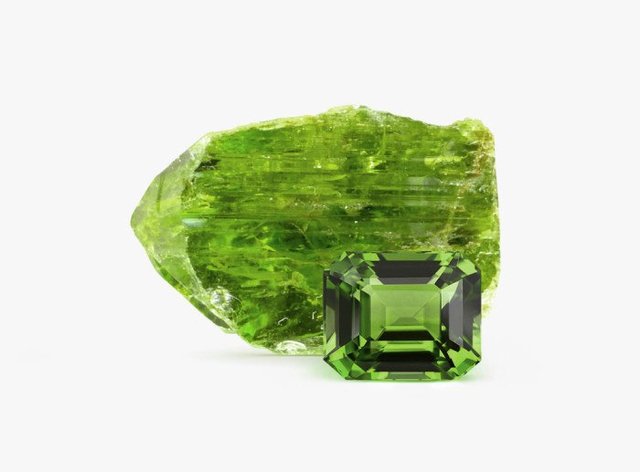
Studs can safely carry almost any gemstone because the ear sees very little abrasion. The main consideration for daily studs is the setting: a bezel or tight four-prong holds the stone better than a tall basket, and a screw-back or locking butterfly reduces loss risk.
Popular daily studs include diamond, sapphire, ruby, and the full range of birthstones.
Daily-wear stud gemstones


Gemstones for drop and statement earrings
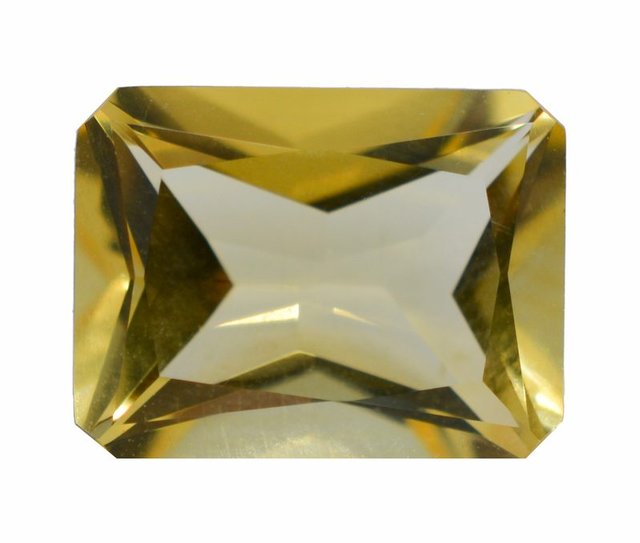
Drops carry the largest gemstones found in most personal jewelry collections, because the ear bears weight well and the piece is worn occasionally. This is the category where tanzanite, kunzite, larimar, opal, and other softer but visually spectacular stones get their time.
Weight matters: above about 3 grams per earring, most wearers report ear fatigue after a full evening. Lever-back or omega-back closures are more comfortable than standard post-and-butterfly for heavier drops.
Drop and statement earring stones


Hoops with set stones
Hoops with small channel-set or pave-set stones combine the ease of a hoop with the color interest of set gems. Because individual stones are small and protected by the metal, hoops with set stones survive daily wear well.
The most common failure point is the hinge or clasp of the hoop itself, which loosens over time; a jeweler can tighten it in a routine check-up.
- Standard butterfly backings are the single most common cause of lost earrings. For any earring you care about, we recommend screw-back posts or locking butterfly backs.
- Sleeping in earrings bends posts and wears backings. If a pair will be worn in sleep (as many daily studs are), plan to replace backings every year or two.
Pearl and opal earrings deserve their own paragraph
Pearl studs are the single most owned piece of fine gemstone jewelry in the world, for good reason. At the ear, pearls avoid the friction and chemistry that shorten their life on a finger or in a bracelet.
A pair of pearl studs in 14k gold with screw-back posts will typically last decades of daily wear. The same is true of opal. An opal stud, particularly one in a bezel, is a far safer home for the stone than any ring would be.
- You want daily studs you will rarely take off: diamond, sapphire, or pearl in a screw-back post.
- You want a birthstone stud as a gift: month-appropriate stone in a simple four-prong or bezel.
- You want an evening drop that photographs well: tanzanite, kunzite, or opal with sterling or white gold.
- You want a subtle daily hoop with color interest: huggie hoop with small set stones.
- You want giant faceted opal studs for heavy-duty daily wear at a gym. Opal is safer in a pendant.
How commerce works on Gemstone Rush
We do not sell earrings. Each gemstone has its own Gemstone Rush page, and the stone guide on those pages lists current fine jewelry through our affiliate partners.
We may earn a commission on referred purchases at no additional cost, and affiliate disclosure is provided on every affiliate-linked page and on the dedicated disclosure page.