Jewelry types
Durability for jewelry
The first question for any gemstone piece is how it will be worn. A ring finger hits counters, washes hands, and takes the brunt of the day. A pendant and a pair of earrings rarely do. That difference changes which stones are appropriate for which piece.
Sapphire, ruby, spinel, topaz, and hard garnets sit happily in a daily ring. Opal, pearl, moonstone, feldspars, apatite, and kunzite sit happily in earrings or a pendant that is taken off at night. We flag these distinctions on each jewelry type page and on each stone page.
Metals to know
- 14k and 18k yellow gold: warm traditional setting metal; 14k is harder, 18k has a richer color.
- 14k and 18k white gold: a bright cool metal; almost always rhodium plated and needs replating every few years.
- Platinum: the most durable and most hypoallergenic common setting metal; heavier in hand than gold; pricier per piece.
- Sterling silver: affordable and warm but tarnishes and scratches easily; better for pendants than for rings.
- Rose gold: a gold copper alloy, harder than yellow gold, a romantic warm pink.
Settings and how they protect
- Prong: classic, shows the stone best, lowest protection against impact.
- Bezel: wraps the stone in a metal rim, best protection for soft stones.
- Channel: good for smaller side stones in a row, practical for wedding bands.
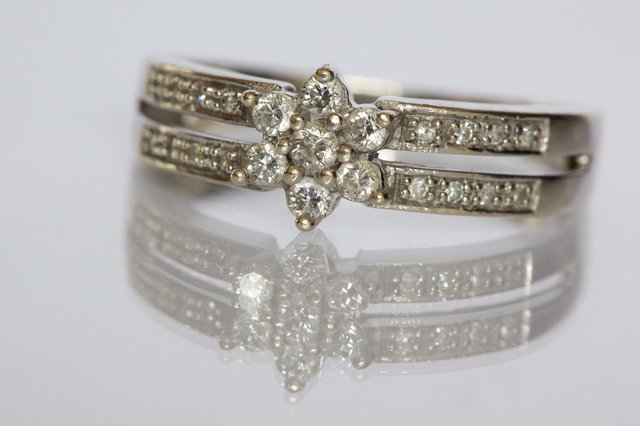
- Pave: small stones set flush in a row for sparkle across a band.
- Tension: a dramatic modern look, usually limited to very hard stones.
Price tiers
Gemstone jewelry spans roughly four tiers at US retail. Budget pieces use small calibrated stones and sterling or 10k gold, and usually run a few hundred dollars at most. Mid tier pieces use better cut stones and 14k gold, typically in the mid hundreds to low thousands.
Premium pieces use certified stones and 18k gold or platinum, usually in the low thousands to mid thousands. Ultra tier pieces use rare large certified stones with documented provenance and are priced accordingly. Each jewelry type page includes a price bar that shows where a typical piece sits across those tiers.
Affiliate retailers we reference
The jewelry hub pages reference a short list of US retailers we have reviewed for disclosure standards and return policies. The list lives on the affiliate disclosure page. Commerce links carry a nofollow sponsored attribute. Editorial coverage is not shaped by which retailer is behind which stone.
Shopping checklist
- Know the wearer: do they hit their hands on things, are they tough on rings, or do they mostly wear pendants and earrings?
- Pick the stone based on durability first, color preference second, meaning third.
- Choose a metal that matches the wearer’s skin tone and existing jewelry.
- Choose a setting that protects the stone as much as the design allows.
- Ask for a grading report or certificate for anything above a modest budget.
- Insure pieces above a reasonable threshold; insurance riders are inexpensive on a homeowners or renters policy.