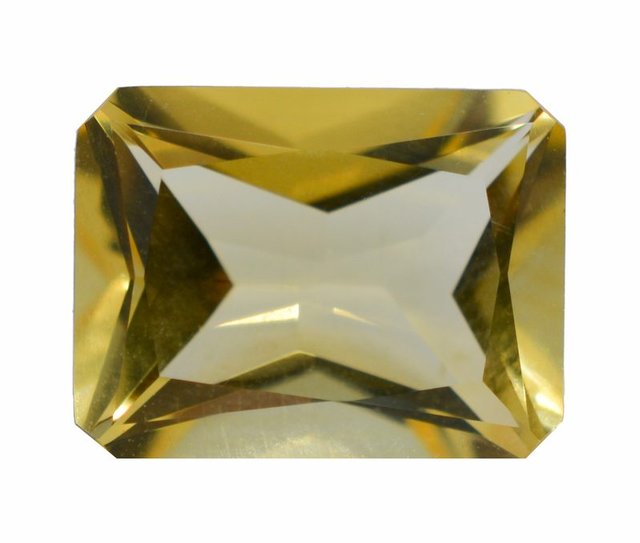
Every person who discovers crystal practice arrives with a specific feeling in mind. Calm. Courage. Focus. Love. Protection. The stones traditionally associated with each intention vary between sources, but certain pairings appear consistently across modern Western crystal references.
This guide pairs the 8 most common intentions with primary and supporting stones, explains the traditional basis for each pairing, and gives practical notes on how to use each stone. Nothing here is medical advice. All attributions reflect traditional and contemporary crystal practice.
How to Use This Guide
Identify the intention that fits your current moment. Read the primary stone recommendation and its two supporting stones. The primary stone carries the core intention. The first supporting stone complements it (often by addressing a related challenge). The second supporting stone amplifies or stabilizes the combination.
If you already own one of the stones listed, start there. If you own none of them, the primary stone is the one to acquire first. The supporting stones can be added over time as your practice develops.
Calm and Anxiety Relief
Primary stone: Amethyst. Amethyst is the most widely referenced stone for calm in contemporary Western crystal literature. Practitioners associate it with quieting a racing mind, easing tension before sleep, and supporting emotional regulation during periods of stress. It is said to work best when placed near the sleep space or worn close to the body during stressful periods.
Stones for calm
Primary: Amethyst
Traditionally associated with quiet mind, emotional regulation, relief from mental chatter. Place near the bed or wear as a pendant.
Supporting 1: Blue Lace Agate
Said to soften anxious speech and support gentle communication. Good for social anxiety or difficult conversations.
Supporting 2: Lepidolite
Contains lithium in its crystal structure. Practitioners associate it with transition and emotional steadiness. Often recommended alongside amethyst.
Alternative: Howlite
Budget-friendly white stone linked to patience and slowing reactive thought.
Protection and Boundaries
Primary stone: Black Tourmaline. Black tourmaline is the most consistently referenced protective stone in modern crystal practice. Practitioners traditionally place it near doorways, carry it in a pocket, or wear it when entering draining environments. It is said to absorb and deflect negative energy rather than amplifying it.
Stones for protection
Primary: Black Tourmaline
Grounding and protective. Associated with creating an energetic barrier. Place at entry points of a home or carry when needed.
Supporting 1: Obsidian
Deeper than tourmaline — associated with revealing and releasing hidden patterns. Use with intention; it can surface difficult emotions.
Supporting 2: Hematite
Heavily grounding. Associated with staying present and anchored in the physical body. Good for overstimulation.
Alternative: Smoky Quartz
Lighter protective energy than obsidian. Associated with transmuting rather than blocking negative energy.
Love and Relationships
Primary stone: Rose Quartz. Rose quartz is the near-universal recommendation for love in modern crystal traditions. Practitioners associate it with self-compassion, romantic attraction, and healing wounds from past relationships. It is said to work as well for self-love practice as for attracting a partner.
Stones for love
Primary: Rose Quartz
Self-love, compassion, romantic attraction. Place in the bedroom or carry close to the heart in a pendant.
Supporting 1: Rhodonite
Associated with forgiveness and healing heartbreak. Good during relationship transitions or grief over a loss.
Supporting 2: Green Aventurine
Associated with abundance and openness to new relationships. Sometimes called the stone of opportunity.
Alternative: Malachite
Associated with transformation in relationships and releasing old patterns. Use carefully — practitioners note it can accelerate emotional clearing.
Focus and Clarity
Primary stone: Citrine. Citrine is the most referenced stone for focus and mental clarity in modern crystal practice. Practitioners associate it with sharpening intention, maintaining direction on a project, and counteracting mental fog or procrastination. It is said to carry a solar energy that supports active work rather than rest.
Stones for focus
Primary: Citrine
Mental clarity, intention-setting, solar energy. Place on a desk or keep in a workspace. Said to resist absorbing negative energy.
Supporting 1: Clear Quartz
Amplifies any intention and is said to enhance the effect of other stones. Good as a companion to citrine on a desk.
Supporting 2: Fluorite
Associated with mental order and decision-making under complexity. Often recommended for students and writers.
Alternative: Tiger's Eye
Associated with grounded focus — useful when scattered rather than foggy.
Courage and Confidence
Primary stone: Carnelian. Carnelian is traditionally linked to courage, vitality, and motivation. Practitioners carry it before presentations, difficult conversations, or physical challenges. It is said to activate the sacral chakra and support assertive action.
Stones for courage
Primary: Carnelian
Vitality, boldness, action. Carry in a pocket or bag. Said to be especially effective before high-stakes moments.
Supporting 1: Tiger's Eye
Grounded courage — associated with facing fear without recklessness. Good for sustained challenge rather than one-time events.
Supporting 2: Red Jasper
Stabilizing and enduring. Associated with stamina during long challenges. Grounds the more active energy of carnelian.
Alternative: Sunstone
Associated with optimism and independent will. Good for those whose confidence blocks are rooted in self-doubt rather than fear.
Sleep and Rest
Primary stone: Amethyst or Moonstone. Amethyst is the most commonly recommended sleep stone in Western crystal practice. Moonstone is traditionally associated with lunar cycles and is often recommended for dreamwork or for those whose sleep issues are linked to hormonal or emotional cycles.
Stones for sleep
Primary: Amethyst
Quieting, calming. Place on a bedside table or under a pillow (if a tumbled, smooth stone). Said to support deeper sleep and reduce nightmares.
Supporting 1: Selenite
Associated with purifying the sleep space. Many practitioners place selenite near windows or on a windowsill. Handle carefully — selenite is very soft (Mohs 2) and water-soluble.
Supporting 2: Moonstone
Associated with the parasympathetic state and dreamwork. Especially referenced for restless sleep tied to emotional cycles.
Alternative: Howlite
Budget-friendly white stone associated with stilling an overactive mind. Good for those who cannot stop thinking at bedtime.
Creativity and Expression
Primary stone: Labradorite. Labradorite is widely referenced in crystal literature as a stone of imagination, transformation, and creative breakthrough. Practitioners associate it with accessing unconventional ideas and maintaining creative momentum through doubt.
Stones for creativity
Primary: Labradorite
Imagination, transformation, accessing the unexpected. Keep on a creative workspace or hold during ideation.
Supporting 1: Carnelian
Adds the motivation and action energy that moves creative ideas into execution. Good pairing with labradorite.
Supporting 2: Lapis Lazuli
Associated with authentic expression and speaking one's truth. Often recommended for writers, musicians, and performers.
Alternative: Orange Calcite
Joyful, playful energy. Associated with unblocking creative stagnation especially when the blockage is self-judgment.
Grief and Emotional Healing
Primary stone: Rose Quartz or Apache Tear. Rose quartz supports self-compassion and the slow reopening of the heart after loss. Apache tear (a translucent form of obsidian) is specifically associated in many traditions with grief — particularly the grief of losing a person.
Stones for grief
Primary: Rose Quartz
Self-compassion, gentle emotional support, not pushing. Hold during difficult moments. Place near a photo or memento.
Supporting 1: Rhodonite
Associated with healing heartbreak and processing loss. Often paired with rose quartz for grief work.
Supporting 2: Smoky Quartz
Gently grounding; associated with moving through grief without denying it. Keeps practitioners anchored in the present.
Alternative: Apache Tear
Specifically referenced in many traditions for mourning. Practitioners say holding it while grieving allows tears to flow and emotion to move through.
Do I need to believe in crystals for them to work?
Crystal practice is a personal and cultural tradition. Many practitioners find value in the intentional focus, the ritual of handling and placing stones, and the reminder effect of carrying a specific stone for a chosen intention. Whether you believe in energetic properties or simply find the practice useful as a mindfulness tool, the approach is valid either way.
Can I use multiple stones at once?
Yes. Many practitioners combine a primary and two supporting stones simultaneously. The most common approach is to keep them on an altar or tray, carry the primary stone, and place a supporting stone in a relevant space (desk, bedside). Start simple and add stones intentionally rather than accumulating without purpose.
How do I cleanse a crystal?
Common cleansing methods in modern practice include: moonlight overnight (safe for all stones), smudging with sage or palo santo, sound vibration (singing bowl or tuning fork), placing on selenite (though selenite itself is water-soluble and should not be cleansed in water), and burying in dry earth. Water cleansing is safe for quartz-family stones but can damage soft or porous stones like selenite, malachite, lapis lazuli, and turquoise.
What if I cannot find the primary stone in my budget?
Every intention in this guide has at least one alternative stone that is significantly more affordable. Amethyst for calm is widely available at low cost. Rose quartz is one of the least expensive stones in practice. Citrine and carnelian are both accessible at tumbled-stone prices. Budget is not a barrier to starting a crystal practice.
How long does it take to feel a difference?
This is a personal practice question, not a gemological one. Some practitioners notice an immediate shift in focus or mood from the ritualistic act of selecting and placing a stone. Others work with stones over weeks. The practice is about sustained intentional attention, not a one-time event.
A note on what crystal practice is and is not
Crystal recommendations in this guide are drawn from modern Western crystal traditions. They describe traditional and contemporary associations, not medical or psychological treatments.
Crystal practice is a complement to wellbeing routines, not a replacement for professional care. If an intention involves serious distress, anxiety disorder, grief complications, or medical symptoms, please also work with a licensed professional.
Stone correspondences differ across traditions. This guide uses modern Western references and notes alternatives where they exist.