Birthstone Lookup Table: All 12 Months
The table below lists every month with its primary modern stone, the traditional alternative, any additional recognized options, a brief meaning note, and a Mohs hardness rating so you know how well the stone wears in jewelry. Hardness below 7 deserves extra care in rings worn daily.
| Month | Modern (primary) | Alternatives | Traditional | Mohs | Meaning (traditional) |
|---|---|---|---|---|---|
| January | Garnet | — | Garnet | 6.5–7.5 | Practitioners associate garnet with loyalty, passion, and safe travel. |
| February | Amethyst | — | Amethyst | 7 | Amethyst is said to support clarity and calm in stressful periods. |
| March | Aquamarine | Bloodstone | Bloodstone (traditional) | 7.5–8 | Aquamarine is traditionally linked to courage at sea and clear communication. |
| April | Diamond | White Sapphire, Clear Quartz | Diamond | 10 | Diamond is associated with everlasting commitment and clarity of mind. |
| May | Emerald | — | Emerald | 7.5–8 | Emerald is said to invite renewal, abundance, and loyalty in relationships. |
| June | Pearl | Alexandrite, Moonstone | Pearl, Moonstone | 2.5–4.5 (Pearl), 8.5 (Alex) | Pearl is linked to innocence and purity; moonstone to intuition and feminine cycles. |
| July | Ruby | — | Ruby | 9 | Ruby is traditionally associated with passion, protection, and vitality. |
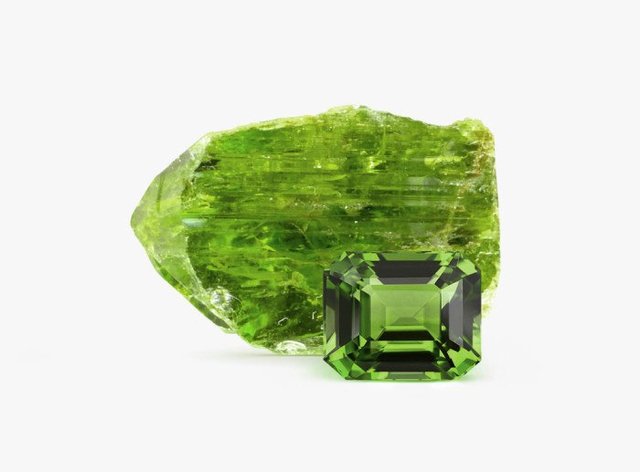
| August | Peridot | Spinel, Sardonyx | Sardonyx | 6.5–7 (Peridot), 8 (Spinel) | Peridot is said to dispel negative emotions and invite lightness of spirit. |
| September | Sapphire | — | Sapphire | 9 | Sapphire is associated with wisdom, integrity, and faithfulness. |
| October | Opal | Pink Tourmaline | Tourmaline | 5.5–6.5 (Opal), 7–7.5 (Tourmaline) | Opal is traditionally linked to creativity, hope, and emotional truth. |
| November | Topaz | Citrine | Topaz | 8 (Topaz), 7 (Citrine) | Topaz is said to bring love, affection, and clarity. Citrine is linked to abundance. |
| December | Turquoise | Tanzanite, Zircon, Blue Topaz | Turquoise, Lapis Lazuli | 5–6 (Turquoise), 6.5–7.5 (Tanzanite) | Turquoise is one of the oldest protective stones in the archaeological record. |
Which List Is Correct?
None of the four major lists is objectively correct. They developed independently from different cultural contexts. The modern American list (maintained by the Jewelers of America) is the default in most US retail settings. The traditional list reflects European and Middle Eastern lapidary practice from the 15th through 19th centuries. Mystical and Ayurvedic lists draw from Indian and Tibetan traditions and often use different stones entirely.
For gift-buying, the modern list is the safest choice because it is what most recipients expect. For personal practice or meaning-based selection, any list is valid within its own context. When in doubt, choose by color, durability, or budget rather than tradition.
How to Choose When a Month Has Multiple Options
Durability by Jewelry Type
Birthstones span a wide hardness range, and the right jewelry type depends on that range. Softer stones are better suited to earrings, pendants, and brooches where they are not subject to impact. The guide below applies to stones with a Mohs rating below 7.5.
Budget Guide by Month
Birthstone prices vary enormously. Fine ruby, emerald, alexandrite, and tanzanite are among the most expensive stones per carat. Citrine, garnet, amethyst, and blue topaz are widely available at accessible price points. The table below gives a general orientation for a 1-carat stone in typical retail quality — not investment grade, not commercial grade.
Gift Occasions by Birth Month
Birthstones are appropriate for birthdays, milestone anniversaries (the 1st, 10th, 25th, and 50th are particularly associated with gemstone gifts), graduations, and push presents. The stone's durability note matters here: a pearl pendant is a more lasting graduation gift than a pearl ring.
The 12 primary modern birthstones




Frequently Asked Questions
- Meanings associated with birthstones are drawn from folklore, gemological tradition, and cultural history. They are presented here as tradition, not as medical or psychological claims. No stone treats any condition.