
Spinel
From Burmese Mogok and Tajik mountain passes, spinel is the single-crystal ruby cousin now celebrated as a.
- The Black Prince's Ruby in the British Imperial State Crown is actually a 170-carat red spinel, not a ruby.
- Spinel was officially added as a third birthstone for August by the American Gem Trade Association in 2016.
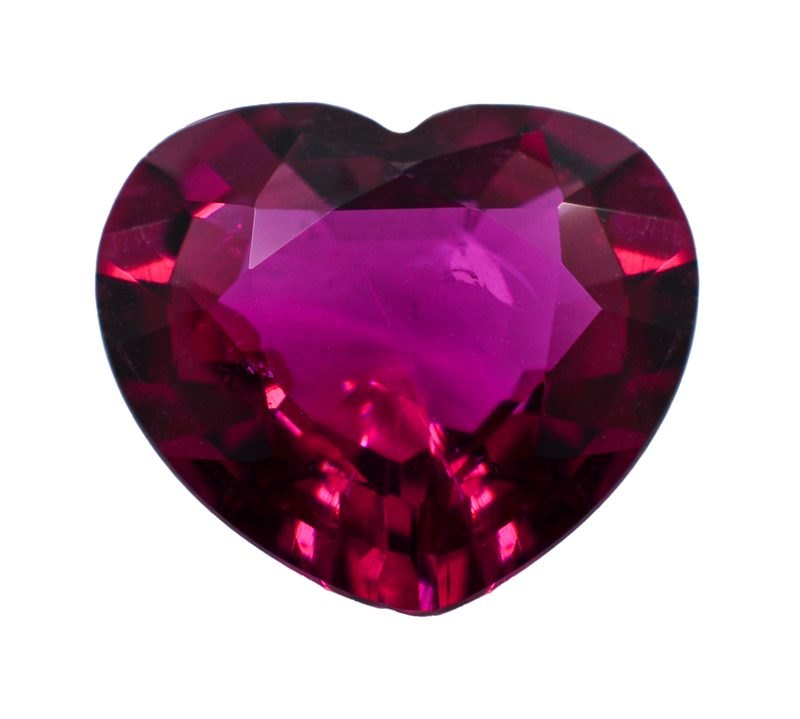
- Mahenge pink spinel from Tanzania shows a saturated neon pink unlike almost any other gemstone.
- Cobalt blue spinel is among the rarest and most expensive colored gems, with fine stones reaching $10,000 per carat or more.
- Spinel is one of very few fine colored gems that is almost always untreated on the commercial market.
- Collectors drawn to a gem with recent price appreciation and strong durability
- August birthstone seekers wanting an alternative to peridot
- Buyers seeking red color without ruby prices (red spinel)
- Engagement ring shoppers wanting hot pink, cobalt blue, or mahi mahi red
- Practitioners working with root-chakra vitality and heart-chakra courage
- Shoppers who specifically want ruby provenance (spinel is a different species)
- Those seeking very large, perfectly clean stones at bargain prices (top spinel is scarce)
- Buyers who want a deeply traditional name-recognition gem (spinel is less famous)
What Is Spinel?
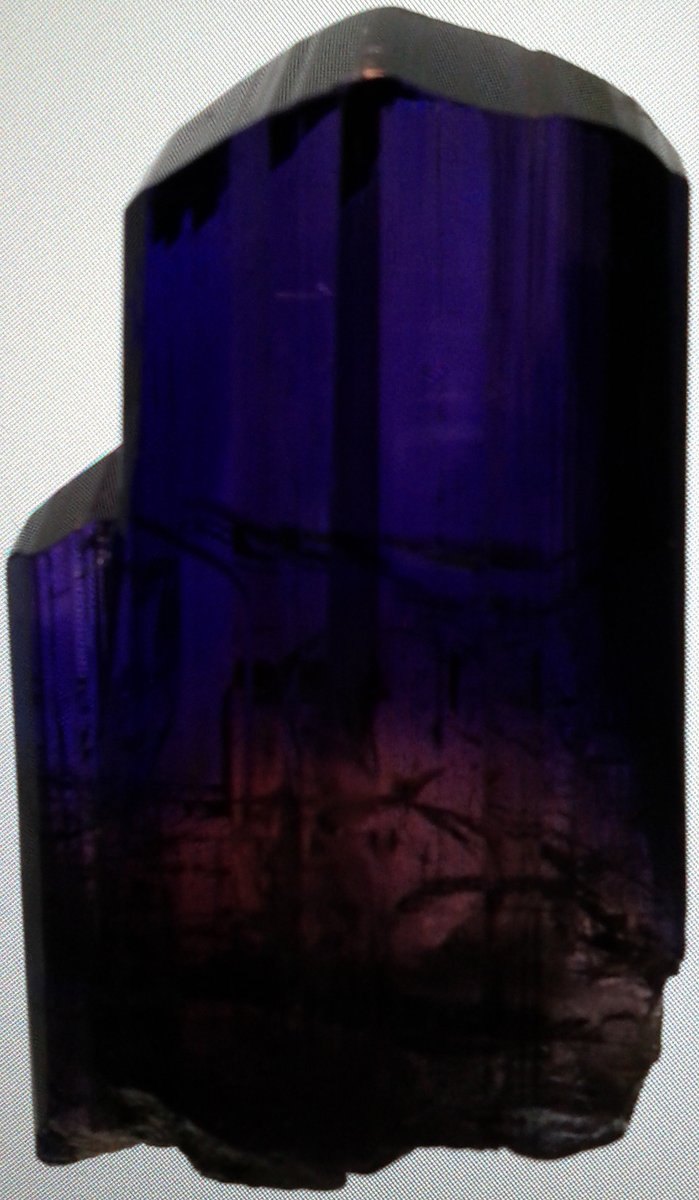
Spinel is a magnesium aluminum oxide (MgAl2O4) that occurs in a wide range of colors: red, pink, orange, purple, blue, black, and rare colorless. The cubic crystal system typically produces octahedral crystals. At Mohs 7.5 to 8, spinel is hard, tough, and durable for daily jewelry wear.
Spinel is the modern third birthstone for August alongside peridot and sardonyx.
The name spinel probably comes from the Latin spina, meaning thorn, referencing the pointed octahedral crystal habit. For centuries, red spinel was confused with ruby.
Famous historical red gems including the Black Prince's Ruby in the British Imperial State Crown and the Timur Ruby in the British royal collection are both actually large spinels.
The two species were separated mineralogically in the late eighteenth century, but the commercial trade continued to conflate them well into the twentieth century.
Modern spinel comes primarily from Myanmar's Mogok Valley (traditional benchmark for top red), Tajikistan's Pamir Mountains (hot pink Kuh-i-Lal material), Tanzania (vivid neon pink from Mahenge), and Vietnam (blue and red varieties). Spinel is almost never treated, which distinguishes it favorably from corundum.
Cobalt blue spinel, which takes its color from trace cobalt, is among the rarest and most expensive colored gems in the world.
How Spinel Compares
| Property | Red Spinel | Ruby | Pink Sapphire |
|---|---|---|---|
| Hardness | 8 | 9 | 9 |
| Price / carat | $$ Mid-range | $$$ Premium | $$$ Premium |
| Rarity | Rare (fine) | Rare (fine) | Moderate |
| Best For | Daily-wear red at mid-price | Heirloom investment | Accessible pink engagement |
Meaning and Symbolism
Spinel's history is tied closely to the history of ruby. For nearly two thousand years, red spinels in royal collections from India through Europe were identified as rubies.
The Black Prince's Ruby, set prominently in the British Imperial State Crown above the Cullinan II diamond, is a 170-carat red spinel that passed through Moorish, Spanish, and English royal hands over five centuries, always called a ruby until modern testing corrected the identification.
The distinction between spinel and ruby was not established until 1783, when French mineralogist Jean Baptiste Louis Rome de l'Isle demonstrated the different crystal forms and optical properties of the two species.
Even after separation, spinel remained in ruby's shadow commercially until the late twentieth century, when collectors and designers began championing the stone for its brilliance, durability, and absence of standard treatments.
Mahenge hot pink spinels from Tanzania, discovered in the 2007 Mahenge Plateau find, triggered a contemporary wave of spinel interest among high-end gem buyers.
In crystal healing tradition, spinel is a relative newcomer but has developed strong modern associations. Red spinel is linked with vitality, root chakra strengthening, and courage through action. Pink spinel is associated with heart-chakra renewal without emotional turmoil. Black spinel is a grounding protection stone.
Blue spinel, especially cobalt, is rarely used in crystal work because the stones are typically reserved for collector display rather than daily carry.
Historical Timeline
Healing Tradition
Emotional
Practitioners believe spinel is a stone of active renewal, traditionally associated with stepping out of stuck emotional patterns into fresh momentum. In modern crystal healing tradition, red spinel is said to support readers emerging from exhaustion, discouragement.
Or long stagnation, with the stone framed as a warm stimulus rather than a soothing balm.
Many wear spinel as a ring or pendant during periods of re-emergence after extended difficulty. Crystal workers often pair red spinel with rose quartz for heart-centered courage, or with black tourmaline when renewal needs grounded protection. Pink spinel is described as gentler, suitable for readers working on tender emotional growth.
Black spinel serves primarily as a grounding protection stone. Crystal workers sometimes recommend spinel as a starter alternative to ruby for readers who want red-gem energy without the cost or weight of ruby's long cultural baggage.
Spiritual
In crystal healing tradition, spinel is linked to root, heart, or third-eye chakras depending on color. Practitioners often describe spinel as a stone of aligned purpose, said to support readers whose spiritual practice has hit a plateau and who need fresh momentum.
Many use red spinel in meditation on courage, embodied leadership, and the energy to begin again. The stone's recent emergence in the trade has given it a contemporary feel, and crystal workers often treat spinel as a signal of a personal renewal phase rather than a traditional heritage stone.
Spinel pairs readily with clear quartz for amplification and with moonstone for the balance of active and receptive energy. Crystal workers typically describe red spinel as a daytime stone and pink spinel as suitable for evening reflective work.
Physical
Practitioners believe spinel supports what they describe as stamina, circulatory vitality, and steady energy renewal, associations drawn from the red color family and the stone's modern reputation for warm but controlled support.
Crystal healing tradition associates red spinel with recovery from long periods of low energy and black spinel with grounded stability through physically demanding work. Many readers wear spinel jewelry during periods that require sustained effort rather than acute intervention.
Spinel is not a substitute for medical care, and practitioners frame its role as supportive rather than curative. Because the stone is hard, chemically stable, and untreated, readers can wear spinel through ordinary daily activity without special care.
Zodiac, Birthstone and Gifts
Spinel is a modern US birthstone for August, added in 2016 alongside the traditional peridot and sardonyx. Astrologers link spinel primarily with Mars for red varieties and with Venus for pink, making the stone particularly resonant for Aries, Leo, and late-summer Sagittarius readers.
For Leo, red spinel is said to support the sign's natural warmth and leadership energy. For Aries, the stone is described as a courage anchor that echoes the sign's drive. For Sagittarius, practitioners sometimes recommend pink spinel as a softer heart-centered companion.
Spinel is not yet widely used in Vedic tradition, though some modern jewelers offer red spinel as a less costly alternative to ruby for Mars placements.
Care and Cleansing
Spinel tolerates standard cleaning. Warm soapy water with a soft brush is safe, and brief rinses in tap water cause no damage. Ultrasonic and steam cleaners are generally safe for clean spinel because of the stone's Mohs 8 hardness and cubic crystal system, which is resistant to directional cleavage.
Moonlight, smoke cleansing with sage or palo santo, and sound cleansing with a singing bowl are all safe and traditional. Dry salt cleansing is fine; saltwater soaks should be avoided because of metal setting corrosion.
Because spinel is almost never treated, readers do not need to concern themselves with the special cleaning restrictions that apply to fracture-filled or oil-treated stones.
Direct sunlight is safe because spinel color is chemically stable and does not fade under ordinary UV exposure. Brief morning sunlight charging is traditional for red spinel, and some practitioners pair spinel with sunstone in morning abundance grids. Prolonged summer windowsill exposure is not a practical concern for most readers.
- DO clean spinel with warm soapy water and a soft brush for routine maintenance.
- DO periodically inspect prong settings because spinel's value makes stone loss particularly painful.
- DO NOT accept synthetic spinel sold as natural; disclosure should be clear at point of purchase.
- DO request an origin report for any Burmese or fine Tanzanian stone above one carat.
- DO store spinel separately from softer gems to prevent scratching them.
- DO ask your seller about color origin (heat, cobalt diffusion is rare but exists in some commercial blue spinel).
- Note: synthetic spinel in many colors has been produced for over a century and is widely used as a gem simulant; disclosure is essential.
Real vs Fake
A genuine natural spinel shows natural inclusions (octahedral crystal inclusions are classic), a distinctive single refraction visible through a polariscope, and color that is usually even across the stone. Unlike ruby, which is doubly refractive, spinel is singly refractive because of its cubic crystal system.
This optical difference is one of the classic separations from ruby.
Common imitations include red glass, synthetic flame-fusion spinel (produced commercially for over a century and still the most common gem simulant in the trade), red cubic zirconia, and red garnet. Glass shows curved gas bubbles under a loupe, and synthetic spinel often shows curved growth lines characteristic of flame-fusion production.
Synthetic spinel is chemically identical to natural spinel and must be separated through growth-pattern analysis under magnification.
Practical at-home checks include examining for natural octahedral inclusions under a 10x loupe, testing the stone's single refraction with a polariscope, and noting color evenness.
For valuable spinel, especially Burmese or Mahenge material, a report from an independent gemological lab, a reputable lab, or a reputable lab confirms natural origin and can document country of origin. Lab reports on spinel often include treatment status, which for almost all natural spinel is none.
Spinel Jewelry & Gifts
Spinel pricing has risen sharply over the past two decades as collectors rediscover the gem. Commercial small stones run $50 to $300 per carat. Mid-grade red spinel with good color sits at $500 to $2,500 per carat.
Top Burmese red spinel from Mogok or flamingo Mahenge pink spinel from Tanzania can reach $3,000 to $8,000 per carat above one carat. Cobalt blue spinel, the rarest commercial color, runs $5,000 to $15,000 per carat for fine stones. Black spinel remains very affordable at $10 to $50 per carat.
Treatment is rare in the spinel market, which is a significant buying advantage. Most commercial spinel is untreated, and laboratory confirmation of untreated status is widely available.
For any purchase above $1,000 per carat, a report from an independent gemological lab, a reputable lab, or a reputable lab confirming species, natural origin, country of origin, and treatment status is recommended. Color saturation, clarity, cut quality, and origin all drive price.
Mahenge pink, Burmese red, Tajik hot pink (Kuh-i-Lal), and cobalt blue each command locality premiums when documented.
Where to Buy Spinel
Affiliate disclosure: Some links below earn us a small commission at no extra cost to you. See our affiliate disclosure page.
Handmade, raw, and tumbled pieces from independent sellers worldwide.
Shop Spinel on Etsy →Accessories, tools, and specimen sets with fast Prime delivery.
Shop Spinel on Amazon →Certified loose gemstones graded and photographed for online buyers.
Shop Spinel on GemSelect →Pairs Well With




Where Spinel Is Found


