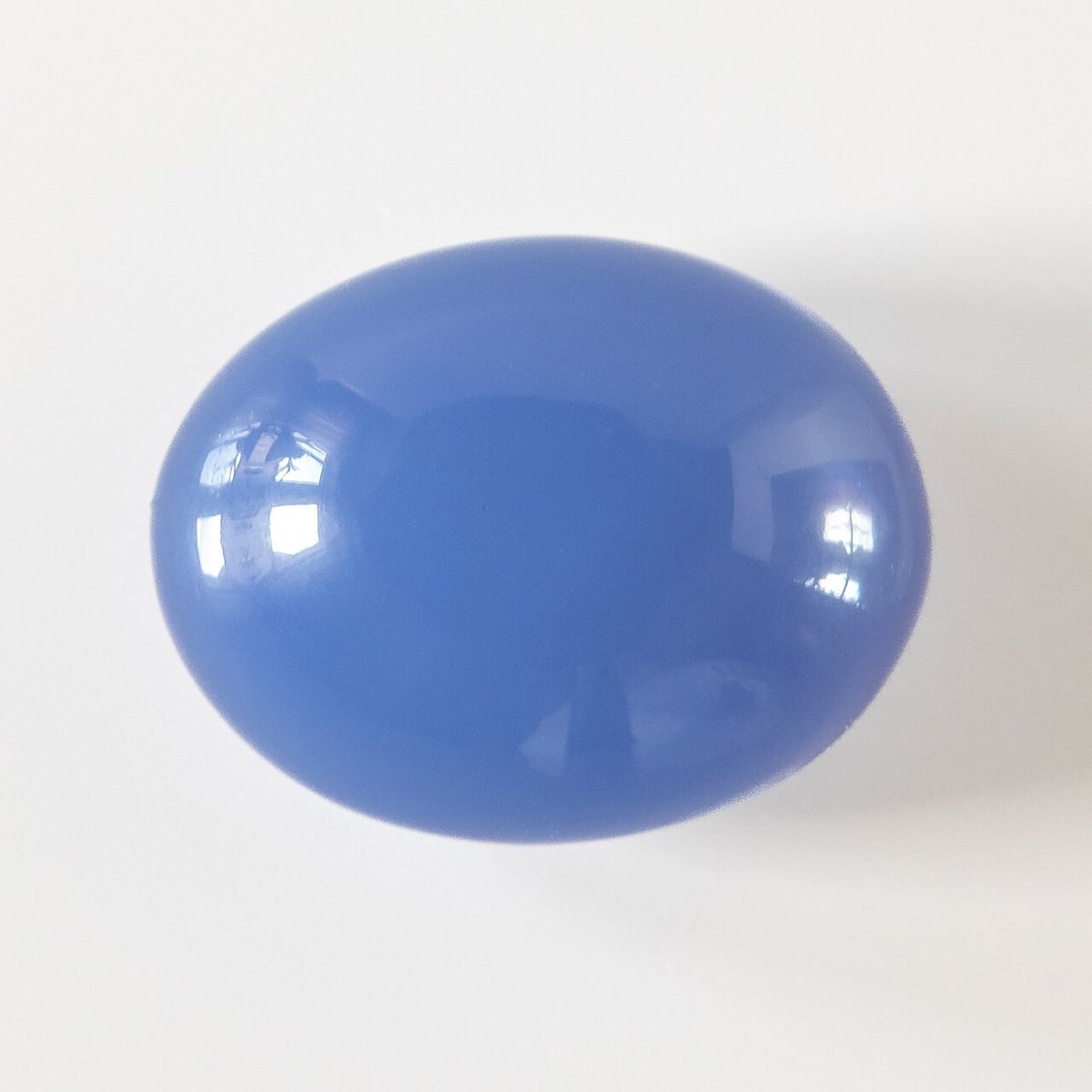
Chalcedony
A soft, milky blue variety of cryptocrystalline quartz, chalcedony is the gentle throat-chakra stone of generous speech.
- Chalcedony takes its name from the ancient city of Chalcedon on the Bosphorus, now part of modern Istanbul.
- Chalcedony is the parent family of agate, carnelian, jasper, onyx, chrysoprase, and sardonyx.
- Roman imperial seals were overwhelmingly carved from chalcedony because of its hardness and even polish.
- Blue chalcedony from Turkey's Mt. Airy deposit is prized for its sky-blue softness without dyeing.
- Chalcedony under magnification shows microscopic parallel fibers, hence the term cryptocrystalline quartz.
- Practitioners working with throat chakra gentle speech and generosity
- Readers drawn to soft blue and subtle pastels
- Collectors of ancient seal stones and classical cabochons
- Gift givers shopping for a calming pendant or meditation stone
- Buyers seeking an affordable alternative to aquamarine
- Those wanting a faceted brilliant blue (consider blue topaz)
- Shoppers seeking saturated color (try lapis lazuli)
- Buyers wanting investment-grade rarity (consider blue sapphire)
What Is Chalcedony?
Chalcedony is a general term for cryptocrystalline quartz, a form of quartz made up of microscopic fibers too small to see without magnification. Under this broad heading fall many familiar gem varieties: agate, carnelian, jasper, onyx, chrysoprase, and sardonyx are all chalcedony. It rates 7 on the Mohs hardness scale.
When sellers use the unqualified name chalcedony, they usually mean the pale blue or milky variety. At Mohs 7, chalcedony is durable and suitable for daily jewelry. It is typically cut as cabochons, beads, carved cameos, and tumbled stones.
Blue chalcedony (the most popular unqualified variety) shows a soft powdery blue that ranges from nearly colorless to a saturated pale sky blue. Other color varieties include white, pink, lilac, and multicolor agates.
Chalcedony forms in volcanic cavities and sedimentary deposits when silica-rich groundwater slowly precipitates fibrous quartz. The fibers align in roughly parallel bundles, which gives chalcedony its characteristic smooth waxy surface when polished.
Major commercial sources of blue chalcedony include Turkey (the famous Mt. Airy deposit produces sky-blue material), Namibia, the United States (Oregon Blue, Mt. Airy in North Carolina, California), Madagascar, and Indonesia. Each source produces material with slightly different blue tones.
How Chalcedony Compares
| Property | Blue Chalcedony | Aquamarine | Larimar |
|---|---|---|---|
| Hardness | 7 | 7.5 - 8 | 4.5 - 5 |
| Price / carat | $ Budget | $$ Mid-range | $ Budget |
| Color | Soft milky blue | Clear pale blue | Turquoise with white veining |
| Best For | Cabochons, beads, seals | Faceted fine jewelry | Caribbean-theme cabochons |
Meaning and Symbolism
Chalcedony has been one of the most widely used gemstones in human history, with cultures around the world carving and polishing it for over five thousand years.
The name comes from the ancient city of Chalcedon on the Asian shore of the Bosphorus, which was a major trading center in antiquity. Greek and Roman workshops specialized in chalcedony seals and intaglios used for signing documents and marking ownership.
Medieval Islamic culture adopted chalcedony for calligraphic pendants and protective amulets, and Byzantine jewelry incorporated blue and white chalcedony cameos as diplomatic gifts and court regalia.
In the Americas, Native American cultures used chalcedony and related jasper varieties for tool-making, ceremonial objects, and trade goods for thousands of years before European contact.
In modern crystal healing tradition, blue chalcedony is associated with the throat chakra and with what practitioners call generous speech. It is often recommended for people working on listening skills, diplomatic communication, or honest speech that honors the feelings of others.
Its reputation is gentler than lapis lazuli and more calm-oriented than blue apatite, making it a classic middle-path throat-chakra stone. It pairs naturally with moonstone for feminine intuitive work and with amethyst for combined third eye and throat practice.
Historical Timeline
Healing Tradition
Emotional
Practitioners believe chalcedony supports gentle emotional honesty and generous listening. In crystal healing tradition, blue chalcedony specifically is often recommended for people working on listening skills, diplomatic speech, or family mediation roles.
Many readers wear chalcedony jewelry during therapy, teaching, or conflict mediation work, and practitioners describe a sense of patient open communication during these weeks.
Practitioners pair chalcedony with rose quartz when the communication involves emotional tenderness, or with amethyst when calm of mind is needed alongside clear speech.
Because its reputation is soft and receptive rather than assertive, chalcedony is often described as a listening stone rather than a speaking-out stone. Readers sometimes describe chalcedony as particularly useful during difficult family conversations, interfaith dialogue, or cross-cultural communication work.
Spiritual
Chalcedony is traditionally associated with the throat chakra, and with gentle generous spiritual expression. Practitioners describe it as a stone that supports humble honest speech rather than dramatic declaration.
In Christian and Islamic traditions, chalcedony has long been carved into religious seals, prayer beads, and calligraphic pendants for its association with honest and devoted speech.
Many readers keep a tumbled chalcedony on a meditation altar during periods of teaching, ministry, or community leadership work. It pairs readily with clear quartz for amplified intention and with moonstone for feminine intuitive communication.
The stone's soft blue is visually calming, which is why practitioners often set it at eye level during seated meditation as a focus for gentle throat-chakra practice.
Physical
Practitioners believe chalcedony supports what they describe as throat-area balance and general nervous-system calming. Folk tradition links blue chalcedony with relief from vocal strain and stress-related laryngitis, and with gentle support during periods of public speaking or teaching.
In modern crystal healing practice, chalcedony is most often worn as a pendant at the throat or held in the receptive hand during calm-voice meditation.
Many readers wear chalcedony jewelry during sustained communication periods (extended conferences, teaching seasons, intense counseling work) and describe a sense of steady vocal endurance. It is not a substitute for medical care, and practitioners frame its role as supportive alongside proper treatment.
Because chalcedony is hard and chemically stable, it is practical for daily wear in ring, pendant, or bracelet form without special handling.
Zodiac, Birthstone and Gifts
Chalcedony is traditionally associated with Cancer in Western astrology because of the sign's Moon rulership and the stone's watery blue tones. For Sagittarius, chalcedony is recommended as a supporting stone for diplomatic speech and respectful communication across cultures and worldviews.
Although chalcedony is not on the formal US birthstone list, it is sometimes suggested as an alternative June or August stone and is often given as a sentimental gift for teachers, ministers, and anyone working in communication-intensive roles regardless of birth month.
Care and Cleansing
Chalcedony tolerates most common cleansing methods. Running lukewarm water for under a minute is safe, as is a gentle wash in mild soapy water with a soft brush for jewelry. Moonlight cleansing is traditional and carries no risk. Sunlight cleansing is also appropriate because chalcedony color is stable under UV exposure.
Smoke cleansing with sage, palo santo, or cedar and sound cleansing with a singing bowl are both effective and safe. Dry salt cleansing on a bed of sea salt for a few hours is fine, though saltwater soaks should be limited for jewelry to protect metal settings.
Ultrasonic and steam cleaners are generally safe for untreated chalcedony, but should be used carefully on antique cabochons and cameos because older settings may loosen.
Because chalcedony is often worn during communication-intensive periods, many practitioners cleanse it after major conversations, speeches, or teaching sessions rather than on a fixed schedule. A night on a selenite plate after intense communication work is a common refresh practice.
- DO rinse chalcedony jewelry in warm soapy water and dry with a soft cloth.
- DO NOT use ultrasonic cleaners on antique cameos without checking settings.
- DO store chalcedony separately from harder stones to prevent surface scratches.
- DO remove chalcedony rings before rough manual work.
- DO ask about dyeing disclosure for suspiciously saturated material.
- DO preserve antique chalcedony intaglio provenance documentation.
- Note: some commercial chalcedony is dyed to deepen blue tones; disclosure expected.
Real vs Fake
Genuine chalcedony shows a smooth waxy surface with a slight powdery texture when polished, and under 10x magnification reveals a granular cryptocrystalline structure of tiny parallel fibers. Natural blue chalcedony has subtle color variations across a single piece rather than the uniform saturation of dyed imitations.
Common imitations include dyed agate or white chalcedony (which often shows dye concentrated in crystal boundaries and produces color transfer on an acetone swab), blue glass (cold to the touch, often shows gas bubbles under magnification), and synthetic blue chalcedony (uncommon because natural material is inexpensive).
Plastic imitations feel warmer and lighter than natural chalcedony.
A basic hardness test separates most imitations. Chalcedony scratches at Mohs 7 (similar to quartz), so it will scratch glass but not steel in casual tests. Plastic and resin imitations are much softer.
For antique Roman and Greek cylinder seals and Renaissance cameos, provenance documentation is as important as material authentication. Reputable antique dealers provide dating estimates and workshop attributions when available.
Modern commercial chalcedony is widely available at affordable prices, and genuine natural material is common enough that imitation is rarely economical except in the cheapest costume jewelry.
Chalcedony Jewelry & Gifts
Chalcedony is one of the most affordable historical gemstones. Tumbled stones cost a few dollars each, standard cabochons run $5 to $20 per carat, and large palm stones or carved pieces cost $20 to $100.
Top sky-blue Turkish Mt. Airy or Namibian chalcedony with clean polish and saturated natural color can reach $30 to $80 per carat in fine jewelry sizes. Antique Roman-era intaglios and Renaissance cameos command significantly higher prices, with documented pieces reaching several thousand dollars at auction.
Treatment concerns center on dyeing used to deepen blue color in pale or gray material. Reputable sellers disclose dye treatment in writing, and genuinely natural-colored chalcedony commands a modest premium.
When buying, examine the stone under daylight and incandescent light to assess color consistency, check for waxy luster and smooth polish, and ask about origin (Turkey, Namibia, USA, Indonesia).
For antique cameos and seals, buy from dealers experienced in classical and Renaissance jewelry who can differentiate chalcedony from agate, carnelian, and shell cameo material.
Where to Buy Chalcedony
Affiliate disclosure: Some links below earn us a small commission at no extra cost to you. See our affiliate disclosure page.
Handmade, raw, and tumbled pieces from independent sellers worldwide.
Shop Chalcedony on Etsy →Accessories, tools, and specimen sets with fast Prime delivery.
Shop Chalcedony on Amazon →Certified loose gemstones graded and photographed for online buyers.
Shop Chalcedony on GemSelect →Pairs Well With


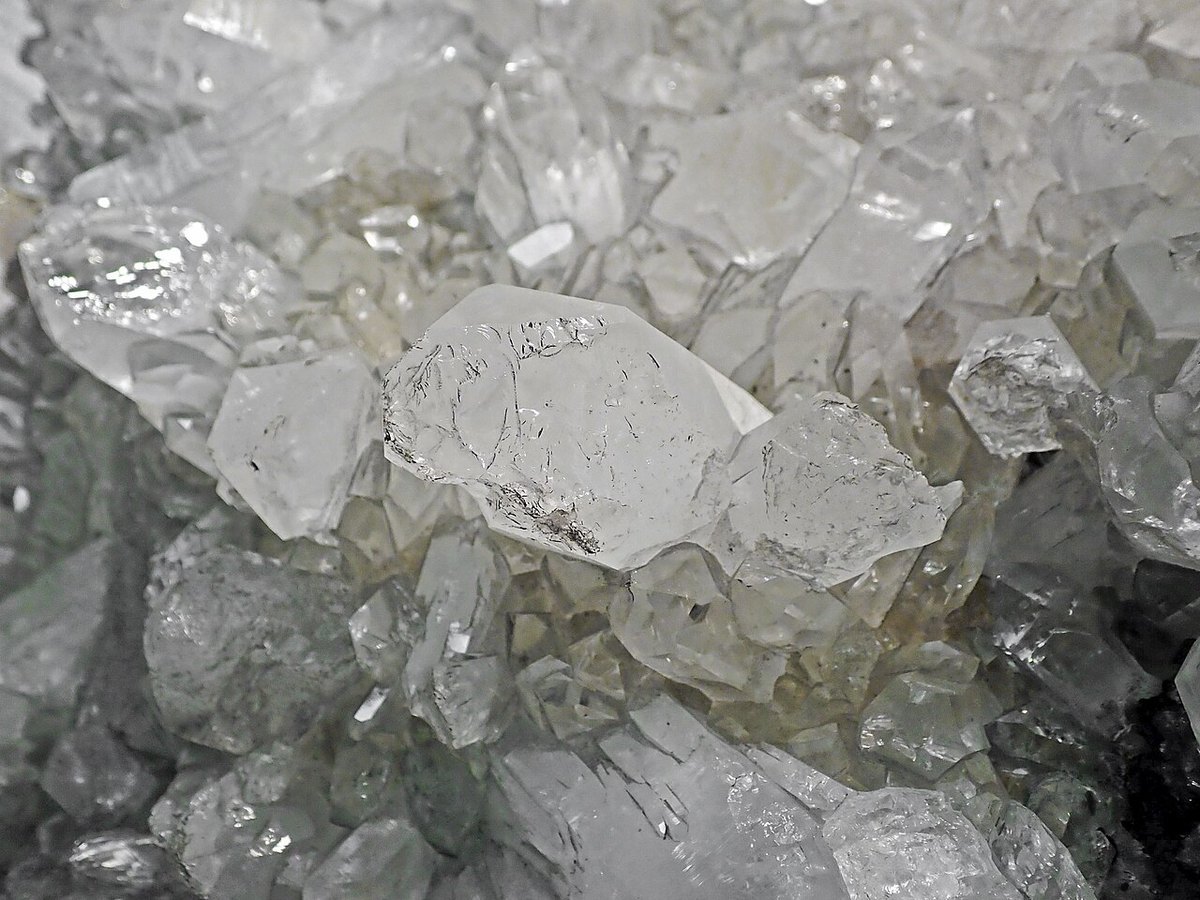


Where Chalcedony Is Found


