
Lapis Lazuli
Mined from the high Afghan mountains for six thousand years, lapis lazuli is the royal-blue stone of wisdom, truth, and inner vision.
- The word ultramarine literally means beyond the sea, referring to the Afghan origin reached by trans-Mediterranean caravan.
- Michelangelo left the Madonna's robe unfinished in his Entombment because he could not afford enough lapis lazuli pigment.
- The Sar-e-Sang mines in Afghanistan have been operating continuously for roughly nine thousand years.
- A high-grade lapis cabochon with evenly distributed pyrite is sometimes described in the trade as having stars in its sky.
- Lapis pigment in Vermeer's Girl with a Pearl Earring was so valuable that scholars suspect the artist was in debt to a patron for it.
- Readers drawn to deep, royal blue with golden flecks
- Practitioners working with throat chakra expression and honest speech
- Writers, students, and teachers seeking a stone traditionally linked with wisdom
- Gift givers shopping for a meaningful, historically rich September alternative
- Collectors of ancient-world gems used since Sumerian and Egyptian times
- Daily-wear ring buyers (consider blue sapphire or spinel)
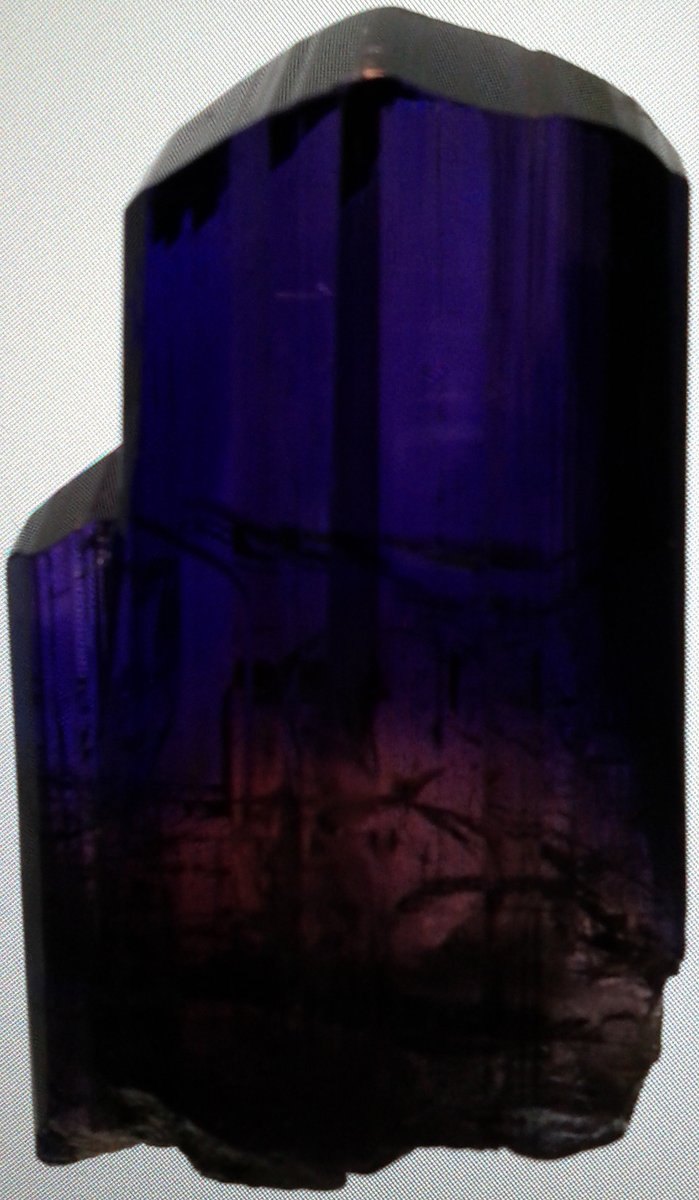
- Those who want a transparent faceted stone (try tanzanite)
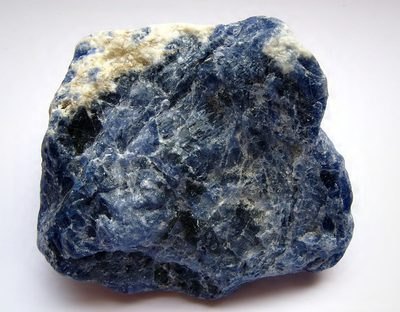
- Buyers avoiding water-sensitive gems (consider sodalite)
What Is Lapis Lazuli?
Lapis lazuli is not a single mineral but a rock made mostly of three ingredients: lazurite (which gives the blue), calcite (which lightens it), and pyrite (which produces the characteristic gold flecks). It rates 5 - 5.5 on the Mohs hardness scale.
Top grades are dominated by lazurite and show tight constellations of pyrite with minimal calcite, producing the even ultramarine that Renaissance painters prized above all other blue pigments on the market.
At Mohs 5 to 5.5, lapis is soft enough to warrant protected jewelry settings. It is typically cut as cabochons, beads, or carvings rather than faceted, because the rock's composite nature scatters light rather than transmitting it.
The stone forms through contact metamorphism of limestone by silica-rich intrusions, a narrow geological setting that restricts its origins to a short list of localities.
The famous Sar-e-Sang mines in Afghanistan's Kokcha Valley have supplied lapis continuously since 7000 BCE, making them among the oldest continuously worked gem mines on earth. Russian Lake Baikal and the Chilean Andes round out the commercial sources.
Until the nineteenth-century discovery of synthetic ultramarine, ground lapis was the most expensive blue pigment in existence. Renaissance contracts sometimes specified exactly how much ultramarine (literally from beyond the sea) a painter could use on the Virgin Mary's robe.
How Lapis Lazuli Compares
| Property | Lapis Lazuli | Sodalite | Azurite |
|---|---|---|---|
| Hardness | 5 - 5.5 | 5.5 - 6 | 3.5 - 4 |
| Price / carat | $ Budget | $ Budget | $ Budget |
| Color | Ultramarine + gold flecks | Royal blue + white | Azure to indigo |
| Best For | Royal-blue cabochons, carving | Budget blue beads | Collector specimens |
Meaning and Symbolism
Lapis lazuli has been a stone of kings and priests since the earliest urban civilizations. Sumerian inscriptions at Ur describe it as the material of divine eyes, and the famous golden mask of Tutankhamun carries ribbons of lapis across its brow and beard.
The blue of ancient Egyptian eye of Horus amulets was most often lapis paste or pigment, and Egyptian priestesses wore it to invoke the goddess Isis.
In Persian and Islamic tradition, lapis was ground into pigment for illuminated Qurans and Shahnameh manuscripts. In medieval and Renaissance Europe, the ultramarine pigment made from Afghan lapis was so costly that it was reserved for the Virgin Mary's robes and for the most sacred passages of manuscripts.
A small jar of ultramarine lapis pigment could cost more than a painter's annual wage, which is why it was rationed by contract and reserved for the most sacred passages in manuscripts.
In crystal healing tradition, lapis lazuli is associated with truth, wisdom, and self-knowledge. Practitioners believe it supports honest speech and clear thinking, especially for people whose work involves teaching, writing, or leading others. It pairs naturally with clear quartz for amplification and with amethyst for combined third eye and crown work.
Historical Timeline
Healing Tradition
Emotional
Practitioners believe lapis lazuli is a stone of emotional honesty, helping a wearer recognize what they actually feel beneath social performance. In crystal healing tradition, it is often recommended for people wrestling with imposter syndrome, chronic people-pleasing, or unspoken frustration.
Many find a lapis pendant worn at the chest a supportive choice during weeks when honest conversations are overdue, and readers describe a gentle pressure to speak up without becoming harsh.
Practitioners sometimes pair lapis with rose quartz when the emotional work involves relationships, or with black tourmaline when the truth-telling is happening in a hostile environment. Because its reputation is truth-oriented rather than soothing, practitioners often frame lapis as a stone for clarity rather than comfort.
Spiritual
Lapis lazuli is traditionally associated with the third eye and throat chakras, and practitioners use it to link inner vision with outer expression. Many crystal workers describe it as a teaching stone that helps a practitioner articulate insights that would otherwise stay private.
In Egyptian, Sumerian, and Tibetan tradition, lapis was used in priestly and royal regalia to mark the wearer as a channel for divine wisdom. Modern readers often keep a tumbled piece on the writing desk or meditation altar for this reason.
Practitioners working with prayer, channeled writing, or prophetic dreams often pair lapis with clear quartz in grids, and some set a small lapis cabochon at the crown of a larger spread intended for honest vision. It is considered a stone for steady, grounded spiritual work rather than for ecstatic states.
Physical
Practitioners believe lapis lazuli supports what they describe as clarity of mind under pressure. Classical and medieval physicians used powdered lapis in preparations intended to steady the nerves, and folk tradition links it with relief from headache and eye strain.
In modern crystal healing practice, lapis is most often placed on the brow or at the base of the throat during sessions aimed at calm focus.
Many readers keep a small tumbled lapis next to a computer and describe it as a visual anchor during long work sessions. It is not a substitute for medical care, and practitioners frame its role as supportive alongside proper treatment.
For anyone who finds stronger activating stones uncomfortable, lapis is typically described as steady and quiet rather than energizing, making it a reasonable companion for bedside and desk use.
Zodiac, Birthstone and Gifts
Lapis lazuli is often recommended as an alternate September birthstone and is strongly associated with Sagittarius in Western astrology. Practitioners describe lapis as an ally for Sagittarius's philosophical, truth-seeking temperament.
For Libra, lapis is said to support the sign's diplomatic gifts by adding the courage to say what is true even when it disrupts balance.
In Vedic tradition, lapis is sometimes substituted for blue sapphire when the wearer finds true sapphire too intense, and is typically set in silver and worn on the middle finger of the non-dominant hand.
Care and Cleansing
Lapis lazuli is sensitive to heat, salt, and strong detergents. Dry methods are preferred. Smoke cleansing with sage, cedar, or palo santo is the traditional favorite and carries no risk of damage. Sound cleansing with a singing bowl and a short session on a selenite plate are also safe.
Moonlight cleansing on a windowsill is gentle and effective. Brief rinses under lukewarm running water are acceptable for tumbled stones, but jewelry should be wiped with a soft cloth instead.
Salt, saltwater soaks, ultrasonic cleaners, and steam cleaners should all be avoided. Salt can pit lapis surface and leach color from wax-stabilized pieces, while ultrasonic vibration opens hairline cracks in composite stones. Many readers place lapis on a selenite plate overnight before important presentations, speeches, or interviews.
- DO NOT use ultrasonic or steam cleaners on lapis lazuli jewelry.
- DO store lapis separately from harder stones to prevent surface scratches.
- DO NOT soak lapis in saltwater or strong detergents.
- DO remove lapis rings before hand sanitizer, perfume, and cleaning products.
- DO wipe lapis with a soft cloth after wearing to preserve polish.
- DO NOT expose lapis to high heat or sudden temperature changes.
- Note: much commercial lapis is dyed to deepen the blue; ask your seller to confirm natural color.
Real vs Fake
Genuine lapis lazuli shows an uneven natural color with scattered pyrite inclusions and occasional white calcite veining. A stone that appears perfectly uniform blue with evenly spaced gold dots is suspicious and may be dyed howlite, reconstituted lapis dust, or synthetic spinel.
The gold flecks in real lapis have sharp metallic edges and catch light like tiny mirrors. Imitation gold flecks in dyed stones tend to look flat or slightly blurry.
Common imitations include dyed howlite or magnesite (natural white stones colored bright blue), dyed chalcedony, synthetic lapis (which has very even color and is often sold as Gilson lapis), and crude plastic or resin composites.
A streak test on unglazed porcelain produces a pale blue line on genuine lapis, while dyed imitations often leave a color-transferring streak. Acetone on a cotton swab will not affect natural lapis but may dissolve dye from imitations.
Reconstituted lapis made from powder bound with resin is a common mid-market product. It is usually disclosed as reconstituted and can be a reasonable choice for fashion jewelry, but it should not be priced as solid Afghan material.
For any valuable piece, a gemological laboratory report is the most reliable confirmation of natural, untreated origin. Refractometer and microscope tests quickly separate solid lapis from composites.
Lapis Lazuli Jewelry & Gifts
Lapis lazuli prices range from a few dollars per carat for heavily calcite-streaked material to over one hundred fifty dollars per carat for top Afghan cabochons with even ultramarine color and well-distributed pyrite.
A classic commercial grade Afghan cabochon with a clean face and tight pyrite sits around $20 to $60 per carat. Museum-grade pieces with no visible calcite and minimal pyrite command a premium.
Chilean lapis is typically softer in color and contains more calcite, placing it at the budget end of the market. Russian Lake Baikal material is uncommon in commercial supply.
Treatment is a significant issue in this market. Dyeing to deepen color and wax stabilization to improve polish are both common, especially in beads and tumbled stones. These treatments should be disclosed.
When buying, look at the stone under daylight and under warm indoor light to assess color consistency, check the pyrite flecks for metallic sparkle rather than flat gold tone, and ask directly whether the piece is natural, dyed, or reconstituted.
For statement pieces, buy from a dealer willing to put treatment and origin disclosure in writing, and ask directly whether the stone is natural Afghan, Chilean, or reconstituted material.
Where to Buy Lapis Lazuli
Affiliate disclosure: Some links below earn us a small commission at no extra cost to you. See our affiliate disclosure page.
Handmade, raw, and tumbled pieces from independent sellers worldwide.
Shop Lapis Lazuli on Etsy →Accessories, tools, and specimen sets with fast Prime delivery.
Shop Lapis Lazuli on Amazon →Certified loose gemstones graded and photographed for online buyers.
Shop Lapis Lazuli on GemSelect →Pairs Well With


Where Lapis Lazuli Is Found


