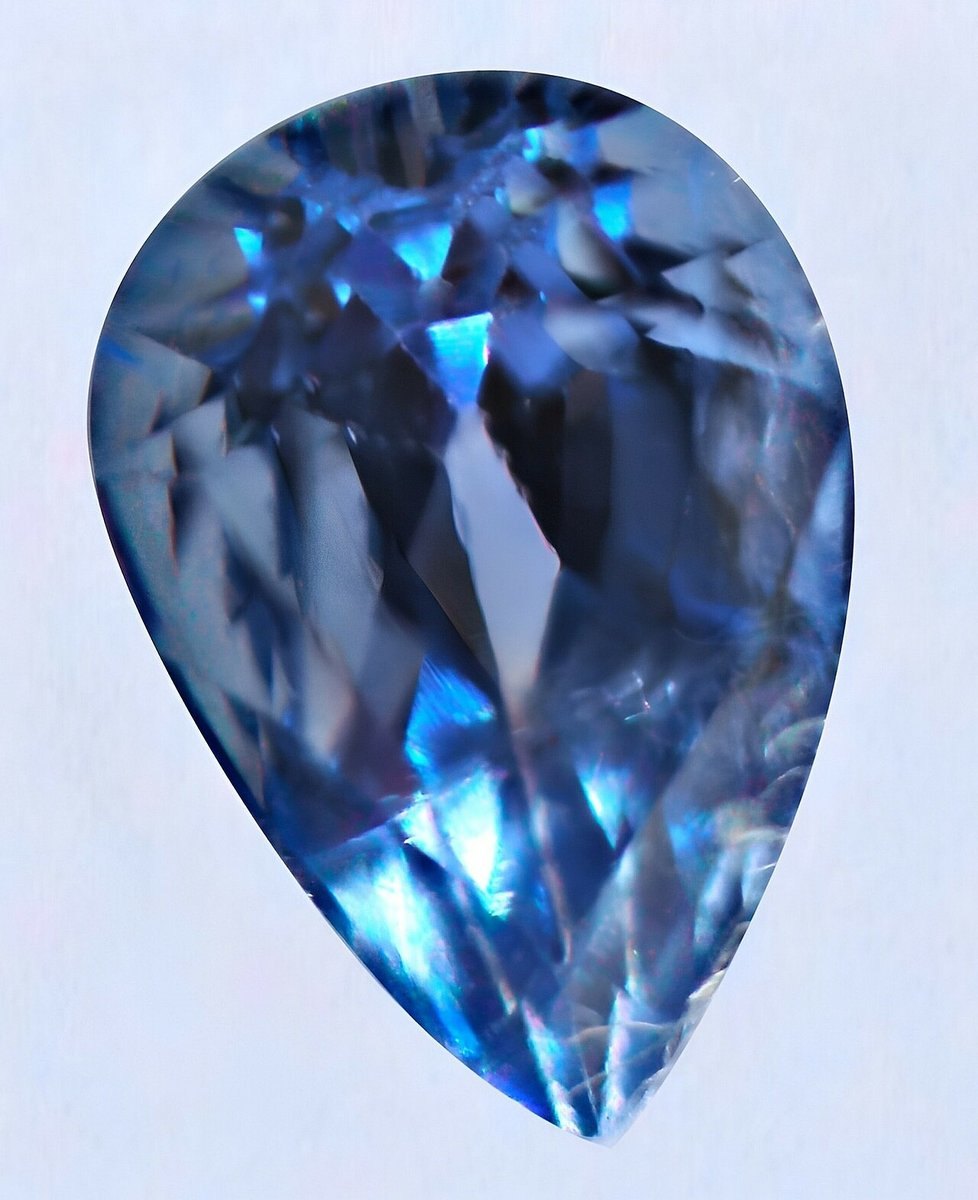
Blue Sapphire
Hard as diamond-runner corundum and colored by trace iron and titanium, blue sapphire is the royal-blue gem of wisdom and faithful love.
- Sapphire and ruby are the same mineral (corundum); only the trace element changes the color.
- A record-breaking 422-carat Kashmir sapphire sold at auction for over 3 million dollars .
- The word sapphire comes from Latin sapphirus via Greek, possibly originally referring to lapis lazuli before being applied to blue corundum.
- Synthetic sapphire is so hard and transparent that it is used for scratch-resistant watch crystals and smartphone camera covers.
- Star sapphires show a 6-rayed star caused by rutile needle inclusions aligned along the crystal's three axes.
- Engagement ring buyers seeking diamond-rival durability in a rich blue color
- September birthday gift seekers wanting a fine-jewelry investment piece
- Collectors of Kashmir, Ceylon, or Myanmar provenance stones
- Practitioners working with throat chakra expression and third eye insight
- Heirloom buyers building a piece that can pass to the next generation
- Buyers on a strict budget (consider lapis lazuli or tanzanite)
- Shoppers preferring a softer, more purple blue (try tanzanite)
- Those wanting a very large faceted stone for low cost (consider blue topaz)
What Is Blue Sapphire?
Blue sapphire is the blue color variety of corundum, the same mineral species as ruby. The difference is purely trace chemistry: iron and titanium together produce the blue, while chromium produces the red we call ruby. It rates 9 on the Mohs hardness scale.
At Mohs 9, sapphire is the second hardest natural gemstone, surpassed only by diamond. This makes it among the most durable choices for daily jewelry, including engagement rings intended for constant wear.
Blue sapphire forms in metamorphic and magmatic environments over long cooling periods, typically in marbles, basalt rift zones, and alkali syenites. The resulting crystals grow as hexagonal prisms, often showing internal growth bands that cutters align carefully to place the deepest color at the table.
The finest blue sapphires come from a narrow list of localities. Kashmir (now largely mined out) produced a velvety cornflower blue with a soft sleepy texture from fine inclusions. Ceylon (modern Sri Lanka) yields bright cornflower and royal blues in larger sizes.
Myanmar, Madagascar, and Australia round out the commercial supply. Roughly 95 percent of commercial sapphire on the market today is heat treated, a stable and industry-accepted practice that improves color and clarity. Untreated stones with fine color command a significant premium, and trustworthy sellers always disclose treatment status.
How Blue Sapphire Compares
| Property | Blue Sapphire | Tanzanite | Blue Spinel |
|---|---|---|---|
| Hardness | 9 | 6 - 6.5 | 7.5 - 8 |
| Price / carat | $$$ Premium | $$$ Premium | $$ Mid-range |
| Rarity | Rare (fine color) | Rare | Rare |
| Best For | Engagement, heirloom | Special occasions | Collector rings |
Meaning and Symbolism
Blue sapphire has been a stone of kings, clerics, and lovers for at least three thousand years. Persian legend held that the sky was blue because the earth rested on a giant sapphire, and ancient Greeks wore sapphire amulets when consulting the oracle at Delphi.
The medieval Church made sapphire the stone of cardinals and bishops, set into rings that signaled heavenly wisdom and chastity.
A large blue sapphire sits at the center of the British Imperial State Crown, and Princess Diana's sapphire engagement ring (later worn by the Princess of Wales) made the stone an icon of modern royal romance.
In Vedic astrology, blue sapphire (neelam) is considered one of the most powerful planetary gemstones, associated with Saturn, and is prescribed with care because of its strong reputation. In crystal healing tradition, blue sapphire is associated with faithful love, honest speech, and focused wisdom.
Practitioners believe it supports clear thinking under pressure, which is why it has been worn by judges, magistrates, and spiritual counselors across many cultures. It pairs naturally with diamond in wedding jewelry and with ruby as its color sibling in the corundum family.
Historical Timeline
Healing Tradition
Emotional
Practitioners believe blue sapphire is a stone of emotional steadiness and honest self-reflection. In crystal healing tradition, it is often recommended for people navigating career pressure, long-term commitment decisions, or sustained grief work where clarity matters more than comfort.
Many find a sapphire ring or pendant a supportive daily companion during weeks that require composure in public, and readers describe a quiet discipline in its presence.
Practitioners sometimes pair sapphire with rose quartz when the emotional work involves partnership, or with smoky quartz when grounding is needed alongside clarity. Because its reputation is disciplined rather than soothing, practitioners often frame sapphire as a stone of mature emotional work rather than first-wave healing.
Spiritual
Blue sapphire is traditionally associated with the third eye and throat chakras and is often called the stone of wisdom in older metaphysical texts. Practitioners use it to steady focus during prayer, meditation, and devotional study.
In Vedic tradition, neelam is considered one of the fastest-acting gemstones and is prescribed with care after astrological consultation. Practitioners describe it as a stone for people ready for disciplined spiritual work rather than for ecstatic states.
Many readers wear sapphire during concentrated study, long-form writing, or teaching, and some keep a small tumbled piece at the altar for prayer practice. It pairs readily with clear quartz in grids and is said to deepen rather than amplify, adding a quality of focused intent to devotional work.
Physical
Practitioners believe blue sapphire supports what they describe as calm focus under sustained pressure. Classical and medieval physicians associated sapphire with relief of eye strain and headache, and folk tradition linked it with steady sleep and measured pulse.
In modern crystal healing practice, sapphire is most often placed on the brow or at the base of the throat during sessions aimed at mental clarity.
Many readers keep a small tumbled sapphire on a study desk or wear a ring during high-pressure work weeks. It is not a substitute for medical care, and practitioners frame its role as supportive alongside proper treatment.
Because sapphire is hard and chemically stable, it is one of the safest gems for long-term skin contact and is commonly recommended for anyone wearing a single stone daily.
Zodiac, Birthstone and Gifts
Blue sapphire is the US birthstone for September and is strongly associated with Virgo and Libra in Western astrology. Practitioners describe sapphire as an ally for Virgo's analytical temperament and Libra's pursuit of balanced judgment. For Taurus, blue sapphire is sometimes suggested as a supporting stone for sustained commitment and faithful love.
In Vedic astrology, sapphire (neelam) is the primary Saturn gemstone and is prescribed only after careful birth-chart analysis because of its reputation as a fast-acting stone. Vedic tradition typically sets it in silver or platinum on the middle finger.
Care and Cleansing
Blue sapphire is one of the easiest stones to maintain because of its Mohs 9 hardness and chemical inertness. Warm soapy water and a soft brush are safe for nearly all sapphires.
Ultrasonic and steam cleaners are safe for untreated stones but should be avoided for fracture-filled or beryllium-treated material because sudden thermal shock can reopen treated inclusions.
Moonlight cleansing is a gentle traditional method. Smoke cleansing with sage or palo santo is also effective. Saltwater soaks are safe because sapphire is not chemically reactive, though metal settings may tarnish and should be rinsed afterward.
Sound cleansing with a singing bowl and brief sessions on a selenite plate are popular modern practices that carry no risk to the stone.
Because sapphire is said in crystal healing tradition to work slowly and steadily, many practitioners cleanse it only at major life transitions rather than on a weekly schedule.
- DO rinse sapphire in warm soapy water and dry with a soft cloth after heavy wear.
- DO NOT use ultrasonic cleaners on fracture-filled or heavily included sapphires.
- DO remove sapphire rings before lifting weights or rock climbing to protect the setting.
- DO store sapphires separately from softer gems to prevent scratches to those stones.
- DO NOT subject treated sapphires to sudden temperature changes.
- DO ask for treatment disclosure before buying, and keep any certificate with the piece.
- Note: diffusion-treated sapphires have only surface color and should not be recut or polished.
Real vs Fake
Genuine blue sapphire is heavy for its size (specific gravity around 4.0), hard enough to scratch glass easily, and shows slight color zoning or silky rutile inclusions under magnification. A 10x loupe examination usually reveals tell-tale growth banding in natural stones.
Common imitations include blue glass (cold, lightweight, often with gas bubbles), synthetic spinel (correct color but different refractive index), synthetic quartz (softer, leaves a trace on glass), and lab-grown corundum (chemically identical but typically with curved growth lines rather than natural zoning).
The most important distinction for buyers is natural versus lab-grown rather than natural versus fake. Both are real sapphire, but the price difference is dramatic.
Tests that separate natural from lab-grown include curved growth lines visible under magnification (lab-grown) versus straight angular zoning (natural), presence of natural inclusions such as silk, fingerprints, or crystal pockets (natural), and UV fluorescence patterns (differs by type).
For stones of significant value, a report from a recognized gemological laboratory is essential. The lab confirms natural origin, identifies any treatments (heat, diffusion, beryllium, fracture filling), and may specify origin (Kashmir, Ceylon, Myanmar, Madagascar) if the stone qualifies.
Ceylon and Kashmir certifications carry significant premium, and provenance reports from top labs protect buyers and preserve resale value.
Blue Sapphire Jewelry & Gifts
Blue sapphire is a premium gem with prices ranging from $400 per carat for commercial heated stones to well over $10,000 per carat for top unheated Kashmir or Burma material.
Commercial heated Ceylon sapphires in faceted 1-2 carat sizes typically run $400 to $1,500 per carat. Unheated Ceylon with fine color commands $2,000 to $5,000 per carat. Kashmir sapphires with laboratory confirmation can exceed $30,000 per carat at the top of the market.
Heat treatment is nearly universal and industry-accepted when disclosed. More invasive treatments, including beryllium diffusion (adds yellow/blue color chemically to the surface layer), fracture filling, and glass-lead composite, should always be disclosed and command significantly lower prices.
When buying, look at color in daylight and incandescent light to assess the full color range, examine under 10x loupe for inclusions and zoning, and insist on a laboratory report for stones over $1,500.
For engagement and heirloom pieces, buy from a dealer willing to disclose treatment in writing, ideally with a an independent gemological lab, a reputable lab, or a reputable lab report. Paying for documentation protects the investment and makes future resale dramatically easier.
Where to Buy Blue Sapphire
Affiliate disclosure: Some links below earn us a small commission at no extra cost to you. See our affiliate disclosure page.
Handmade, raw, and tumbled pieces from independent sellers worldwide.
Shop Blue Sapphire on Etsy →Accessories, tools, and specimen sets with fast Prime delivery.
Shop Blue Sapphire on Amazon →Certified loose gemstones graded and photographed for online buyers.
Shop Blue Sapphire on GemSelect →Pairs Well With


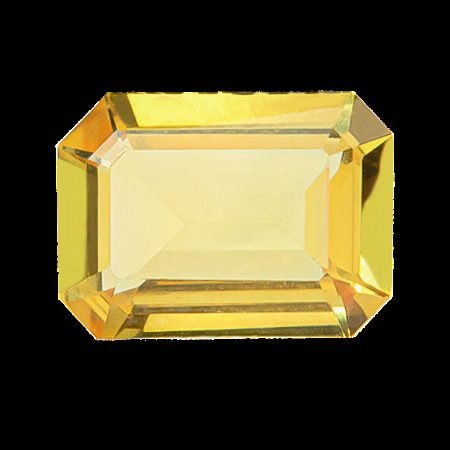
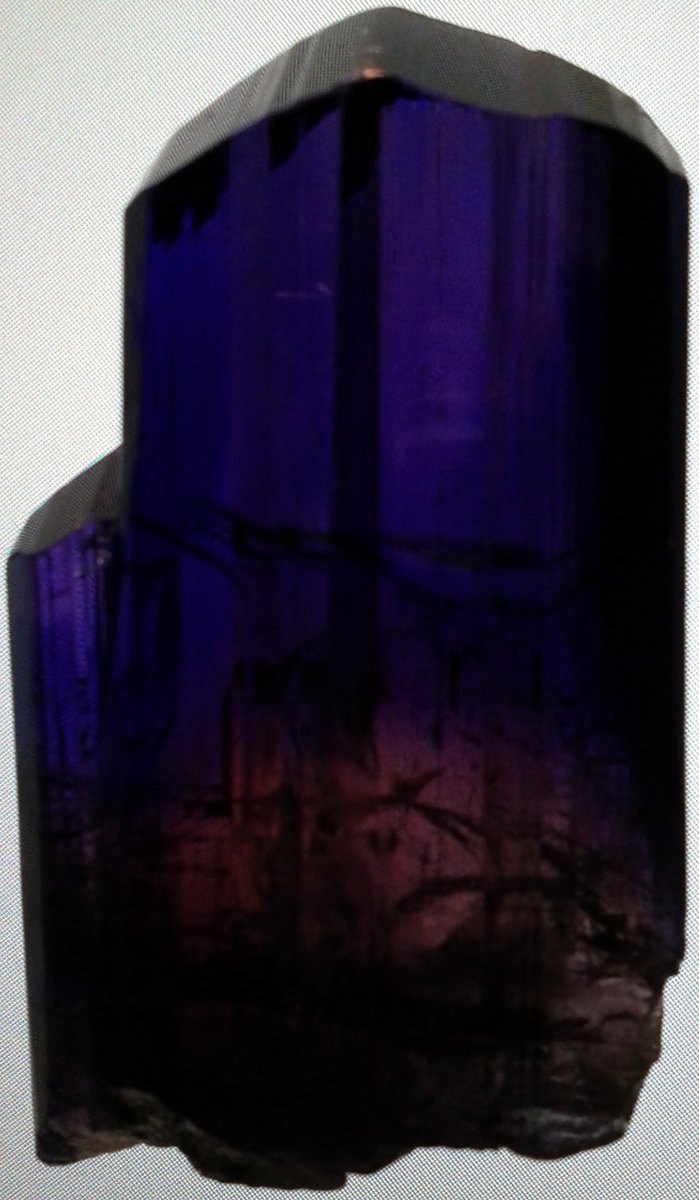

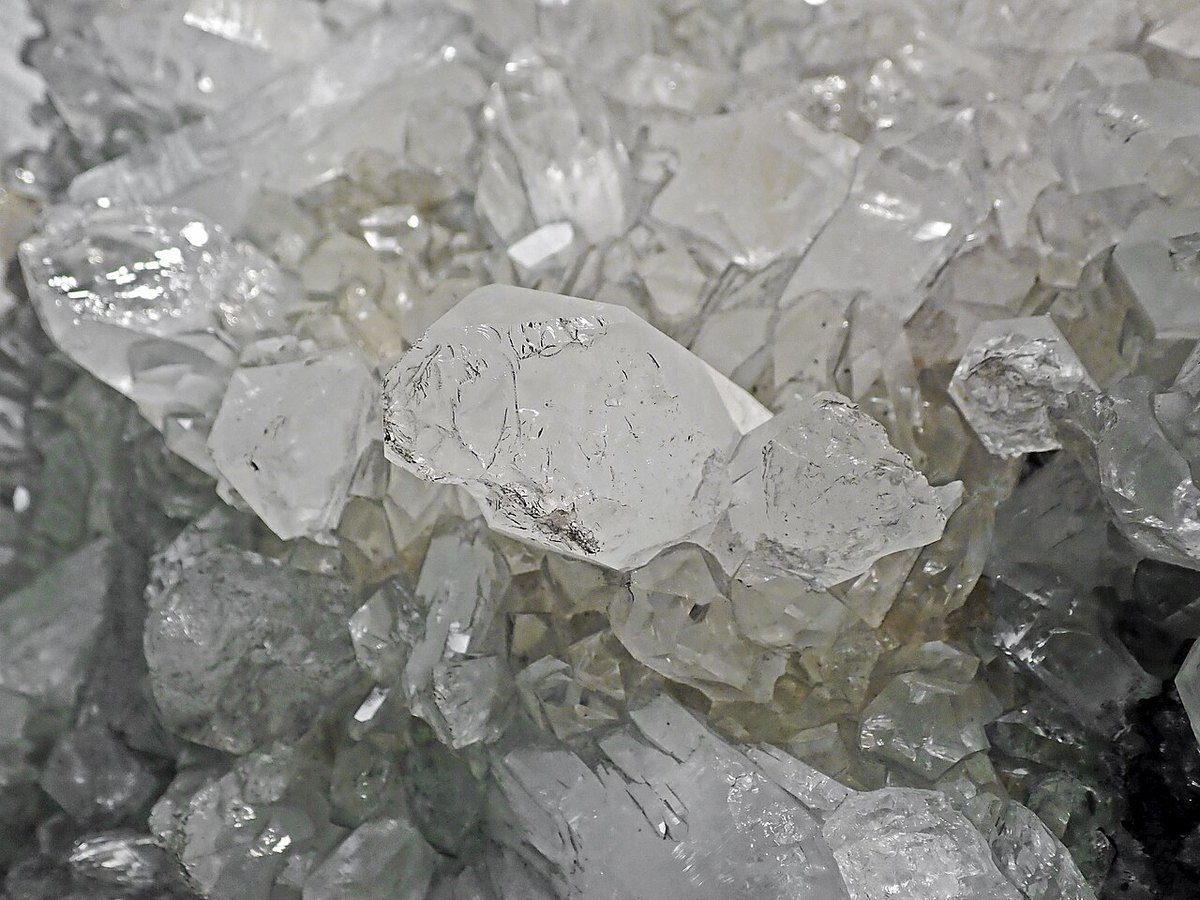
Where Blue Sapphire Is Found


