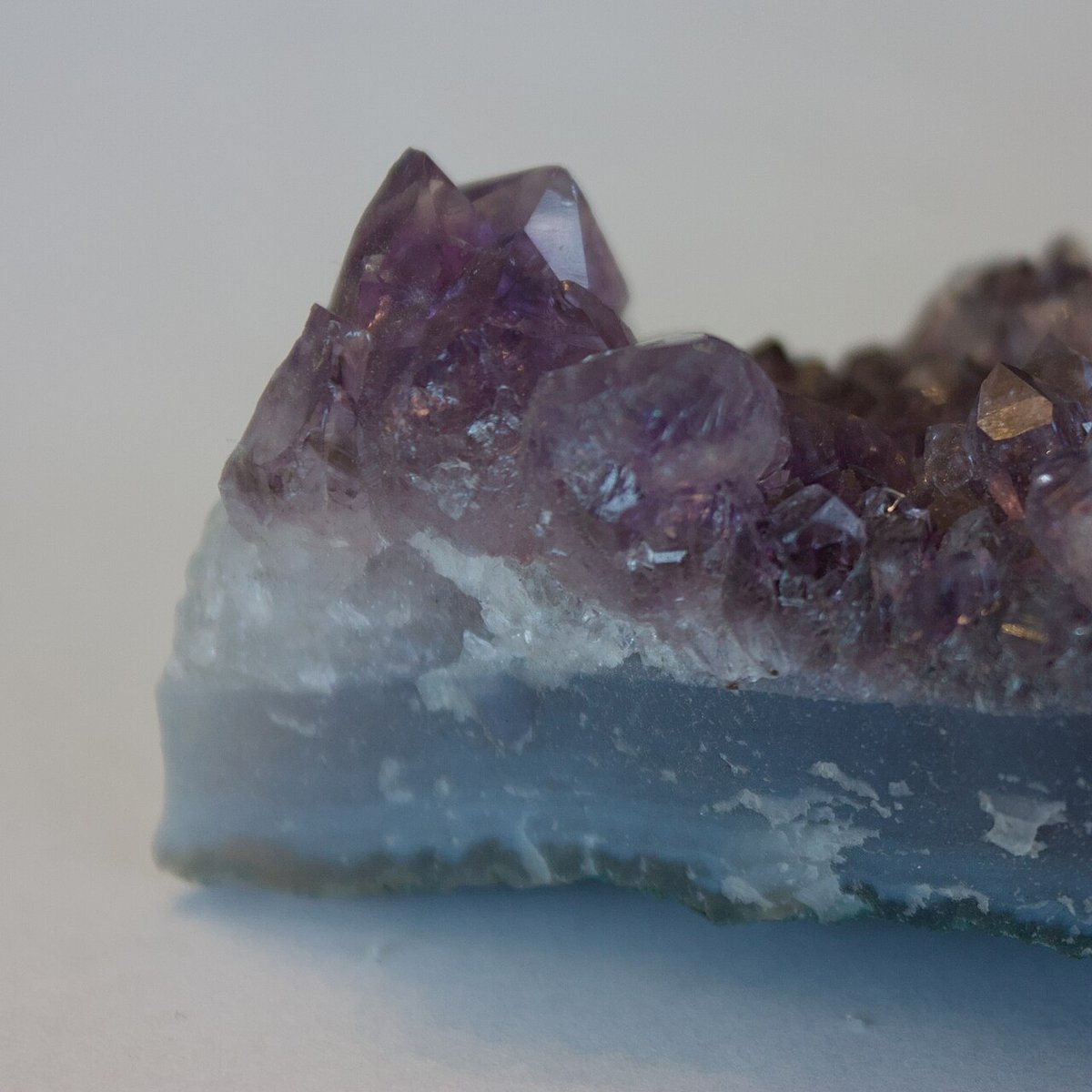
Blue Chalcedony
Soft sky-blue microcrystalline quartz with a calming gentle glow, prized as a throat chakra stone for clear, kind communication.
- The broader chalcedony family takes its name from the ancient Greek city of Chalcedon, located in what is now Istanbul's Kadıköy district.
- Roman senators wore blue chalcedony as a speaker's stone for confidence in public oratory.
- Premium Namibian blue chalcedony is sometimes called African blue chalcedony or aqua chalcedony in the trade.
- Native American tribes called chalcedony a sacred peace stone and used it in ceremonies designed to settle disputes.
- The blue color in natural chalcedony comes from light scattering effects similar to those that give the sky its blue color, not from blue pigment.
- Speakers, teachers, and singers cultivating clear vocal expression
- Practitioners working with throat chakra communication and gentle truth-telling
- Pendant and earring shoppers wanting affordable soft blue stones
- Anxious or shy readers seeking a calming daily-wear support stone
- Cancers and Sagittariuses drawn to soothing water-element gems
- Buyers wanting deep saturated blue color (consider lapis lazuli or sapphire)
- Anyone seeking strong activating energy (try citrine or carnelian)
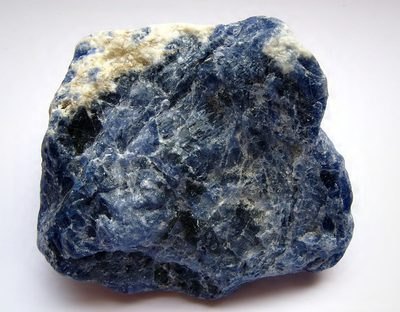
- Practitioners wanting a high-vibration third eye stone (try sodalite or sugilite)
What Is Blue Chalcedony?
Blue chalcedony is the soft pale blue variety of chalcedony, the microcrystalline form of quartz. Color comes from trace iron and submicroscopic inclusions that scatter light in the blue range, similar to the optical effect that gives the sky its color. It rates 6.5 - 7 on the Mohs hardness scale.
The IMA does not list blue chalcedony as a separate species; mineralogically it is chalcedony with diagnostic blue color, and the parent quartz has IMA symbol Qz.
The stone forms in cavities within volcanic rocks where silica-rich groundwater slowly precipitates microcrystalline quartz. The most prized commercial deposits are in Namibia, where a translucent gel-like blue chalcedony with strong blue glow has been mined since the 1970s.
Turkey produces a similar premium grade material from deposits near Sarıcakaya in the Eskişehir Province. Brazilian, American, and Indian sources contribute to lower-grade commercial supply.
Blue chalcedony has a Mohs hardness of 6.5 to 7, which makes it durable enough for daily-wear jewelry. The stone cuts well into cabochons, beads, and free-form jewelry shapes, with cabochons preferred for highlighting the gentle inner glow.
Most commercial blue chalcedony is untreated, which is one of its appeals as a natural stone. Some lower-grade material is dyed to enhance color, and reputable sellers disclose any treatment. The trade name aqua chalcedony or African blue chalcedony often refers specifically to the premium Namibian material.
How Blue Chalcedony Compares
| Property | Blue Chalcedony | Blue Lace Agate | Larimar |
|---|---|---|---|
| Hardness | 6.5 - 7 | 6.5 - 7 | 4.5 - 5 |
| Price / carat | $ Budget | $ Budget | $ Budget |
| Pattern | Translucent gel | Banded | Marbled white |
| Best For | Daily wear, throat work | Calming jewelry | Statement pendants |
Meaning and Symbolism
Blue chalcedony has carried associations with calm communication and oratory across many ancient cultures. The Romans used chalcedony seals for important documents, and the Greek city of Chalcedon (modern-day Kadıköy in Turkey) gave the broader chalcedony family its name.
Roman senators wore blue chalcedony for confidence in public speaking, a tradition that survives in modern crystal practice. Native American tribes considered chalcedony a sacred peace stone, used in ceremonies designed to settle disputes.
Medieval European traditions associated blue chalcedony with the Virgin Mary and with the kind of patient, gentle wisdom attributed to her in religious art. The stone was set into rosaries and prayer beads, particularly in northern European Catholic traditions.
Throughout Renaissance Europe, blue chalcedony was carved into cameos and intaglios for noble households, with the soft color valued as a counterpoint to the more dramatic stones favored by the same period.
In modern crystal practice, blue chalcedony is traditionally associated with the throat chakra and with the kind of clear, kind communication that builds bridges rather than walls. Practitioners believe the stone supports speakers, teachers, singers, and anyone whose work requires sustained verbal expression.
Many find blue chalcedony useful for calming the nervous tension that comes before public speaking, with the stone often worn or held during preparation as a settling ritual.
Historical Timeline
Healing Tradition
Emotional
Practitioners believe blue chalcedony is a stone of calm, patient communication and gentle truth-telling. In crystal healing tradition, it is said to soothe the kind of nervous tension that comes before public speaking, difficult conversations, or any situation involving putting words to important feelings.
Many find blue chalcedony useful as a daily-wear pendant during periods of frequent professional communication.
The stone has long been used in modern crystal practice for shy readers, anxious speakers, and anyone whose voice has been overshadowed in family or workplace settings. It is traditionally associated with the principle of patient self-expression, said to support words that emerge from a settled center rather than reactive emotion.
Practitioners often pair blue chalcedony with rose quartz when communication work involves heart-centered relationships, or with amethyst for combined throat and crown chakra support during meditation.
Spiritual
Blue chalcedony is traditionally associated with the throat chakra in modern crystal practice. Practitioners believe its soft blue color resonates with the throat's natural rhythm of opening to honest expression and closing for thoughtful listening.
It has long been recommended as a meditation companion for readers cultivating practices that involve mantra, chanting, or vocal toning.
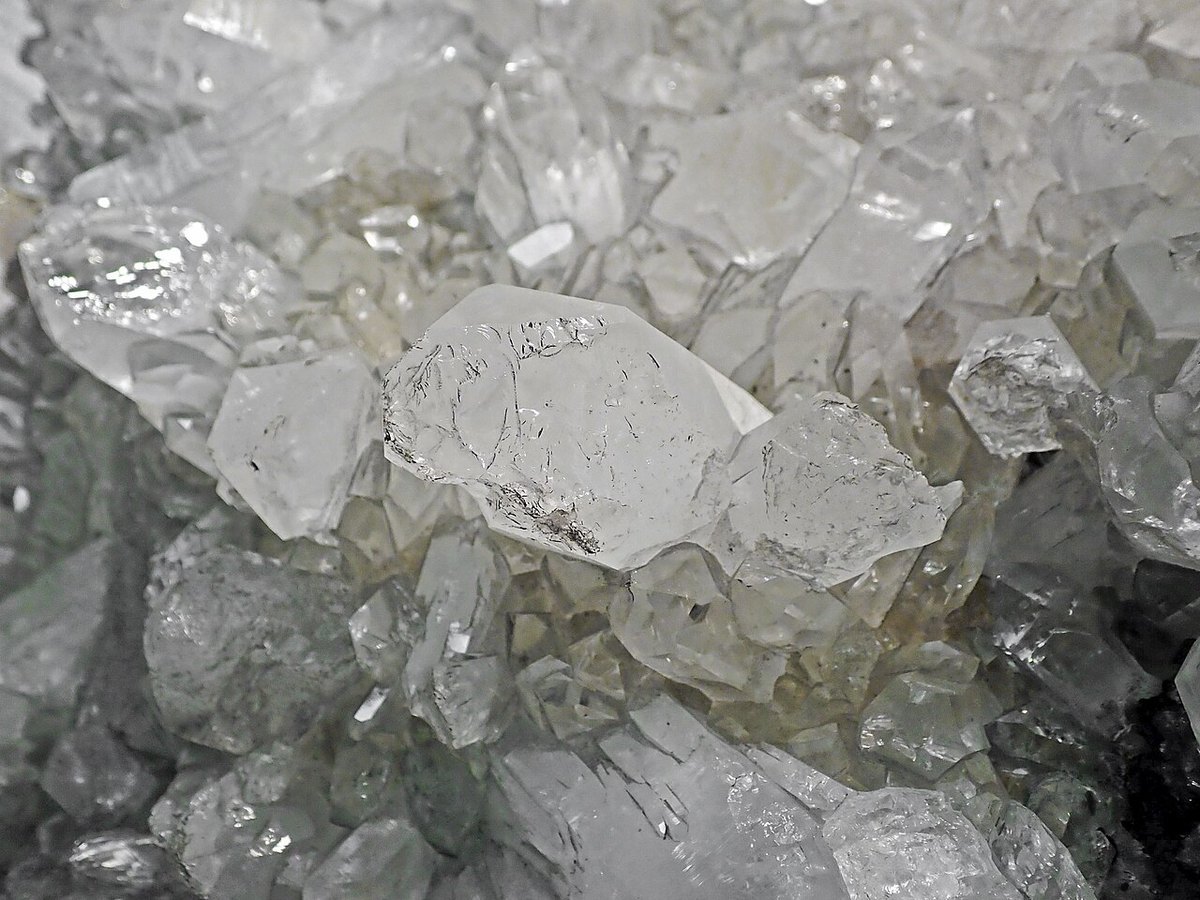
Many find blue chalcedony useful in meditation focused on integrity, especially work that involves aligning words with deeper values. The stone pairs well with clear quartz in grids built around honest expression and with aquamarine as an amplified throat chakra companion.
Practitioners sometimes use blue chalcedony in ceremonies marking commitments, vows, or any important verbal pledge, treating the stone as a literal reminder that words have weight and deserve care. It is also recommended for journal-keepers and writers.
Physical
Practitioners believe blue chalcedony supports what they describe as the body's throat and respiratory system, which the throat chakra is associated with in crystal healing tradition.
In folklore the stone has long been used for vocal strain, hoarseness, and the kind of tension that builds in the jaw, throat, and shoulders during periods of suppressed expression. It is sometimes recommended for singers and public speakers managing voice fatigue.
The stone is also traditionally associated with the lymphatic system in modern crystal healing practice. Many find blue chalcedony useful as a comfort companion during cold and flu season, with the stone often worn as a pendant near the throat for symbolic immune support.
Blue chalcedony is not a substitute for medical care, and practitioners are careful to frame its role as supportive rather than curative. The stone is sometimes carried in a pocket during seasonal allergies for symbolic respiratory support.
Zodiac, Birthstone and Gifts
Blue chalcedony is most often associated with Cancer in modern crystal astrology because of its water-element character and gentle, nurturing energy. Practitioners believe the stone supports Cancer readers in expressing emotions clearly without becoming overwhelmed by them. It has long been recommended for Cancer professionals in counseling, teaching, and other communication-heavy fields.
Sagittarius is the secondary association because of blue chalcedony's reputation as a speaker's stone. Astrologers sometimes suggest the stone for Sagittarius readers seeking to balance the sign's natural directness with patient delivery, especially in teaching, writing, and philosophical discussion.
Care and Cleansing
Blue chalcedony tolerates most common cleansing methods, which makes it relatively easy to maintain. Running tap water for under a minute is safe for both loose and set stones, as is a brief rinse in lukewarm soapy water with a soft cloth to remove skin oils.
Avoid prolonged hot water exposure, since rapid temperature change can stress fissures in larger pieces.
Sunlight cleansing works well and does not fade natural blue chalcedony, with thirty minutes to an hour of morning sun considered sufficient. Moonlight, smoke from sage or palo santo, and sound cleansing with a singing bowl are all considered safe and effective.
Salt cleansing should be brief and dry only, since prolonged saltwater contact can dull polish and corrode metal settings. Many practitioners recharge blue chalcedony by resting it on a clear quartz cluster overnight.
- DO rinse blue chalcedony jewelry in lukewarm soapy water and dry with a soft cloth.
- DO NOT expose to rapid temperature changes, since thermal shock can crack the stone.
- DO store blue chalcedony separately from softer gems like opal and pearl to avoid scratching them.
- DO NOT soak in saltwater for long periods, since this can corrode metal settings.
- DO ask whether the stone is natural or dyed; both occur on the market.
- DO request Namibian or Turkish provenance for premium grade material.
- Note: untreated natural blue chalcedony is the standard and should not require a price premium for being natural.
Real vs Fake
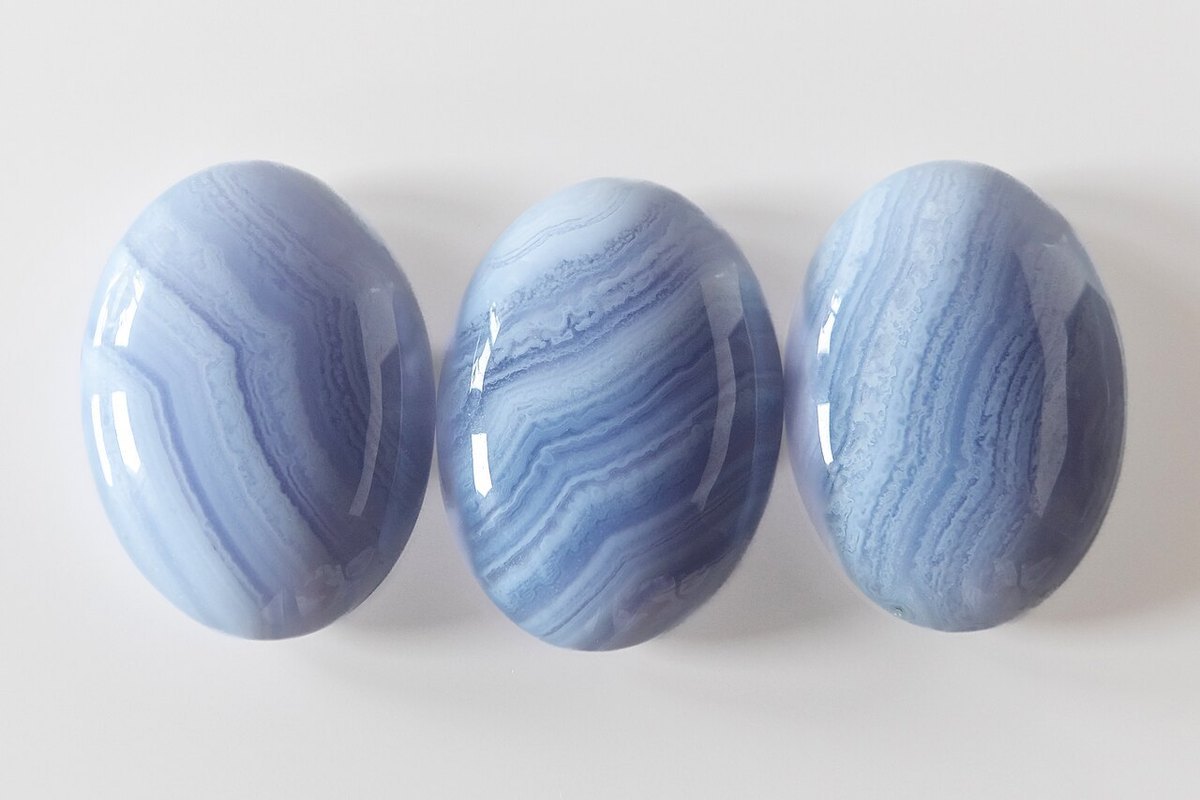
Genuine blue chalcedony shows soft, natural pale blue color with a translucent gel-like appearance and subtle internal glow. Under magnification you may see typical inclusions such as fine fluid bubbles, growth bands, or tiny crystal phantoms.
The blue color in natural material is uniform but soft rather than vivid, and high-grade Namibian stones show a distinctive inner luminescence. Reputable sellers disclose dye treatment, which is sometimes used to enhance color in lower-grade material.
Common imitations include dyed white chalcedony (more vivid uniform color, may appear flat), blue glass (curved gas bubbles under magnification), and chalcedony stained with prussian blue or other dyes (color may concentrate in surface fissures).
A reputable independent gemological lab can confirm the species using refractive index and density measurements; chalcedony has refractive index 1.530 to 1.540 and specific gravity 2.58 to 2.64. Genuine blue lace agate is sometimes confused with blue chalcedony but shows distinctive parallel banding rather than uniform color.
At home, look for the soft natural glow of high-grade material, the cool feel of true silica, and the subtle internal variation characteristic of natural chalcedony. Watch for stones with suspiciously vivid uniform color at very low prices, since these are often dyed white chalcedony.
Reputable sellers disclose origin (Namibia or Turkey for premium, Brazil or India for commercial) and confirm whether color is natural or treated. Premium Namibian material is the most desirable and commands the highest premiums in the trade.
Blue Chalcedony Jewelry & Gifts
Blue chalcedony is one of the more affordable durable gemstones on the market. Tumbled stones run $1 to $5 each, standard cabochons in pendant or ring sizes typically cost $5 to $25, and premium Namibian or Turkish stones with strong color and gel-like translucency reach $30 to $100 per cabochon.
Exceptional pieces with vivid natural blue and full translucency can exceed $200 per cabochon, and finished pendants typically run $50 to $400 depending on metal and design.
Blue chalcedony is generally untreated, which is one of its main selling points. Reputable sellers disclose dye treatment, which is sometimes used in lower-grade commercial material. Watch for vivid uniform stones at suspiciously low prices, since these are often dyed white chalcedony rather than natural blue material.
For premium quality, Namibian and Turkish material set the standard. supply remains stable but premium-grade natural stones with strong color have become increasingly difficult to source as deposits mature.
Where to Buy Blue Chalcedony
Affiliate disclosure: Some links below earn us a small commission at no extra cost to you. See our affiliate disclosure page.
Handmade, raw, and tumbled pieces from independent sellers worldwide.
Shop Blue Chalcedony on Etsy →Accessories, tools, and specimen sets with fast Prime delivery.
Shop Blue Chalcedony on Amazon →Certified loose gemstones graded and photographed for online buyers.
Shop Blue Chalcedony on GemSelect →Pairs Well With



Where Blue Chalcedony Is Found


