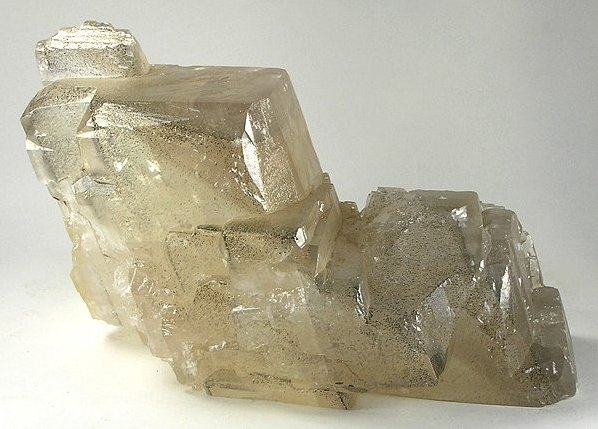
Honey Calcite
Warm golden-amber calcite glowing like sunlit honey - a nurturing stone of steady confidence, leadership, and patient personal power
- Calcite is so sensitive to acid that a single drop of dilute hydrochloric acid will cause it to fizz - this effervesce test is how geologists quickly identify calcite in the field.
- Honey Calcite shows a phenomenon called double refraction - hold a clear piece over text and you see two images. This property made calcite crucial for early optical science.
- The warm amber color of Honey Calcite comes from iron impurities - the same element that makes rust red, though in calcite the iron compounds express differently due to the mineral's unique crystal chemistry.
- Calcite forms in so many environments - volcanic hydrothermal veins, limestone caves, coral reefs, seashells - that it is one of the most structurally versatile minerals on Earth.
- Some of the finest Honey Calcite specimens come from Mexico's fluorite-calcite mining regions, where both minerals form together in remarkable yellow-to-purple color combinations.
- Solar plexus and sacral chakra energy work
- Building steady, nurturing personal confidence
- Leadership development and responsible authority
- Leo and Cancer birthstone alternatives
- Crystal meditation with warm amber visual anchor
- Everyday jewelry wear - Mohs 3 is too soft for most jewelry
- Collectors wanting rare or dramatic stones - try golden sheen obsidian
- Buyers needing water-safe stones for frequent rinsing - calcite is water-sensitive
What Is Honey Calcite?
Honey Calcite is a calcium carbonate mineral colored golden amber to warm yellow by iron impurities in its trigonal crystal lattice. It belongs to the calcite family - the same mineral that forms limestone, marble. It rates 3 on the Mohs hardness scale.
Chalk - but in its transparent-to-translucent honey form it captures and transmits light with a warm inner glow that gives the stone its distinctive character.
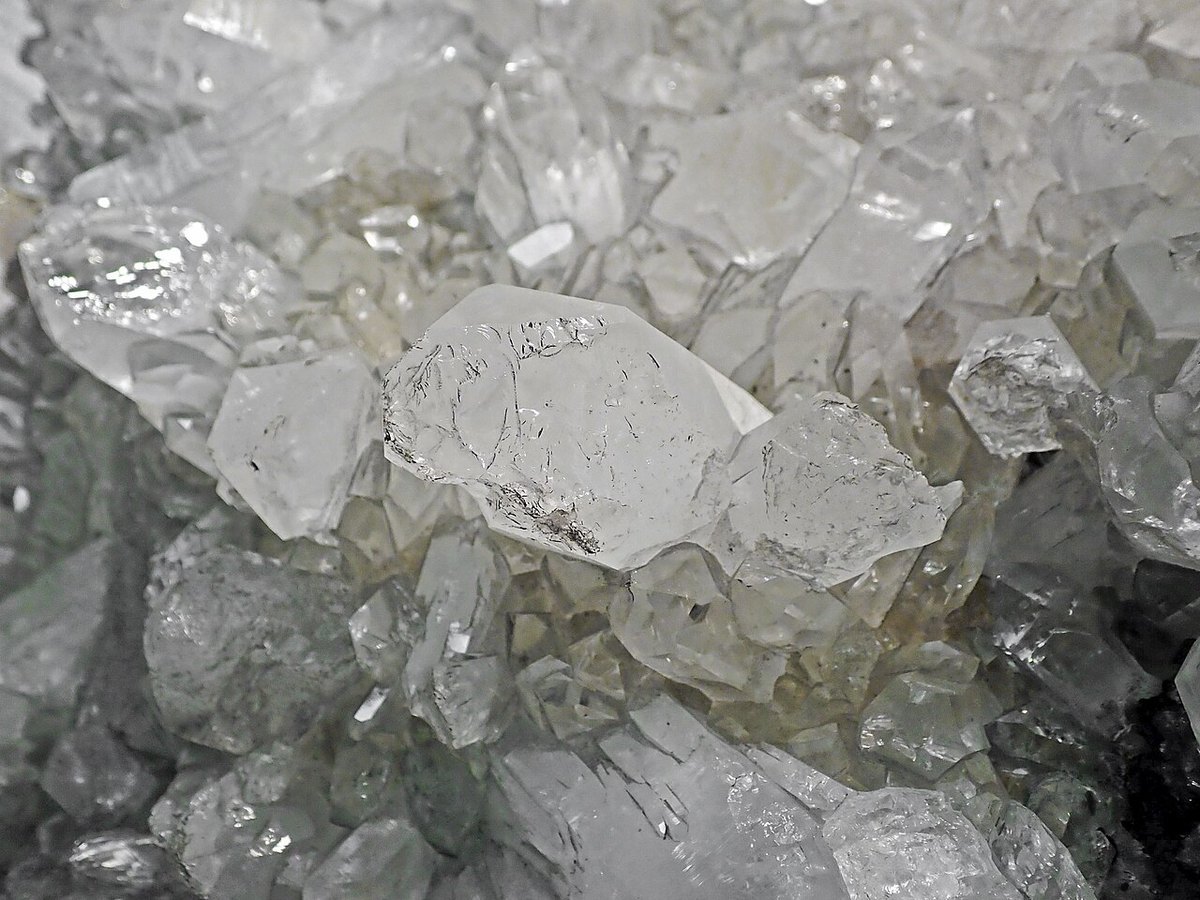
The finest Honey Calcite comes from Mexico and certain regions of the American Southwest and UK, where hydrothermal fluids deposited iron-rich calcium carbonate in open cavities and veins. The resulting crystals range from small scalenohedral points to massive translucent honey-gold rhombohedra prized for display and metaphysical work.
Calcite is one of the most common minerals on Earth, but gem-quality Honey Calcite with rich, even amber color and good translucency is less abundant than the plain white variety. Its soft Mohs 3 hardness limits jewelry applications but makes it popular as a meditation companion, display crystal, and chakra tool.
How Honey Calcite Compares
| Property | Honey Calcite | Citrine | Tiger's Eye |
|---|---|---|---|
| Hardness | 3 | 7 | 7 |
| Price/ct | $ Budget | $ Budget | $ Budget |
| Energy Quality | Nurturing, steady | Bright, energizing | Strategic, grounded |
| Best For | Meditation, display | Jewelry, solar energy | Confidence, strategy |
Meaning and Symbolism
Honey Calcite is traditionally associated with the kind of personal power that nurtures rather than dominates - the leadership quality that lifts others up while remaining genuinely confident in one's own direction. Practitioners believe the stone carries a warm, patient energy that develops courage gradually and sustainably rather than in intense bursts.
The stone is said to be particularly helpful for those who have leadership responsibilities but struggle with the tension between personal authority and care for others. It is believed to help integrate these qualities - supporting clear, decisive action while maintaining warmth and genuine concern for those affected by decisions.
Honey Calcite is also associated with amplifying motivation and encouraging persistence through projects that require sustained effort over time. Crystal workers sometimes call it the stone of steady ambition - the warm amber glow a metaphor for light that never goes out, burning consistently rather than blazing briefly.
Historical Timeline
Healing Tradition
Emotional
Practitioners believe Honey Calcite works specifically with the solar plexus emotional signature - the center of personal will, self-esteem, and the ability to act on one's own behalf without requiring permission or approval from others.
The stone is said to be particularly nurturing for those who experienced early environments where their personal power was repeatedly undermined, dismissed, or punished - providing a gentle, consistent warmth that gradually rebuilds the internal sense of being allowed to take up appropriate space.
Crystal workers describe its energy as the internal equivalent of a good mentor: challenging but supportive, holding high expectations while offering genuine encouragement. It is traditionally associated with dissolving the fear of being seen in one's full capability - the anxiety that success will change relationships or invite criticism.
The stone is said to make room for the kind of steady, low-drama confidence that comes from genuine competence over time.
Spiritual
In crystal healing traditions, Honey Calcite amplifies spiritual practices focused on personal authority and the alignment of outer expression with inner knowing. Practitioners believe the stone supports the development of what some traditions call divine will - the experience of personal intentions aligning with a larger purpose.
That action feels both freely chosen and cosmically supported. The stone is said to be particularly useful for those in spiritual leadership roles - teachers, guides, facilitators, and practitioners who must hold space for others while maintaining clear personal authority.
Its solar plexus activation is considered to provide the energetic backbone for this kind of responsible, caring leadership. Some practitioners use Honey Calcite in manifestation rituals to amplify the embodied certainty - the felt sense of knowing something will happen - that they believe makes intentions more effective than mere mental wishing.
Physical
Honey Calcite is not a medical treatment and no health claims are made here. In wellness traditions, yellow and golden stones associated with the solar plexus are linked to digestive health and metabolic vitality.
Honey Calcite with its warm amber solar plexus color is sometimes used by practitioners in relaxation layouts focused on the upper abdomen. Some crystal wellness practitioners keep it in the kitchen or dining area, associating its golden warmth with the nourishment of healthy digestion and pleasurable eating.
Always consult a qualified healthcare provider for any health concerns.
Zodiac, Birthstone and Gifts
Honey Calcite resonates with Leo and Cancer - two signs associated with warmth, leadership, and deep care for others. For Leo, the stone amplifies this sun-ruled sign's natural confidence and generosity while grounding it in patient steadiness rather than intermittent brilliance.
Practitioners believe Honey Calcite helps Leo sustain the warmth it is so naturally capable of over the long term rather than in peak moments.
For Cancer, the stone supports the development of personal authority that this nurturing sign sometimes defers to others out of care - helping the crab trust that its own needs and leadership capacity are as valid as its extraordinary gift for supporting everyone else.
Care and Cleansing
Honey Calcite is water-sensitive - its Mohs 3 hardness and carbonate composition mean prolonged water exposure can dull the surface polish and eventually dissolve surface detail. Avoid soaking. Brief contact with a damp cloth for surface cleaning is the maximum safe water exposure.
Sunlight is an ideal charging method for Honey Calcite - its solar plexus associations align perfectly with sun energy, and morning light for 1-2 hours restores its warm, active quality. Avoid extended midday sun that could cause thermal stress in large specimens.
Smudging with copal or frankincense is a safe and energetically appropriate cleansing method that does not involve water. Sound cleansing - singing bowls, tuning forks, or simply humming - is another excellent option for a stone too fragile for many standard cleansing methods.
- DO NOT soak Honey Calcite in water or salt water - calcite is carbonate and water-soluble over time.
- DO NOT use acid-based cleaners near Honey Calcite - even mild household acids can dissolve the surface.
- DO NOT store with harder stones that will scratch this Mohs 3 mineral easily.
- NOTE that Honey Calcite is too soft for rings, bracelets, or any jewelry worn during physical activity.
- DO handle gently - calcite cleaves perfectly in 3 directions and can split cleanly with sharp impact.
Real vs Fake
Honey Calcite is not commonly counterfeited, but it can be confused with citrine, yellow fluorite, or amber by inexperienced buyers. The key distinguishing test is hardness - at Mohs 3, a copper penny will scratch calcite easily. Citrine (Mohs 7) and fluorite (Mohs 4) are both harder.
The double refraction test is definitive for calcite - hold a clear piece over printed text and you will see two slightly offset images. No other common honey-colored mineral shows this effect as clearly.
Genuine Honey Calcite feels noticeably cool to the touch initially - like all minerals, it conducts heat away from the hand. Plastic or resin imitations warm up almost immediately.
Weight provides additional confirmation - calcite has a specific gravity of approximately 2.7, giving it appropriate heft for its size. Lighter plastic imitations are obvious when hefted.
For practical purposes, Honey Calcite is inexpensive and widely available enough that there is minimal economic incentive for sophisticated counterfeiting. Basic sensory tests - hardness, double refraction, and cool initial touch - are reliable for most market contexts.
Honey Calcite Jewelry & Gifts
Honey Calcite is one of the most affordable quality crystals available. Raw clusters and points sell for $5-$30 depending on size and color intensity. Polished pieces and spheres run $10-$50.
The finest material shows deep, warm amber color with good translucency - hold the piece to a light source and look for honey-gold internal glow.
Mexican Honey Calcite is the most commonly available and generally shows the richest amber tones. US material (particularly from the Midwest) tends toward paler, more lemony yellow. UK material is less common in US markets.
Color intensity is the primary quality indicator - the richer and more saturated the honey-gold, the higher the quality. Pale yellowish-white calcite is lower grade. Good translucency with minimal cloudiness commands a premium.
For display pieces, natural rhombohedra with well-formed crystal faces showing characteristic luster are the most desirable. Massive polished pieces are effective for chakra work and display but command lower prices than fine crystal specimens.
Avoid specimens with excessive cloudiness, cracks parallel to cleavage planes, or dull surfaces that suggest poor crystal formation or rough handling damage. At Honey Calcite's price point, being selective costs very little.
Where to Buy Honey Calcite
Affiliate disclosure: Some links below earn us a small commission at no extra cost to you. See our affiliate disclosure page.
Handmade, raw, and tumbled pieces from independent sellers worldwide.
Shop Honey Calcite on Etsy →Accessories, tools, and specimen sets with fast Prime delivery.
Shop Honey Calcite on Amazon →Certified loose gemstones graded and photographed for online buyers.
Shop Honey Calcite on GemSelect →Pairs Well With


Where Honey Calcite Is Found


