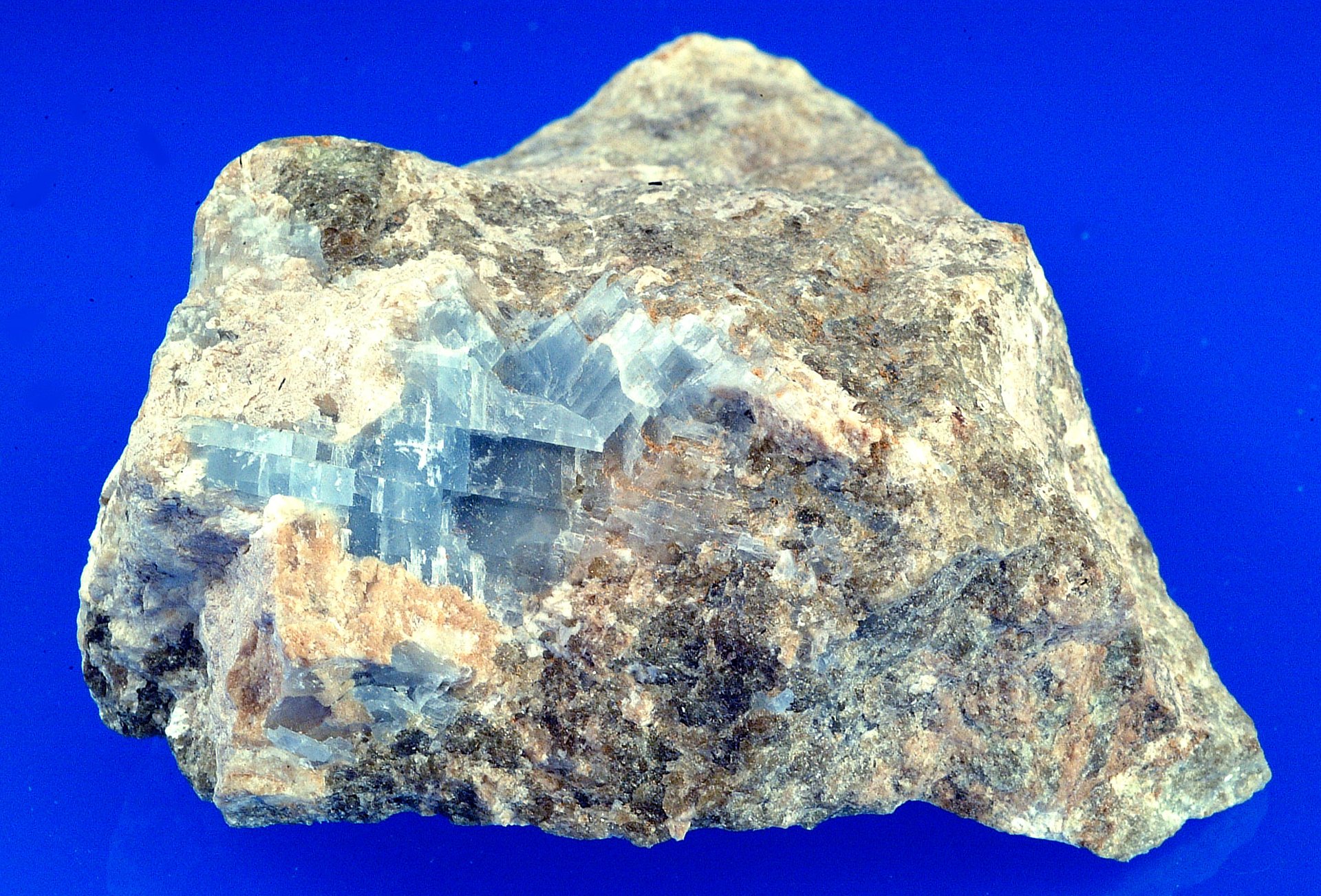
Blue Calcite
Soft sky-blue calcite from Mexico and South Africa carries a quiet, ocean-floor calm - practitioners associate its gentle pale tones with communication, rest, and emotional soothing.
- Blue calcite from some Mexican deposits fluoresces bright blue or white under UV light - a beautiful effect that practitioners sometimes incorporate into meditation with UV lamps.
- Calcite is the defining mineral of limestone and marble - the blue calcite you hold in your hand is essentially a colored portion of the same mineral family that makes up the Colosseum and the Parthenon.
- If you place blue calcite in dilute hydrochloric acid, it will fizz vigorously - this 'acid test' is used by geologists to instantly confirm calcium carbonate minerals.
- The word 'calcite' comes from the Latin 'calx' meaning lime - connecting it to the lime used in construction, which is made by heating calcite to very high temperatures.
- Calcite exhibits such strong birefringence (double refraction) that clear calcite crystals were used as optical components in scientific instruments before synthetic glass alternatives were developed.
- Practitioners working with throat chakra activation and authentic communication
- Those seeking a calming stone for anxiety, stress, or overactive mind
- Dreamworkers and those developing intuitive or psychic abilities
- Crystal beginners drawn to calming blue energy stones
- Students and public speakers who want support for clear, confident expression
- Buyers wanting durable jewelry - Mohs 3 is inappropriate for wearable settings
- Those needing a water-compatible stone for any liquid-based practice
- Collectors seeking rarity - blue calcite is among the most common affordable blue minerals
What Is Blue Calcite?
Blue calcite is a variety of calcium carbonate (CaCO₃) that receives its pale sky-blue to medium-blue color from trace inclusions of copper or from specific structural aspects of the crystal lattice - the exact mechanism varies between deposits. It rates 3 on the Mohs hardness scale.
Mexico is the most significant commercial source for large, well-formed blue calcite specimens sold in the crystal healing market, though South African and US deposits also produce quality material.
Like all calcite, blue calcite has a Mohs hardness of 3 and perfect rhombohedral cleavage - it splits cleanly along three crystallographic planes. This means it can be broken or scratched by most harder minerals, coins, and even fingernails.
The softness makes it unsuitable for jewelry but ideal for carved objects, tumbled stones, palm stones, and display pieces that benefit from the smooth, waxy luster of polished calcite.
Blue calcite is thermally and chemically reactive: hydrochloric acid causes it to effervesce vigorously (a classic calcite test), and water slowly dissolves the surface.
These properties make its care requirements among the more demanding of common crystal healing stones - but they don't diminish its consistent appeal as one of the most calming-looking stones available at an accessible price.
How Blue Calcite Compares
| Property | Blue Calcite | Angelite | Blue Lace Agate |
|---|---|---|---|
| Hardness | 3 | 3-3.5 | 6.5-7 |
| Price | $ Budget | $ Budget | $ Budget |
| Color | Sky to medium blue, waxy | Pale sky blue, waxy | Pale blue with white bands |
| Best For | Communication, calm, intuition | Angelic communication, grief | Jewelry, communication, calm |
Meaning and Symbolism
Blue calcite is primarily associated with communication, calm, and the opening of the throat and third eye chakras. Practitioners describe its energy as deeply settling to the nervous system - a quality of slowing down mental chatter and creating the internal stillness that makes genuine communication possible.
The stone is often recommended for situations requiring careful, thoughtful expression rather than reactive speech.
The stone's water element correspondence connects it to the realm of dreams, emotions, and the subconscious - practitioners believe blue calcite supports both the expression of emotional truths and the reception of intuitive information.
Crystal healing guides frequently describe it as a stone for those learning to trust their intuitive impressions, helping quiet the critical mind long enough for subtler perceptions to register.
Blue calcite is also traditionally associated with psychic development and the amplification of clairvoyant and clairaudient abilities - qualities practitioners link to its third eye and throat chakra resonance.
The stone is said to help practitioners more clearly hear and communicate messages from their higher guidance, making it a popular tool in channeling, mediumship practice, and advanced intuitive development work.
Historical Timeline
Healing Tradition
Emotional
Practitioners associate blue calcite with deep emotional calming - particularly the kind of anxiety that manifests as mental hyperactivity, obsessive thinking, or difficulty accessing authentic feelings beneath protective layers.
The stone is said to slow the emotional body's reactive patterns, creating a gentle pause between stimulus and response that allows for more conscious choice in communication.
Working with blue calcite is traditionally associated with helping people say what they actually feel rather than what they think they should feel - a quality of emotional honesty supported by the throat chakra's authentic expression energy.
Crystal healing guides describe it as particularly helpful for those who tend to suppress emotions to maintain peace in relationships, gently supporting the courage to express personal truth.
Spiritual
Blue calcite's spiritual associations center on its role as a facilitator of communication between ordinary consciousness and higher realms. Practitioners use it in meditation to quiet mental chatter, creating the receptive stillness that allows intuitive impressions to surface without being immediately criticized or dismissed.
The stone is said to amplify the third eye's natural capacity for clairvoyant and clairaudient reception, making it a consistent recommendation in psychic development circles.
Some crystal healing guides describe blue calcite as particularly helpful for those who receive guidance primarily through inner hearing (clairaudience) - the stone is said to clarify and strengthen the 'inner voice' channel.
Dream work practitioners also value blue calcite, placing it near the bed to encourage vivid, meaningful dreams and easier recall.
Physical
Crystal healing traditions link blue calcite to the throat, thyroid, and upper respiratory system - consistent with its throat chakra correspondence. The stone is sometimes used in sessions addressing communication-related physical tension such as throat tightness, voice strain, or jaw clenching.
Some practitioners also connect it to the nervous system and the parasympathetic (rest and digest) response, describing its use during relaxation practices to support the body's shift from stress activation to calm recovery. All physical associations are traditional without clinical evidence.
Blue calcite is entirely safe to handle and use - the only precautions are its fragility and water sensitivity.
Zodiac, Birthstone and Gifts
Blue calcite is traditionally associated with Cancer, Pisces, and Aquarius. Cancer practitioners resonate with the stone's emotional calming and communication-supporting qualities - Cancer's natural empathy is deepened by blue calcite's encouragement of emotional honesty.
Pisces individuals connect with the stone's dreamwork and intuitive development associations, which align naturally with Pisces's psychic sensitivities and imaginative inner world. Aquarius relates to blue calcite through its air element correspondence and the stone's support for honest, authentic communication of ideas and visions - core Aquarian themes.
Care and Cleansing
Blue calcite requires exclusively dry cleansing methods. Water dissolves calcite over time, and even brief soaking can etch and dull the polished surface. Never immerse in water, salt water, or any cleaning solution. Wipe gently with a dry soft cloth to remove dust.
Sound cleansing with a singing bowl or chimes is ideal. The vibrations clear the stone's energy without any physical contact risk. Smoke cleansing (sage, palo santo, or sweet grass) is equally safe and widely used. Moonlight overnight on a dry surface is a popular and gentle option.
Selenite charging plates work well for regular energetic maintenance. Avoid soil burial (moisture risk) and extended sunlight - the color-producing trace minerals in blue calcite can fade with prolonged UV exposure.
- DO store blue calcite in a padded pouch or wrapped in soft cloth to protect its Mohs 3 surface from scratching by harder stones.
- DO NOT use water, cleaning sprays, or any moisture contact - calcite dissolves and the surface etches over time.
- DO NOT use salt, salt water, or salt bowls - salt chemically reacts with calcite.
- NOTE: Blue calcite is fragile and chips easily - handle with care and keep in protective storage when not in use.
- DO NOT expose to prolonged sunlight - the blue color fades with extended UV exposure.
Real vs Fake
Blue-dyed white calcite or marble is the most common substitute. The acetone test is reliable: genuine blue calcite's color is internal and unaffected by acetone; dyed stones show color transfer on the cotton swab.
Blue glass and blue plastic are occasionally sold as blue calcite at very low price points. Glass feels warmer than stone at room temperature and lacks the subtle surface texture and natural variation of genuine calcite.
The acid test (a drop of vinegar on an inconspicuous spot) will cause genuine calcite to effervesce slightly; glass will not react.
Blue lace agate is sometimes confused with blue calcite by beginners. The key distinction: blue lace agate is quartz (Mohs 6.5-7) and is significantly harder - a copper coin does not scratch it. Blue calcite (Mohs 3) is easily scratched by a copper coin.
Angelite and blue calcite are similar in appearance and both soft blue minerals. Angelite is anhydrite (calcium sulfate) and is slightly harder (3-3.5) and typically lighter in color than blue calcite. Both are genuine minerals and both are acceptable in their respective contexts.
Purchase from reputable crystal retailers who label their minerals accurately. At the affordable price points of blue calcite, sophisticated fraud has minimal economic incentive - the main concern is simply accurate labeling.
Blue Calcite Jewelry & Gifts
Blue calcite is one of the most affordable stones in the crystal healing market. Small tumbled pieces typically sell for $3-$10. Polished palm stones range from $8-$25. Large raw specimens with good color can reach $20-$60 depending on size.
Color intensity and clarity are the main quality factors. Medium sky-blue with good saturation and minimal gray or green cast is most desirable. Very pale, almost white specimens are less visually engaging; very dark blue specimens occasionally turn out to be dyed.
Mexican blue calcite dominates the market and sets the standard for color and formation quality. South African material tends toward slightly different tonal qualities. Both are genuine and appropriate for crystal healing use.
For meditation and healing purposes, choose a size and weight that feels comfortable in your palm or on your chest during practice. Large, heavy palm stones provide more physical presence during body-placement work.
Blue calcite is widely available in crystal shops, mineral shows, and reputable online retailers. Consistent supply and affordable pricing make it an excellent starter purchase for those exploring blue or throat-chakra stones.
Where to Buy Blue Calcite
Affiliate disclosure: Some links below earn us a small commission at no extra cost to you. See our affiliate disclosure page.
Handmade, raw, and tumbled pieces from independent sellers worldwide.
Shop Blue Calcite on Etsy →Accessories, tools, and specimen sets with fast Prime delivery.
Shop Blue Calcite on Amazon →Certified loose gemstones graded and photographed for online buyers.
Shop Blue Calcite on GemSelect →Pairs Well With
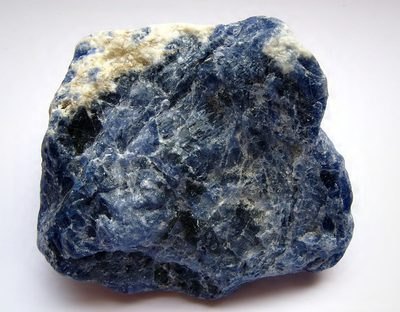


Where Blue Calcite Is Found


