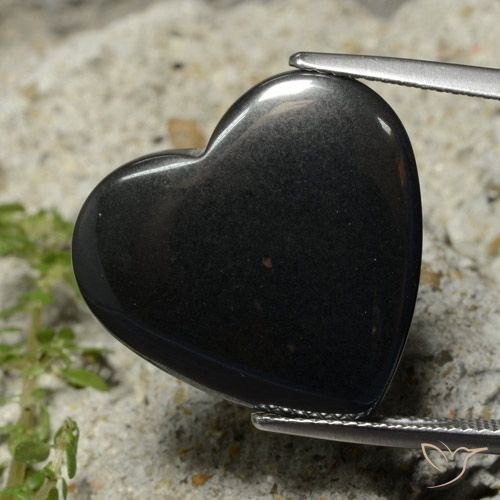
Hematite
A dense iron oxide with metallic silver-black luster, hematite is the grounding stone of root-chakra stability.
- Hematite gets its name from the Greek word for blood because powdered hematite produces a red streak.
- Hematite has been used as red pigment since Paleolithic times; cave paintings use hematite red ochre.
- True natural hematite is weakly magnetic; strongly magnetic black beads labeled hematite are usually synthetic hematine.
- Hematite is roughly twice as dense as quartz; a small piece feels surprisingly heavy.
- Mars gets its red color from enormous amounts of hematite in its surface soils.
- Practitioners working with root chakra grounding and protection
- Readers drawn to metallic silver-black gems
- Beginners building a first crystal collection on a tight budget
- Gift givers shopping for stress-management or anxiety-relief presents
- Men seeking a masculine-coded beaded bracelet or ring stone
- Those avoiding water-sensitive stones (hematite can rust if soaked)
- Buyers wanting faceted jewelry (consider black spinel)
- Those avoiding magnetic materials (some hematite sold is actually hematine)
What Is Hematite?
Hematite is iron(III) oxide, the same compound as common rust, but in its crystalline form rather than the friable surface deposit familiar from rusted metal. The mineral forms a dense, heavy, metallic-lustered stone that has been used as gemstone and pigment for over forty thousand years.
The name comes from Greek haima, meaning blood, because powdered hematite produces a red streak and was the primary source of red ochre pigment in prehistoric art.
At Mohs 5 to 6, hematite is moderate in hardness but unusually heavy for its size (specific gravity around 5.26, roughly twice that of quartz). This density gives hematite its characteristic cool, substantial feel in the hand. The stone is almost always opaque with a silver-black to dark gray metallic luster.
Major commercial sources include Brazil (particularly the Itabira region in Minas Gerais, one of the among the largest known iron-ore provinces), Morocco, the United Kingdom (Cumbria and West Midlands deposits historically), the United States (Lake Superior region), Canada, Ukraine, and Australia.
One important caution: magnetic hematite or hematine sold in beaded jewelry is usually a synthetic ferrite composite rather than natural hematite. True natural hematite is weakly paramagnetic but not strongly magnetic. If a stone sticks firmly to a refrigerator magnet, it is very likely synthetic.
How Hematite Compares
| Property | Hematite | Black Tourmaline | Obsidian |
|---|---|---|---|
| Hardness | 5 - 6 | 7 - 7.5 | 5 - 5.5 |
| Price / carat | $ Budget | $ Budget | $ Budget |
| Color | Metallic silver-black | Matte black | Glassy black |
| Best For | Grounding, bracelets, beads | Protection, talismans | Mirrors, carvings |
Meaning and Symbolism
Hematite has been in human use since the Paleolithic. Red hematite pigment appears in cave paintings at Lascaux, Chauvet, and many other sites over thirty thousand years old.
Ancient Egyptian tombs contained hematite carved into seals, beads, and protective amulets, and the material was one of the earliest stones used for polished mirrors.
Classical Greek and Roman sources mention hematite as a warrior's amulet believed to stanch bleeding and protect soldiers in combat. Medieval European physicians prescribed powdered hematite for hemorrhage and various blood-related complaints, a tradition that persisted into the early modern era.
Native American tradition has used hematite for ceremonial body paint, pigment, and personal amulets for thousands of years.
In modern crystal healing tradition, hematite is one of the most widely recommended grounding stones. Practitioners associate it with the root chakra and with qualities of stability, protection, and what they call pulling scattered energy back to the body.
It is a classical recommendation for people who feel anxious, dispersed, or overwhelmed, and for anyone working in a stressful environment or completing long periods of intense mental work.
Hematite pairs naturally with black tourmaline as a stronger protective companion, with smoky quartz for gentler grounding alongside, and with clear quartz to balance heaviness with clarity.
Historical Timeline
Healing Tradition
Emotional
Practitioners believe hematite supports emotional grounding and stability during anxious or overwhelming periods. In crystal healing tradition, it is one of the most commonly recommended stones for stress management, panic response, and for people who feel emotionally scattered.
Many readers wear hematite bracelets or carry tumbled pieces in a pocket during stressful work weeks and describe a sense of being pulled back into the body. Practitioners pair hematite with rose quartz when softness is needed alongside grounding, or with amethyst when mental quieting is also important.
Because its reputation is unambiguously grounding and sometimes described as heavy, some readers find hematite works best in shorter sessions rather than continuous wear.
Hematite's weight in the hand makes it a popular worry stone for anxiety management, and the stone's coolness and density create a tactile experience that many practitioners describe as steadying.
Spiritual
Hematite is traditionally associated with the root chakra and is considered one of the primary grounding stones in modern Western crystal tradition. Practitioners describe it as a stone that anchors spiritual practice to the body and prevents what they call energetic floating during extended meditation.
In modern crystal healing tradition, hematite is often paired with high-vibration stones (selenite, clear quartz, amethyst) to prevent practitioners from feeling lightheaded or disconnected after deep practice.
Many readers keep a hematite at the foot of a meditation cushion or at the base of a crystal grid as a grounding anchor. The stone pairs readily with black tourmaline for stronger protective work.
Because hematite's reputation is strongly grounding, some practitioners advise against wearing it to bed because it may interfere with dream recall and deep rest.
Physical
Practitioners believe hematite supports what they describe as blood circulation, iron absorption, and general vitality. The classical association between hematite and blood (from the Greek name and its ochre-red powder) traces back to Roman-era folk medicine that prescribed hematite for hemorrhage and anemia.
In modern crystal healing practice, hematite is most often placed on the lower torso or feet during grounding sessions, or carried as a pocket stone during demanding physical work.
Many readers use hematite worry stones during stressful moments and describe the stone's weight and coolness as tactually soothing. It is not a substitute for medical care, and practitioners frame its role as supportive alongside proper treatment.
Because hematite can rust in prolonged water contact, it should be removed before showers, swimming, and exercise that produces sweat.
Zodiac, Birthstone and Gifts
Hematite is traditionally associated with Aries and Aquarius in Western astrology. Practitioners describe hematite as an ally for Aries's Mars-ruled courage and for Aquarius's need for grounding alongside the sign's airy innovation.
Although hematite is not on the formal US birthstone list, it is often given as a gift for first responders, military personnel, people recovering from anxiety or panic disorders, and anyone facing prolonged stress.
Its affordability and durability make it a popular inclusion in beginner crystal kits and stress-management gift sets regardless of birth month.
Care and Cleansing
Hematite tolerates most common cleansing methods but requires care around water. Dry methods are strongly preferred.
Smoke cleansing with sage, palo santo, or cedar is the traditional favorite and carries no risk of damage. Sound cleansing with a singing bowl is safe. A short session of moonlight on a windowsill is effective.
Brief rinses under lukewarm water are acceptable but the stone should be dried immediately with a soft cloth to prevent surface rusting. Prolonged water contact should be avoided because hematite can oxidize further and develop a reddish tint. Salt, saltwater soaks, and acidic solutions should all be avoided because they accelerate oxidation.
Ultrasonic cleaners are generally safe for untreated hematite but should be used briefly.
Because hematite is often worn continuously as a grounding stone, many practitioners cleanse it weekly with brief smoke or moonlight exposure rather than water cleansing. A night on a selenite plate is a common refresh practice that keeps the stone dry.
- DO NOT soak hematite in water, saltwater, or acidic cleaners.
- DO dry hematite immediately after any water contact to prevent rusting.
- DO NOT ingest hematite or use in direct gem elixirs.
- DO remove hematite jewelry before showering, swimming, and heavy exercise.
- DO store hematite in a dry environment; humidity can dull the polish over time.
- DO ask about magnetic labeling; magnetic hematite is usually synthetic hematine, not true hematite.
- Note: true natural hematite is only weakly magnetic; strongly magnetic black beads are synthetic.
Real vs Fake
Genuine hematite is unusually heavy for its size (specific gravity around 5.26), shows a metallic silver-to-black luster, and produces a distinctive cherry red streak when rubbed on unglazed porcelain (hence the Greek name from haima, blood). The streak test is particularly reliable because no common imitation produces the same red streak.
The main confusion in the commercial market is between natural hematite and magnetic hematite or hematine, a synthetic ferrite compound manufactured specifically for beaded jewelry. True natural hematite is only weakly paramagnetic and does not stick noticeably to common magnets.
If a black bead sticks firmly to a refrigerator magnet, it is almost certainly synthetic hematine rather than natural hematite.
Other imitations include black glass (lighter than hematite, no red streak), plastic beads with metallic coating (much lighter and softer), and hematoid quartz (quartz with hematite inclusions, which is a legitimate variety but distinct from solid hematite).
For most commercial hematite purchases, the streak test and weight test are sufficient. For significant collector specimens or museum-grade natural hematite crystals (kidney ore, specular hematite, oriented rosettes), provenance documentation adds value and authentication. Laboratory reports are rarely needed for hematite because the mineral is abundant and inexpensive.
Hematite Jewelry & Gifts
Hematite is one of the most affordable gems on the market. Tumbled stones cost a few dollars each, standard cabochons run $1 to $8 per carat, and beaded bracelets cost $10 to $40 depending on size and bead count.
Large polished palm stones and carved pieces reach $20 to $100, while collector specimens (kidney ore, oriented rosettes, specular hematite from specific localities) command premium prices in the hundreds to thousands of dollars.
The main buying concern is magnetic hematite mislabeling. Magnetic hematite (also called hematine) is a synthetic ferrite compound used for low-cost magnetic bead bracelets and should be labeled as synthetic rather than natural hematite. If a seller cannot confirm natural origin, assume the beads are synthetic.
When buying, look for metallic silver-to-black luster, check weight for size (genuine hematite is heavy), and ask about magnetic status (natural is weakly paramagnetic only).
For beaded bracelets, buy from sellers willing to disclose whether the beads are natural or synthetic. Collector specimens should carry origin documentation (Brazil, Morocco, UK, USA) and ideally photographs of the rough before cutting.
Where to Buy Hematite
Affiliate disclosure: Some links below earn us a small commission at no extra cost to you. See our affiliate disclosure page.
Handmade, raw, and tumbled pieces from independent sellers worldwide.
Shop Hematite on Etsy →Accessories, tools, and specimen sets with fast Prime delivery.
Shop Hematite on Amazon →Certified loose gemstones graded and photographed for online buyers.
Shop Hematite on GemSelect →Pairs Well With




Where Hematite Is Found


