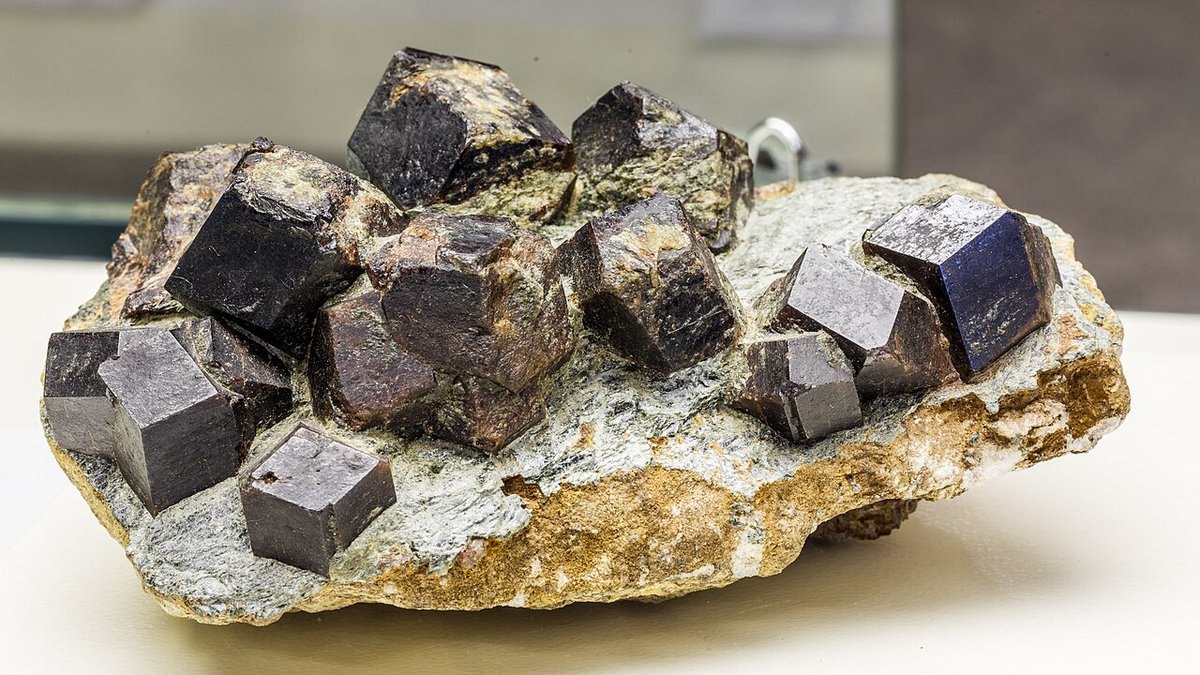
Almandine
The deep red workhorse of the garnet family, almandine is the iron-rich variety practitioners associate with grounded vitality.
- Almandine takes its name from Alabanda, an ancient city in Asia Minor where Roman lapidaries cut and traded the stones.
- Most red garnets in the trade are blends of almandine with pyrope or spessartine rather than pure end-member chemistry.
- Star almandine is a rare cabochon variety showing a four-rayed asterism caused by oriented inclusions.
- Almandine is mined industrially as an abrasive for sandblasting and waterjet cutting because of its hardness.
- Bohemian garnet jewelry of the 18th and 19th centuries used thousands of small almandine stones in dense rose-cut clusters.
- January birthstone seekers wanting a deep traditional red
- Daily-wear jewelry buyers needing a durable affordable stone
- Practitioners working with root chakra grounding and physical vitality
- Collectors building a garnet-species reference suite
- Antique jewelry fans drawn to Victorian and Bohemian-style pieces
- Buyers who want bright pinkish-red brilliance (try pyrope or rhodolite)
- Shoppers seeking large transparent stones over five carats (try spessartine)
- Those who want a green garnet (try tsavorite or demantoid)
What Is Almandine?
Almandine is the iron aluminum end-member of the garnet family, with the chemical formula Fe3Al2(SiO4)3. It is the most abundant garnet species in nature, forming widely in mica schists, gneisses, and other regional metamorphic rocks. It rates 7 - 7.5 on the Mohs hardness scale.
The name derives from Alabanda, an ancient city in Asia Minor (now Turkey) where these garnets were cut and traded as early as Roman times.
Pure almandine is a deep, slightly violet-toned red that can appear nearly black in larger stones because the iron-rich chemistry absorbs strongly across the visible spectrum. Most commercial almandine garnets are actually mixtures with pyrope or spessartine, since pure end-member chemistry is less common in nature than blends.
These mixtures produce the bright reds, brownish reds, and occasional purples seen across the gem trade.
Almandine is famously durable. Its Mohs hardness of 7 to 7.5 plus a high refractive index of about 1.77 to 1.82 makes it bright and tough enough for daily-wear rings, bracelets, and pendants.
Star almandine showing four-rayed asterism is a rare cabochon variety; demand from specimen collectors keeps it scarce on the market. Almandine is also widely mined as an industrial abrasive used in sandblasting and waterjet cutting.
How Almandine Compares
| Property | Almandine | Pyrope | Rhodolite |
|---|---|---|---|
| Hardness | 7 - 7.5 | 7 - 7.5 | 7 - 7.5 |
| Price / carat | $ Budget | $$ Mid-range | $$ Mid-range |
| Color | Deep red, slightly violet | Bright red | Pink-purple red |
| Best For | Daily wear, antique style | Vivid red jewelry | Modern fashion jewelry |
Meaning and Symbolism
Almandine carries thousands of years of meaning attached to red garnet broadly, since for most of history the various garnet species were not distinguished from one another. The general red garnet appears in Egyptian funerary jewelry from 3100 BCE, in Roman signet rings, and in Migration-period European brooches and sword fittings.
Across these cultures, the stone was associated with the blood of life, the courage of warriors, and the safe return of travelers.
The specific name almandine comes from the city of Alabanda in ancient Asia Minor, a Roman-era cutting and trading center for these stones. Pliny the Elder mentioned Alabanda garnets in his Natural History (c. 77 CE), praising their color and use in seals.
The name was eventually corrupted to almandine in medieval European usage.
In modern crystal healing tradition, almandine is associated with grounded vitality, physical endurance, and what practitioners describe as the steady fire of survival. It is said to anchor energy at the root chakra and to support practical action rather than visionary inspiration.
Many find almandine well-suited to readers in caregiving roles, demanding physical work, or any situation that requires showing up day after day. Almandine is the traditional birthstone for January and a recurring gift for second-anniversary celebrations.
Historical Timeline
Healing Tradition
Emotional
Practitioners believe almandine supports steady emotional endurance for readers in demanding life seasons. In crystal healing tradition, it is said to ground anxious energy through the body and to encourage a calm, persistent willingness to keep going.
Many find almandine grounding during caregiving years, intense physical work, or recovery periods that require pacing rather than dramatic effort. Unlike brighter red stones such as ruby or pyrope, almandine is traditionally described as quieter and more practical, more workhorse than racehorse.
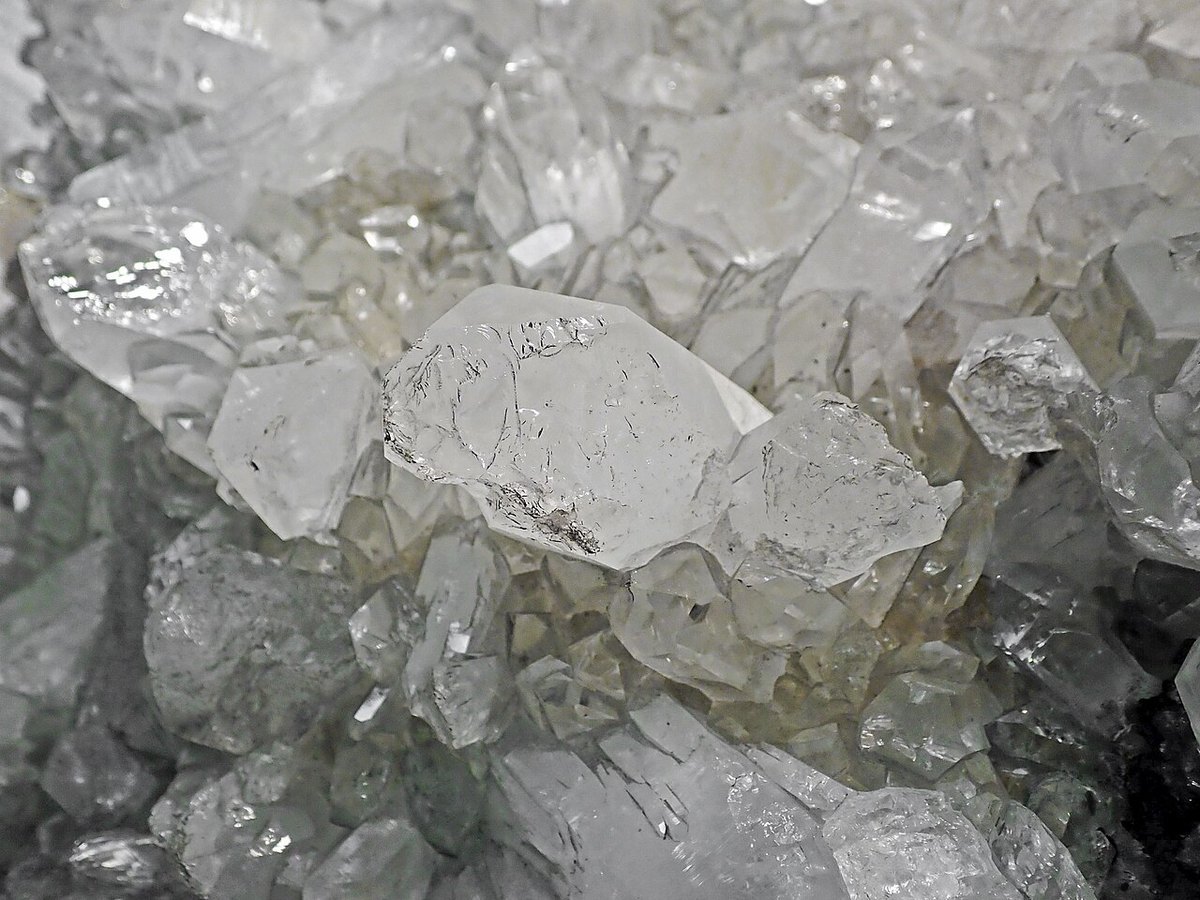
Because almandine sits in the deep-red range, practitioners often use it to balance overactive mental states by pulling attention back into the body. The stone is frequently paired with smoky quartz or black tourmaline for grounding routines.
It is rarely described as a stone for emotional catharsis or rapid mood shift; its reputation is structural and slow.
Spiritual
In crystal healing tradition, almandine is one of the classical root chakra stones. Practitioners believe it anchors spiritual practice in the body rather than the head, helping the wearer stay connected to physical reality during contemplative work.
Medieval Christian writers associated red garnet broadly with the wounds of Christ; older Egyptian and Roman traditions linked it to blood, courage, and the safe return of warriors.
Many practitioners use almandine during meditation focused on physical embodiment, gratitude for the body, or the willingness to do practical service in the world.
It is not typically chosen for visionary or third-eye work; for that, practitioners reach for stones like amethyst or lapis lazuli. Almandine is traditionally associated with Mars, the planet of action and direct effort, in modern Western correspondences.
Physical
Practitioners believe almandine's iron-rich red energy supports what traditions describe as physical stamina, circulation, and the recovery of vitality after illness or fatigue. Folklore from medieval Europe linked red garnets to the blood, and many practitioners still use almandine in modern body-grounding work.
Almandine is not a substitute for medical care, and crystal traditions frame it as supportive rather than curative.
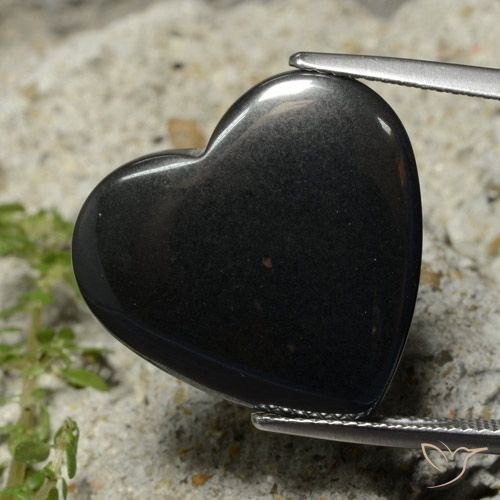
Many readers wear almandine pendants or rings during long physical workdays, training cycles, or postpartum recovery periods, framing the stone as a symbol of steady effort rather than dramatic intervention. In contemporary gem therapy, almandine is sometimes paired with hematite for grounded physical practice and with carnelian for warmer reproductive themes.
Zodiac, Birthstone and Gifts
Almandine is a January birthstone, making it the classic stone for late Capricorn and early Aquarius birthdays. Astrologers traditionally associate red garnet with Mars, the planet of action, courage, and direct effort, which is why many find it especially resonant for Scorpio, also Mars-ruled.
Earth signs respond well to almandine's grounded, physical character; Capricorn in particular is said to benefit from its endurance reputation. Aries, the other Mars-ruled sign, often prefers brighter pyrope or rhodolite garnets that match its faster fire. Almandine is rarely recommended as a primary stone for water or air signs.
Care and Cleansing
Almandine is one of the easiest stones to cleanse because it is chemically stable and physically tough. Lukewarm soapy water with a soft brush removes grime and skin oils, and a brief rinse under running tap water is also fine.
Ultrasonic cleaners are generally safe for clean stones without significant fractures, but check for inclusions before using one.
Sunlight, moonlight, and dry smoke cleansing (sage, palo santo, cedar) are all considered safe and traditional methods. Almandine does not fade in sunlight, so brief sun-bath cleansing is fine for energetic purposes.
Many practitioners recharge almandine on a clear quartz cluster overnight or on a small dish of dry soil, reinforcing the stone's earth-element associations.
- DO clean almandine in lukewarm soapy water with a soft brush; rinse and dry with a soft cloth.
- DO NOT use ultrasonic cleaners on stones with visible fractures or fillings.
- DO store almandine separately from softer stones like opal and pearls to avoid scratching them.
- DO NOT subject almandine to sudden temperature changes; thermal shock can cause stress fractures.
- DO request disclosure of any treatments, though almandine is rarely treated commercially.
- DO remove rings during heavy physical work even though the stone is hard, to protect prongs and settings.
- Note: very dark almandines benefit from open-back settings to let light through and brighten the color.
Real vs Fake
Genuine almandine almost always shows tiny inclusions under 10x magnification, including silk, two-phase fluid pockets, and crystal inclusions of zircon, apatite, or rutile. A stone sold as natural almandine that is utterly clean and very brightly colored should prompt a closer look.
Synthetic garnet exists, primarily as YAG (yttrium aluminum garnet) used in lasers and as a low-cost diamond simulant, but it is rarely sold as natural almandine because the chemistry is different.
Real almandine has a refractive index between 1.77 and 1.82 and a specific gravity around 4.0 to 4.3, which is heavier than glass or plastic substitutes. A simple density test (compare loose stone weight to identical-volume glass) can rule out cheap fakes quickly.
Almandine is singly refractive (cubic crystal system), so it shows no doubling under a loupe.
At home, you can scratch glass easily with almandine but not topaz or quartz with confidence; the magnetic test is also useful, since iron-rich almandine often responds visibly to a strong neodymium magnet held near a loose stone.
Garnet doublets exist: a thin slice of natural garnet on a glass base. Examine the girdle area under magnification to spot the join. For higher-priced star almandines, request a lab report confirming the four-rayed asterism is natural rather than created with a synthetic substitute.
Almandine Jewelry & Gifts
Almandine is one of the most affordable transparent gemstones in the trade, and pricing reflects its abundance. Small commercial-grade almandine cabochons run $5 to $30 each. Faceted almandine in calibrated sizes (under one carat) starts around $15 to $50 per carat.
Larger clean stones above three carats with good color, neither too dark nor too brown, run $80 to $200 per carat.
Premium almandine with bright, slightly violet-red color and good transparency in five-carat-plus sizes can reach $200 to $400 per carat. Star almandine cabochons with a sharp four-rayed asterism are the price outliers, often $100 to $500 each depending on size and clarity of the star.
Almandine is generally untreated. Heat treatment is uncommon, and the stone's natural color is what reaches the market. Always ask about disclosure, but expect untreated stones from most reputable dealers. For vintage Bohemian almandine jewelry, condition and craftsmanship of the setting often matters more than the individual stones.
Where to Buy Almandine
Affiliate disclosure: Some links below earn us a small commission at no extra cost to you. See our affiliate disclosure page.
Handmade, raw, and tumbled pieces from independent sellers worldwide.
Shop Almandine on Etsy →Accessories, tools, and specimen sets with fast Prime delivery.
Shop Almandine on Amazon →Certified loose gemstones graded and photographed for online buyers.
Shop Almandine on GemSelect →Pairs Well With




Where Almandine Is Found


