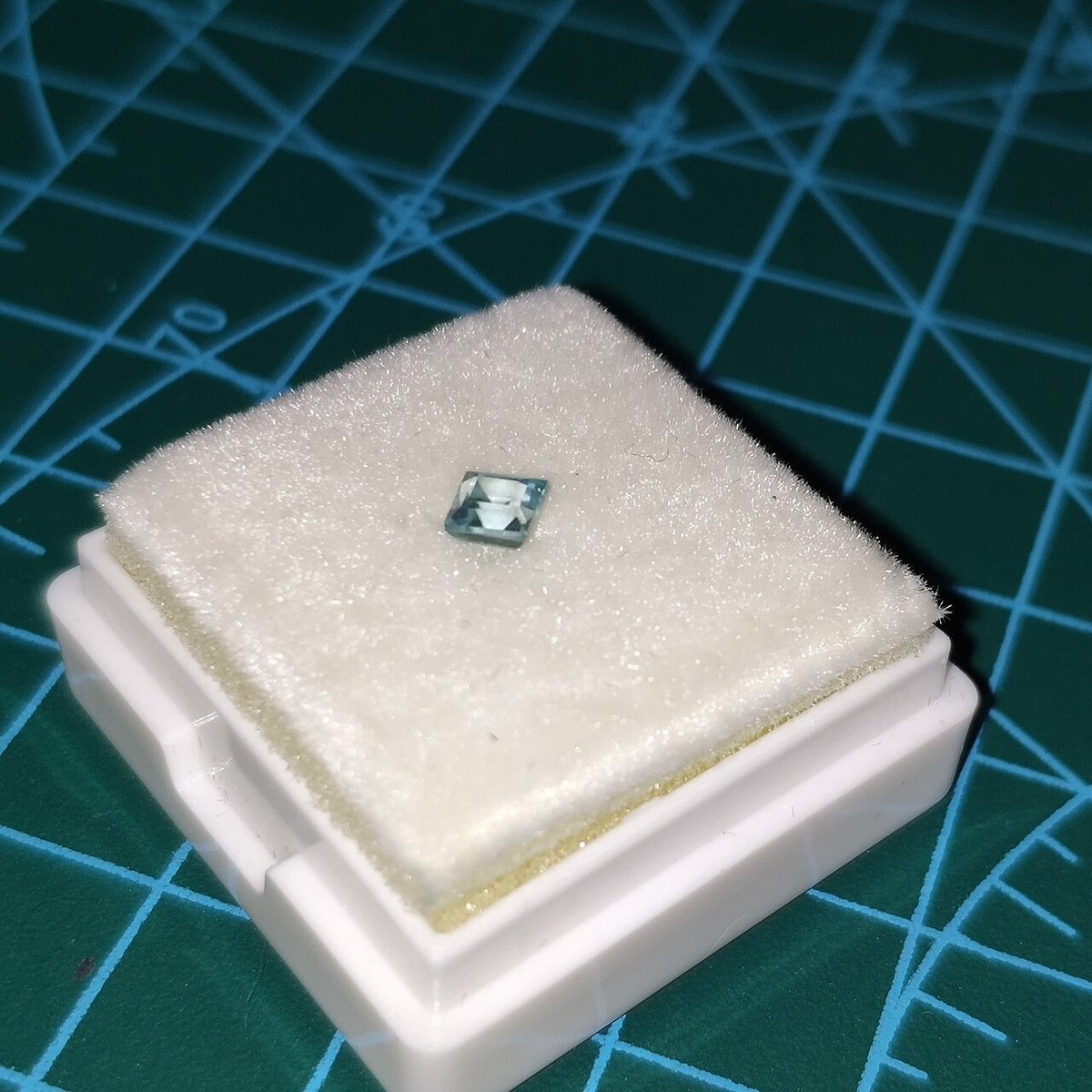
Zircon
One of the oldest minerals in earth's crust and a December birthstone, zircon is the high-refraction.
- Zircon crystals from Australia dated to 4.4 billion years are the oldest known material of terrestrial origin.
- Zircon and cubic zirconia are chemically different; zircon is a natural silicate, cubic zirconia is a synthetic oxide.
- Zircon has dispersion (fire) close to diamond and higher than most other common colored gems.
- Blue zircon is produced by heating brown-red Cambodian zircon at specific oxygen conditions.
- Some zircon is naturally slightly radioactive from trace uranium; gem-quality stones have negligible activity.
- December birthstone seekers wanting diamond-like sparkle
- Collectors drawn to natural gem science and geology
- Buyers seeking high-refraction fire at moderate price
- Those wanting a blue stone less costly than blue sapphire
- Geology enthusiasts aware of zircon's role in radiometric dating
- Buyers seeking maximum durability for ring wear (zircon can chip)
- Shoppers wanting synthetic (look for cubic zirconia instead)
- Those wanting rainbow dispersion stronger than diamond's
What Is Zircon?
Zircon is a zirconium silicate mineral (ZrSiO4) and is one of the oldest minerals in earth's crust; some zircon crystals dated to 4.4 billion years old are the oldest known terrestrial material. It rates 6.5 - 7.5 on the Mohs hardness scale.
The gem is not the same as cubic zirconia, which is a synthetic diamond simulant (zirconium oxide, ZrO2) with a similar-sounding name but entirely different chemistry. Natural zircon has been valued as a gem for over two thousand years.
Zircon color ranges from colorless through blue, yellow, green, red, brown, and orange. Blue zircon, the most popular variety, is produced by heating brown zircon from Cambodian deposits; the treatment is stable and widely accepted.
At Mohs 6.5 to 7.5, zircon is hard but can chip along its edges, so protected settings are recommended. The refractive index of 1.810 to 2.024 gives zircon strong brilliance and fire comparable to diamond in some lighting.
Major commercial sources include Cambodia (blue zircon), Tanzania (yellow and orange), Sri Lanka (colorless and yellow), Myanmar, and Australia. Some zircon contains trace uranium or thorium and becomes slightly radioactive over geological time, producing metamict (structurally disordered) crystals with lower hardness and altered optical properties.
This natural radioactivity is negligible in commercial jewelry-grade stones and poses no safety concern for wearers.
How Zircon Compares
| Property | Blue Zircon | Cubic Zirconia | Blue Topaz |
|---|---|---|---|
| Hardness | 6.5 - 7.5 | 8 - 8.5 | 8 |
| Price / carat | $$ Mid-range | $ Budget | $ Budget |
| Refractive Index | 1.810 - 2.024 | 2.15 - 2.18 | 1.609 - 1.643 |
| Best For | December birthstone, collector fire | Budget diamond simulant | Large affordable blue |
Meaning and Symbolism
Zircon has been used in jewelry since antiquity, appearing in Greek, Roman, and early Asian collections. Hindu mythology names the stone as one of the nine sacred stones of the Navaratna.
The name zircon traces through Arabic zarqun, which also gives us the word jargon (once used for pale zircon as a separate variety). Medieval European texts prescribed zircon as a protection against sleeplessness and as a gem that brought prosperity and wisdom.
Cambodian blue zircon emerged as a commercial specialty in the early 1900s after heat treatment techniques were developed. Ratanakiri province in northeastern Cambodia remains the world's primary source of fine blue zircon, producing warm brown-red rough that is then heated to the vivid blue of the commercial gem.
Colorless zircon was briefly popular as a diamond substitute in the early twentieth century before synthetic cubic zirconia took over that role in the 1970s.
In crystal healing tradition, zircon is associated with grounding applied through bright mental clarity. Practitioners describe it as a stone that helps readers translate scattered thoughts into clear decisions. Blue zircon is particularly associated with clear communication, while brown and yellow zircons are linked with grounding and confidence.
The stone is not as central to modern crystal work as quartz or amethyst, but serves collectors and December birthstone seekers as a distinctive option.
Historical Timeline
Healing Tradition
Emotional
Practitioners believe zircon is a clarifying stone, traditionally associated with translating vague feelings into clear decisions. In crystal healing tradition, it is said to support readers working through periods of indecision or scattered attention, with the stone framed as a bright mental anchor.
Many wear zircon rings or earrings during demanding project work. Crystal workers often pair zircon with amethyst for cool calm or with clear quartz for amplified clarity.
Zircon is generally described as a daytime stone for active engagement rather than restful reflection, and readers sometimes choose blue zircon specifically for communication-heavy days when clear speech matters most.
Spiritual
In crystal healing tradition, zircon is linked with root and third-eye chakras, bridging grounded presence and clear perception. Practitioners describe it as a stone of articulate intuition, said to help readers give specific voice to broader insights.
Many use zircon in meditation on clarity of purpose, long-term goals, and the integration of scientific and intuitive knowing. The stone pairs readily with clear quartz for amplification and with smoky quartz for additional grounding.
Crystal workers sometimes recommend zircon for readers in analytical professions who want crystal support that honors their intellectual orientation.
Physical
Practitioners believe zircon supports what they describe as sleep quality and mental stamina, associations drawn from the stone's medieval folk reputation as a sleep aid. Crystal healing tradition associates zircon with support during periods of heavy cognitive work and with gentle relief from insomnia.
Zircon is not a substitute for medical care, and practitioners frame its role as accompanying rather than curing. Because zircon is hard and chemically stable, readers can wear it through ordinary daily activity without special care, though protected settings are recommended for rings.
Zodiac, Birthstone and Gifts
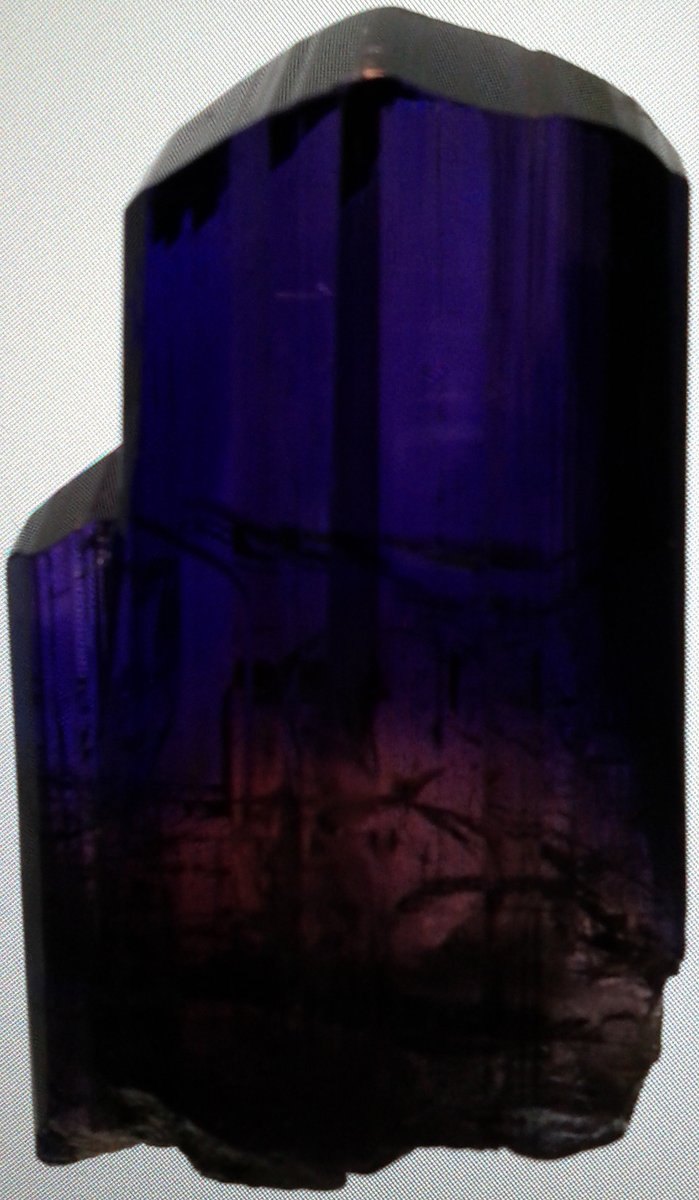
Zircon is one of three modern US birthstones for December alongside turquoise and tanzanite. Astrologers traditionally link zircon with the Sun, making the stone especially resonant for Leo. For Sagittarius, blue zircon is said to support the sign's philosophical reach with sharper articulation.
In Vedic tradition, colorless zircon is sometimes used as a substitute for diamond, typically set in gold or silver and worn on the ring finger.
Care and Cleansing
Zircon tolerates standard cleaning. Warm soapy water with a soft brush is safe. Avoid ultrasonic cleaners because sonic stress can chip the edges. Avoid steam cleaners because of thermal shock risk.
Moonlight, smoke cleansing with sage or palo santo, and sound cleansing with a singing bowl are all safe. Dry salt cleansing is fine; saltwater should be avoided because of metal setting corrosion.
Direct sunlight is generally safe for zircon but should be moderated for very bright uniform yellow or green heat-treated stones because prolonged UV can sometimes slowly shift color. Brief daylight is harmless for all varieties.
- DO favor protected settings for zircon rings to prevent edge chipping.
- DO clean with warm soapy water and a soft brush.
- DO NOT use ultrasonic or steam cleaners on zircon.
- DO store zircon separately from harder stones.
- DO NOT confuse zircon with synthetic cubic zirconia; they are chemically different materials.
- DO ask your seller whether blue zircon color is from heat treatment (standard) or coating (uncommon).
- Note: some very old metamict zircon may have altered optical properties and reduced hardness; collector pieces are best evaluated by a gemologist.
Real vs Fake
Genuine zircon shows strong double refraction (birefringence), visible as doubling of back-facet edges through the table under a 10x loupe. This strong birefringence is diagnostic; cubic zirconia, glass, and most diamond simulants show no doubling. Natural zircon inclusions can include needles, small mineral crystals, and characteristic color zoning.
Common confusions include cubic zirconia (synthetic, chemically different, no double refraction), glass (curved gas bubbles, much softer), and blue topaz (different refractive index, no doubling). The cubic zirconia vs zircon confusion is primarily a naming issue rather than a visual one; the two look different side by side to a trained eye.
Practical at-home checks include looking for the doubling effect, testing hardness (zircon scratches glass easily), and examining color stability under different light sources. For valuable blue zircon, a gemological report confirms natural origin and heat treatment.
Zircon Jewelry & Gifts
Zircon pricing is moderate. Commercial blue zircon runs $50 to $150 per carat in small sizes. Mid-grade stones with vivid saturated blue sit at $150 to $400 per carat. Top Cambodian Ratanakiri blue zircon above three carats can exceed $400 per carat.
Yellow, orange, and colorless zircon is generally less expensive than blue, running $30 to $150 per carat.
Heat treatment is standard and disclosed for blue and some yellow/red zircons. Focus on color saturation, eye-clean clarity (zircon tends to be clean in gem-grade material), and cut quality. Because zircon has strong dispersion, cut quality significantly affects the fire; well-cut stones show remarkable sparkle for the price.
Where to Buy Zircon
Affiliate disclosure: Some links below earn us a small commission at no extra cost to you. See our affiliate disclosure page.
Handmade, raw, and tumbled pieces from independent sellers worldwide.
Shop Zircon on Etsy →Accessories, tools, and specimen sets with fast Prime delivery.
Shop Zircon on Amazon →Certified loose gemstones graded and photographed for online buyers.
Shop Zircon on GemSelect →Pairs Well With




Where Zircon Is Found


