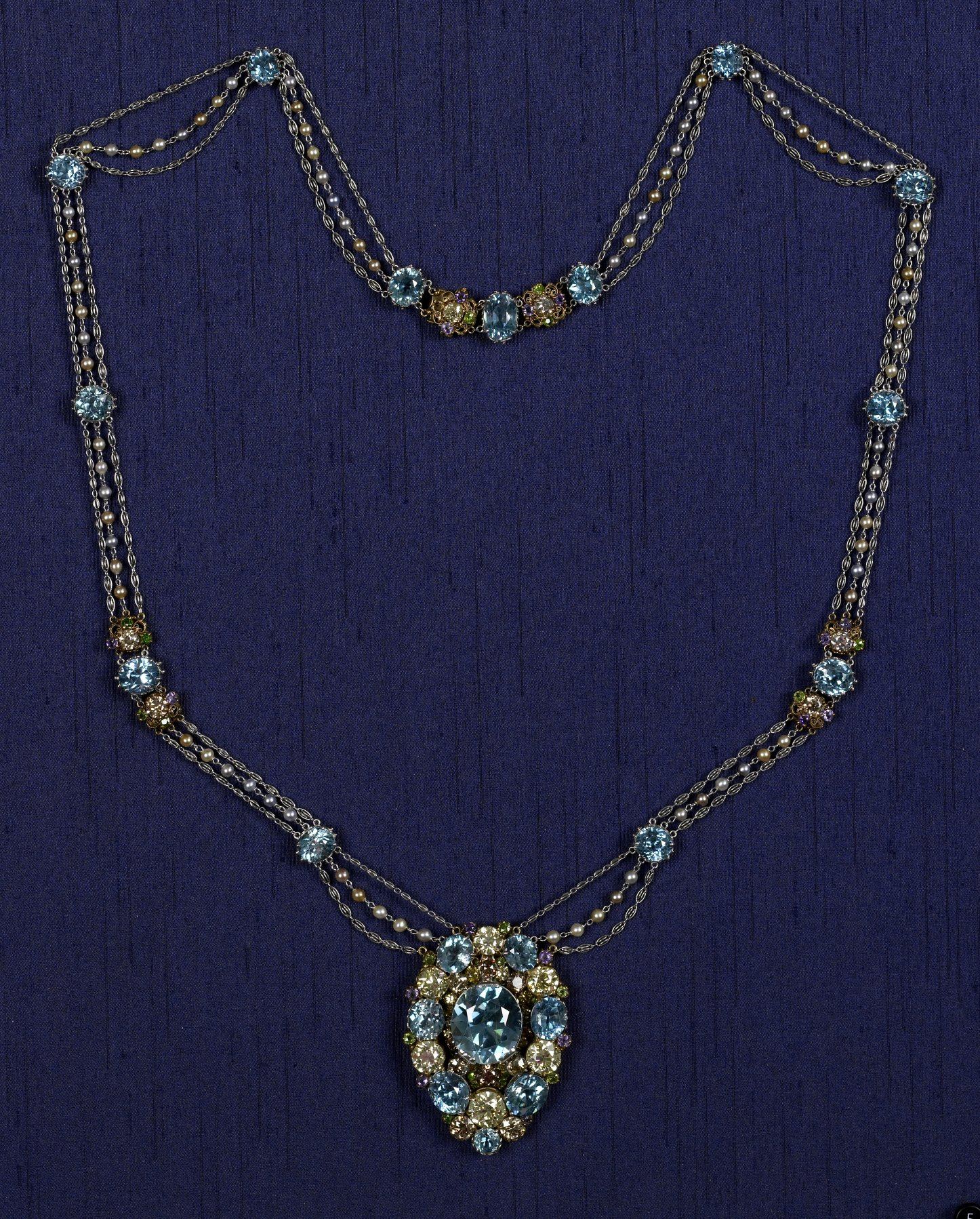
Blue Zircon
The oldest mineral on Earth in a brilliant teal blue - zircon's electric color and diamond-like fire make it one of the most undervalued gems in the market
- Zircon crystals from Western Australia have been dated to 4.4 billion years old, making them the oldest known terrestrial material on Earth.
- Zircon contains trace amounts of uranium and thorium, and the radioactive decay of these elements over millions of years can damage the crystal structure (metamictization), reducing its hardness.
- Blue zircon has a higher refractive index than diamond, giving it technically greater fire - though diamond's greater hardness preserves its polish better over time.
What Is Blue Zircon?
Blue zircon belongs to the nesosilicate mineral family with chemical formula ZrSiO₄. It crystallizes in the tetragonal crystal system, forming prismatic crystals with vitreous to adamantine luster. The mineral rates 6.5 to 7.5 on the Mohs hardness scale, making it durable for jewelry despite slight brittleness.
Most blue zircon on the market results from heat-treating natural brownish or reddish zircon in reducing atmospheres, producing sky-blue, Swiss-blue, and teal hues. The refractive index ranges from 1.81 to 2.02, the highest among gemstones in use, delivering exceptional brilliance and fire that rivals diamond.
Zircon forms as an accessory mineral in igneous rocks like granite and syenite, as well as metamorphic environments. Major sources include Cambodia's Ratanakiri province, Sri Lanka, Myanmar, Australia, and Tanzania. These deposits yield material suitable for cutting into transparent to translucent gemstones valued by collectors worldwide.
Meaning and Symbolism
Zircon is among the oldest minerals on Earth, with Australian specimens dated beyond 4.4 billion years. The name derives from the Persian 'zargun,' meaning gold-colored, though blue zircon from Cambodia and Sri Lanka has been traded for centuries in South and Southeast Asian gem markets as a prized alternative to sapphire.
Blue zircon became fashionable in Art Deco jewelry of the 1920s and 1930s, when gem dealers promoted heat-treated Cambodian material under the name 'starlite.' Edwardian jewelers prized its strong fire and brilliance - optical properties that rival diamond in dispersion and make cut zircon visually spectacular.
In traditional Hindu gemology, zircon was considered one of the navaratna or nine sacred gems, associated with the ascending lunar node Rahu. Sri Lankan traders called zircon 'matara diamond' for centuries, referencing the Matara district where fine specimens were found and traded along historic Indian Ocean routes.
Historical Timeline
Healing Tradition
Emotional
Practitioners believe blue zircon encourages clear emotional perspective and the courage to commit to purposeful action. It is said to clear mental fog during periods of indecision, supporting those who feel stuck between competing desires. Crystal healing tradition describes it as a stone of confident forward movement and clarity of personal vision.
Spiritual
Traditionally associated with wisdom and the higher mind, blue zircon is said to connect practitioners to ancient knowledge and spiritual discernment. Crystal healing tradition holds that it supports meditation focused on purpose and direction, helping align personal will with higher understanding and the deeper currents of one's authentic spiritual path.
Physical
Some practitioners believe blue zircon supports the nervous system and may ease mental exhaustion, associations drawn from traditional crystal lore rather than scientific evidence. These claims are not medically verified. It is used in wellness settings as a companion during periods of mental recovery or focus work - not as a replacement for professional medical care.
Care and Cleansing
Cleanse blue zircon with warm water and a soft brush; dry thoroughly. Avoid ultrasonic cleaners, which can exploit potential brittleness in metamict material. Selenite plates or sound bowl cleansing are safe gentle alternatives.
- Inspect facet edges regularly; metamict zircon can develop chips at edges over time.
- Avoid exposure to strong acids, which can etch the surface.
- Store separately to prevent scratching softer gems.
- Avoid ultrasonic and steam cleaners.
Where to Buy Blue Zircon
Affiliate disclosure: Some links below earn us a small commission at no extra cost to you. See our affiliate disclosure page.
Handmade, raw, and tumbled pieces from independent sellers worldwide.
Shop Blue Zircon on Etsy →Accessories, tools, and specimen sets with fast Prime delivery.
Shop Blue Zircon on Amazon →Certified loose gemstones graded and photographed for online buyers.
Shop Blue Zircon on GemSelect →Pairs Well With