Blue Aventurine
Soft sparkly blue quartz flecked with dumortierite, blue aventurine is the accessible throat chakra stone of calm self-discipline.
- Blue aventurine gets its color from included dumortierite crystals in quartz host rock.
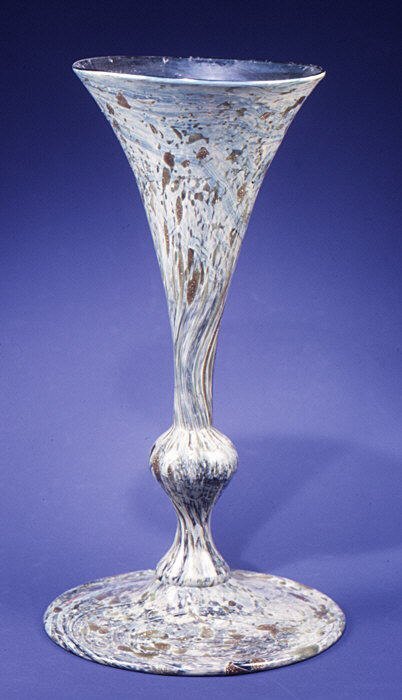
- The name aventurine comes from Italian for by chance, referring to 18th-century accidental glassmaking.
- Blue aventurine is less common than green aventurine but more affordable than most blue gems.
- The subtle sparkle effect is called aventurescence after the glass that inspired the name.
- Different trace minerals can produce variations in blue aventurine's exact shade and sparkle character.
- Throat chakra practitioners wanting an affordable daily-wear stone
- Beginner crystal users seeking accessible blue quartz alternatives
- Readers drawn to calm self-discipline and focused communication symbolism
- Gift givers looking for budget-friendly tumbled stone sets
- Jewelry makers creating subtle blue accent pieces
- Buyers seeking faceted transparent blue gems (try aquamarine or blue topaz)
- Fine-jewelry daily-wear shoppers (try blue sapphire or tanzanite)
- Collectors wanting rare blues (try blue tourmaline or cobalt calcite)
What Is Blue Aventurine?
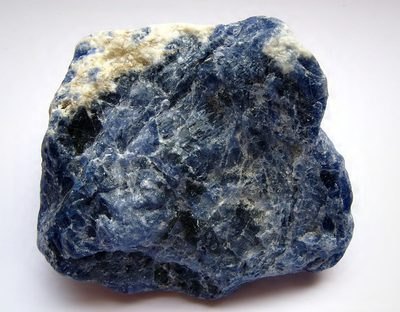
Blue aventurine is a variety of quartz (aventurine) colored primarily by inclusions of dumortierite, a blue boron aluminum silicate mineral. The dumortierite fibers give the stone its soft blue color and characteristic subtle sparkle (aventurescence) when light catches the included crystals. It rates 6.5 - 7 on the Mohs hardness scale.
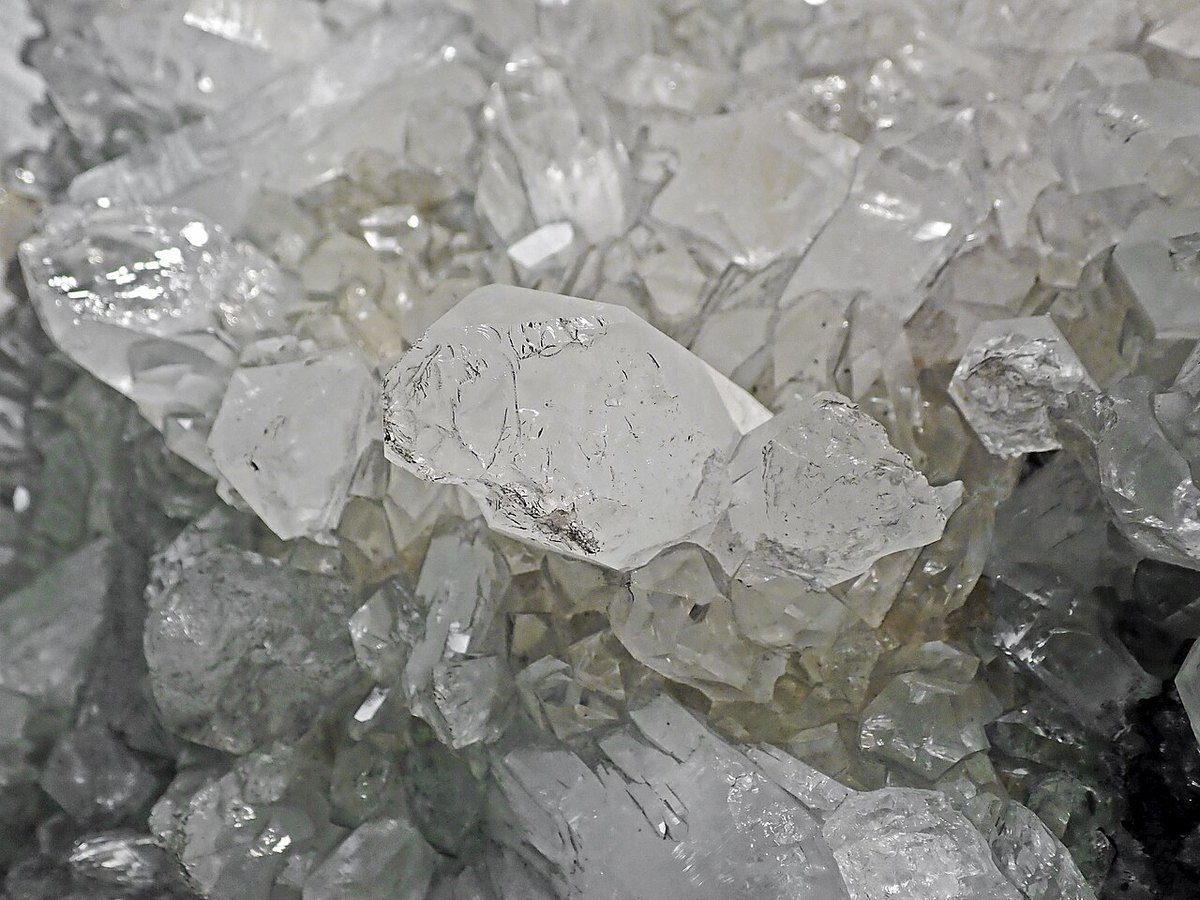
The host quartz is the same mineral as green aventurine and clear rock crystal.
Aventurine in general is named for the Italian word avventurino, meaning by chance, referring to an accidental discovery of similar Venetian glass in the 18th century. The glass was made by inadvertently dropping copper filings into molten material, creating a sparkle effect later recognized in natural quartz with included minerals.
Blue aventurine is mined primarily in Brazil, India, and Russia.
The stone scores Mohs 6.5 to 7, placing it in the durable range suitable for daily-wear jewelry. Most commercial blue aventurine shows translucent to opaque character with modest sparkle; the quality and intensity of the blue color depends on the density of dumortierite inclusions.
Some material contains additional trace minerals contributing to color variation.
Unlike lapis lazuli or sodalite, blue aventurine is relatively uncommon in its own right and is sometimes confused with these more popular blues. Total production is modest compared to green aventurine (the most common aventurine variety), and prices remain accessible for most consumer applications.
How Blue Aventurine Compares
| Property | Blue Aventurine | Sodalite | Dumortierite |
|---|---|---|---|
| Hardness | 6.5 - 7 | 5.5 - 6 | 7 - 8.5 |
| Host mineral | Quartz + dumortierite | Sodalite silicate | Pure dumortierite |
| Price / stone | $ Budget | $ Budget | $ Budget |
| Best For | Accessible daily wear | Vivid blue symbolism | Collector displays |
Meaning and Symbolism
Aventurine in general has been used as a gem material for centuries, with the name tracing to an 18th-century Italian glassmaking accident. Natural aventurine quartz was later recognized as sharing the similar sparkle character.
Blue aventurine specifically entered broader crystal-healing practice relatively recently as modern distributors began marketing the blue variety alongside the classic green.
In crystal healing tradition, blue aventurine is associated with the throat chakra and the third-eye chakra. Practitioners describe the stone as a supporter of calm self-discipline and clear-headed communication during demanding phases. The soft blue hue is traditionally linked with focused articulation rather than bold expression.
Many readers choose blue aventurine as an affordable alternative to rarer throat-chakra stones like aquamarine or blue topaz. Crystal workers often pair blue aventurine with clear quartz for amplification or with amethyst for crown-to-throat integration during reflective work.
The stone's modest popularity compared to lapis lazuli or sodalite means it has a narrower but active modern folkloric tradition shaped by contemporary practitioners.
Historical Timeline
Healing Tradition
Emotional
Practitioners believe blue aventurine supports calm self-discipline and focused steady effort during long projects. Crystal healing tradition associates the soft blue color with level-headed focus, and the stone is often recommended for readers working through demanding study programs, job transitions, or long-term personal development phases.
Many readers carry blue aventurine as a pocket stone during demanding workdays, with the stone framed as a quiet companion for patient progress. Crystal workers sometimes recommend it for readers prone to emotional reactivity, treating it as a supporter of considered response over impulsive reaction.
Crystal workers often pair blue aventurine with amethyst for crown-to-throat integration or with rose quartz for tender heart balance during disciplined phases. The stone is considered a daily-wear companion rather than a ceremonial altar piece.
Spiritual
In crystal healing tradition, blue aventurine is linked with the throat chakra and the third-eye chakra. Practitioners describe the stone as a supporter of thoughtful articulation, said to help match carefully chosen words to clear inner knowing.
Many readers use blue aventurine during meditation focused on patient articulation, honest writing, and reflective self-examination. The stone has a modest modern folkloric tradition and is especially popular among contemporary practitioners who value accessibility and clean symbolic focus.
Crystal workers often place blue aventurine on study desks, near journals, and in workspaces where sustained focus is needed. The quartz host gives the stone the classic amplification association of the quartz family, making it a supportive addition to crystal grids focused on mental clarity.
Physical
Practitioners believe blue aventurine supports what they describe as calm mental focus and steady cognitive energy during demanding work. Crystal healing tradition associates the stone with general throat-chakra wellbeing rather than specific conditions, and it is not a substitute for medical care.
Many readers wear blue aventurine as everyday jewelry (bracelets, pendants) during study periods and cognitive-demanding work phases. Crystal workers sometimes recommend it during exam preparation and long writing projects, treating it as a patient supporter of mental endurance.
The stone is considered appropriate for throat-chakra-focused practices involving honest speech and patient articulation. Traditional associations with Mercury and Uranus link the stone with communication and unconventional thinking, making it a favored support for writers, teachers, and researchers.
Zodiac, Birthstone and Gifts
Blue aventurine is not a traditional birthstone, but astrologers often recommend it for Aquarius (for calm clear-headed articulation), Sagittarius (for patient teaching), and Capricorn (for disciplined long-term focus).
The stone is associated with Mercury and Uranus through its communication and unconventional-thinking themes. Many readers choose blue aventurine during Mercury retrograde phases for its patient-articulation associations and during Saturn return cycles for disciplined focus.
Care and Cleansing
Blue aventurine tolerates most common cleaning methods. Warm soapy water with a soft cloth is safe for physical cleaning. Brief rinses in running water work well for energetic cleansing. Ultrasonic and steam cleaners are generally safe for solid stones without visible fractures.
Moonlight charging is widely recommended, especially during the full moon. Morning sunlight is safe and supports the quartz host's traditional associations. Smoke cleansing with palo santo or sage is an excellent method.
Dry salt cleansing is safe; saltwater soaks are fine briefly though not ideal for settings. Many practitioners cleanse blue aventurine by placing it on a bed of clear quartz points overnight, a method considered especially suited to quartz-family stones because of shared chemistry.
- DO clean blue aventurine with warm soapy water and a soft cloth for routine maintenance.
- DO NOT subject blue aventurine to thermal shock; sudden hot-cold transitions can stress the stone.
- DO store blue aventurine separately from harder gems to protect the polished finish.
- DO NOT use harsh chemical cleaners or strong acids on blue aventurine.
- DO remove blue aventurine jewelry before heavy impact activities despite reasonable durability.
- DO verify it is genuine blue aventurine (not dyed quartz) for premium specimen pieces.
- Note: some lower-grade material may be dyed; reputable sellers disclose treatments.
Real vs Fake
Genuine blue aventurine shows characteristic quartz mineralogy with visible dumortierite or similar blue mineral inclusions producing the soft blue color and subtle sparkle. Under 10x magnification, the included crystals are visible as parallel fibers or scattered flecks rather than surface decoration.
The refractive index of 1.544 to 1.553 and specific gravity of 2.64 to 2.69 match quartz family values.
Common misrepresentations include dyed quartz marketed as blue aventurine, synthetic glass with added inclusions, and other blue stones (sodalite, blue chalcedony) mislabeled. Dyed material often shows color concentration in pits and fractures rather than integrated through the host quartz structure.
Glass imitations show curved gas bubbles and lack the characteristic quartz fracture behavior.
Practical at-home checks include examining inclusions under magnification (genuine material shows angular mineral crystals, not smooth dye distribution), testing hardness against a steel file (quartz scratches the file), and checking temperature behavior (quartz feels cool and stays cool).
Most blue aventurine is affordable enough that counterfeiting is not common at low price points. For premium specimens or large cabochons, request seller documentation of origin and authenticity.
Blue Aventurine Jewelry & Gifts
Blue aventurine is one of the more affordable throat-chakra stones. Small tumbled pieces run $1 to $5, medium polished cabochons $3 to $15, and larger ornamental pieces or carved spheres $15 to $80. Jewelry-grade pieces set in sterling silver run $15 to $60.
Look for soft integrated blue color, visible mineral inclusions rather than surface dye, and good polish without visible cracks.
When buying, verify the material is genuine blue aventurine rather than dyed quartz. Reputable sellers disclose whether color is natural (from dumortierite inclusions) or treated. Most blue aventurine reaches the international market through Brazilian, Indian, and Russian exporters through mass-market lapidary channels.
The stone is particularly popular in beginner crystal kits and affordable jewelry lines because of its accessibility and mild positive symbolic associations.
Where to Buy Blue Aventurine
Affiliate disclosure: Some links below earn us a small commission at no extra cost to you. See our affiliate disclosure page.
Handmade, raw, and tumbled pieces from independent sellers worldwide.
Shop Blue Aventurine on Etsy →Accessories, tools, and specimen sets with fast Prime delivery.
Shop Blue Aventurine on Amazon →Certified loose gemstones graded and photographed for online buyers.
Shop Blue Aventurine on GemSelect →Pairs Well With



Where Blue Aventurine Is Found


