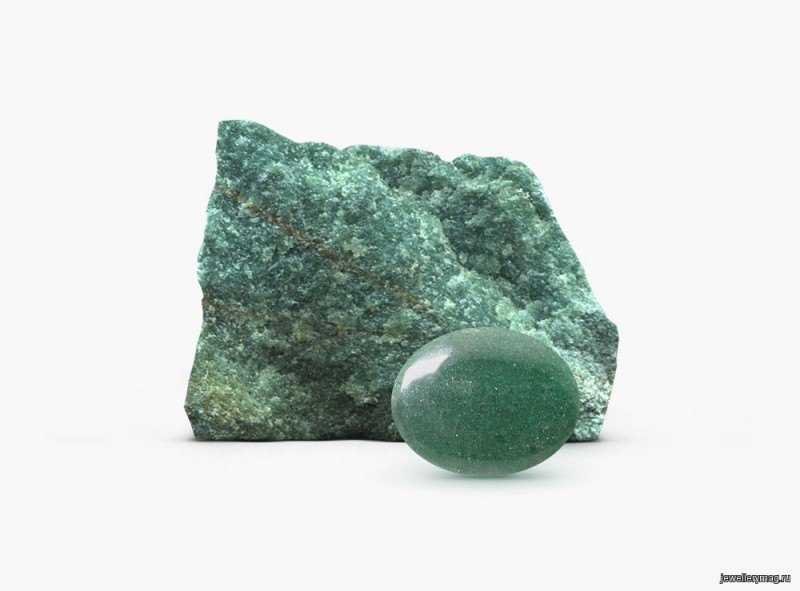
Aventurine
A shimmering quartz flecked with fuchsite mica, aventurine is the green luck stone of heart-chakra opportunity.
- Aventurine is named after the sparkling Italian glass a ventura, not the other way around.
- The green color of aventurine comes from fuchsite mica, which is a chromium-bearing variety of muscovite.
- Tibetan temple statuary sometimes uses aventurine for the eyes of sacred figures to improve visionary sight.
- Green aventurine is one of the most commonly recommended beginner heart-chakra stones in Western crystal healing.
- The rare blue variety gets its color from dumortierite, not from any blue form of fuchsite.
- Practitioners working with heart chakra luck, opportunity, and gentle courage
- Readers drawn to soft green tones with natural glitter
- Beginners building a first crystal collection on a tight budget
- Gift givers shopping for new ventures, first jobs, or move-in presents
- Buyers wanting an inexpensive durable daily-wear cabochon or bead
What Is Aventurine?
Aventurine is a translucent variety of quartz characterized by aventurescence, a subtle metallic glitter produced by platy inclusions of other minerals. It rates 7 on the Mohs hardness scale.
In green aventurine (the most common variety), the inclusions are fuchsite, a chromium-bearing variety of muscovite mica. Other varieties use different inclusions: blue aventurine (dumortierite or crocidolite), red and peach (hematite or goethite), and the rare orange variety (also hematite).
At Mohs 7, aventurine is durable and suitable for daily jewelry wear. It is primarily cut as cabochons, beads, tumbled stones, and carved shapes rather than faceted stones because the included mica scatters light rather than transmitting it cleanly.
The name aventurine comes from the Italian a ventura, meaning by chance, in reference to a type of sparkling Murano glass invented accidentally in the 1600s. The glass was later named after aventurine itself, inverting the usual relationship between a natural material and its synthetic imitator.
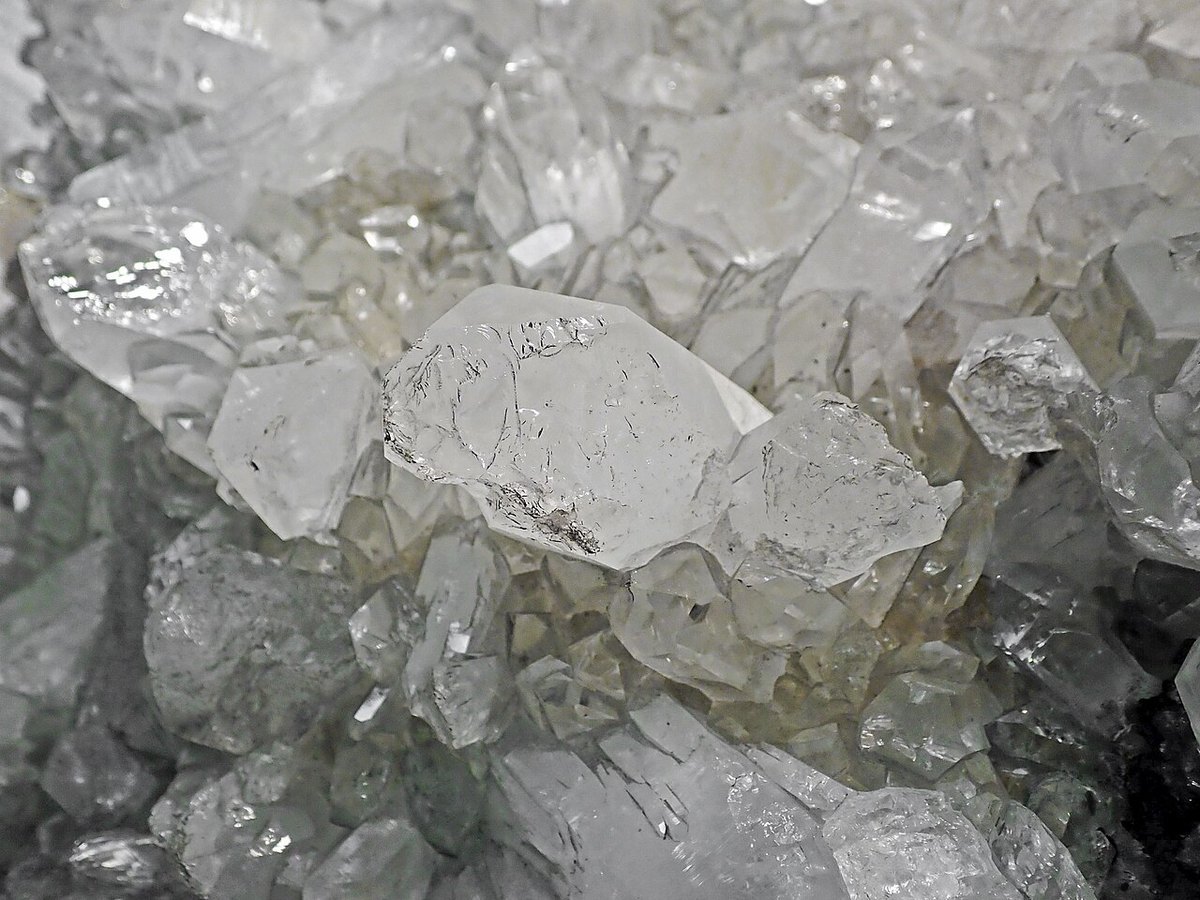
India is the largest commercial source of green aventurine, with deposits in Mysore and Tamil Nadu supplying beadwork, cabochons, and tumbled stones worldwide. Brazil, Russia (the Ural Mountains), Tibet, Austria, and Italy all produce smaller quantities.
Brazilian material is typically richer in color, while Indian material tends toward softer green. Most commercial aventurine is untreated, although some pale material is occasionally dyed.
How Aventurine Compares
| Property | Aventurine | Emerald | Jade |
|---|---|---|---|
| Hardness | 7 | 7.5 - 8 | 6 - 7 |
| Price / carat | $ Budget | $$$ Premium | $$ Mid-range |
| Optical effect | Sparkle (aventurescence) | Transparent green | Translucent waxy green |
| Best For | Beads, tumbled, budget | Heirloom jewelry | Carved jewelry, collectors |
Meaning and Symbolism
Aventurine has a long but loosely documented history in Tibetan, Indian, and Celtic folk traditions. In Tibetan statuary, green aventurine is often used for the eyes of sacred figures to improve visionary eyesight and creative insight.
Celtic oral tradition associated aventurine with the fairy courts and considered it a lucky stone for opportunities in love and money. Indian tradition includes aventurine in Ayurvedic and tantric crystal practice for its association with prana (life force).
The modern name comes from seventeenth-century Italian glassmakers who accidentally created a sparkling green glass by spilling copper shavings into molten base. The glass was named a ventura (by chance), and the natural stone that it resembles later adopted the glass's name.
This is one of the few cases where the mineral took its name from its synthetic imitator rather than the other way around.
In modern crystal healing tradition, aventurine is one of the most widely recommended heart chakra stones. Practitioners associate it with luck, opportunity, and gentle emotional courage, and it is a staple recommendation for people starting new ventures, seeking jobs, or opening to romantic possibility.
Its reputation is gentler than malachite but more active than rose quartz, making it a classic middle-path heart stone for readers who want heart-chakra work without either the intensity of malachite or the receptivity of rose quartz.
Historical Timeline
Healing Tradition
Emotional
Practitioners believe aventurine supports emotional openness, optimism, and gentle courage for new ventures. In crystal healing tradition, it is often recommended for people starting a new job, entering a new relationship, or opening to unfamiliar opportunities.
Many readers wear aventurine jewelry during career transitions or dating periods, and practitioners describe a sense of quiet luck and smoother timing during these weeks.
Practitioners pair aventurine with rose quartz for combined heart-opening and self-love work, or with citrine for abundance and confidence. Because its reputation is gentle and opportunity-oriented rather than dramatic, aventurine is often described as a daily-companion stone suitable for children, sensitive readers, and anyone wanting mild support.
Readers sometimes describe carrying a tumbled aventurine before job interviews, first dates, or important meetings as a small reassurance ritual.
Spiritual
Aventurine is traditionally associated with the heart chakra and with what crystal workers call the green ray of creative opportunity. Practitioners describe it as a stone of gentle spiritual confidence and open-hearted optimism.
In modern metaphysical tradition, aventurine is sometimes called the stone of opportunity because of its reputation for helping readers notice and act on favorable timing.
Many readers keep a tumbled aventurine on a wealth corner of a home (in feng shui practice, the southeast sector) or on a meditation altar during periods of major life transition. It pairs readily with clear quartz for amplified manifestation practice and with moonstone for feminine intuitive work.
Aventurine is often included in beginner crystal kits because its gentle energy makes it practical for readers who are still calibrating their sensitivity to crystal work.
Physical
Practitioners believe aventurine supports what they describe as heart-area circulation, general vitality, and recovery from emotional stress. Folk tradition links aventurine with relief from anxiety-related chest tightness and with gentle support for cardiovascular wellness.
In modern crystal healing practice, aventurine is most often placed over the heart or carried in a pocket during daily activities.
Many readers wear aventurine jewelry continuously for extended periods, and practitioners describe the stone as a gentle background support rather than a specific-intervention tool. It is not a substitute for medical care, and practitioners frame its role as supportive alongside proper treatment.
Because aventurine is hard (Mohs 7) and chemically stable, it is one of the most practical daily-wear heart-chakra stones available at a very accessible price point.
Zodiac, Birthstone and Gifts
Aventurine is traditionally associated with Venus-ruled signs in Western astrology, particularly Taurus and Libra. Practitioners describe aventurine as an ally for Taurus's comfort-seeking temperament and Libra's pursuit of harmonious opportunity. For Virgo, aventurine is recommended as a supporting stone for opening to new professional and personal prospects.
Although aventurine is not on the formal US birthstone list, it is sometimes given as an alternative green stone for August (alongside peridot) and May (alongside emerald). It is a popular feng shui gift, particularly for new homes and home offices where practitioners place it in the wealth corner for abundance.
Care and Cleansing
Aventurine tolerates most common cleansing methods. Running lukewarm water for under a minute is safe, as is a gentle wash in mild soapy water with a soft brush for jewelry.
Moonlight cleansing is traditional and carries no risk. Smoke cleansing with sage, palo santo, or cedar is effective, and sound cleansing with a singing bowl is also safe. Brief saltwater exposure is acceptable for the stone itself, but saltwater should be limited for jewelry because metal settings can corrode.
The one method to approach with some care is prolonged direct sunlight. Aventurine's fuchsite mica can fade slightly with months of strong UV exposure, so a south-facing summer windowsill is not a good long-term home for a treasured piece. Brief daylight is harmless, however.
Because aventurine is typically worn as a daily companion, many practitioners cleanse it weekly or monthly depending on intensity of life circumstances. A night on a selenite plate after a major transition is a common refresh practice.
- DO rinse aventurine jewelry in warm soapy water and dry with a soft cloth.
- DO store aventurine out of prolonged direct sunlight to preserve green color.
- DO NOT soak aventurine in harsh chemicals or acidic solutions.
- DO store aventurine separately from harder stones to prevent surface scratches.
- DO remove aventurine rings before heavy manual work to protect the setting.
- DO ask about dye disclosure for suspiciously bright material.
- Note: some inexpensive green quartz is dyed and sold as aventurine; ask sellers to confirm natural fuchsite.
Real vs Fake
Genuine aventurine shows scattered metallic-looking fuchsite platelets visible under 10x magnification. When the stone is rotated under a bright light, the sparkle appears to move across the surface as the mica flakes catch light from different angles.
A uniformly colored green stone with no visible sparkle may be dyed quartz rather than genuine aventurine.
Common imitations include goldstone (a man-made glass with copper crystal inclusions, sometimes marketed as aventurine), dyed green quartz with no fuchsite inclusions, green glass, and plastic composites. Goldstone is particularly common; it is not a natural stone and should be labeled as man-made glass rather than sold as aventurine.
A basic hardness test separates most imitations. Aventurine scratches at Mohs 7, so a steel knife typically will not scratch it but quartz will. Goldstone is softer and scratches more easily, while synthetic copper-flecked glass varies widely.
For genuine aventurine, the fuchsite inclusions are irregular natural platelets, not the evenly distributed mechanical flakes found in goldstone.
Synthetic aventurine (the original Italian glass product) is still made as a decorative material and should be disclosed as glass when sold. Dyed natural quartz is another common alternative and should be sold as dyed quartz rather than natural aventurine.
Aventurine Jewelry & Gifts
Aventurine is one of the most affordable gems on the market. Tumbled stones cost a few dollars each, standard cabochons run $1 to $8 per carat, and large polished palm stones cost $10 to $50.
Green aventurine is the most abundant and inexpensive variety; blue aventurine commands a modest premium at $5 to $15 per carat, and rare peach or orange varieties reach $8 to $20 per carat.
Treatment concerns are limited. Most aventurine is untreated because natural material is so widely available. Occasional dyeing of pale material is used to produce brighter greens, and this should be disclosed.
Goldstone marketed as aventurine is a common mislabeling issue in cheap online stores and should be avoided by buyers seeking genuine natural material.
When buying, look for scattered metallic fuchsite sparkle that moves with rotation under a bright light, check color saturation (natural green aventurine ranges from pale to medium green rather than neon bright), and buy from sellers willing to confirm natural origin.
Beaded jewelry is particularly vulnerable to mislabeling, so ask about material source for bulk bracelets and mala beads.
Where to Buy Aventurine
Affiliate disclosure: Some links below earn us a small commission at no extra cost to you. See our affiliate disclosure page.
Handmade, raw, and tumbled pieces from independent sellers worldwide.
Shop Aventurine on Etsy →Accessories, tools, and specimen sets with fast Prime delivery.
Shop Aventurine on Amazon →Certified loose gemstones graded and photographed for online buyers.
Shop Aventurine on GemSelect →Pairs Well With




Where Aventurine Is Found


