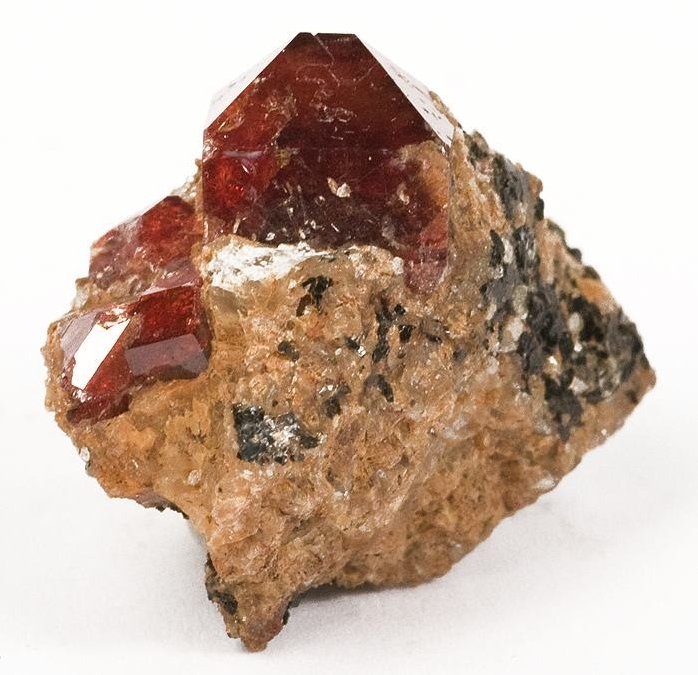
Orange Zircon
Warm honey-orange zircon from Cambodia and Sri Lanka - the gem that predates the dinosaurs, now prized by collectors for its exceptional fire and natural earth tones
- The term 'hyacinth' for orange zircon appears in medieval gem texts across Arabic, Latin, and Sanskrit traditions, making it one of the most cross-culturally documented historic gem names.
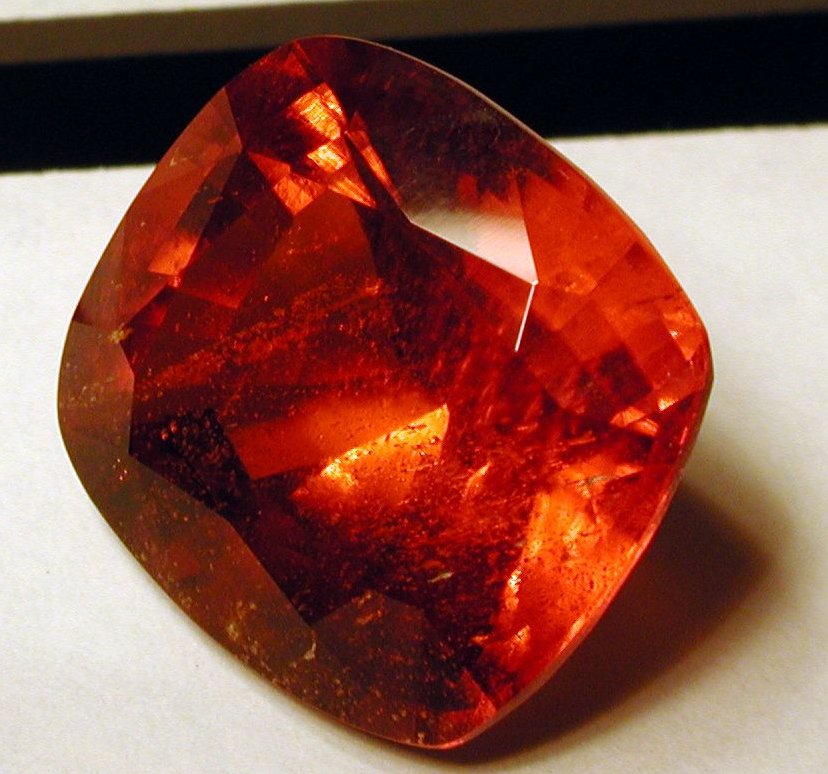
- Orange zircon from Sri Lanka sometimes contains microscopic inclusions of other minerals trapped during crystallization, creating gem specimens of geological and collector interest.
- The intense fire of orange zircon can make it appear almost lit from within under incandescent lighting - a quality that made it prized before electric light when candlelit settings were standard.
What Is Orange Zircon?
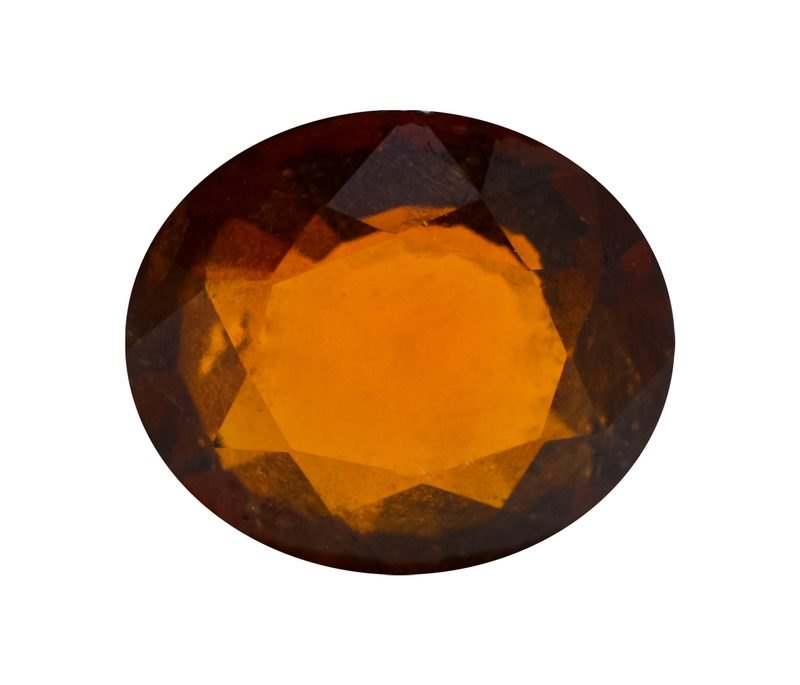
Orange zircon is a tetragonal nesosilicate mineral with the chemical formula ZrSiO₄. It belongs to the zircon family and displays warm orange, amber, tangerine, and red-orange hues. The mineral's luster ranges from vitreous to adamantine, creating brilliant sparkle in faceted gems.
Orange zircon rates 6.5 to 7.5 on the Mohs hardness scale, making it suitable for jewelry with proper care. Its refractive index spans 1.810 to 2.024, contributing to excellent light performance and fire. Specific gravity ranges from 3.9 to 4.7, reflecting its dense crystal structure.
Orange zircon forms as an accessory mineral in granites and metamorphic rocks, later concentrated in alluvial deposits. Major sources include Sri Lanka, Cambodia, Vietnam, Myanmar, and Tanzania. The stone's color derives from trace elements, structural defects, or partial metamictization during geological time.
Meaning and Symbolism
Orange zircon occurs naturally in Sri Lankan, Cambodian, and Vietnamese alluvial gem deposits, with zircon's broader mineralogy profiled at Geology.com. Sri Lanka's gem gravels - known historically as 'illam' - have been mined for centuries and yielded zircon to traders along Indian Ocean commerce routes connecting the island to Persia, Arabia, and the Mediterranean since antiquity.
In historical gem lore, orange and red zircon was grouped under the name 'jacinth,' mentioned in the Book of Revelation as one of the foundations of the New Jerusalem. Medieval lapidaries attributed jacinth with protecting travelers and preventing lightning, making it a gem worn across Christian, Islamic, and Hindu traditions simultaneously.
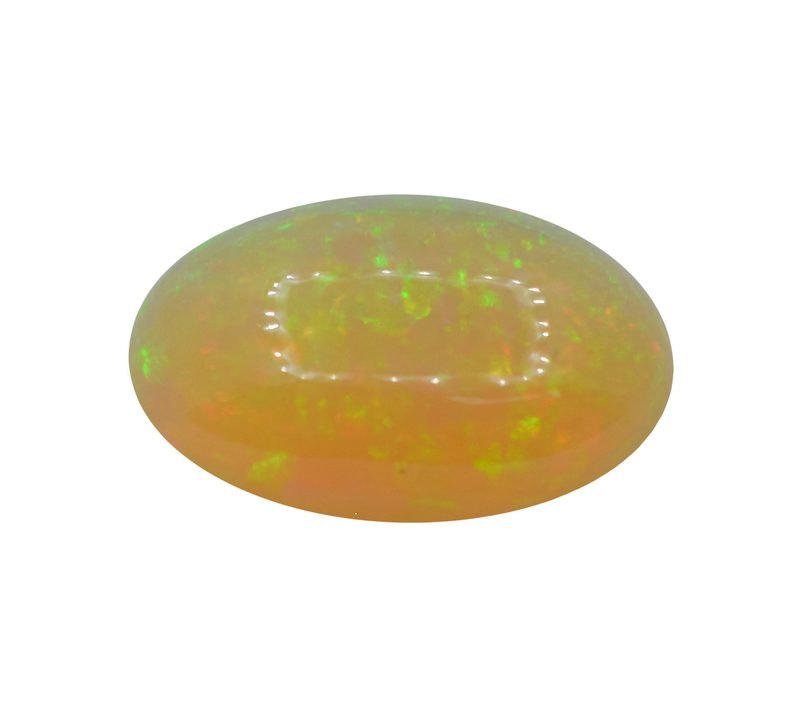
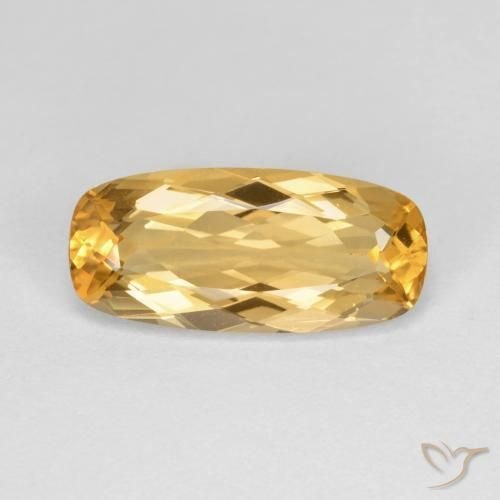
The warm honey to amber-orange of natural orange zircon is caused by trace amounts of uranium and thorium within the crystal structure. Fine orange zircon from Sri Lanka and Cambodia is valued by collectors for its exceptional fire and warm color, distinguishing it from the more common blue heat-treated material.
Historical Timeline
Healing Tradition
Emotional
Practitioners believe orange zircon energizes the emotional body and encourages joyful, spontaneous engagement with life. It is said to warm creative enthusiasm and dissolve the emotional heaviness that accumulates during long periods of routine or obligation, reviving the natural curiosity and pleasure-seeking vitality that makes everyday experience feel alive and worth celebrating.
Spiritual
Traditionally associated with the sacral chakra and creative spiritual expression, orange zircon is said to fuel manifestation and the transformation of spiritual inspiration into physical reality. Crystal healing tradition holds that its warm fire encourages practitioners to embody their spiritual insights in tangible creative acts rather than leaving them as unexpressed internal experiences or unfulfilled intentions.
Physical
Some practitioners believe orange zircon supports reproductive vitality and the physical energy centers of the lower body, associations drawn from its sacral chakra color and the general crystal lore surrounding warm orange gemstones. These claims are not medically verified. Orange zircon is used in wellness settings as a motivating companion during creative physical practices and movement work.
Care and Cleansing
Cleanse orange zircon with warm water and a soft brush; dry immediately. Avoid ultrasonic cleaners. Smudging, selenite placement, or brief sound bowl cleansing are gentle and effective alternatives.
- Inspect facet edges periodically; metamict material is susceptible to chipping.
- Avoid ultrasonic and steam cleaners.
- Use protective settings for rings; bezel preferred over unsupported prong settings for daily use.
- Store away from direct sustained sunlight to preserve color stability.
Where to Buy Orange Zircon
Affiliate disclosure: Some links below earn us a small commission at no extra cost to you. See our affiliate disclosure page.
Handmade, raw, and tumbled pieces from independent sellers worldwide.
Shop Orange Zircon on Etsy →Accessories, tools, and specimen sets with fast Prime delivery.
Shop Orange Zircon on Amazon →Certified loose gemstones graded and photographed for online buyers.
Shop Orange Zircon on GemSelect →Pairs Well With