
Heliodor
Named for the Greek “gift of the sun,” heliodor is the radiant golden member of the beryl family and a solar companion for bright minds.
- The name heliodor combines two Greek roots to literally mean “gift of the sun.”
- A single heliodor crystal from Ukraine’s Volyn region reportedly measured over 40 cm in length.
- Heliodor and aquamarine can grow in the same pegmatite pocket because both are iron-bearing beryls.
- Mild heat treatment can shift heliodor toward aquamarine-blue by altering iron oxidation states.
- Heliodor is one of the harder yellow gems on the market at Mohs 7.5 to 8.
- Collectors seeking a high-clarity yellow beryl at a reasonable per-carat price
- Readers drawn to solar plexus work and confidence-building practices
- Gift givers who want a durable yellow stone alternative to citrine
- Jewelry shoppers planning a cocktail ring or pendant for occasional wear
- Leo and Gemini folks looking for a sun-associated birthstone option
- Buyers on a tight budget who can accept quartz-family color: try citrine instead
- Anyone wanting an emerald-green beryl look: choose emerald or green beryl
- Shoppers after investment-tier rarity: look at paraiba tourmaline or alexandrite
What Is Heliodor?
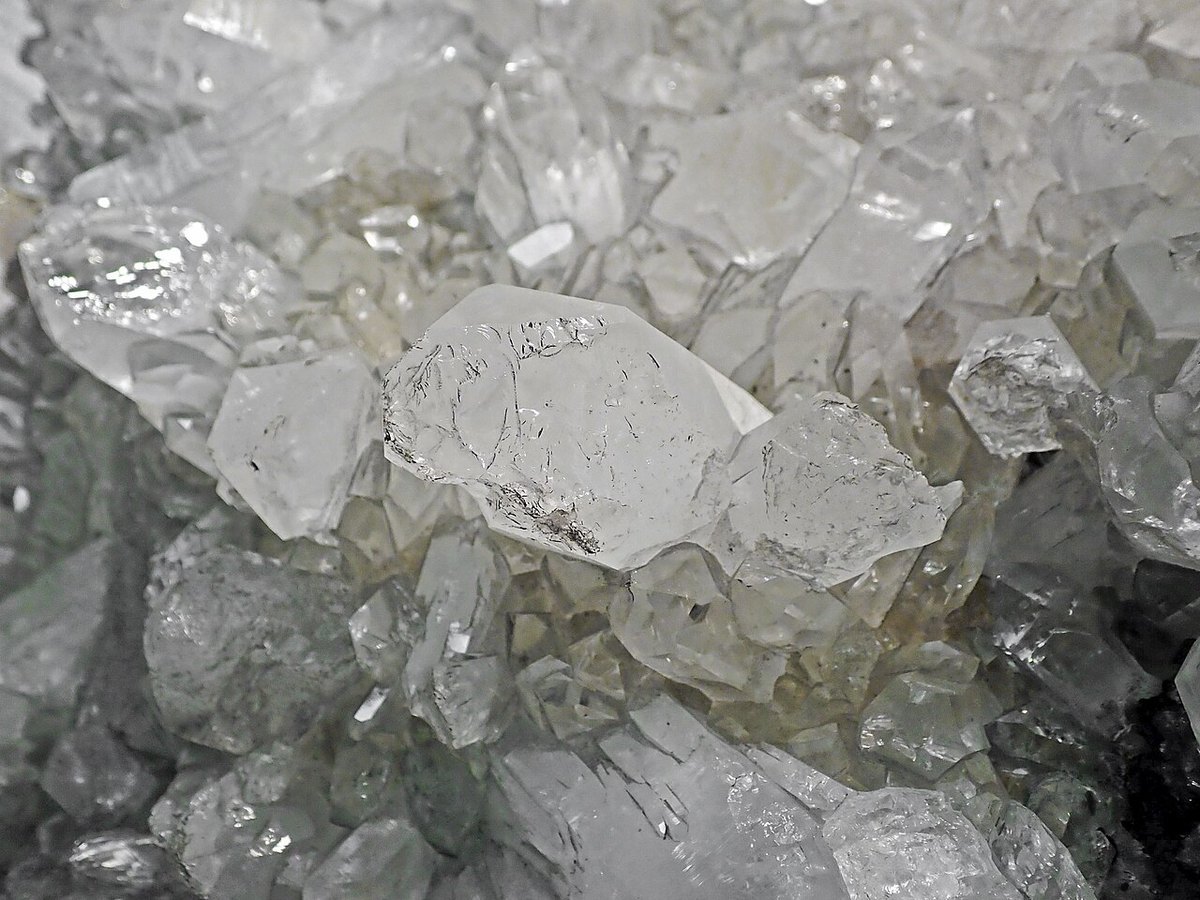
Heliodor is the yellow to greenish-yellow variety of beryl, the same mineral family that produces emerald, aquamarine, and morganite. Its warm color comes from trace iron ions (Fe3+) sitting inside a beryllium-aluminum-silicate framework, and its name is drawn from the Greek “hēlios” (sun) and “dōron” (gift).
The term was coined in 1910 when miners at the Rössing area of what is now Namibia pulled bright golden beryl from granitic pegmatites, and a Frankfurt jeweler branded it as “sunshine gem.”
Chemically, heliodor is Be3Al2(SiO3)6 with a hexagonal crystal system and a Mohs hardness of 7.5 to 8, making it a durable stone for daily wear. Specific gravity ranges from approximately 2.66 to 2.87, and refractive index typically sits between 1.566 and 1.602 with a birefringence of about 0.005 to 0.009.
Crystals grow as hexagonal prisms, sometimes reaching tens of centimeters in gem-quality pegmatite pockets.
Heliodor forms in granitic pegmatites, the slow-cooling final melts of granite bodies where rare elements like beryllium concentrate. Most commercial rough has come from Brazil (Minas Gerais), Ukraine (Volyn region, historically Soviet-era mines), Namibia, Madagascar, and smaller deposits in the United States, Russia, and Tajikistan.
Many specimens are lightly heated or left untreated; unlike its sibling aquamarine, heliodor is typically sold in its natural state with disclosure when heat has been applied.
How Heliodor Compares
| Property | Heliodor | Citrine | Yellow Sapphire |
|---|---|---|---|
| Hardness | 7.5 - 8 | 7 | 9 |
| Price / carat | $ Budget | $ Budget | $$ Mid-range |
| Rarity | Uncommon | Common | Rare |
| Best For | Collector jewelry | Everyday wear | Fine jewelry |
Meaning and Symbolism
Heliodor carries a straightforward cultural meaning tied to its name: the gift of the sun. In European jeweler folklore it has been called the “stone of hope” and linked to optimism, mental clarity, and warmth.
Because the stone only entered the trade vocabulary in the early twentieth century, its historical symbolism is lighter than that of older gems, but practitioners have absorbed it into the broader yellow beryl tradition as a stone of intellect and solar confidence.
In crystal healing tradition, heliodor is said to support the solar plexus chakra, the energy center associated with willpower, self-trust, and digestion. Many practitioners believe the stone encourages focus during study, public speaking, and leadership moments, and is traditionally associated with clear thinking and articulate expression.
Because of the sun connection, it is often paired with morning meditation practices and affirmations about purpose and direction.
In modern gemology and jewelry culture, heliodor signals a refined, collector-minded taste. It appears in Art Deco revival pieces, in handcrafted one-of-a-kind cocktail rings, and in museum collections where its large, clear crystals show beryl at its most photogenic.
It stands apart from citrine by virtue of its mineral family and durability, and apart from yellow sapphire by virtue of its accessibility and softer glow.
Historical Timeline
Healing Tradition
Emotional
Practitioners believe heliodor encourages a warm, optimistic mindset. In crystal healing tradition it is said to support self-confidence, dissolve hesitation around self-expression, and help the wearer speak from a place of inner authority rather than anxiety.
Many find that sitting with a heliodor during journaling or morning meditation is associated with a feeling of mental clarity, as if scattered thoughts gather under sunlight.
The stone is traditionally linked with perseverance through long projects, and practitioners often recommend it for students preparing for exams, writers facing creative blocks, and leaders navigating difficult conversations. Its warmth is said to soften perfectionism without undermining ambition, offering what practitioners describe as a generous, fatherly energy.
As with any crystal practice, heliodor is offered as a supportive ritual object rather than a replacement for therapy or professional mental health care.
Spiritual
Heliodor is traditionally associated with the solar plexus chakra, the energy center near the upper abdomen linked to willpower, personal sovereignty, and the sense of “I can.” Practitioners believe the stone’s golden light resonates with this center and is said to help align intentions with action.
In folklore it has also been called a stone of the sun path, used in rituals honoring solar cycles, Leo season, and Midsummer. Many practitioners place heliodor on an altar alongside citrine, sunstone, and pyrite to create what they describe as a solar grid for abundance and courage.
In meditation it is often held in the non-dominant hand while visualizing golden light filling the torso, a practice said to reinforce grounded confidence.
Physical
In crystal healing tradition, heliodor has long been used as a companion stone for digestive comfort, metabolic balance, and general vitality, because the solar plexus governs the organs of digestion in many esoteric systems.
Practitioners believe the stone is said to support clarity of thought during fatigue and is sometimes placed on the abdomen during restorative practices. Some traditions associate it with eye strain relief for people who work long hours on screens, owing to its warm, non-harsh color. None of these associations are medical claims.
Heliodor is offered as a traditional supportive tool, not a treatment, and readers with any health concerns should consult a qualified clinician rather than rely on a stone.
Zodiac, Birthstone and Gifts
Heliodor is often recommended for Leo, the sun-ruled fire sign, because its color and name so clearly echo solar themes. Practitioners believe the stone is said to complement Leo’s natural warmth while gently tempering the tendency toward burnout, encouraging pacing rather than perfectionism.
For Gemini, a mutable air sign associated with communication and learning, heliodor is traditionally offered as a focus aid, especially during study or public speaking. As an alternative November birthstone alongside topaz and citrine, heliodor gives November-born readers a durable yellow option with a distinct mineral pedigree.
Care and Cleansing
Heliodor responds well to gentle cleansing methods. Running the stone under cool tap water for thirty seconds, then patting it dry with a soft cloth, is a reliable physical clean.
Brief moonlight exposure on a windowsill during a full moon is a popular energetic method in crystal healing tradition and is safe for this stone. Sound cleansing with a singing bowl or bell is also well suited to heliodor, since it involves no moisture or heat.
Avoid prolonged direct sunlight, because some yellow beryls can fade over time with extended UV exposure. Skip harsh chemical cleaners, ultrasonic baths if the stone has inclusions, and steam cleaning, which can shock included beryls.
Salt burial is generally not recommended for faceted pieces because grains can abrade the polish and corrode metal mountings. A simple selenite plate or a dry smoke cleanse with herbs such as rosemary or cedar offers a safer alternative.
- DO store heliodor jewelry in a soft pouch separate from harder stones like sapphire or diamond.
- DO NOT leave heliodor in direct sunlight for long periods, as color can fade with extended UV.
- DO NOT use ultrasonic or steam cleaners on included stones; stick to warm soapy water.
- DO remove heliodor rings before gardening, gym workouts, or heavy cleaning.
- DO NOT expose heliodor to sudden temperature changes, which can stress fractures.
- DO re-check prong settings yearly with a jeweler, especially on everyday rings.
- Note: disclose any heat treatment when reselling to maintain buyer trust.
Real vs Fake
Because heliodor is a member of the beryl family, the most common confusion is with citrine (quartz) and, less often, yellow sapphire. Under a loupe, heliodor typically shows the long, straight, hollow growth tubes characteristic of beryl, often with narrow fluid inclusions running parallel to the c-axis.
Citrine, by contrast, tends to show subtler twinning and occasionally zebra-stripe color zoning. A refractive index reading on a gem refractometer separates them cleanly: heliodor reads approximately 1.566 to 1.602 with birefringence near 0.005 to 0.009, while citrine reads 1.544 to 1.553.
Specific gravity also differs: heliodor sits around 2.66 to 2.87, while citrine is near 2.65 and yellow sapphire is approximately 4.00. A simple hydrostatic weighing at a gem lab will separate heliodor from yellow sapphire immediately.
Synthetic yellow beryl exists but is uncommon in the market compared with synthetic emerald; when present it tends to show curved growth bands or flux inclusions under magnification.
Beware of glass imitations and heated citrine sold as “golden beryl” on casual marketplaces. Ask the seller for origin, whether the stone has been heat-treated, and whether an independent lab report (GIA, Mindat, and USGS, or similar) is available for anything above roughly $500 total.
A credible seller discloses treatments in writing and provides clear, daylight-balanced photos rather than orange-tinted hero shots.
Heliodor Jewelry & Gifts
Expect to pay approximately $30 to $60 per carat for clean, commercial-grade heliodor under two carats, $80 to $200 per carat for saturated golden stones in the two to five carat range, and $200 to $500 per carat for exceptional large stones with vivid, slightly greenish-yellow to pure gold color.
Namibian and Ukrainian material often commands a premium among collectors for its historical pedigree. Eye-clean clarity is achievable at these price points because heliodor typically grows in relatively inclusion-free pegmatite pockets.
Heat treatment is sometimes used to lighten greenish tones toward pure gold or, less commonly, to shift material toward aquamarine-blue. Treatment should be disclosed in writing, and untreated stones carry a modest premium. Popular cuts include emerald step cuts, which showcase clarity, and oval or pear brilliants for rings.
Pricing is sensitive to color saturation first, clarity second, cut quality third, and carat weight fourth.
Where to Buy Heliodor
Affiliate disclosure: Some links below earn us a small commission at no extra cost to you. See our affiliate disclosure page.
Handmade, raw, and tumbled pieces from independent sellers worldwide.
Shop Heliodor on Etsy →Accessories, tools, and specimen sets with fast Prime delivery.
Shop Heliodor on Amazon →Certified loose gemstones graded and photographed for online buyers.
Shop Heliodor on GemSelect →Pairs Well With



Where Heliodor Is Found


