
Yellow Diamond
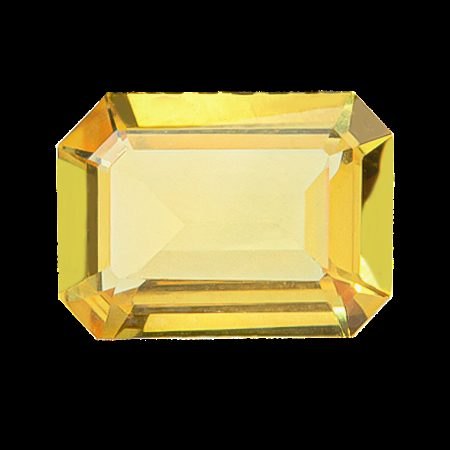
The most popular fancy color diamond, sun-yellow stones range from delicate light yellow to fancy vivid canary that commands six-figure.
- The famous Kimberley yellow diamond, a 128.54-carat fancy yellow, was discovered in South Africa's Kimberley mine in 1877.
- Yellow is the most common fancy color diamond and the most affordable entry point to the fancy color category.
- The trade nickname canary diamond refers specifically to vivid pure yellow stones that resemble the bird's bright color.
- Yellow diamonds are colored by trace nitrogen in the carbon lattice; nitrogen is the most common impurity in natural diamonds.
- Sierra Leone's Zimi region produces some of the finest vivid yellow diamond color, and Argyle in Australia produced significant yellow material before its 2020 closure.
- Engagement ring shoppers seeking the hardest possible daily-wear colored stone
- Investors interested in fancy color diamonds with documented lab certification
- Collectors building a fancy color diamond portfolio with documented provenance
- Practitioners working with solar plexus confidence and personal power
- Leos drawn to a sun-symbolic personal talisman with maximum hardness
- Buyers under $5,000 for one carat (consider yellow sapphire or yellow topaz)
- Anyone wanting deep gold or orange tones (consider citrine or imperial topaz)
- Practitioners seeking calming heart-centered energy (try rose quartz or aquamarine)
What Is Yellow Diamond?
Yellow diamond is the most common fancy color diamond, with color caused by the presence of nitrogen impurities in the diamond's carbon lattice. It rates 10 on the Mohs hardness scale.
The intensity of yellow ranges from very faint (graded as a Z-color near-colorless diamond) through fancy light yellow, fancy yellow, fancy intense yellow, and fancy vivid yellow at the most saturated end.
The IMA symbol for the parent diamond species is Dia. Yellow diamonds form in the same deep-mantle conditions as colorless diamonds, with the nitrogen present during crystal growth.
South Africa was historically the primary source, particularly the Cape Province deposits that gave the trade term Cape diamond to lighter yellow stones. Australia's Argyle mine, although famous for pink diamonds, also produced fancy yellow material before its 2020 closure.
Modern supply comes from a mix of South African, Australian, Russian, Sierra Leonean, and Canadian sources, with Sierra Leone's Zimi region noted for producing some of the finest vivid yellow color.
Yellow diamond grading is conducted by major gemological laboratories using standardized color systems. Leading gemological institutions established the modern fancy color diamond grading scale, with terms ranging from faint through fancy vivid that determine price tiers.
Fancy intense and fancy vivid yellow diamonds command significant premiums over colorless diamonds of the same size, with rare large vivid stones reaching seven-figure prices at major auctions. Yellow diamond also has 10 on the Mohs scale, the same as all diamonds, making it the hardest natural gemstone for daily-wear use.
How Yellow Diamond Compares
| Property | Yellow Diamond | Yellow Sapphire | Citrine |
|---|---|---|---|
| Hardness | 10 | 9 | 7 |
| Price / carat | $$$$ Luxury | $$$ Premium | $ Budget |
| Rarity | Rare | Rare | Common |
| Best For | Engagement, investment | Investment, jewelry | Daily wear, manifesting |
Meaning and Symbolism
Yellow diamond shares the broader diamond family's deep historical associations with light, eternity, and royal power, but the yellow variety has carried its own identity for centuries as the sun stone of the family.
Indian Sanskrit texts described diamonds in five colors corresponding to the five castes, with yellow representing the merchant and trader caste because of its sun-gold color and association with prosperity. Throughout the Mughal Empire, yellow diamonds were prized in royal jewelry alongside their colorless counterparts.
The famous Kimberley yellow diamond, a 128.54-carat fancy yellow stone discovered in South Africa's Kimberley mine in 1877, became one of the most celebrated gems of the modern era and helped establish yellow diamonds as a distinct category in Western fine jewelry.
The trade nickname canary diamond entered popular use in the late nineteenth century. Yellow diamonds gained additional prominence in the late twentieth century as fancy color diamonds became collectible categories with their own pricing structures.
In modern crystal practice, yellow diamond is traditionally associated with the solar plexus chakra and with confident personal expression. Practitioners believe the stone amplifies the diamond family's general associations with clarity and durability, adding a specifically solar dimension related to leadership, manifestation, and joyful confidence.
Many find yellow diamond useful as a milestone stone for major personal achievements, with the gem's combination of beauty, hardness, and price making it a natural choice for celebration jewelry.
Historical Timeline
Healing Tradition
Emotional
Practitioners believe yellow diamond is a stone of confident personal expression and the kind of solar joy that supports leadership and creative achievement. In crystal healing tradition, it is said to amplify the wearer's natural confidence and to support readers stepping into more visible roles.
Many find yellow diamond useful during major career transitions, public-facing creative work, or any milestone that calls for sustained personal courage.
The stone has long been associated in modern tradition with the principle of solar manifestation, said to support readers turning bold visions into concrete outcomes. Practitioners often pair yellow diamond with citrine when amplified solar plexus work is desired, or with clear quartz for focused intention setting.
Because yellow diamond is rare and expensive, the stone is naturally reserved for milestone moments and special occasions, which contributes to its reputation as a celebration gem rather than a casual daily carry.
Spiritual
Yellow diamond is traditionally associated with the solar plexus and crown chakras together in modern crystal practice. Practitioners believe its sun-gold color resonates with both personal power and higher spiritual clarity, supporting the integration of bold action with refined awareness.
It has long been considered a stone of solar leadership in the broader diamond tradition.
Many find yellow diamond useful in meditation focused on personal mission, leadership development, and the question of how to express one's gifts visibly in the world. The stone pairs well with clear quartz for amplified focus and with sunstone for traditional solar work at a more accessible price point.
Practitioners sometimes use yellow diamond in ceremonies marking major personal achievements or rites of passage, treating the stone as a literal solar talisman.
Physical
Practitioners believe yellow diamond supports what they describe as the body's solar plexus area and the digestive system. In folklore the broader diamond family has long been associated with the head and the higher mental functions, while the yellow variety carries additional solar associations from its color.
It is sometimes recommended for readers managing low energy, fatigue, or the kind of physical depletion that comes from lack of light or sun exposure.
Many find yellow diamond useful as a daily-wear stone during periods of intensive work or recovery, with the stone's hardness allowing continuous wear without concern. Yellow diamond is not a substitute for medical care, and practitioners are careful to frame its role as supportive rather than curative.
For readers who want similar solar energy at more accessible price points, citrine and yellow sapphire are practical alternatives, with yellow diamond reserved for milestone use.
Zodiac, Birthstone and Gifts
Yellow diamond is most often associated with Leo, the fire sign ruled by the Sun. Practitioners believe the stone's sun-gold color and solar associations make it a natural match for Leo's bold, generous, and naturally confident character.
It has long been recommended as a milestone gift for Leo professionals achieving major recognition or creative breakthroughs.
Aries is the secondary association because of yellow diamond's reputation for supporting bold action and pioneering effort. Astrologers sometimes suggest the stone for Aries readers stepping into leadership roles, especially work that requires both fierce confidence and the durability to sustain effort over years rather than months.
Care and Cleansing
Yellow diamond is one of the easiest gems to cleanse and tolerates almost any common method. Running tap water for any length of time is safe, as is soapy water with a soft toothbrush to clean behind the stone in jewelry settings.
The stone is durable enough for ultrasonic and steam cleaning under most conditions, though stones with significant fracture filling or fragile pavé settings should use gentler methods.
Sunlight cleansing is traditionally recommended for yellow diamond and aligns with the stone's solar associations. Thirty minutes to an hour of morning sun is considered sufficient. Moonlight, smoke from sage or palo santo, and sound cleansing with a singing bowl are all considered safe and effective.
Salt cleansing should be brief, since prolonged saltwater can corrode metal settings over time. Many practitioners recharge yellow diamond by resting it on a clear quartz cluster overnight or by placing it briefly in morning sunlight on a windowsill.
- DO clean yellow diamond jewelry routinely with soapy water and a soft brush; the stone can handle ultrasonic cleaning unless fracture-filled.
- DO ask whether the stone is natural color or color-treated; both occur on the market and command very different prices.
- DO request a major gemological laboratory certificate identifying color grade, treatments, and origin for any high-value purchase.
- DO NOT wear yellow diamond rings during heavy contact sports or activities involving sharp impact, since hard knocks can chip even diamonds.
- DO insure yellow diamond jewelry separately given the per-carat value at fancy intense and fancy vivid grades.
- DO store yellow diamond separately from other diamonds to avoid scratches between stones.
- Note: irradiated and HPHT-treated yellow diamonds are accepted but should be priced as a separate category from natural color stones.
Real vs Fake
Genuine yellow diamond shows the diamond family's characteristic refractive index of 2.417 to 2.419, hardness of 10 on the Mohs scale, and exceptional fire and brilliance. Color comes from natural nitrogen impurities and is graded by major gemological laboratories using standardized fancy color terminology.
Under magnification you may see typical inclusions such as tiny crystal phantoms, feathers, or growth zoning characteristic of natural diamond formation.
Common substitutes and treated stones include cubic zirconia (much lower refractive index, lower hardness), moissanite (different optical properties, doubly refractive), synthetic yellow diamond (gemologically identical to natural and must be lab-identified), and irradiated or HPHT-treated colored diamonds (must be disclosed and priced separately).
A reputable independent gemological lab can distinguish natural color from treated stones and natural from synthetic using advanced spectroscopy.
At home, look for the diamond family's characteristic fire and brilliance, hardness sufficient to scratch quartz easily, and weight consistent with diamond density. Watch for stones marketed as natural color at suspiciously low prices, since these are often irradiated or HPHT-treated stones priced as natural color material.
Reputable sellers always include current lab paperwork from a major gemological laboratory and disclose color origin (natural versus treated), clarity grade, and any laser drilling or fracture filling. Lab certification is mandatory for any yellow diamond above 0.5 carats.
Yellow Diamond Jewelry & Gifts
Yellow diamond pricing varies enormously based on color grade, size, clarity, and origin. Fancy light yellow diamonds run roughly $3,000 to $8,000 per carat in one- to three-carat sizes, fancy yellow stones reach $8,000 to $25,000 per carat, and fancy intense yellow diamonds command $25,000 to $80,000 per carat.
Fancy vivid yellow stones, the highest color grade, can exceed $200,000 per carat for fine large stones, with exceptional pieces reaching multi-million-dollar auction prices.
Color treatment is accepted but must be disclosed as a separate category. Irradiated and HPHT-treated yellow diamonds run at significantly lower prices than natural color stones and require explicit disclosure on all paperwork. Synthetic yellow diamonds (lab-grown) are also significantly less expensive and must be clearly identified.
For engagement rings or investment pieces, request a reputable lab report from a major gemological laboratory confirming natural color, color grade, clarity grade, and any treatments. fancy intense and fancy vivid natural yellow diamonds remain among the strongest performing fancy color diamond categories at major auctions.
Where to Buy Yellow Diamond
Affiliate disclosure: Some links below earn us a small commission at no extra cost to you. See our affiliate disclosure page.
Handmade, raw, and tumbled pieces from independent sellers worldwide.
Shop Yellow Diamond on Etsy →Accessories, tools, and specimen sets with fast Prime delivery.
Shop Yellow Diamond on Amazon →Certified loose gemstones graded and photographed for online buyers.
Shop Yellow Diamond on GemSelect →Pairs Well With




Where Yellow Diamond Is Found


