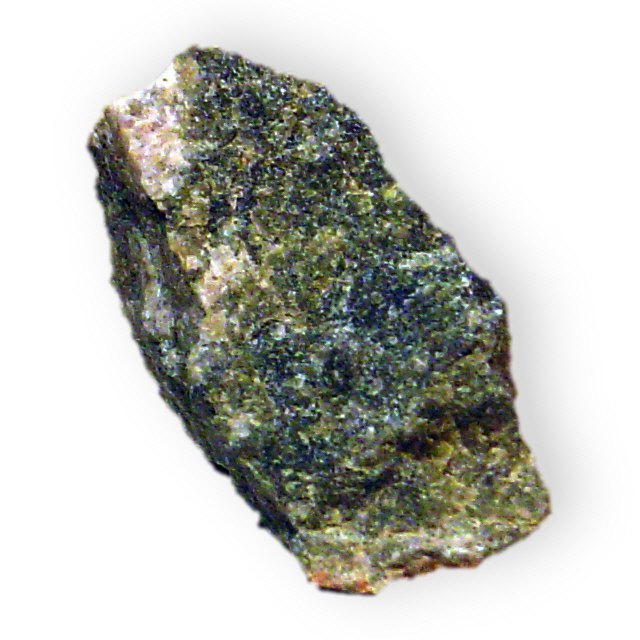
Nephrite
One of the toughest natural materials known, nephrite is the jade of New Zealand pounamu, imperial.
- Nephrite is one of the toughest natural materials known, more fracture-resistant than steel of comparable cross-section.
- The name nephrite comes from the Greek nephros (kidney) because European traders believed it aided kidney health.
- Han dynasty jade burial suits used up to 2,500 nephrite plaques stitched together with gold or silver wire.
- Maori pounamu is legally protected in New Zealand, with mining rights vested in Ngai Tahu iwi by the 1997 Ngai Tahu Claims Settlement Act.
- British Columbia, Canada is the among the largest known producer of nephrite by volume today.
- Jewelry buyers seeking a tough, daily-wear carved or polished green stone
- Shoppers drawn to East Asian imperial jade tradition at accessible prices
- Readers working with heart-chakra steadiness and ancestral practice
- Collectors of New Zealand pounamu and Canadian BC nephrite
- Gift buyers for babies, athletes, and travelers in traditional cultures
- Buyers who want translucent apple-green imperial jade (that is jadeite)
- Shoppers under $15 for solid pieces (try prasiolite or dyed quartz)
- Readers expecting faceted transparent stones (try peridot or chrome diopside)
What Is Nephrite?
Nephrite is one of two distinct minerals that share the name jade; the other is jadeite. Nephrite is a calcium-magnesium-iron silicate, specifically a microcrystalline variety of the amphibole minerals tremolite (when pale and low in iron) and actinolite (when darker green and higher in iron).
The dense interlocking fibrous structure gives nephrite extraordinary toughness, and it has been classified as one of the toughest natural materials known, which is why ancient cultures worldwide used it for axe heads, adzes, and chisels long before they used it for ornaments.
The name nephrite comes from the Greek nephros, meaning kidney, because European traders in the sixteenth century believed the stone could treat kidney ailments. The IMA treats tremolite and actinolite as distinct species, and nephrite is the trade name for fibrous aggregates of either.
Major commercial sources include Xinjiang and Qinghai provinces in China (the traditional source of imperial Chinese jade), the West Coast of New Zealand's South Island (where it is called pounamu), British Columbia in Canada, Siberia in Russia, and Wyoming in the United States.
Hardness is approximately 6 to 6.5 on the Mohs scale, which is softer than jadeite (Mohs 6.5 to 7) but far more fracture-resistant thanks to the interlocking fibrous texture. Specific gravity of 2.95 to 3.08 is lower than jadeite's 3.3 to 3.5, and refractive index ranges approximately 1.600 to 1.640.
Nephrite takes a high polish and is typically mottled or homogeneous green, though white (mutton-fat), yellow, brown, and black varieties exist. Most nephrite is untreated, which sets it apart from much of the jadeite market.
How Nephrite Compares
| Property | Nephrite | Jadeite | Serpentine |
|---|---|---|---|
| Hardness | 6 - 6.5 | 6.5 - 7 | 3 - 5.5 |
| Price / carat | — | $ Budget | — |
| Rarity | Moderate | Rarer (imperial) | Abundant |
| Best For | Carvings, beads, talismans | Fine jewelry | Budget carvings |
Meaning and Symbolism
Nephrite has one of the longest continuous cultural histories of any gemstone on earth. Neolithic cultures in China worked nephrite into ritual objects such as bi discs and cong tubes from at least 3500 BCE.
The stone remained central to Chinese imperial and funeral practice for five thousand years, with emperors buried in suits stitched from thousands of nephrite plaques.
In the Maori culture of New Zealand, pounamu (nephrite) is a taonga, a treasured object, and carved pieces such as the hei-tiki pendant and toki (adze) are passed down across generations with specific genealogical stories attached.
European trade brought nephrite's name and a specific medical folklore: the stone was said to support the kidneys and lower back, which is how it came to be called nephrite from the Greek for kidney.
Pre-Columbian Mesoamerican cultures, including the Olmec and Maya, carved nephrite and jadeite into masks, figurines, and funerary ornaments, and Maori iwi (tribes) have specific traditions for harvesting and carving pounamu from the West Coast rivers of Te Wai Pounamu (the South Island).
In contemporary crystal tradition, nephrite is traditionally associated with the heart chakra and with steady, ancestral energy rather than dramatic emotional shifts. Practitioners believe nephrite supports patience, family continuity, and protective care across generations.
Because the stone carries authentic depth in at least three major world cultures (Chinese, Maori, and Mesoamerican), practitioners often treat nephrite with particular reverence, emphasizing respectful sourcing and careful attention to which traditions inform their practice.
Historical Timeline
Healing Tradition
Emotional
Practitioners believe nephrite is a stone of steady emotional continuity across long time horizons. In crystal healing tradition, it is said to support a wearer during family transitions, long caregiving seasons, and the gentle work of tending to ancestors, living elders, and children at once.
Many find nephrite a useful daily carry during pregnancy, postpartum recovery, or grief seasons, where patience and continuity matter more than emotional breakthrough. Nephrite is often paired with rose quartz when self-compassion needs to join ancestral work, with smoky quartz when old family patterns need to settle before new action can land.
With clear quartz when a practitioner wants to amplify a specific intention tied to lineage or heritage. Practitioners tend to describe nephrite as maternal and protective rather than sharp or energizing.
Spiritual
In crystal healing tradition, nephrite is said to anchor the heart chakra in a steady, ancestral way. Practitioners believe nephrite supports readers whose spiritual practice includes family altars, ancestor veneration, or long-term community caretaking, and the stone's cultural depth in Chinese and Maori tradition informs contemporary practice among many readers.
Nephrite is often used in meditations that emphasize time across generations: silent reading of family records, slow journaling about lineage, and intentional writing of wisdom for descendants.
Because nephrite carries specific traditions in living cultures, practitioners are often encouraged to respect tangata whenua (indigenous) protocols when working with pounamu specifically, and to honor Chinese symbolic lineage when working with Hetian jade. Contemporary crystal tradition frames this respect as part of the stone's energetic work.
Physical
Practitioners believe nephrite supports what they describe as the kidneys, lower back, and urinary system, a folk association older than modern gemology and rooted in the European name for the stone.
Traditional Chinese medicine has associated nephrite with qi flow in the body and has used it in massage tools (gua sha) for centuries; Maori tradition associates pounamu with vitality carried across generations. Many find carrying a nephrite palm stone or wearing a pendant comforting during long work weeks, convalescence, or pregnancy.
Nephrite is not a substitute for medical care, and practitioners frame its role as supportive rather than curative. Readers with kidney concerns, chronic back pain, or urinary issues are encouraged to rely on qualified medical guidance and treat crystal practice as one piece of a broader routine.
Zodiac, Birthstone and Gifts
Nephrite is traditionally used as an alternative March birthstone in some modern trade listings, drawing on its wide cultural role. In Western astrology, Taureans and Librans are often drawn to nephrite for its earthy green tone and its reputation as a stone of steady, enduring beauty.
Virgos drawn to practical, useful, deeply rooted stones also frequently adopt nephrite for daily wear. Chinese astrology and the lunar calendar have their own jade traditions not tied to zodiac sign alone; the stone is worn by people of all birth years as a general cultural gem.
Vedic astrology (Jyotish) does not include nephrite among its classical gem prescriptions; it is used there on an intention basis.
Care and Cleansing
Nephrite cleanses easily because the stone is durable and chemically robust. Lukewarm soapy water and a soft brush handle daily maintenance, and short rinses under running water are safe.
Ultrasonic cleaners are generally safe for solid nephrite but should be avoided for carved or drilled pieces with delicate detail that vibration could stress. Saltwater soaks are discouraged for adhesive-mounted pieces but are acceptable for loose stones.
Moonlight is traditionally recommended in many Chinese practices, and short sunlight exposure is safe since the green color is stable. Smoke cleansing with palo santo, sage, or sandalwood incense is common, as is sound cleansing with a singing bowl.
In Maori tradition, specific protocols govern the care and gifting of pounamu; readers working with Maori pounamu are encouraged to learn or respect those protocols. Many practitioners recharge nephrite overnight on a clear quartz cluster or selenite slab between uses.
- DO wash nephrite in lukewarm soapy water and dry with a soft cloth.
- DO NOT expose nephrite to strong household cleaners, bleach, or abrasive polishes.
- DO store nephrite separately so harder stones do not scratch the polished surface.
- DO NOT use ultrasonic cleaners on delicately carved or thin-section nephrite pieces.
- DO remove nephrite jewelry before sports that involve sharp impacts.
- DO ask whether nephrite has been dyed or treated with polymer at the point of sale.
- Note: Maori pounamu carries specific cultural protocols around gifting and care; learn them if the piece is gifted rather than self-purchased.
Real vs Fake
Genuine nephrite can be distinguished from jadeite (the other true jade) and from cheaper substitutes with several reliable tests. Compared with jadeite, nephrite is slightly softer, noticeably less dense, and shows a more fibrous fracture pattern; jadeite often shows a granular texture and higher translucency in fine material.
Common imitations and accidentally confused stones include serpentine (Mohs 3 to 5.5, distinctly softer), chrysoprase (translucent green chalcedony), green aventurine (quartz-based with visible schiller), and dyed quartzite.
Under 10x magnification, nephrite shows a fibrous interlocking texture when a freshly cut or scratched surface is examined, while serpentine appears waxier and more homogeneous. A scratch test using a steel file or quartz will mark serpentine easily but skate across nephrite.
Specific gravity is a reliable check: genuine nephrite reads 2.95 to 3.08 with a carat scale and water displacement, distinctly higher than serpentine (2.5 to 2.6) but lower than jadeite (3.3 to 3.5).
A reputable gem lab can distinguish nephrite from jadeite and from dyed or polymer-treated (grade B or C) jade unambiguously. For any expensive nephrite piece, especially antique Chinese carvings or Maori pounamu with provenance claims, a GIA, Mindat, and USGS or AGA report is worth the cost.
Synthetic nephrite has not reached the commercial market in meaningful quantity, so the main practical risk is mislabeling rather than outright forgery. Be skeptical of apple-green translucent jade sold as nephrite at low prices; imperial-style color in translucent material is almost always jadeite or dyed imitation.
Nephrite Jewelry & Gifts
Nephrite pricing is broad. Tumbled stones and small cabochons sell for $1 to $15, palm stones and worry stones $10 to $50, beaded bracelets $15 to $100, carved pendants $30 to $300, and antique or museum-grade Chinese carvings can reach tens of thousands of dollars at auction.
New Zealand pounamu carvings by recognized artists run $100 to $2,000 depending on size, design, and the artist's status; authentic pounamu with certified Maori provenance commands a meaningful premium.
Sources and pricing vary significantly by region. Chinese Hetian (Xinjiang) nephrite, especially the prized mutton-fat white variety, is the traditional high-end benchmark and trades at prices comparable to fine jadeite for top material. Canadian British Columbia nephrite supplies most of the world's carving-grade rough today.
Wyoming nephrite is sought by American collectors for domestic provenance. Russian Siberian nephrite and New Zealand pounamu fill specialty tiers. Treatments include polymer impregnation and dyeing for lower-grade material, both of which should be fully disclosed; untreated natural nephrite is the standard for fine pieces.
Where to Buy Nephrite
Affiliate disclosure: Some links below earn us a small commission at no extra cost to you. See our affiliate disclosure page.
Handmade, raw, and tumbled pieces from independent sellers worldwide.
Shop Nephrite on Etsy →Accessories, tools, and specimen sets with fast Prime delivery.
Shop Nephrite on Amazon →Certified loose gemstones graded and photographed for online buyers.
Shop Nephrite on GemSelect →Pairs Well With




Where Nephrite Is Found


