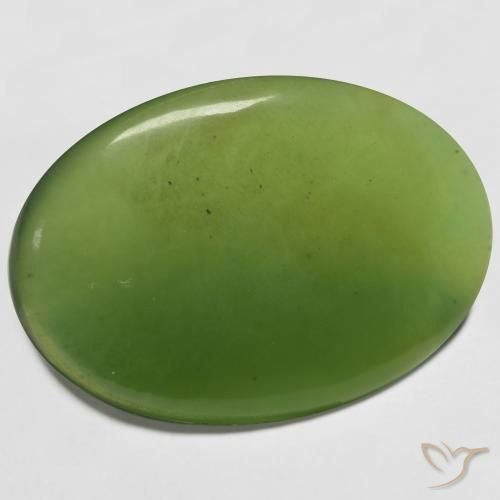
Serpentine
A soft green mineral often sold as new jade, serpentine is the heart-chakra stone of kundalini awakening and gentle growth.
- Serpentine takes its name from the Latin serpens for snake, a reference to its mottled greenish appearance.
- Serpentine is the state gem of California, designated in 1965.
- The names new jade and olive jade are marketing terms for serpentine, not actual varieties of jade.
- One form of serpentine (chrysotile) is commercial asbestos; finished polished pieces are safe, but raw material should be handled carefully.
- Serpentine is often found associated with jade, which is one reason it became a traditional jade substitute.
- Buyers wanting affordable soft-green jade alternative
- Practitioners working with heart and sacral chakra growth
- Collectors of Chinese and Himalayan ornamental stones
- Gift givers shopping for meditation or yoga-themed presents
- Readers interested in kundalini awakening traditions
- Buyers wanting genuine nephrite or jadeite jade
- Daily-wear ring buyers (serpentine is soft)
- Shoppers avoiding asbestos-related mineral families (choose chrysoprase or aventurine)
What Is Serpentine?
Serpentine is a group of related magnesium silicate minerals that occur in three main polymorphs: antigorite, lizardite, and chrysotile. The group name comes from the Latin serpens for snake, referring to the greenish mottled appearance that resembles snake skin. It rates 3 - 5 on the Mohs hardness scale.
At Mohs 3 to 5, serpentine is soft and sensitive to acids, heat, and scratching. It is not suited to daily-wear rings but works well as pendants, beads, carvings, and palm stones.
The gem variety most commonly sold under the name new jade or olive jade is actually serpentine rather than true jade (nephrite or jadeite), and reputable sellers disclose the material accurately. Another gem variety called bowenite is a translucent pale green serpentine used for carvings and set jewelry.
Serpentine is the state gem of California (as chrysotile) and has commercial deposits in China, Afghanistan, India, New Zealand, Russia, South Africa, and the United States (California, Arizona, New Mexico).
One important safety note: the chrysotile polymorph is a form of asbestos. Polished serpentine in carved or cabochon form is considered safe to handle and wear because the fibrous structure is locked in place by the finished surface, but powdered or broken chrysotile material should not be handled without respiratory precautions.
How Serpentine Compares
| Property | Serpentine | Jade (Nephrite) | Aventurine |
|---|---|---|---|
| Hardness | 3 - 5 | 6 - 6.5 | 7 |
| Price / carat | $ Budget | $$ Mid-range | $ Budget |
| Appearance | Waxy soft green | Tougher apple/olive green | Sparkly green |
| Best For | Carvings, budget jewelry | Heirloom jade jewelry | Beads, tumbled |
Meaning and Symbolism
Serpentine has been carved in China and Central Asia for over three thousand years, often as a less expensive alternative to jade. The stone appears in Han Dynasty burial ornaments, Chinese Ming Dynasty seals, and Afghan and Iranian decorative arts.
Native American tradition in California and the Southwest has used local serpentine for ceremonial bowls, arrowheads, and ornamental work for at least a thousand years. The name new jade entered Western commercial use in the twentieth century as Chinese green serpentine became widely exported.
Buyers should note that new jade is a marketing term for serpentine rather than an actual type of jade; true jade (nephrite and jadeite) is harder and more expensive, and reputable sellers disclose serpentine as serpentine. Olive jade, Korean jade, Russian jade, and similar terms also typically indicate serpentine varieties.
In modern crystal healing tradition, serpentine is associated with what practitioners call kundalini awakening and gentle energetic flow. The stone's reputation in Western metaphysical tradition often ties it to opening the central energy channel that yogic tradition calls sushumna.
Practitioners often recommend serpentine for readers beginning serious yoga or meditation practice, and it is considered a gentle entry-level heart and sacral chakra stone. It pairs naturally with aventurine as a complementary green-family heart stone and with clear quartz for amplified meditation practice.
Historical Timeline
Healing Tradition
Emotional
Practitioners believe serpentine supports gentle emotional opening and steady growth rather than dramatic transformation. In crystal healing tradition, it is often recommended for people beginning serious meditation or yoga practice, or for readers wanting a soft heart-chakra stone that does not require the intensity of malachite.
Many readers keep a tumbled serpentine on a yoga mat or meditation cushion and describe a sense of steady gentle progress during practice. Practitioners pair serpentine with rose quartz for combined heart-chakra work or with amethyst for calming mental chatter during meditation.
Because its reputation is gentle and steady rather than dramatic, serpentine is often described as a practice-partner stone for long-term spiritual growth rather than a crisis-intervention tool. Readers sometimes describe carrying serpentine during extended yoga teacher training or retreat periods.
Spiritual
Serpentine is traditionally associated with the heart and sacral chakras and with what crystal workers describe as kundalini awakening practice.
In some Western metaphysical traditions, serpentine is said to support the gentle ascent of energy up the spinal central channel (Sanskrit sushumna) during serious yoga or prayer practice.
Many readers keep a tumbled serpentine on a meditation altar or hold one during extended pranayama practice. It pairs readily with clear quartz for amplified practice and with amethyst for crown-center work.
Practitioners working on grids sometimes place serpentine at the heart or sacral position of a body-shaped layout for gentle energetic activation. The stone's soft green color makes it a natural focus for grounded spiritual practice rather than dramatic visionary work.
Physical
Practitioners believe serpentine supports what they describe as heart-area balance, general detoxification, and gentle energetic circulation. Folk tradition across Chinese and Native American cultures associates serpentine with relief from digestive complaints and with general support during periods of physical recovery.
In modern crystal healing practice, serpentine is most often placed over the heart or sacral area during sessions focused on gentle energetic flow.
Many readers use serpentine palm stones during yoga and pranayama practice and describe the stone as a soothing companion during extended breath work. It is not a substitute for medical care, and practitioners frame its role as supportive alongside proper treatment.
Because some serpentine varieties contain asbestos-like fibers, users should handle only polished pieces and avoid working with or inhaling dust from broken material.
Zodiac, Birthstone and Gifts
Serpentine is traditionally associated with Gemini and Scorpio in Western astrology.
For Gemini, practitioners describe serpentine as an ally for steady focused meditation practice amid the sign's natural mental quickness. For Scorpio, serpentine is recommended as a gentle counterweight to the sign's intense transformational tendencies, supporting slower cumulative growth rather than dramatic rebirth.
Although serpentine is not on the formal US birthstone list, it is often given as a gift for yoga instructors, meditation teachers, and anyone beginning serious spiritual practice regardless of birth month.
Care and Cleansing
Serpentine requires gentle cleansing methods because of its softness and susceptibility to acids.
Smoke cleansing with sage, palo santo, or cedar is the traditional favorite and carries no risk of damage. Sound cleansing with a singing bowl is safe. A short session of moonlight on a windowsill is also effective.
A brief rinse under lukewarm water is acceptable for occasional refresh, but prolonged soaking should be avoided. Salt, saltwater soaks, and acids should all be avoided because they damage the soft surface. Ultrasonic and steam cleaners can damage serpentine and should not be used.
Many readers place serpentine on a selenite plate overnight for routine refresh because selenite is considered self-cleansing and transfers no moisture to the softer stone. Because serpentine is often worn during practice periods, practitioners typically cleanse it between seasons of intensive yoga training, retreat periods, or major spiritual milestones.
- DO NOT soak serpentine in water, saltwater, acids, or cleaning solutions.
- DO NOT use serpentine in direct gem elixirs or ingest; some varieties contain asbestos fibers.
- DO NOT use ultrasonic or steam cleaners on serpentine.
- DO handle polished pieces with care; avoid dropping or chipping.
- DO store serpentine separately from harder stones to prevent scratches.
- DO wash hands after handling raw or broken serpentine material.
- Note: serpentine marketed as new jade is serpentine, not true nephrite or jadeite jade.
Real vs Fake
The main authentication question for serpentine is distinguishing it from true jade (nephrite or jadeite) rather than synthetic versus natural. Serpentine sold as new jade, olive jade, or Korean jade is always serpentine rather than jade.
A simple hardness test separates them: serpentine scratches at Mohs 3 to 5, so a steel knife will scratch serpentine but not nephrite (Mohs 6 to 6.5) or jadeite (Mohs 6.5 to 7).
Genuine serpentine shows a soft waxy luster with subtle color mottling rather than uniform color. Under 10x magnification, natural serpentine has a fine granular texture.
Common imitations include plastic resin with green dye (warm to the touch, lightweight), dyed green glass (cold, often shows gas bubbles), and reconstituted serpentine powder bonded with resin (disclosed as reconstituted).
Price is also a strong indicator. Serpentine is inexpensive ($1 to $10 per carat), while true nephrite jade is at least 10 times more expensive and jadeite can be 100 times more expensive. A stone labeled as jade at serpentine prices is almost certainly serpentine.
A basic refractometer test separates serpentine (RI around 1.555-1.570) from jadeite (1.652-1.688) and nephrite (1.600-1.627).
Serpentine Jewelry & Gifts
Serpentine is one of the most affordable ornamental gemstones. Tumbled stones cost a few dollars each, standard cabochons run $1 to $8 per carat, and carved palm stones or malas cost $15 to $80. Large carved sculptures and Chinese-style ornamental pieces reach $100 to $500 depending on workmanship.
The main buying concern is accurate labeling. New jade, olive jade, Korean jade, Russian jade, and Pakistani jade are all marketing names for serpentine rather than true jade. Reputable sellers disclose this clearly and price the material as serpentine.
Paying jade prices for serpentine is a common mistake in tourist and online markets, so buyers should confirm material identity in writing for any purchase over $50.
When buying, look for waxy luster, subtle natural color variation, and reasonable pricing. Ask whether the piece is solid serpentine or reconstituted (powder bonded with resin), because reconstituted material should be priced significantly lower.
For anyone with asbestos sensitivity, ask whether the material is antigorite or lizardite (both safer polymorphs) versus chrysotile (the asbestos-bearing form), though polished pieces of all three polymorphs are considered safe to handle and wear.
Where to Buy Serpentine
Affiliate disclosure: Some links below earn us a small commission at no extra cost to you. See our affiliate disclosure page.
Handmade, raw, and tumbled pieces from independent sellers worldwide.
Shop Serpentine on Etsy →Accessories, tools, and specimen sets with fast Prime delivery.
Shop Serpentine on Amazon →Certified loose gemstones graded and photographed for online buyers.
Shop Serpentine on GemSelect →Pairs Well With
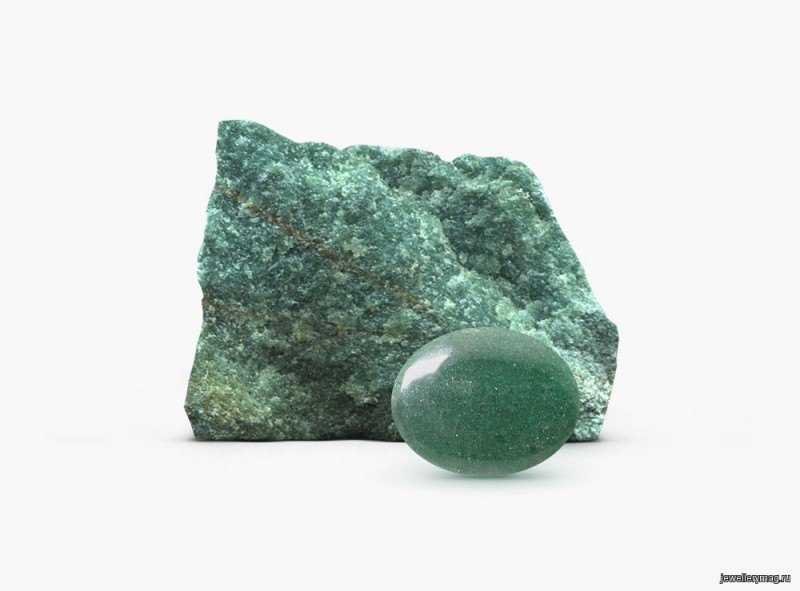
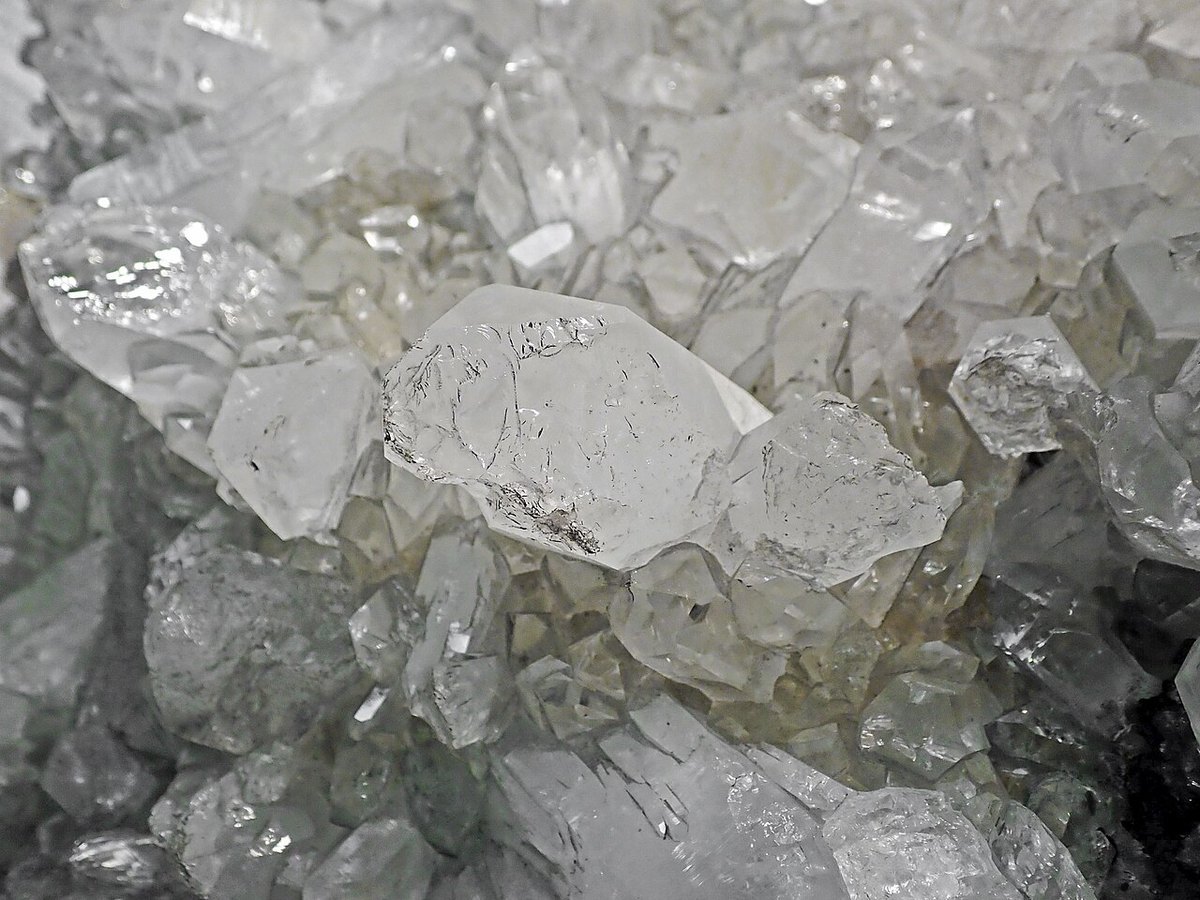


Where Serpentine Is Found


